
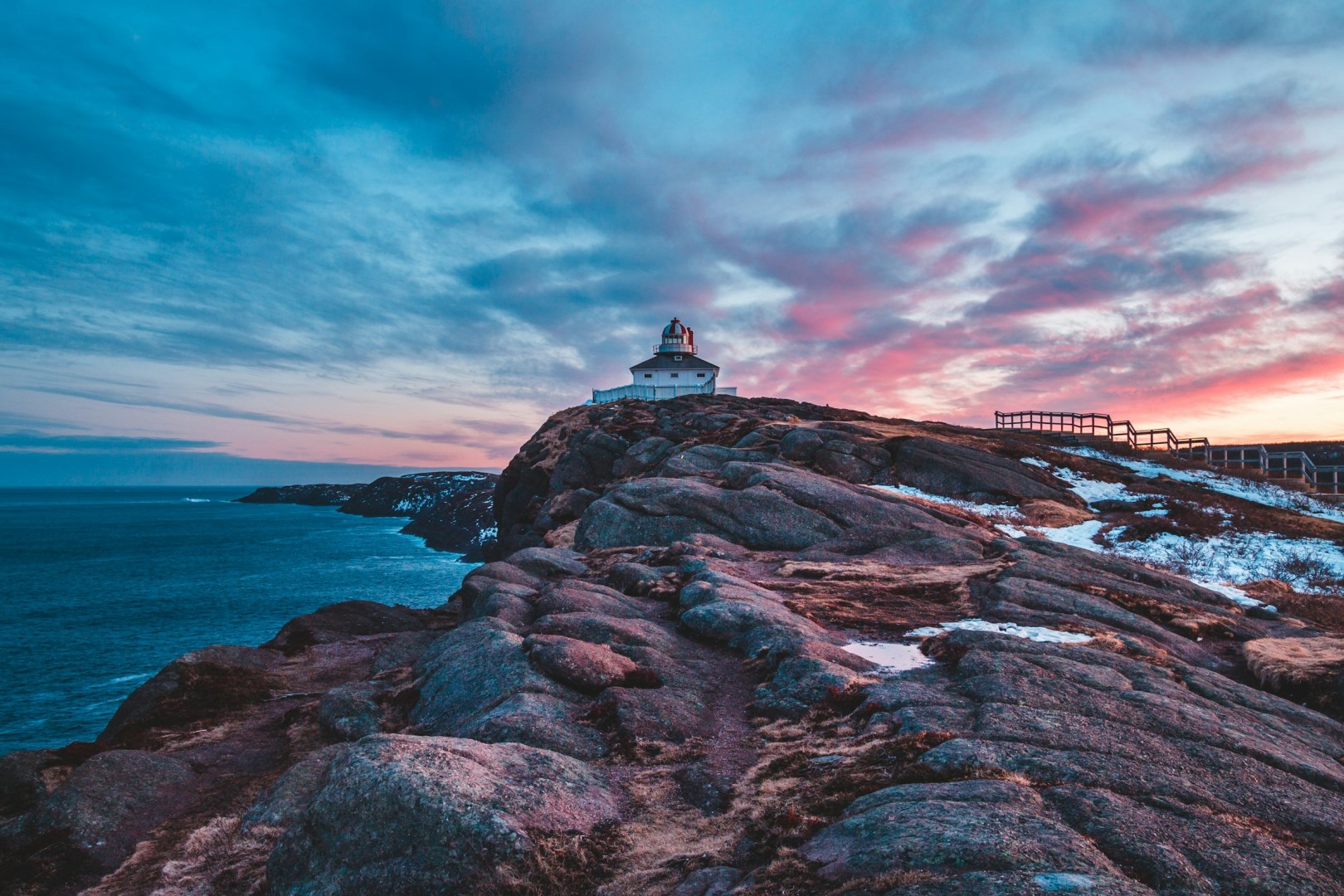
Newfoundland and Labrador
Newfoundland offers travelers a chance to immerse themselves in rugged natural beauty, rich history, and warm hospitality.

Pisa
Pisa, Italy, is more than just its world-famous Leaning Tower; it's a city where history, art, and culture intersect to create a fascinating experience for visitors. The Leaning Tower, part of the Piazza dei Miracoli or Square of Miracles, is an architectural wonder that draws millions each year. Built as a bell tower for the adjacent Pisa Cathedral, its unintended tilt has become a global icon.

Aburi
Aburi is famous for its beautiful botanical garden, as well as the Odwira festival.
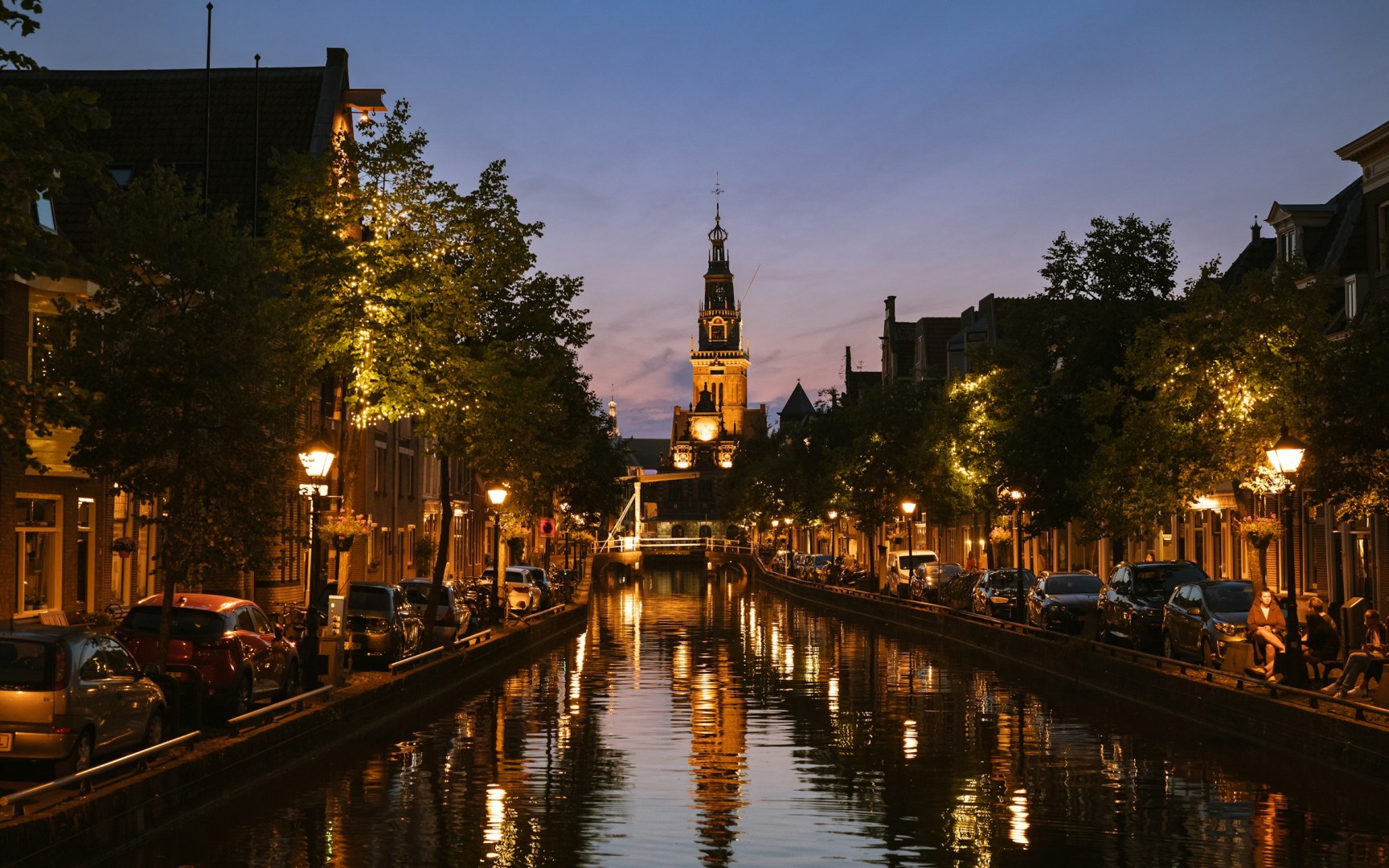
Alkmaar
Alkmaar is a historic city in the Dutch province of North Holland, known for its canals, narrow streets, traditional gabled houses, and long association with cheese trading. The old center is compact and largely walkable, with the Waagplein at its heart and the Waag building providing one of the city’s most recognizable landmarks. Canals such as the Oudegracht and Luttik Oudorp wind through the center, while bridges connect streets lined with shops, cafés, and historic buildings.
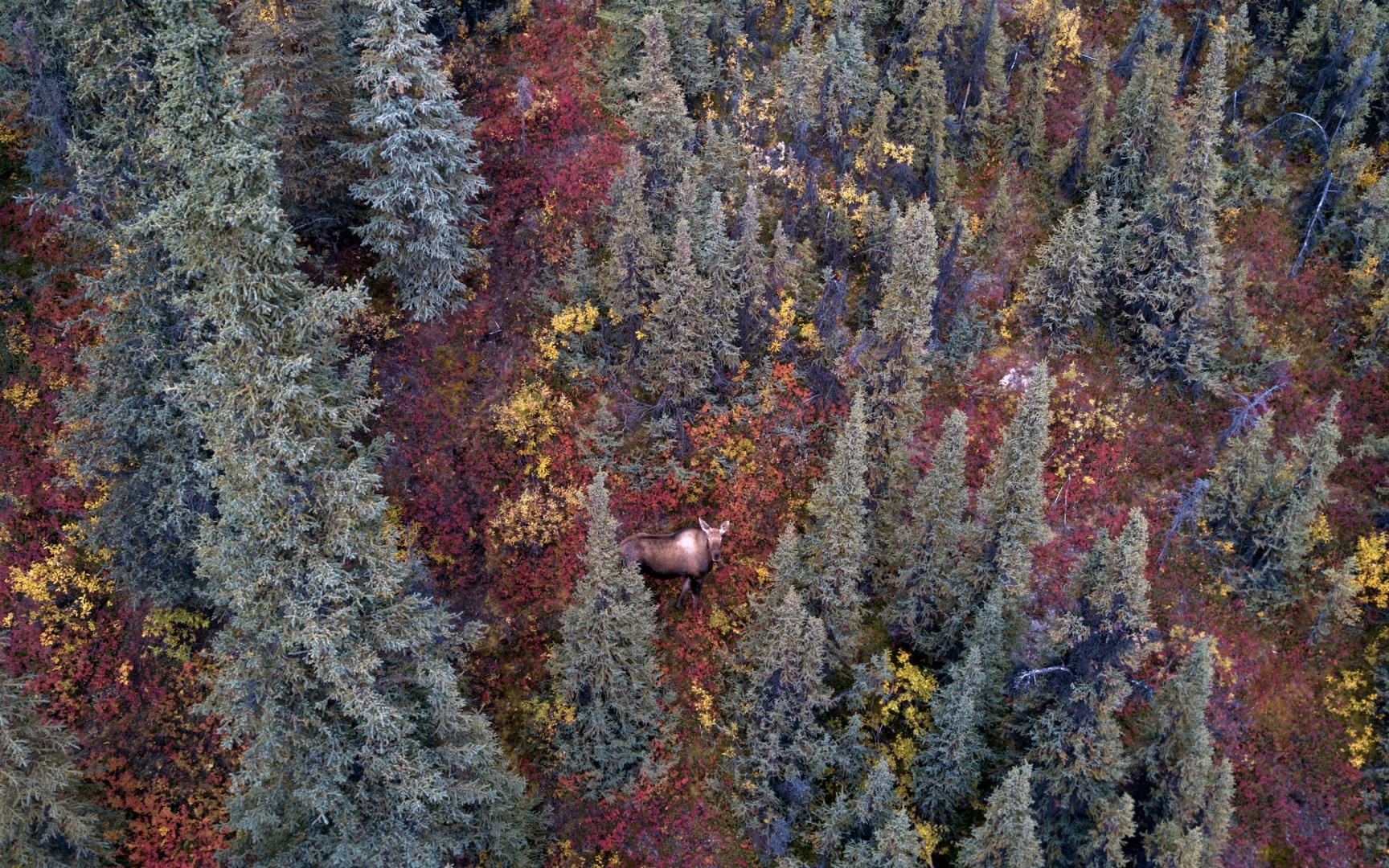
Glennallen
Glennallen is a small community in the Copper River Valley of south-central Alaska, positioned near the junction of the Glenn and Richardson highways. It serves as a regional service center for a widely scattered population and is surrounded by broad valleys, forests, wetlands, and distant mountain ranges. The Wrangell and Chugach Mountains rise around the wider region, while the Copper River and its tributaries shape the landscape.
