
Grand Junction
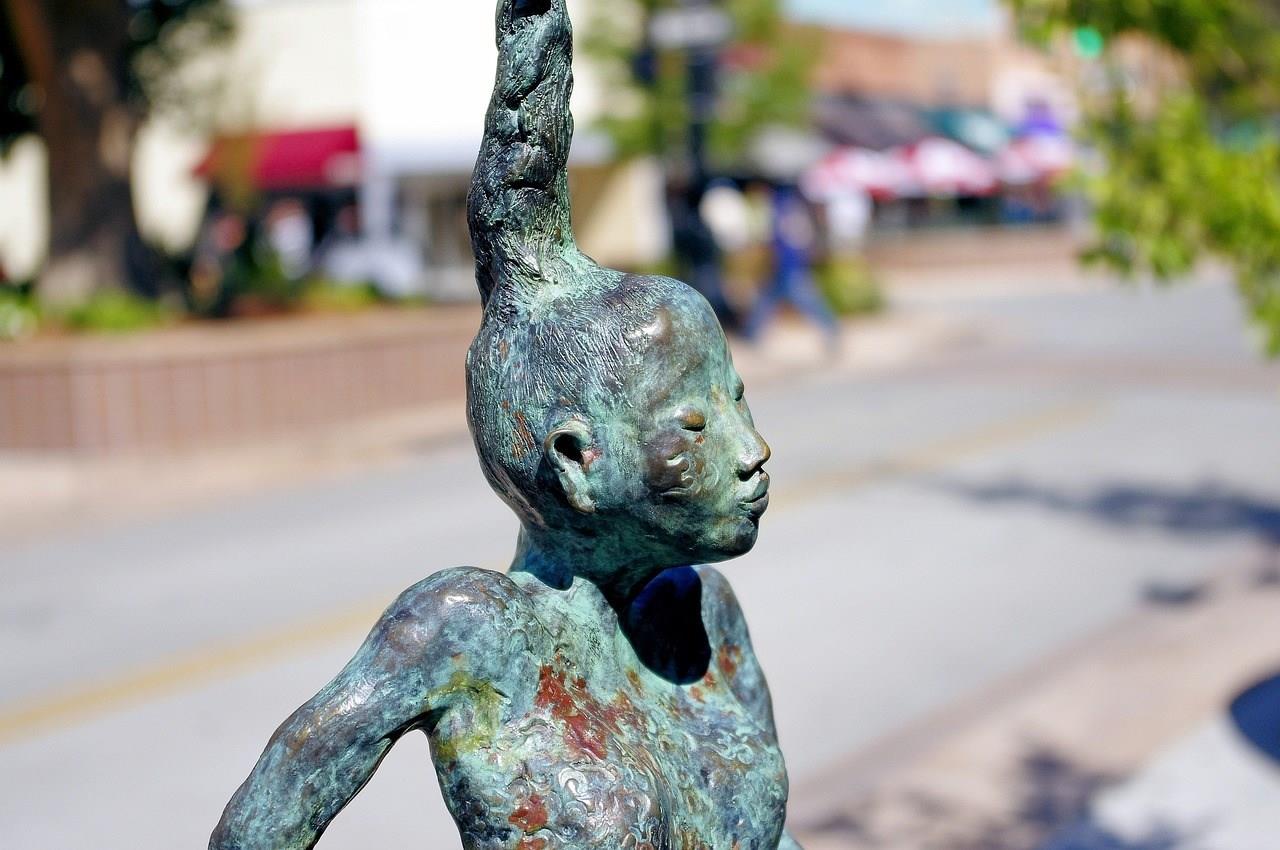
Grand Junction, located on Colorado’s Western Slope, is a destination where desert canyons meet fertile vineyards and rugged plateaus overlook winding rivers. The town sits at the junction of the Colorado and Gunnison Rivers, which historically made it a vital meeting point for Native American tribes, trappers, and settlers. Today, visitors come for its striking landscapes, laid-back pace, and a growing food and wine scene that's putting this region on the map for more than just its scenery.

Great Smoky Mountains National Park
Great Smoky Mountains National Park stretches across the border of Tennessee and North Carolina, protecting a broad section of the southern Appalachian Mountains. The park is known for forested ridges, mist-covered peaks, clear streams, and an exceptional variety of plant and animal life. Its landscape changes with elevation, from rich hardwood forests in the valleys to spruce-fir forests near the highest summits.
Hannibal
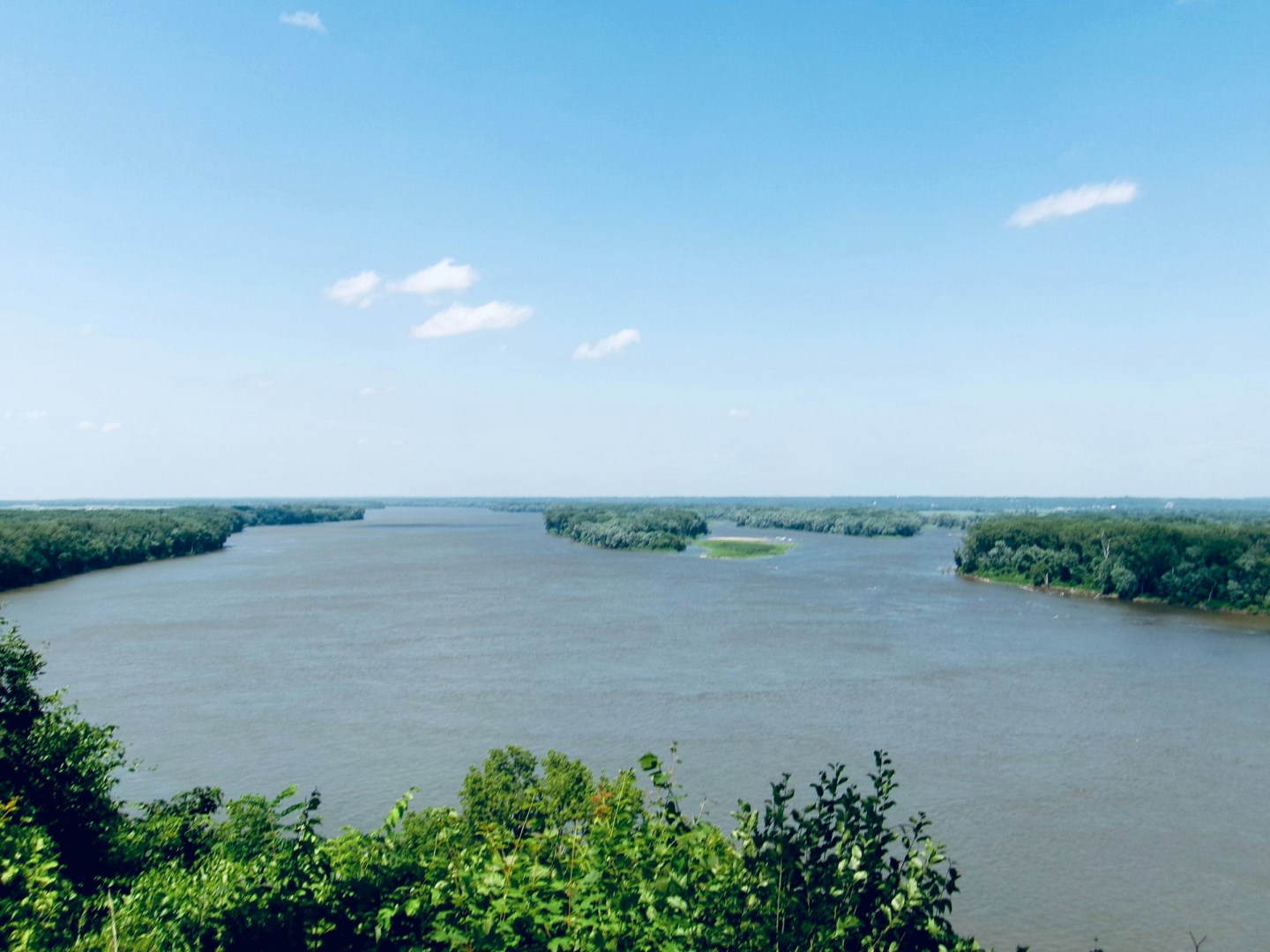
Home of Mark Twain's boyhood home, Hannibal is a quaint Missouri town located on the Mississippi River and a popular stop for river cruises.
Campo Grande
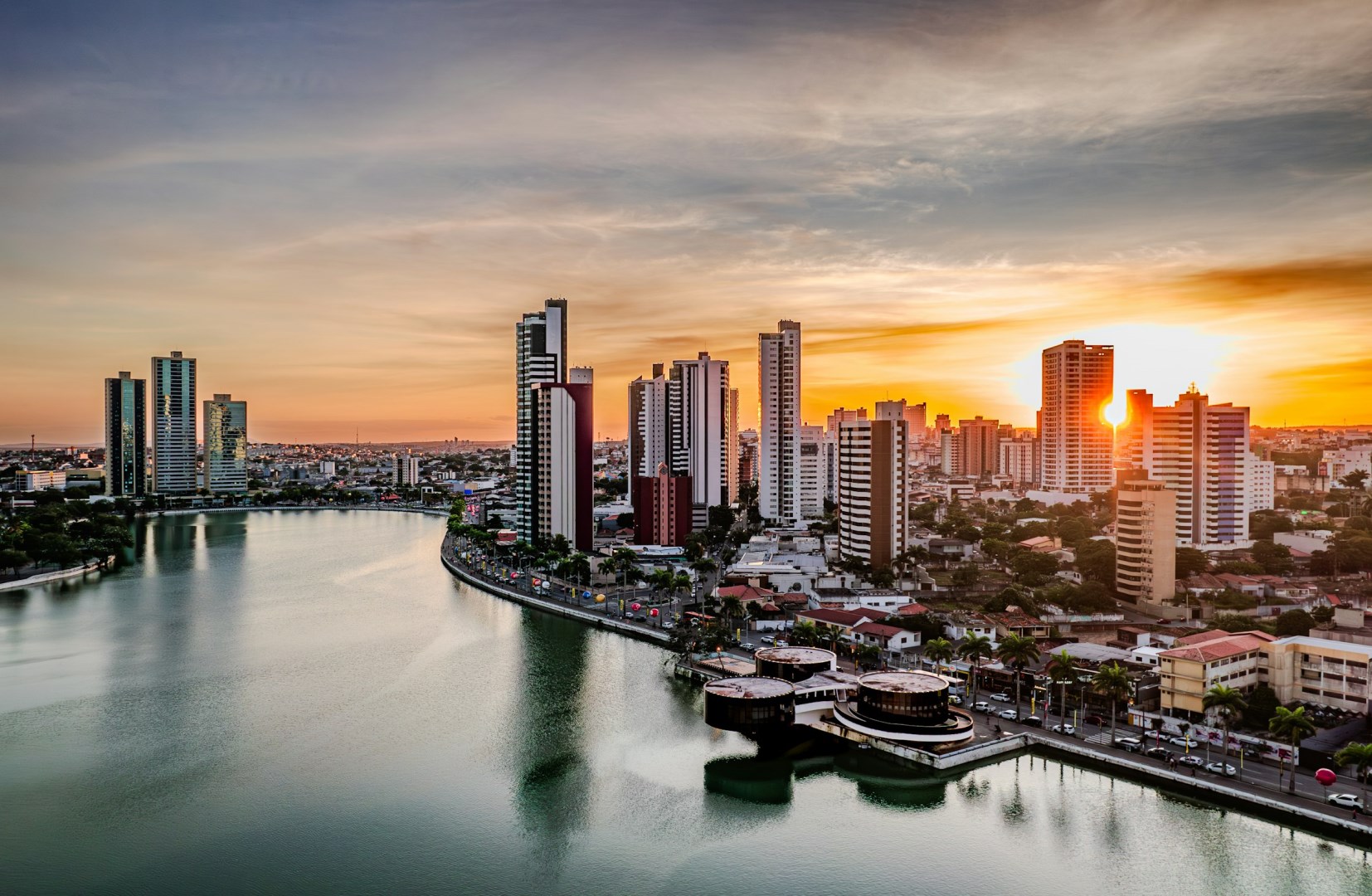
Campo Grande is the capital of Mato Grosso do Sul in central-western Brazil and an important urban gateway to the southern Pantanal and destinations such as Bonito. The city is often known as Cidade Morena, a reference to the reddish soil found across the region. Its broad avenues, parks, and low-density neighborhoods reflect its location on the edge of the Brazilian interior, where urban life meets ranching country and cerrado landscapes.
Sirajganj
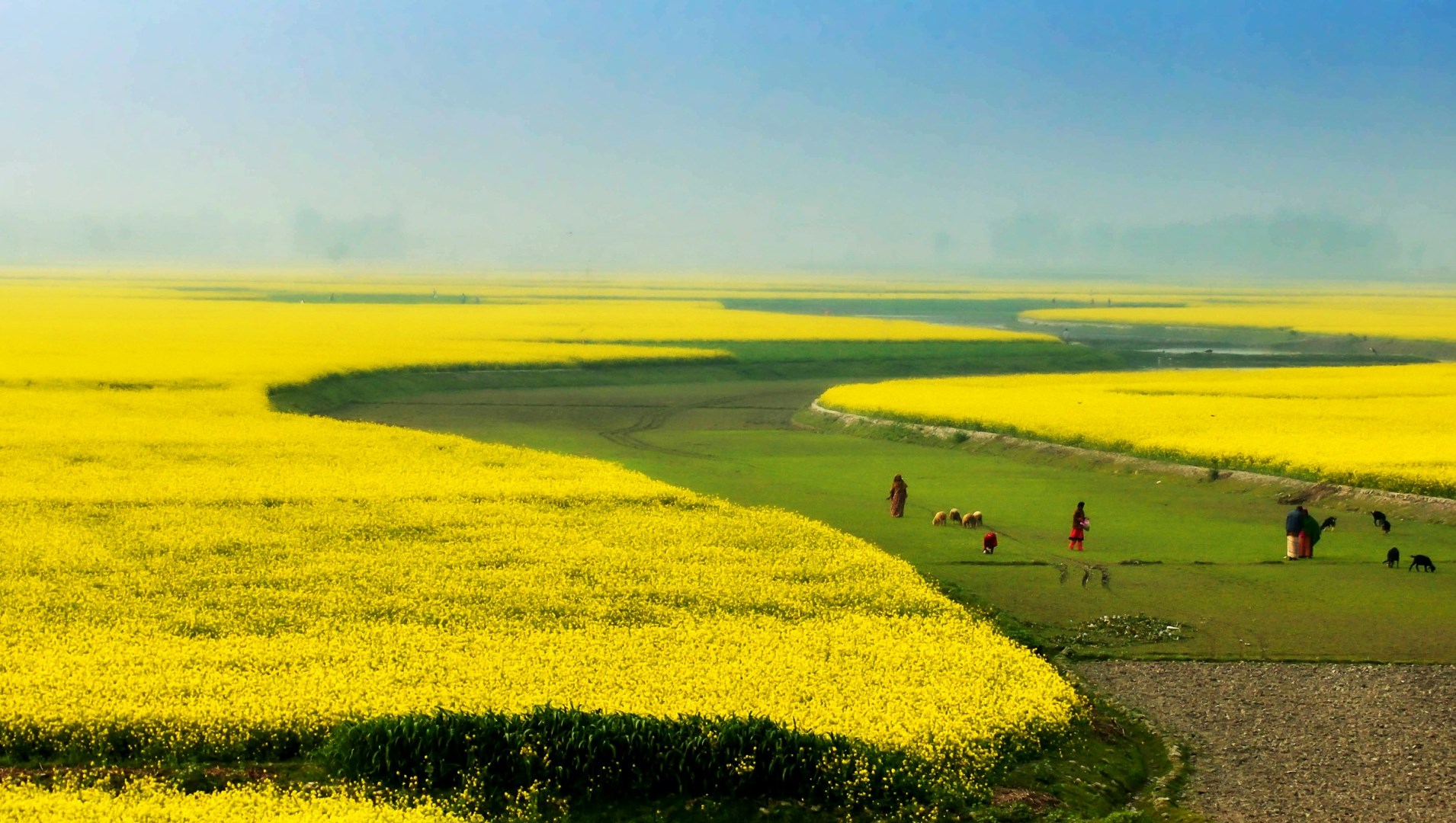
Sirajganj is a riverside district in northwestern Bangladesh, located along the Jamuna River and shaped by the shifting channels, sandbars, and fertile floodplains of the river system. The district is known for agriculture, weaving, livestock, and river-based commerce, with Sirajganj town serving as an important regional center. Its landscape changes noticeably with the seasons as river levels rise and fall, exposing temporary chars and renewing farmland with silt. The surrounding countryside co
