
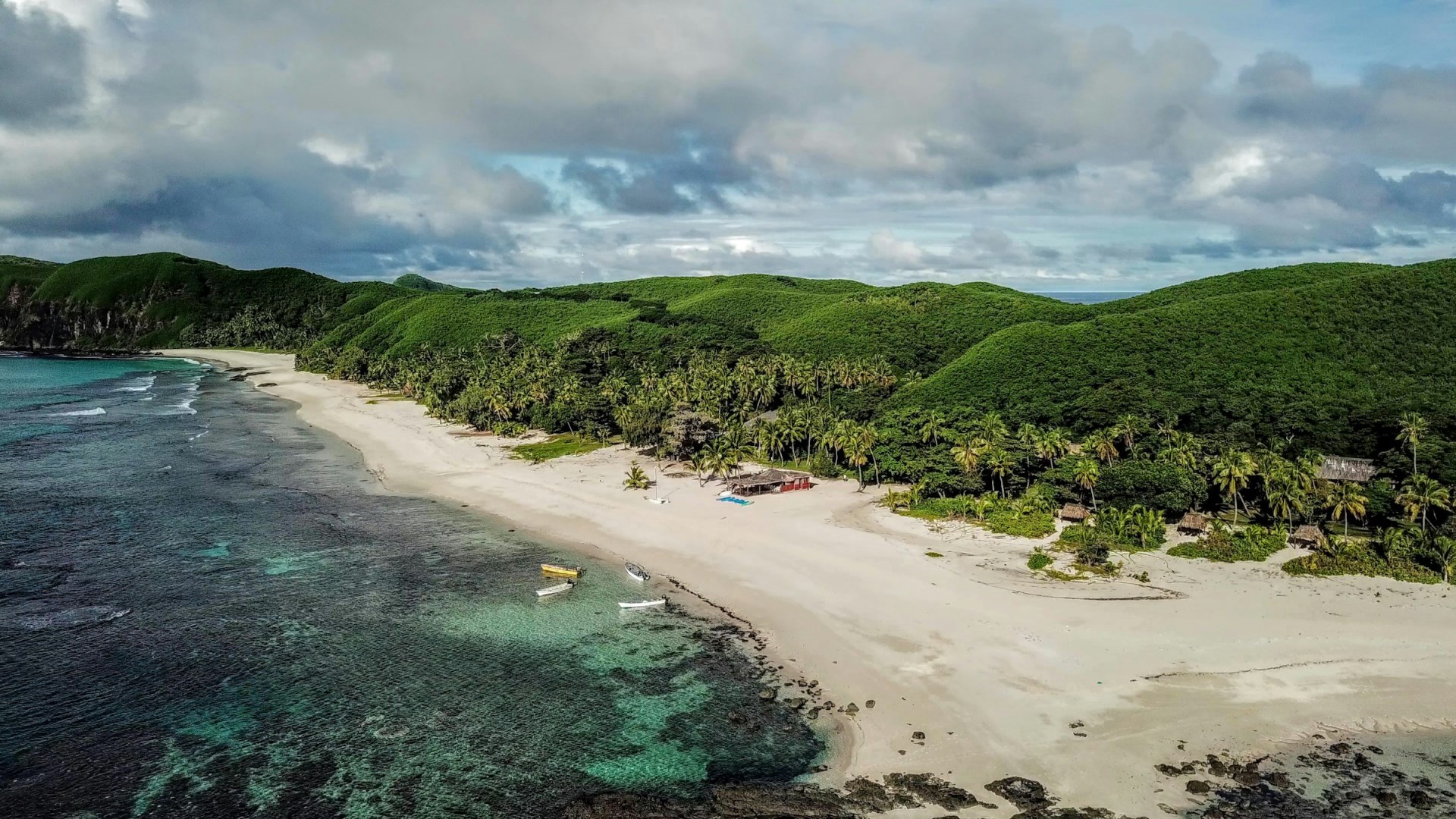
Yasawa Island
A long chain of volcanic islands form a broken ribbon of unspoiled white sand beaches through the azure waters of the Yasawa Islands.
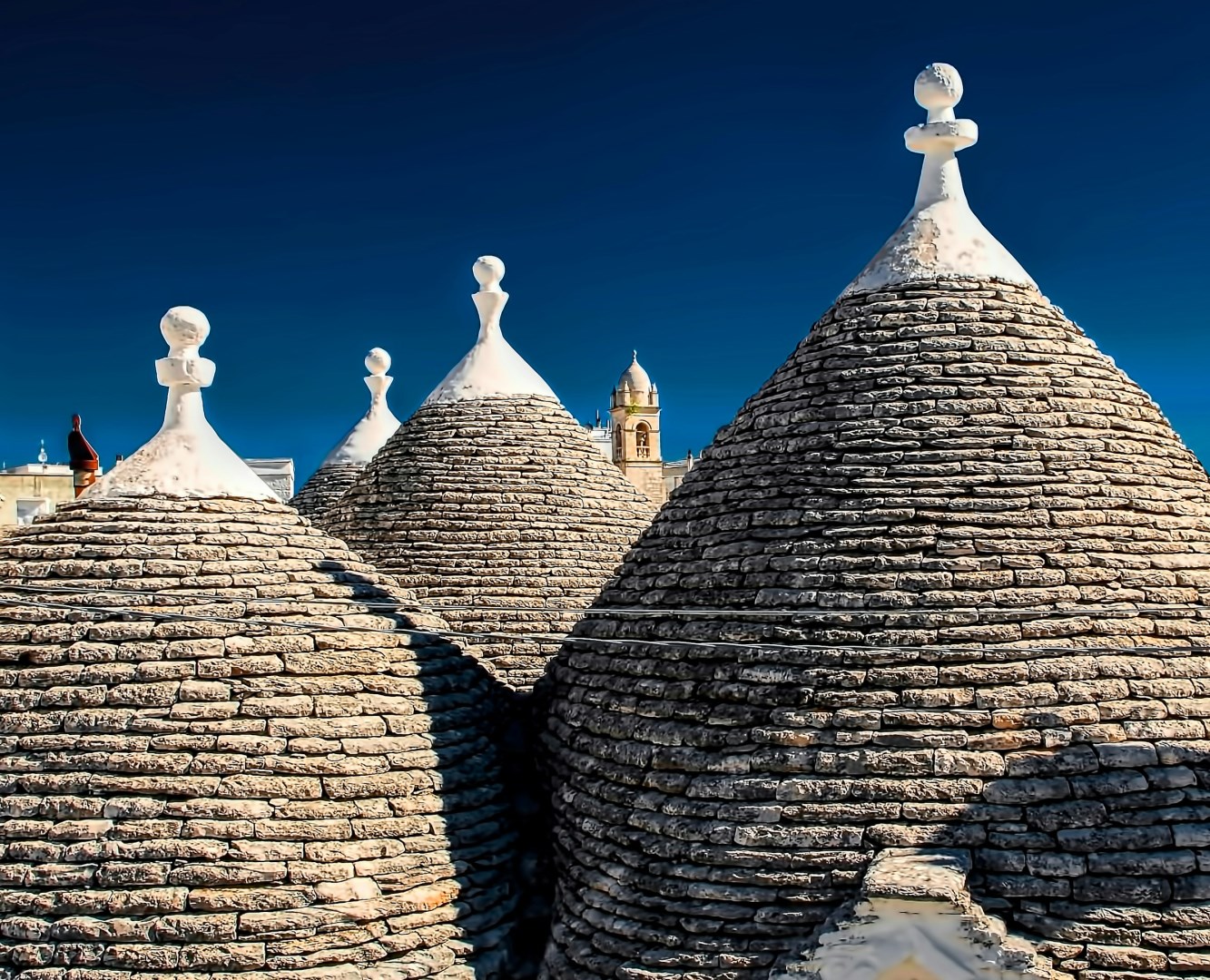
Alberobello
Alberobello in southern Italy’s Puglia region captures the imagination with its distinctive trulli houses. These structures were built using a dry-stone technique passed down over centuries, without mortar or cement, and their unique form comes from layer upon layer of limestone nestled from nearby fields. Alberobello’s trulli are so remarkable that in 1996 the historic center was inscribed as a UNESCO World Heritage Site, where more than 1,600 of these buildings still stand.

Fort-de-France
Capital of Martinique, a French overseas territory, Fort-de-France is a veritable island paradise replete with striking colonial architecture, exotic flora and fauna, verdant nature parks, and sparkling beaches. Highlights of this vibrant island capital include the colorful Jardin de Balata, the cascading Fontaine Didier waterfall, and the expansive Schoelcher Library.

Lanzarote
Lanzarote, the northernmost of the Canary Islands, is a striking destination characterized by its volcanic landscapes and unique architectural heritage. Known for its otherworldly scenery, the island boasts a remarkable volcanic terrain shaped by eruptions in the 18th and 19th centuries. The Timanfaya National Park is a highlight, where visitors can witness geothermal demonstrations and explore the dramatic lava fields on a guided tour.

American Samoa
American Samoa consists of a group of seven islands in the southern Pacific Ocean, comprising Tutuila; the Manua group, consisting of Tau, Olosega, and Ofu; Aunuu; Rose Island; and Swains Island.
