
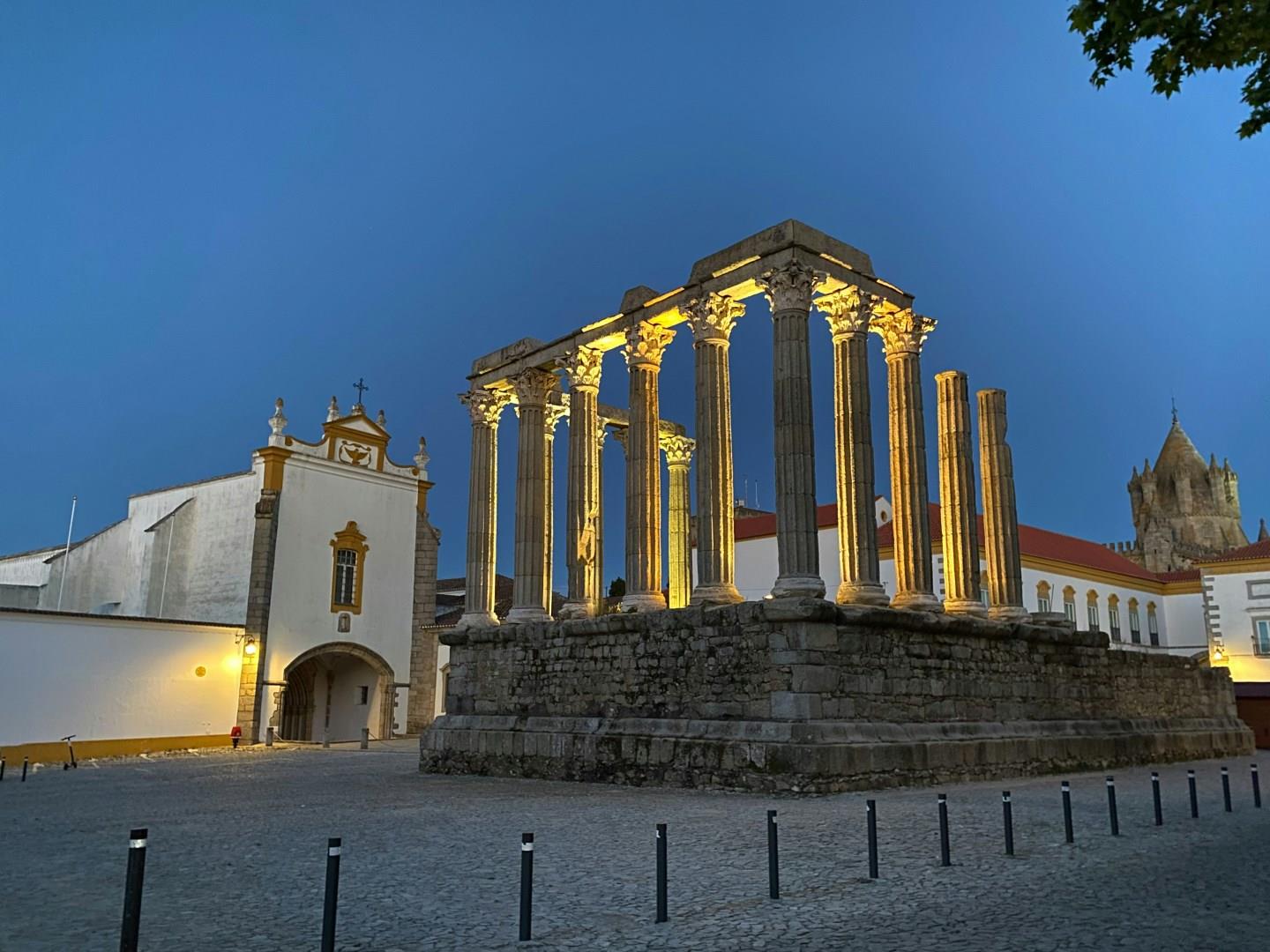
Evora
Évora, in Portugal’s Alentejo region, feels like stepping into a story that spans more than two thousand years. Its Historic Centre was named a UNESCO World Heritage Site for good reason with its ancient walls, homes with wrought-iron balconies, and narrow streets quietly preserve traces of Roman, Moorish, and medieval life. Beyond architecture and monuments, Évora reveals lesser-known treasures that reward exploration.
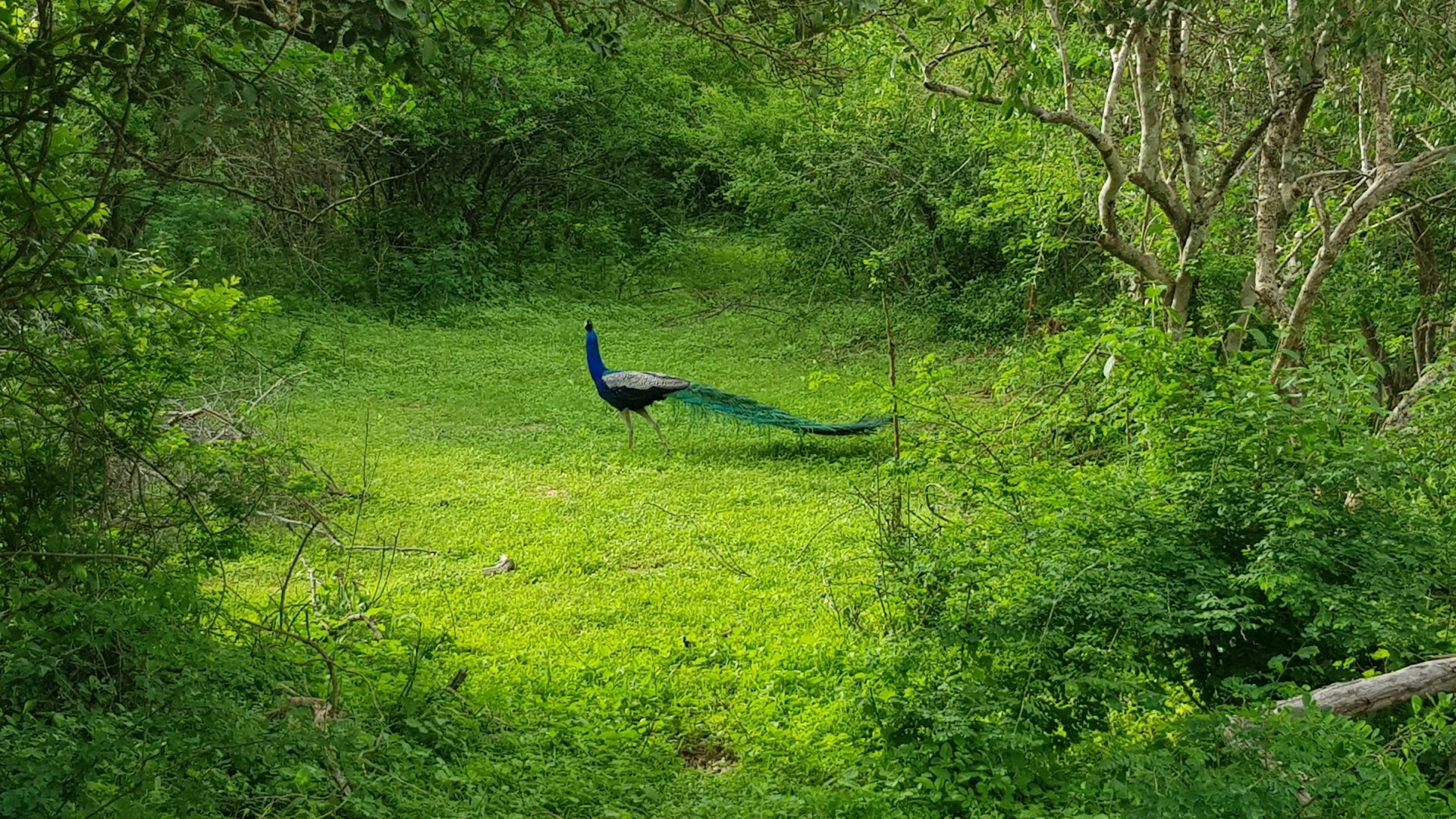
Hambantota
Hambantota is a coastal city in Sri Lanka’s Southern Province, set along a dry, sunlit stretch of the island’s southeastern coast. Its landscape combines the Indian Ocean, salt pans, scrubland, lagoons, and agricultural areas, giving the city a different character from the wetter coastal towns farther west. Hambantota is an important regional center and a gateway to several major wildlife destinations.
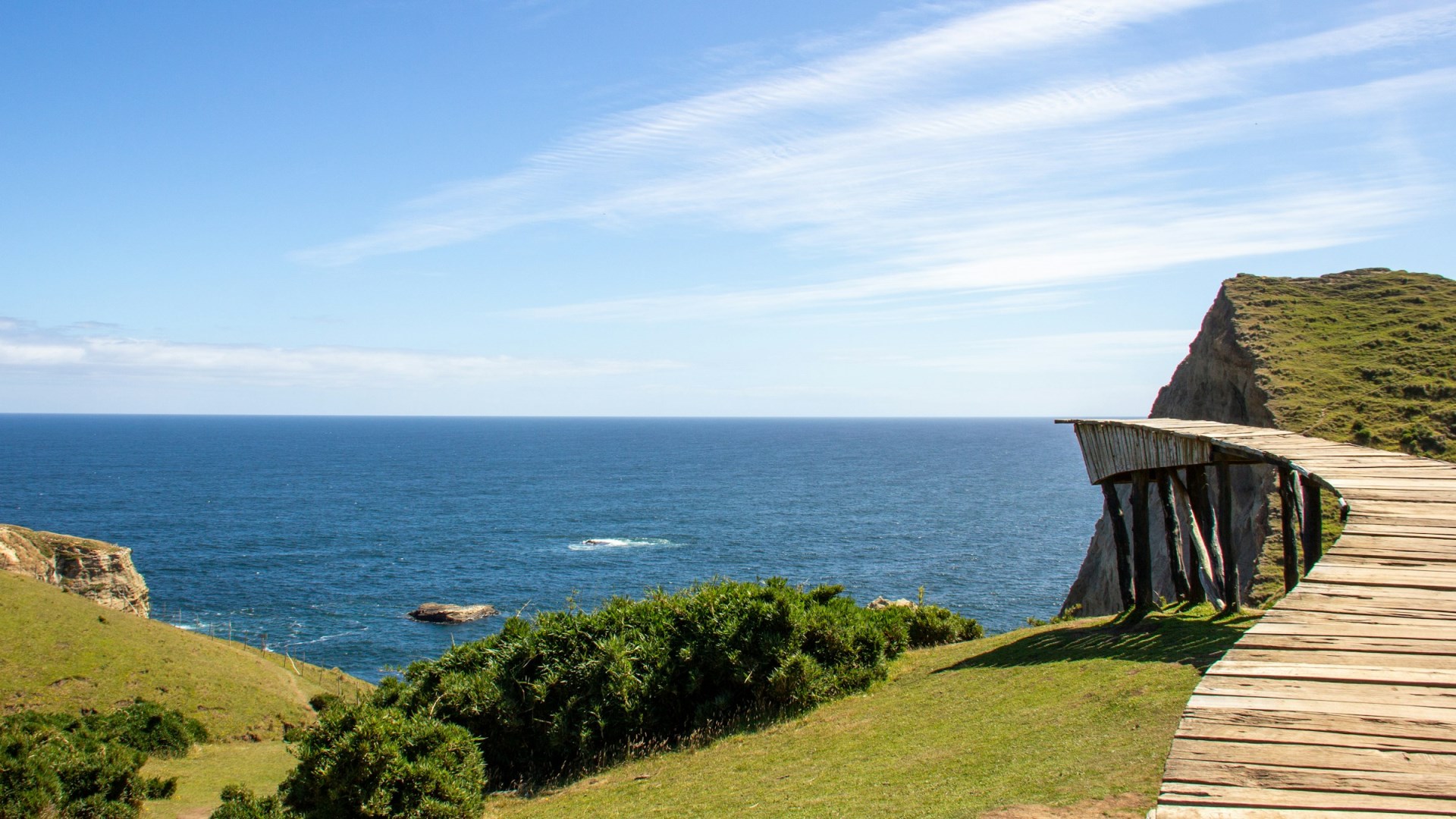
Chiloé Island
Chiloé Island is the largest island in the Chiloé Archipelago in southern Chile, separated from the mainland by the Chacao Channel and surrounded by the Gulf of Corcovado and the Pacific Ocean. Its landscape is shaped by wooded hills, farmland, wetlands, beaches, and a network of channels and smaller islands. Rural communities are scattered across the island, while towns such as Castro, Ancud, and Chonchi provide commercial and cultural centers.
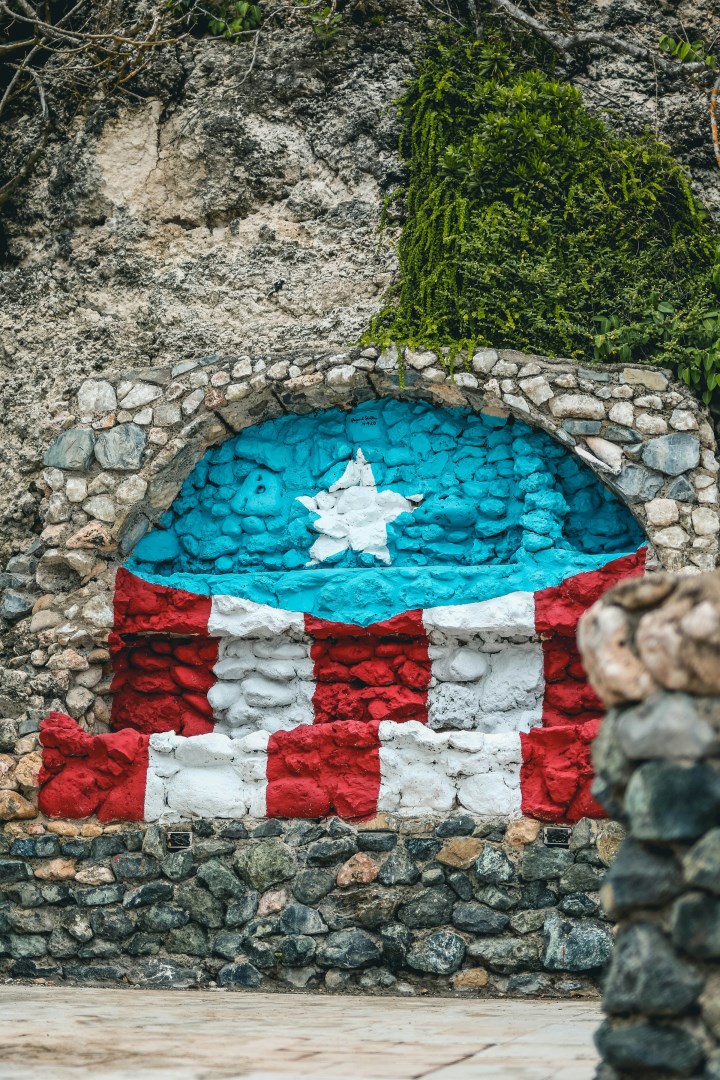
Isabela
Isabela is a coastal municipality on the northwestern side of Puerto Rico, where limestone hills meet the Atlantic Ocean. Its landscape includes long beaches, rocky shores, caves, karst formations, wetlands, and areas of tropical vegetation. Isabela is often associated with surfing and other coastal activities, while inland communities retain a strong agricultural character. The municipality is sometimes called the “Garden of the Northwest,” reflecting its fertile countryside and rural landscape
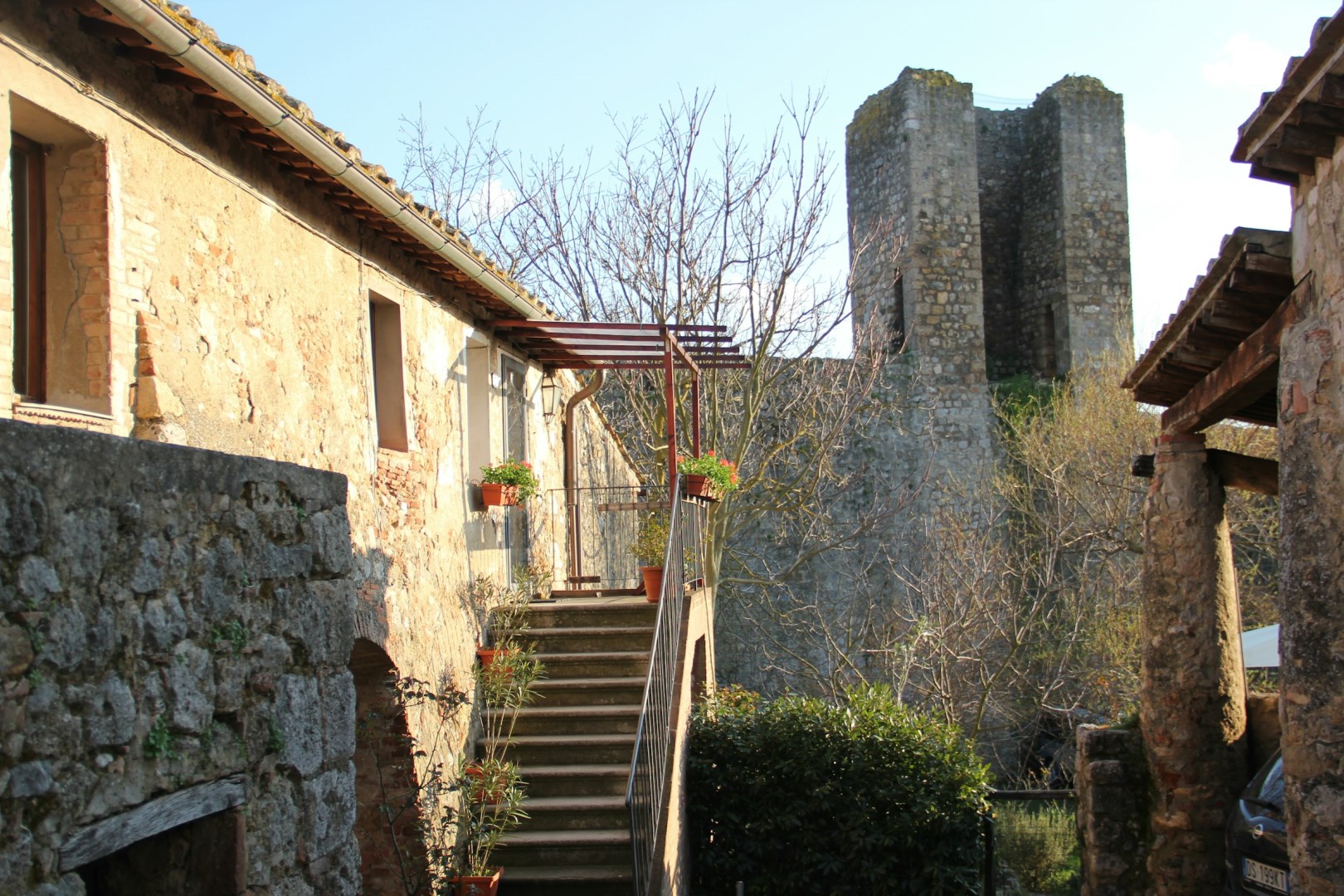
Monteriggioni
Monteriggioni is a comune in the province of Siena in the Italian region of Tuscany.
