
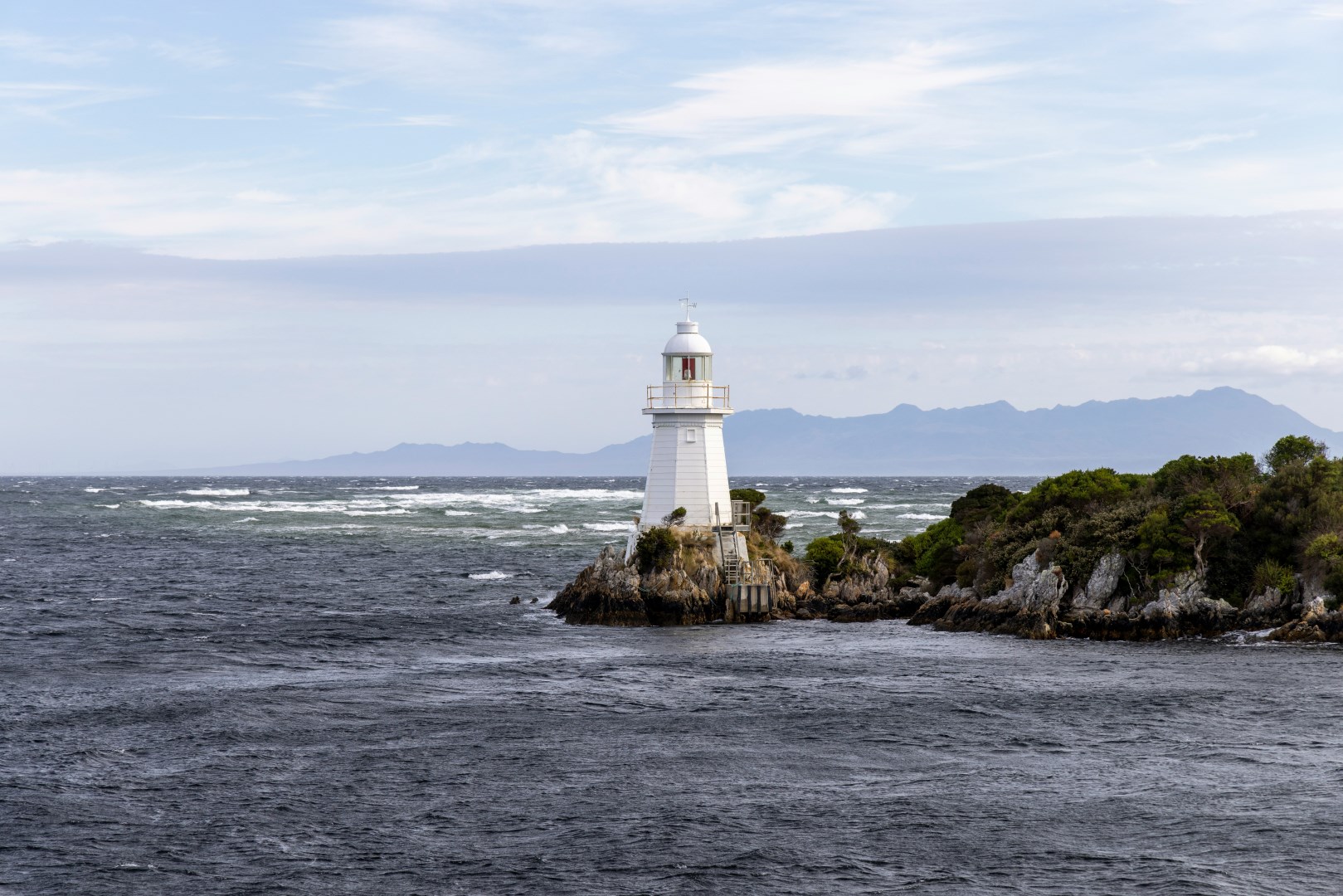
Strahan
Set on the edge of a vast harbor on Tasmania’s wild west coast, Strahan feels like a place shaped by both sea and story. Once a busy port serving nearby mining settlements, it still carries echoes of ships, timber yards, and hardworking crews who relied on the sheltered waters of Macquarie Harbour. Today, that same harbor is the starting point for journeys into remote landscapes, with boats gliding toward places that were once feared as much as they were relied upon.
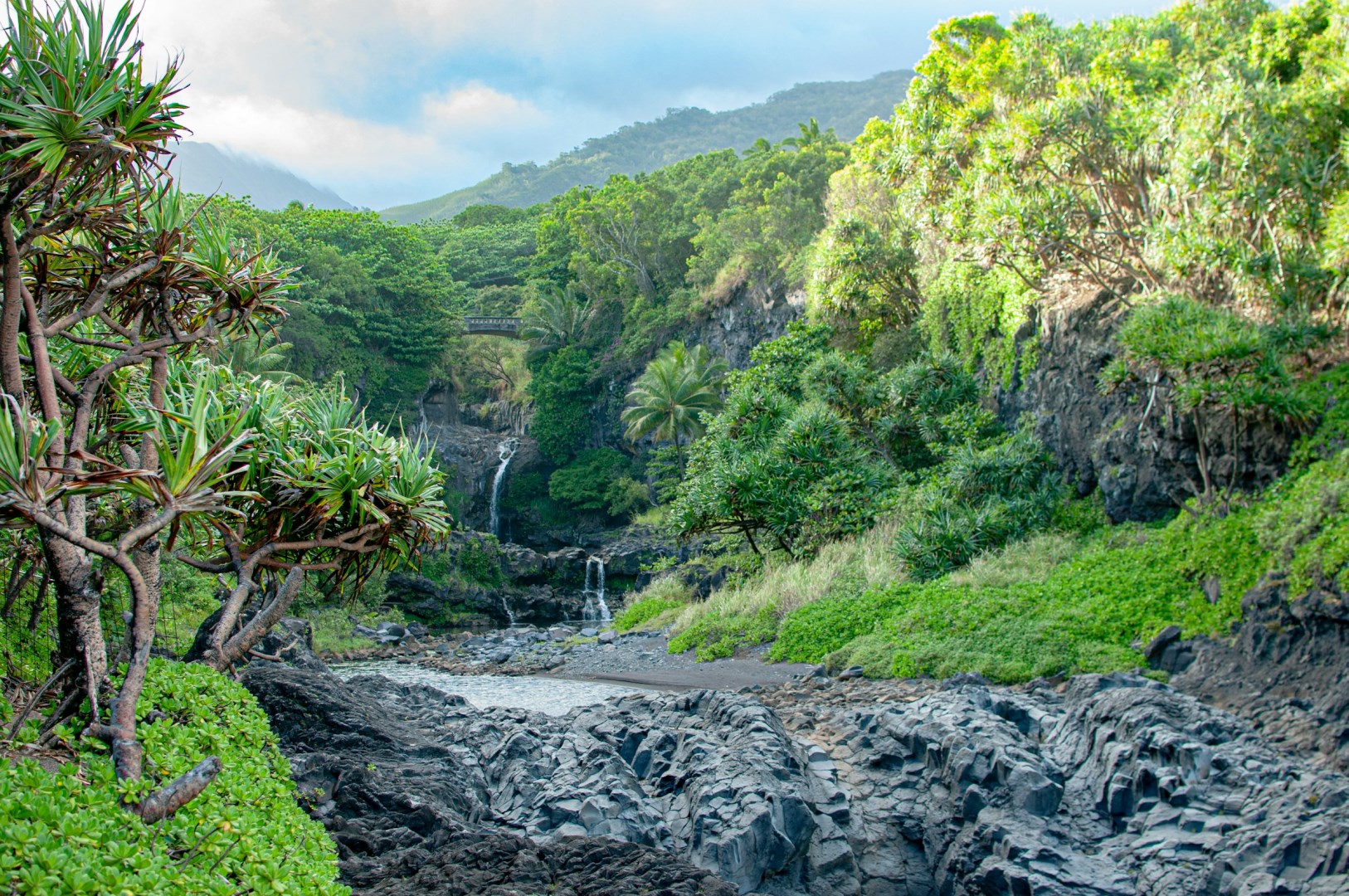
Haleakalā
Maui, both second youngest and second largest of the Hawaiian Islands, is home to the world's largest dormant volcano, Haleakala, meaning "House of the Sun." Last erupting about 200 years ago, it makes up the eastern end of the island. Maui was formed by volcanic activity from Haleakala on the east and the West Maui Mountains to the west. The connecting isthmus between the two spots was formed from joining lava from both and gives Maui its nickname, the Valley Isle.
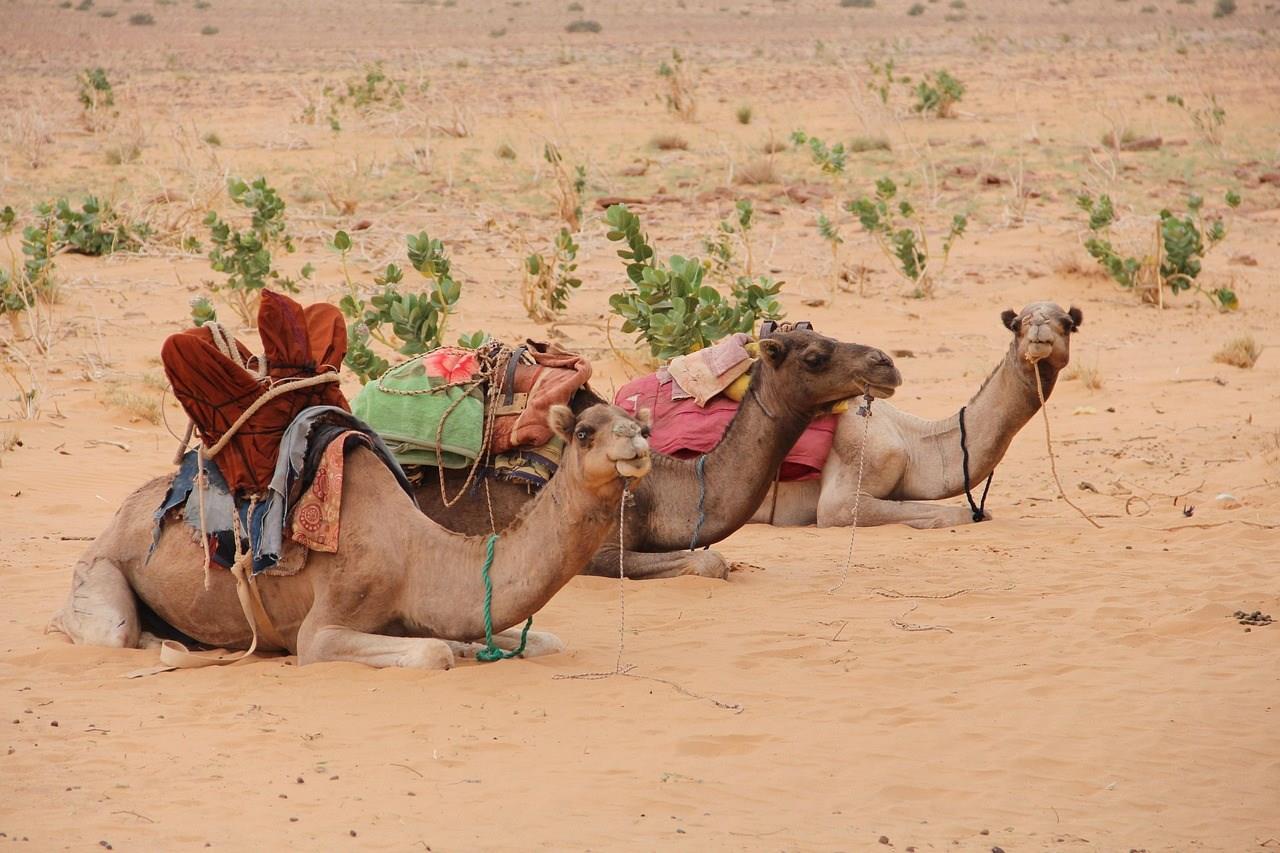
Mauritania
Mauritania, stretching between the Atlantic Ocean and the Sahara Desert, offers travelers a journey through wide-open landscapes and centuries of history. Its terrain is marked by shifting sand dunes, ancient caravan towns, and stretches of untouched coastline.
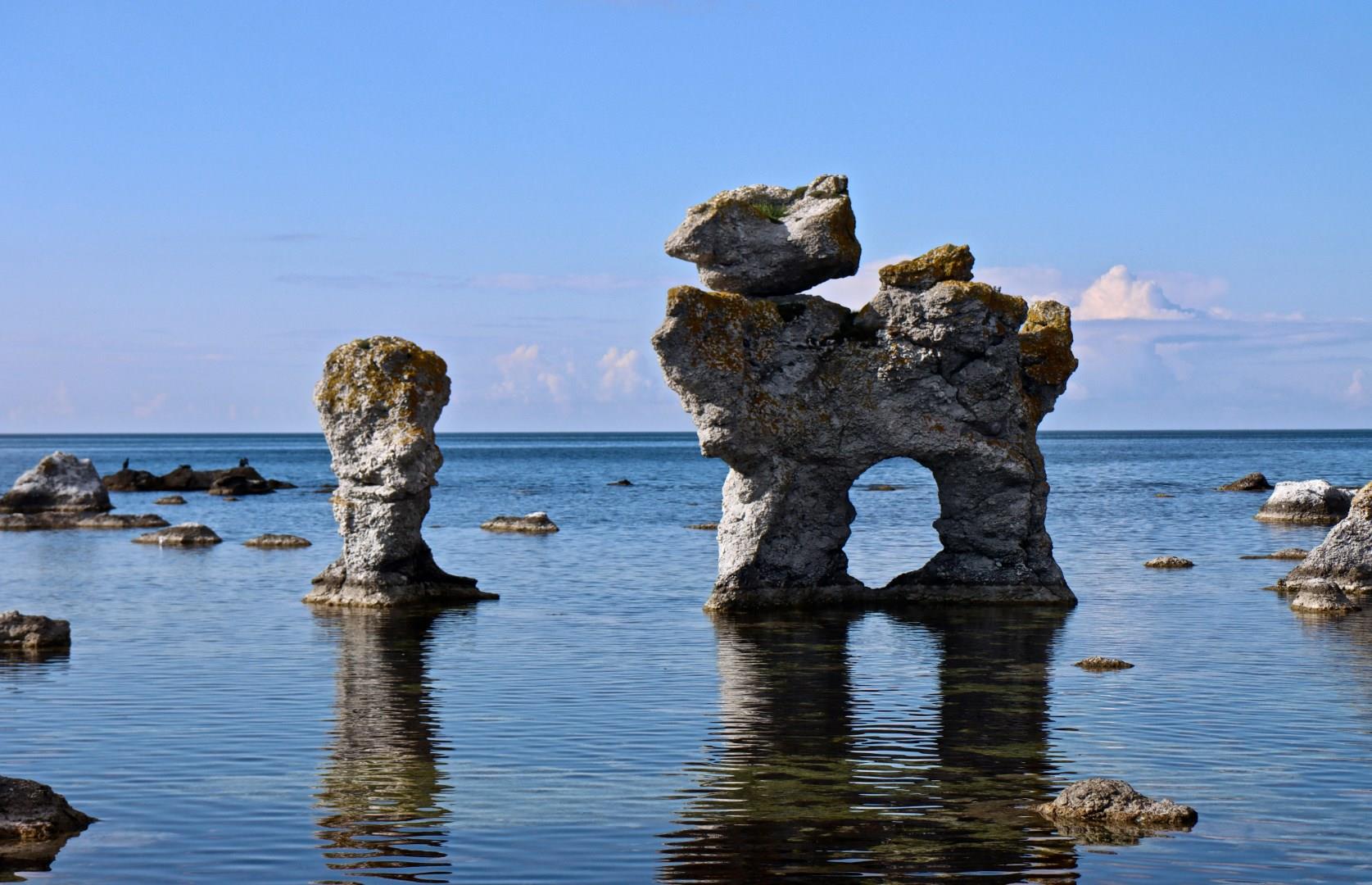
Gotland
Gotland, Sweden’s largest island, sits in the Baltic Sea and feels like a world of its own. Its main town, Visby, is a UNESCO World Heritage site and one of the best-preserved medieval towns in Northern Europe. Surrounded by a 3.5-kilometer stone wall with original towers still intact, Visby once served as a key Hanseatic trading hub. Visitors can walk along cobbled streets lined with rose-covered cottages, explore Gothic church ruins, and climb up the city wall for views over the harbor.

Spitzkoppe
Spitzkoppe, often referred to as the "Matterhorn of Namibia," is a stunning granite peak rising majestically from the desert floor, offering some of the most dramatic landscapes in the country. Located between Usakos and Swakopmund, this isolated mountain range, with its highest point standing at 1,728 meters, is a paradise for hikers, climbers, and nature lovers. The area is also rich in ancient San rock art, providing visitors with a glimpse into Namibia's prehistoric past.
