
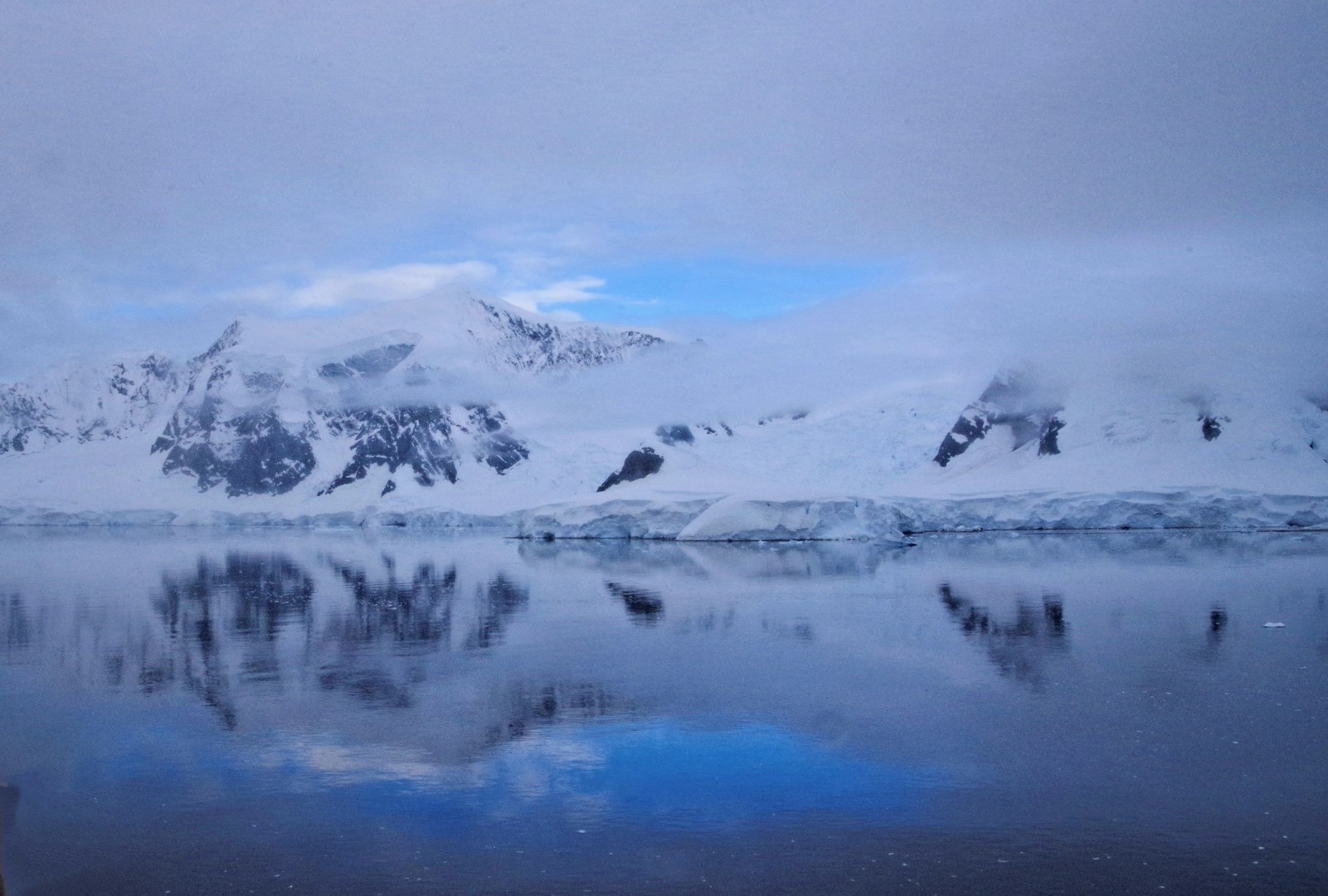
Charlotte Bay
Charlotte Bay is best known for its combination of glacial scenery and marine wildlife. The surrounding mountains descend toward heavily glaciated coastlines, while the bay itself can contain floating sea ice and icebergs of varying sizes. Whales are regularly encountered in the waters of the Antarctic Peninsula, and seals may also be seen around ice and along the shoreline.
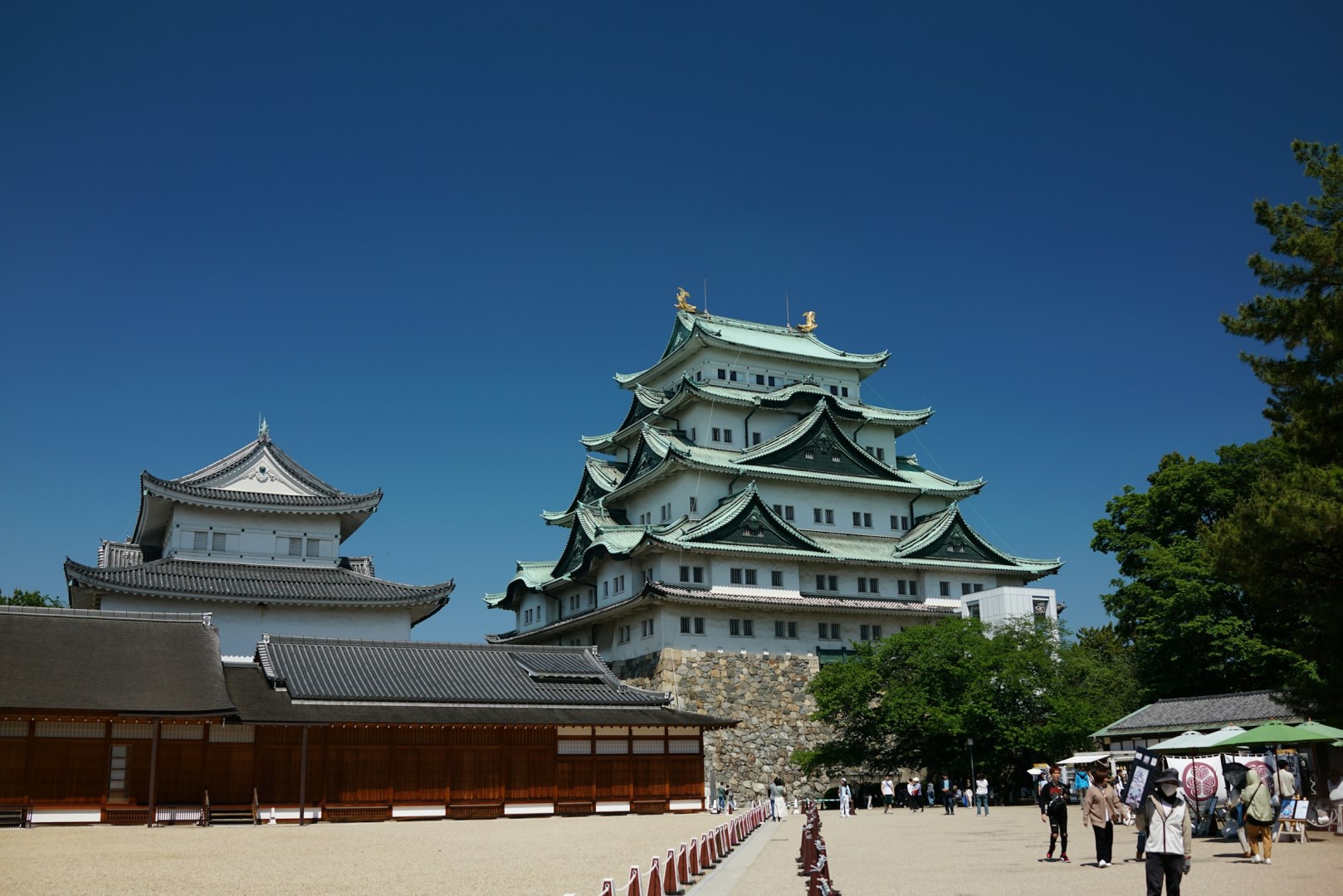
Nagoya
Nagoya’s charm lies in its ability to connect the past and future. Whether exploring historical landmarks, marveling at technological achievements, or indulging in the city’s distinct cuisine, visitors to Nagoya will find themselves immersed in a dynamic and unforgettable experience.
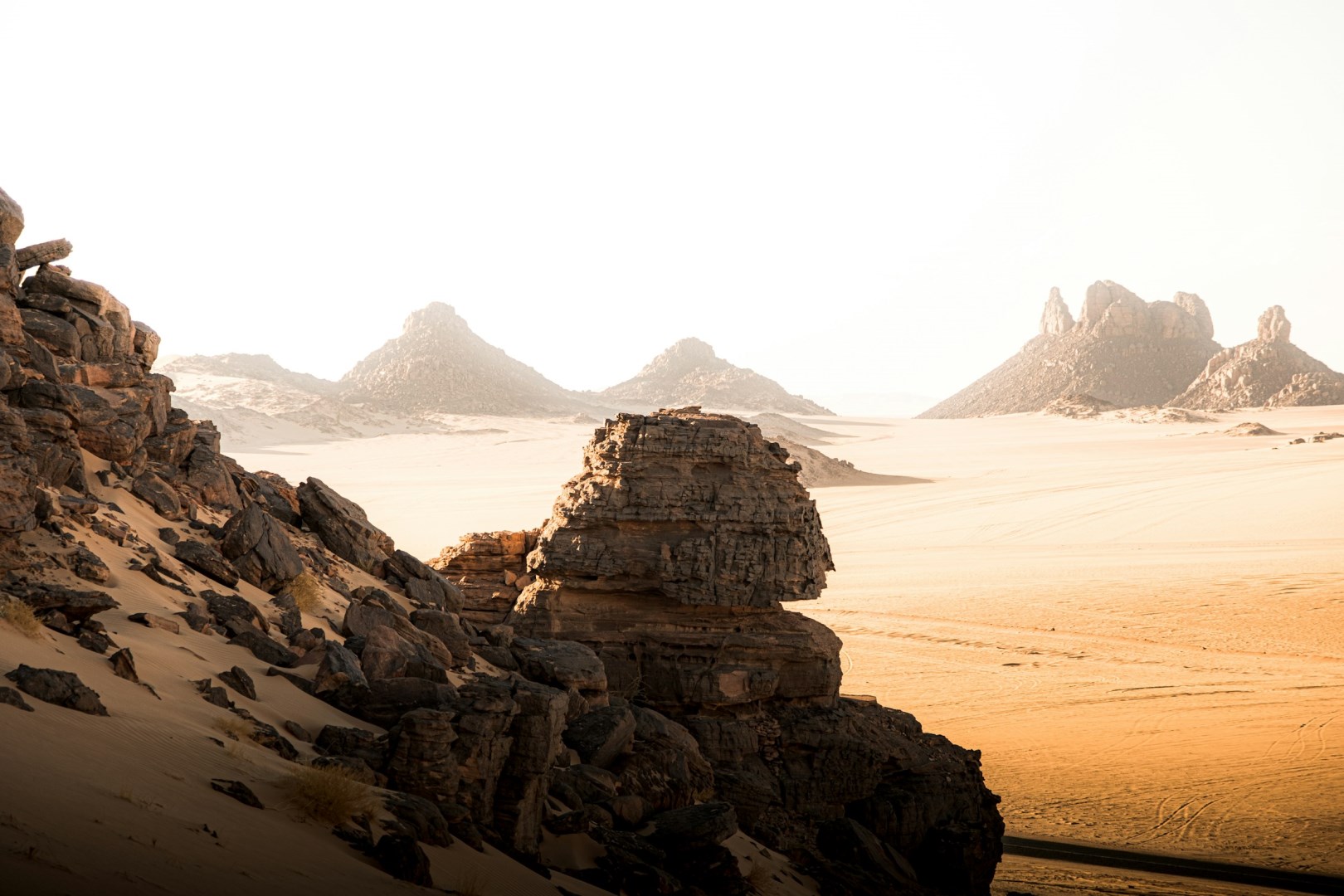
Djanet
Djanet is a small oasis town in southeastern Algeria, situated in the Tassili n’Ajjer region near the border with Libya. It is surrounded by a vast desert landscape of sandstone plateaus, rocky valleys, and palm-filled oases. The town serves as an important gateway to the Tassili n’Ajjer, a UNESCO World Heritage site known for its unusual rock formations and extensive collection of prehistoric rock art.
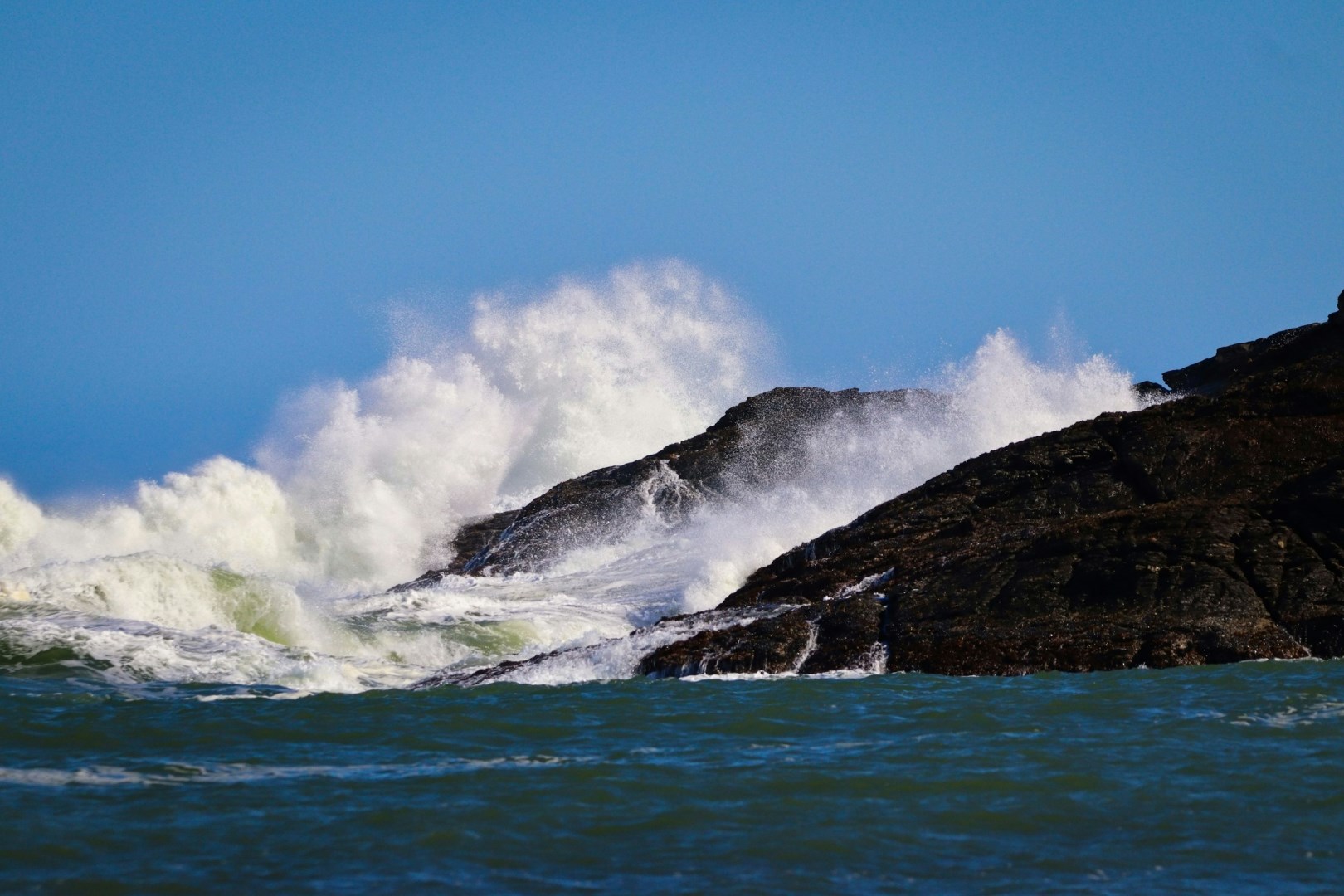
Lüderitz
This coastal town in southwestern Namibia is known for its German colonial buildings, including the art nouveau Goerke Haus, built into the rock face on Diamond Hill. Nearby, Felsenkirche is a hilltop church with panoramic bay views stretching around to Robert Harbor. The Lüderitz Museum has displays about the town’s diamond mining past as well as local and natural history.
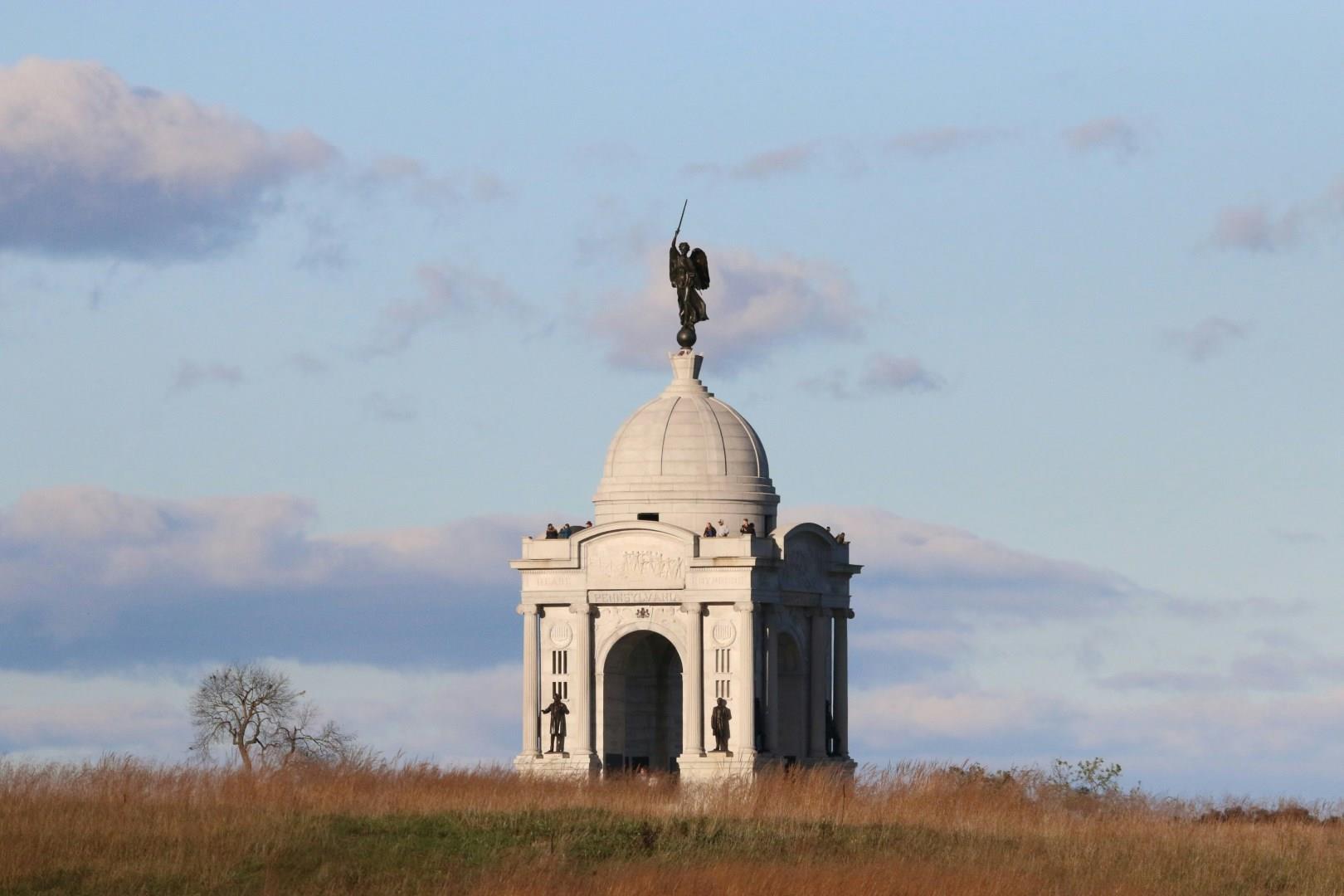
Gettysburg
Gettysburg, Pennsylvania is best known as the site of the most significant battle of the American Civil War, fought over three days in July 1863. Today, visitors can explore the 6,000-acre Gettysburg National Military Park, which preserves the battlefield in remarkable detail. Over 1,300 monuments, cannons, and markers dot the landscape, each telling a piece of the story. One of the most visited spots is Little Round Top, where Union forces held their ground in a pivotal moment of the battle.
