
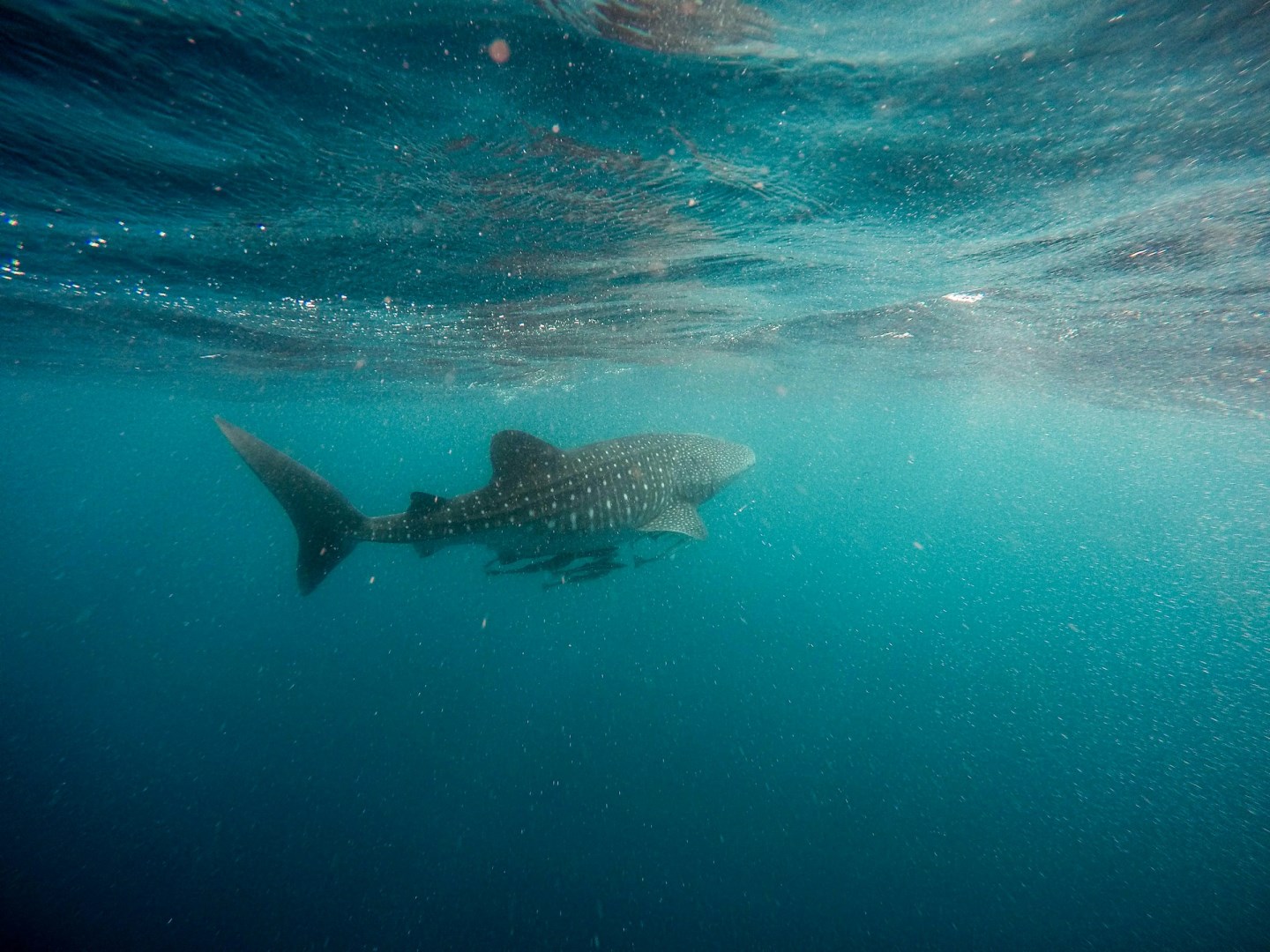
Exmouth
Exmouth is a great base from which to join one of the many fabulous eco-tourism tours around the area. Exmouth is situated on the northern tip of the North West Cape which offers a number of nearby attractions. There is also a fantastic swimming beach at Pebbley Beach.
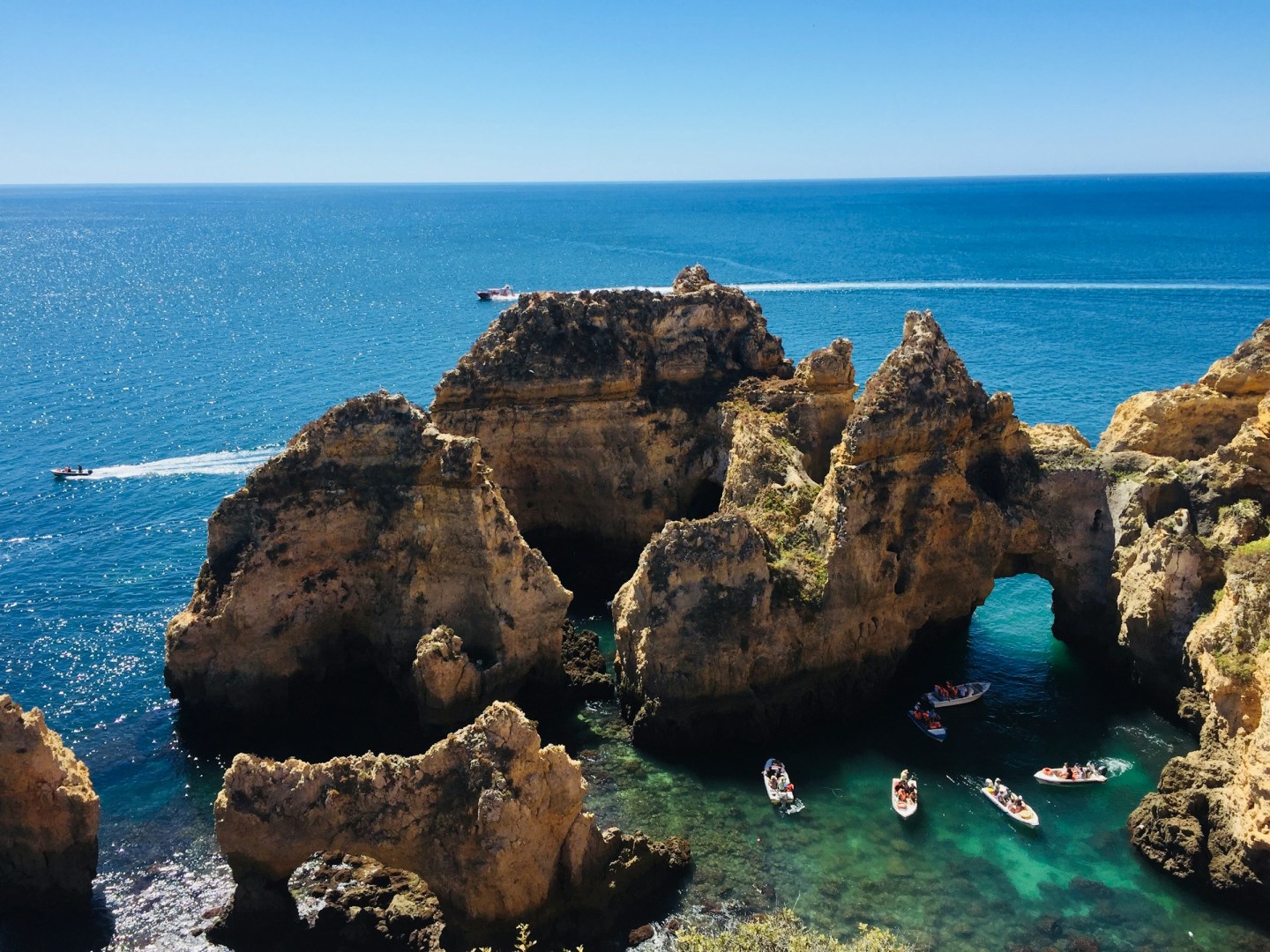
Lagos
Lagos sits on the southern edge of Portugal’s Algarve where a lively old port town meets wide Atlantic skies. Just a short stroll from the heart of town, the coast drops away into a spectacle at Ponta da Piedade, where golden sandstone cliffs rise out of the Atlantic and have been shaped into stacks, natural arches and grottoes over millennia. At the top, the Ponta da Piedade Lighthouse watches over this dramatic shoreline and offers a great backdrop for photos as the sun sets into the ocean.

Mount Kenya
Mount Kenya, the majestic volcanic mountain located in central Kenya, is a natural wonder that captivates visitors with its dramatic landscapes and rich biodiversity. As Africa's second-highest peak, standing at 5,199 meters (17,057 feet), Mount Kenya offers an array of trekking routes that lead adventurers through lush forests, alpine meadows, and glacial valleys.

Cologne
This cultural capital and university city holds more than 2,000 years of history and is the cultural hub of Germany. Marvel at the gorgeous twin-spired Cologne Cathedral, known for its gilded medieval reliquary and sweeping river views, or lose yourself in one of Colonge's many museums for a few hours. Cologne boasts of having most pubs per person in Germany, so make sure you sit down for a refreshing regional Kölsch beer during your travels!
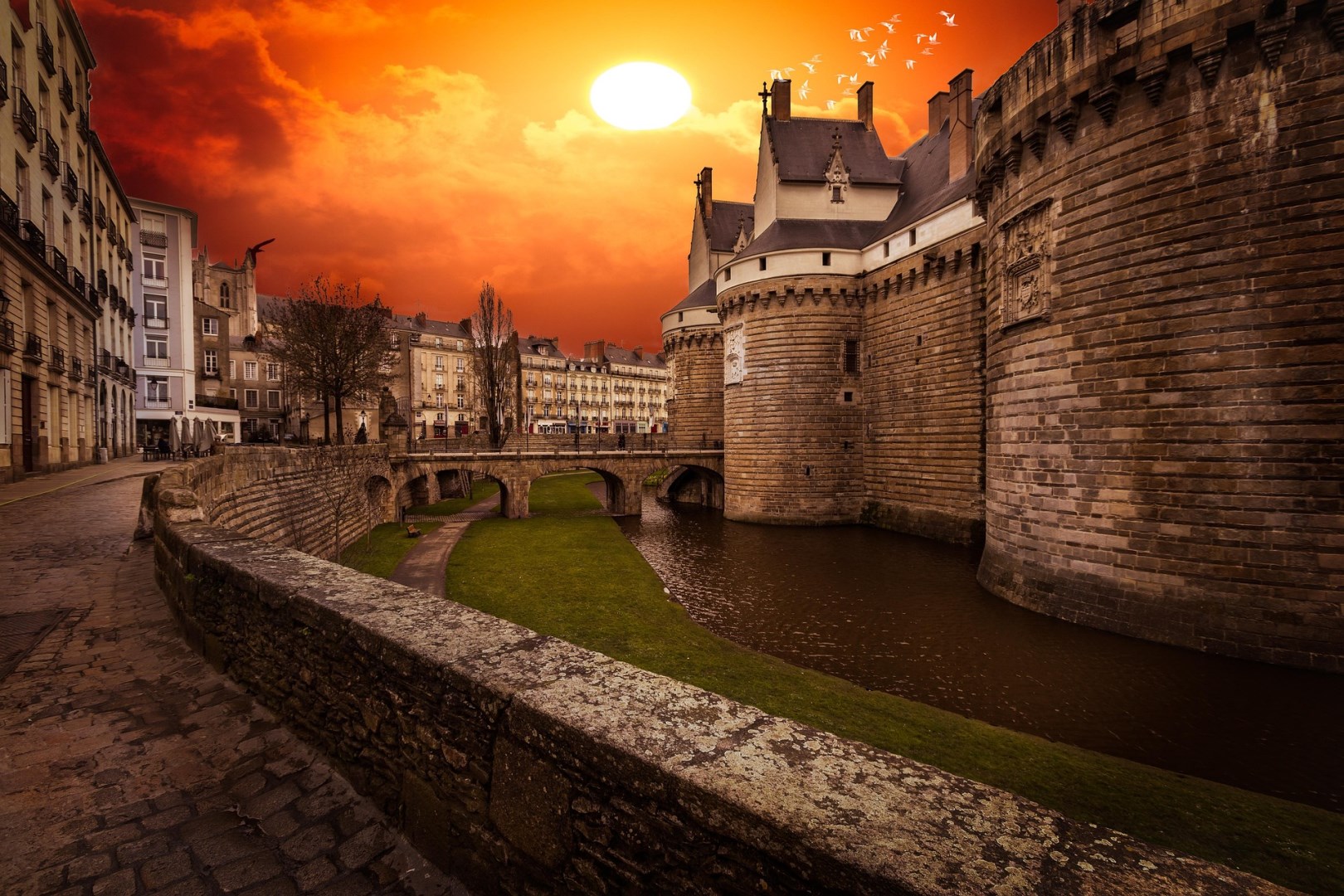
Nantes
Nantes, situated on the banks of the Loire River in western France, is a vibrant city known for its rich history, creative energy, and dynamic cultural scene.
