
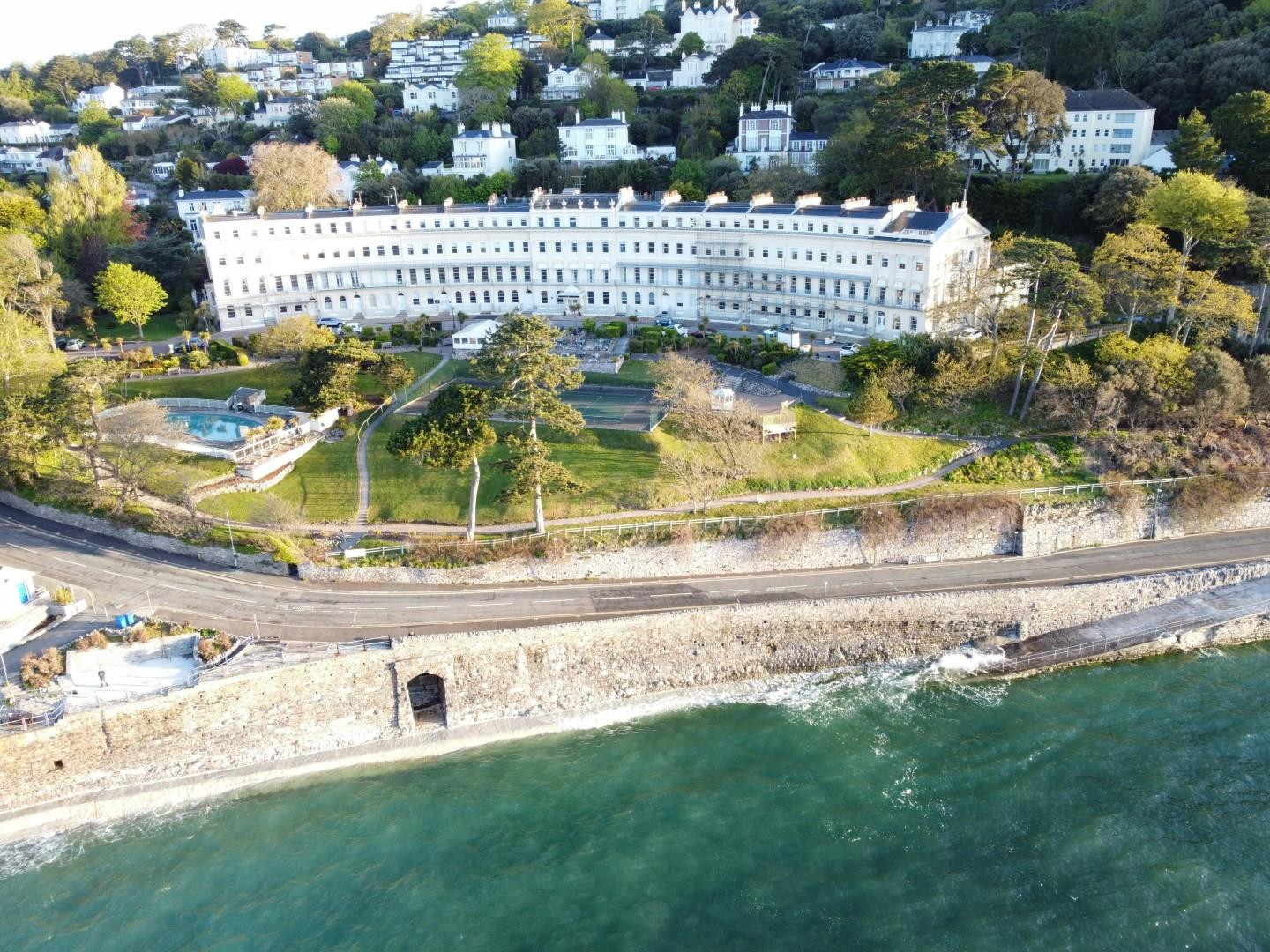
Torquay
Torquay, located on England’s southwest coast in Devon, is often referred to as the gateway to the English Riviera. With origins as a small fishing village, it expanded rapidly in the 19th century as a seaside resort, attracting visitors with its mild climate, sandy beaches, and scenic coastline.
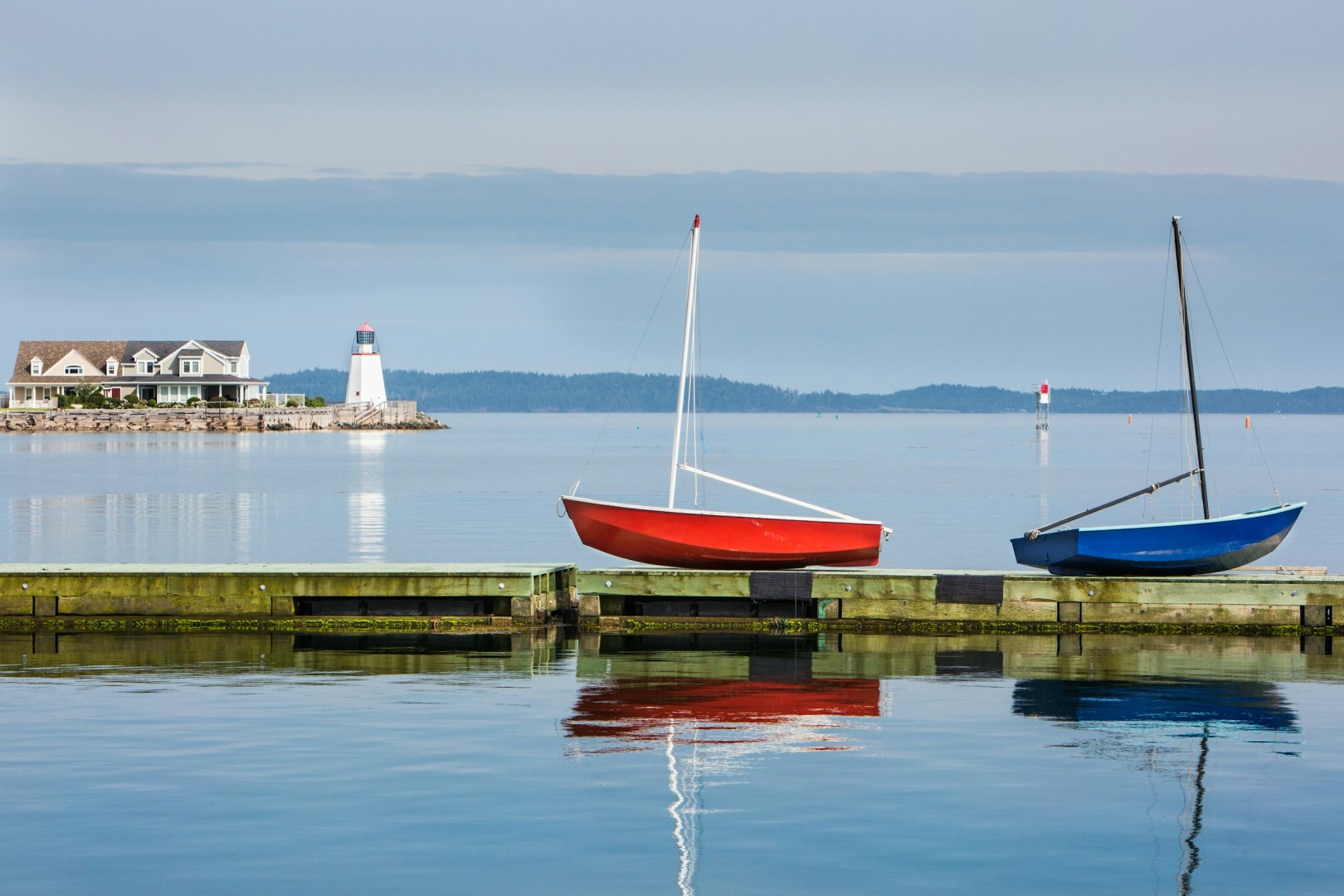
St. Andrews
Surrounded by Passamaquoddy Bay, St. Andrews' relaxed pace can be linked to the rhythm of powerful tides that can rise over 28 feet. The intertidal zone is an ever-changing landscape that nourishes a rich diversity of marine creatures. A guided walk over the tidal flats will prepare you to explore the area's many coves and islands.
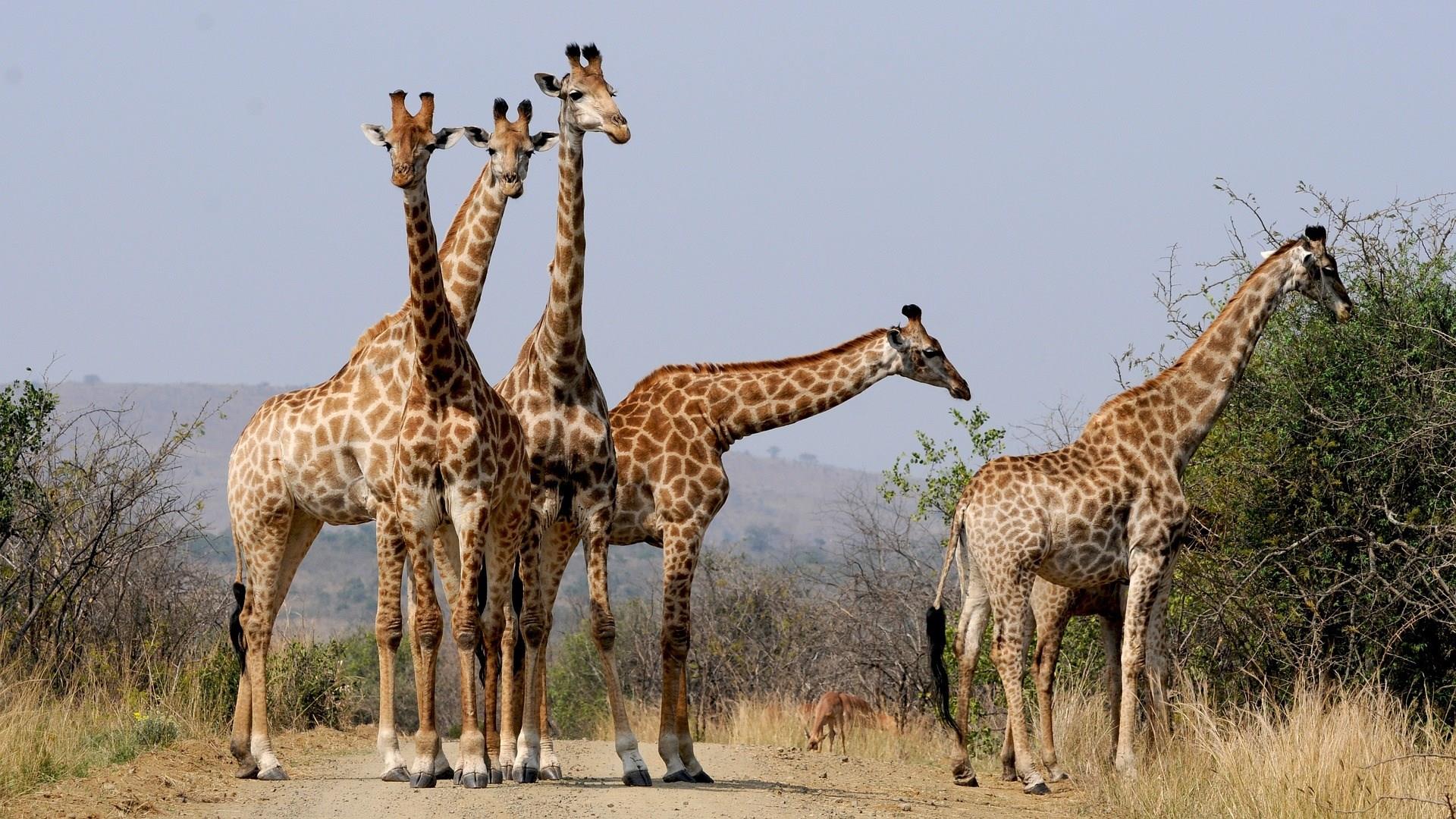
Hluhluwe
Nestled in the heart of KwaZulu-Natal, South Africa, Hluhluwe is a gateway to one of the country’s most remarkable conservation areas, the Hluhluwe-iMfolozi Park. This park, renowned for its successful rhino conservation efforts, offers visitors an unparalleled wildlife experience. As the oldest proclaimed reserve in Africa, Hluhluwe-iMfolozi Park is a haven for both the critically endangered white rhino and the more elusive black rhino.
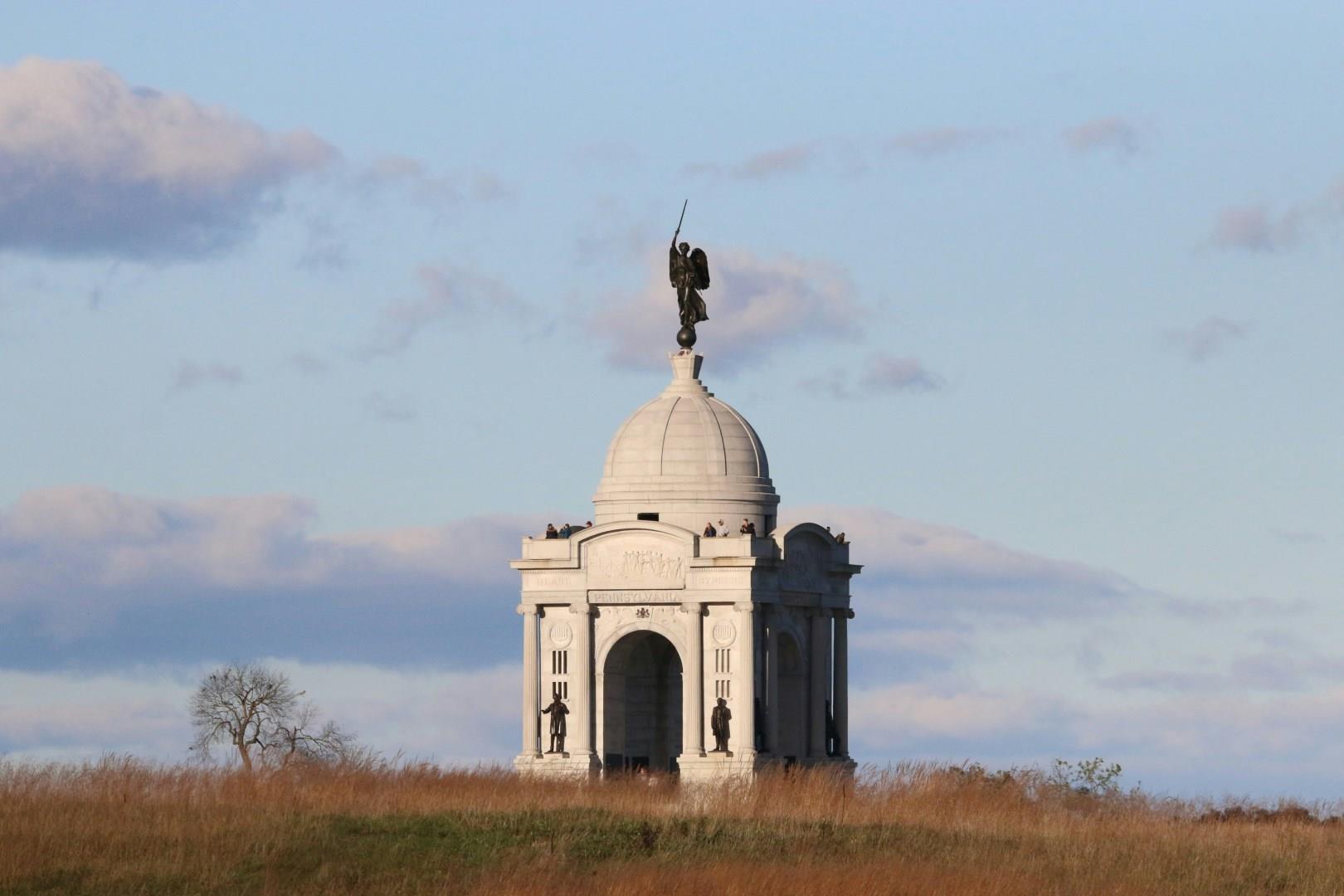
Gettysburg
Gettysburg, Pennsylvania is best known as the site of the most significant battle of the American Civil War, fought over three days in July 1863. Today, visitors can explore the 6,000-acre Gettysburg National Military Park, which preserves the battlefield in remarkable detail. Over 1,300 monuments, cannons, and markers dot the landscape, each telling a piece of the story. One of the most visited spots is Little Round Top, where Union forces held their ground in a pivotal moment of the battle.
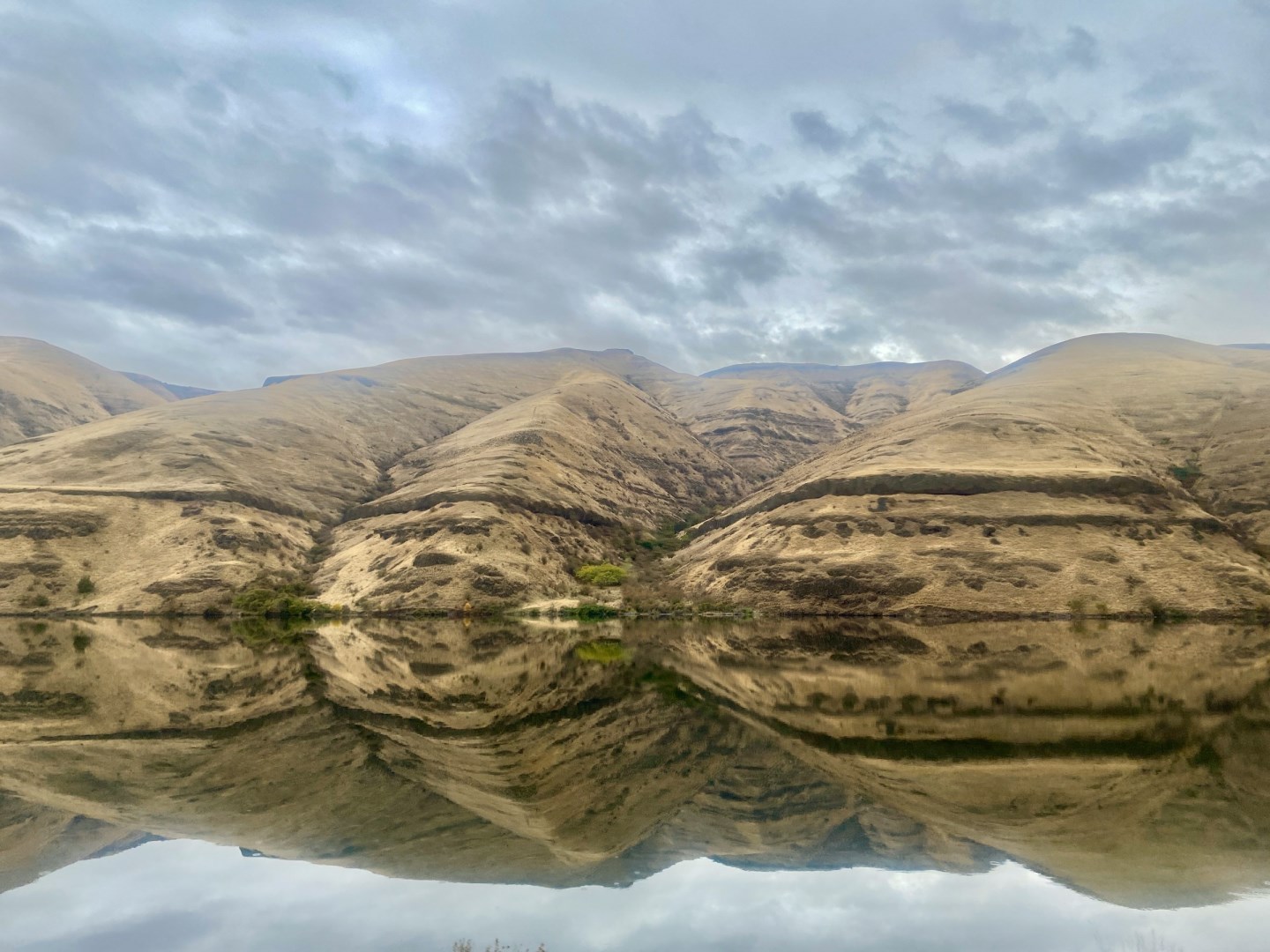
Clarkston
Lewiston and Clarkston are located at the confluence of the Snake and Clearwater Rivers at an elevation of 738 feet above sea level. The valley is rather narrow with a range of hills to the North sloping abruptly to about 2,000 feet above the valley floor.
