

Las Vegas
Las Vegas, Nevada, is an electrifying city where glitz and glamour meet entertainment and excitement. Known as "The Entertainment Capital of the World," Las Vegas offers an unparalleled array of attractions, from its iconic casinos and luxurious hotels to its world-class dining and live shows. The city's entertainment scene is second to none, featuring legendary headliners, cutting-edge performances, and an array of themed attractions.
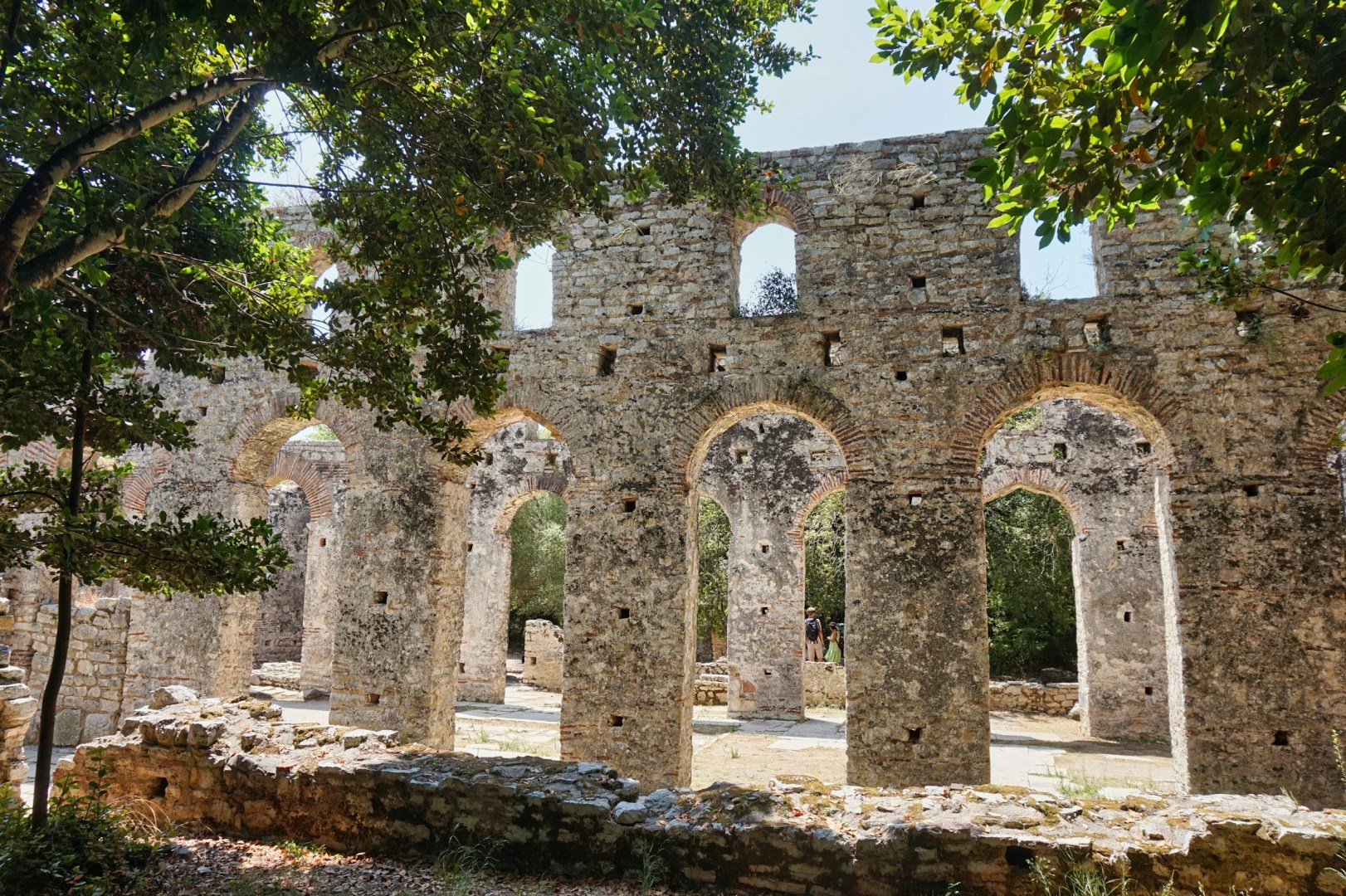
Butrint
According to legend, the ancient Greek city of Butrint was founded by the Trojans. It was later occupied by the Romans, Greeks, and the Byzantine Empire
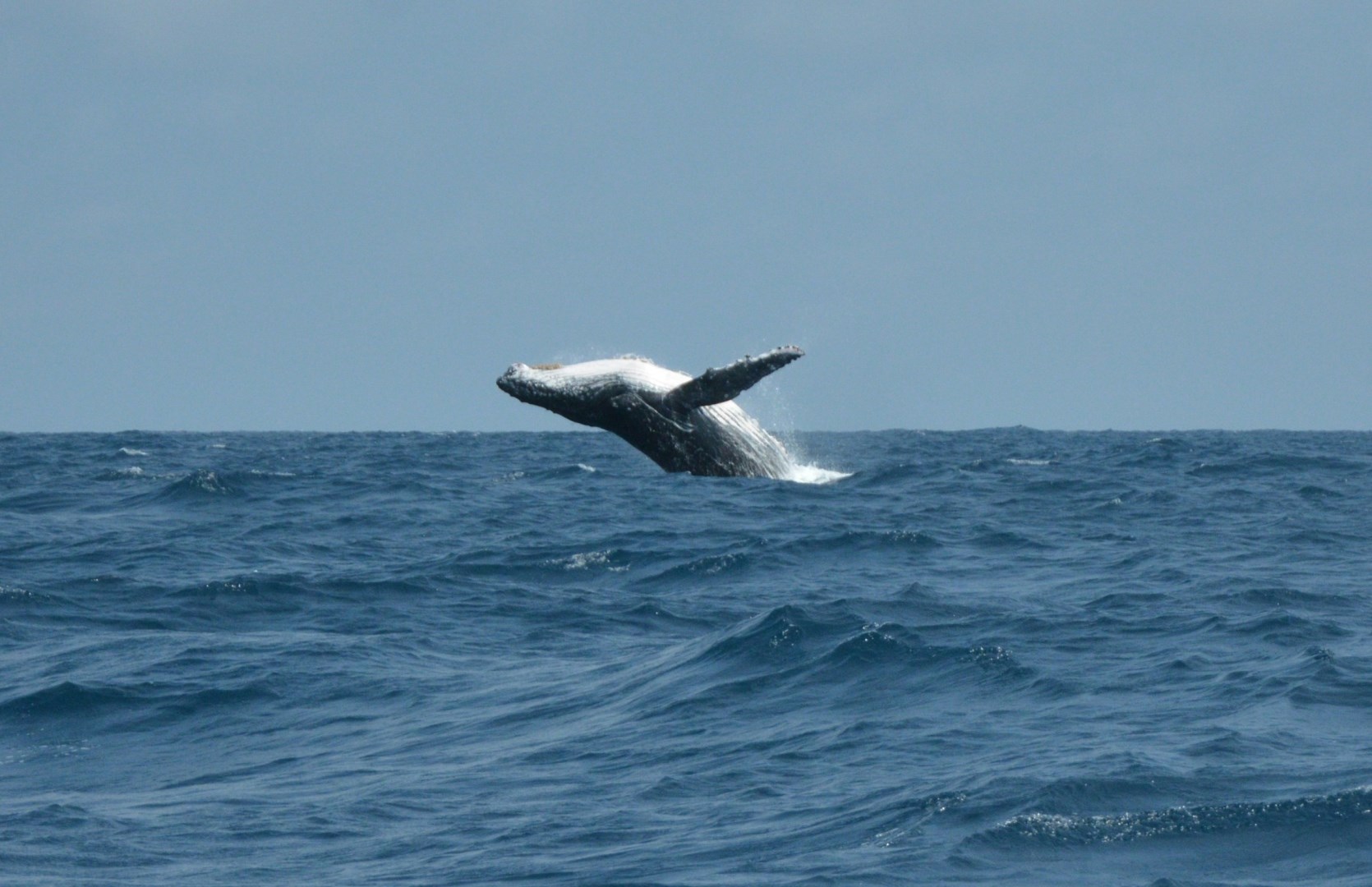
Pointe Denis
Pointe Denis is a small coastal settlement and beach area on the Pointe Denis peninsula in Gabon, across the Komo Estuary from Libreville.

San Gimignano
San Gimignano, a stunning medieval hilltop town in Tuscany, Italy, is often called the "Medieval Manhattan" due to its remarkable skyline of ancient towers. Encircled by 13th-century walls, the town is a UNESCO World Heritage site that offers a mesmerizing journey back in time. As you stroll along the cobbled streets of the historic center, you'll be enchanted by the preserved Romanesque and Gothic architecture, from charming piazzas to grand churches.
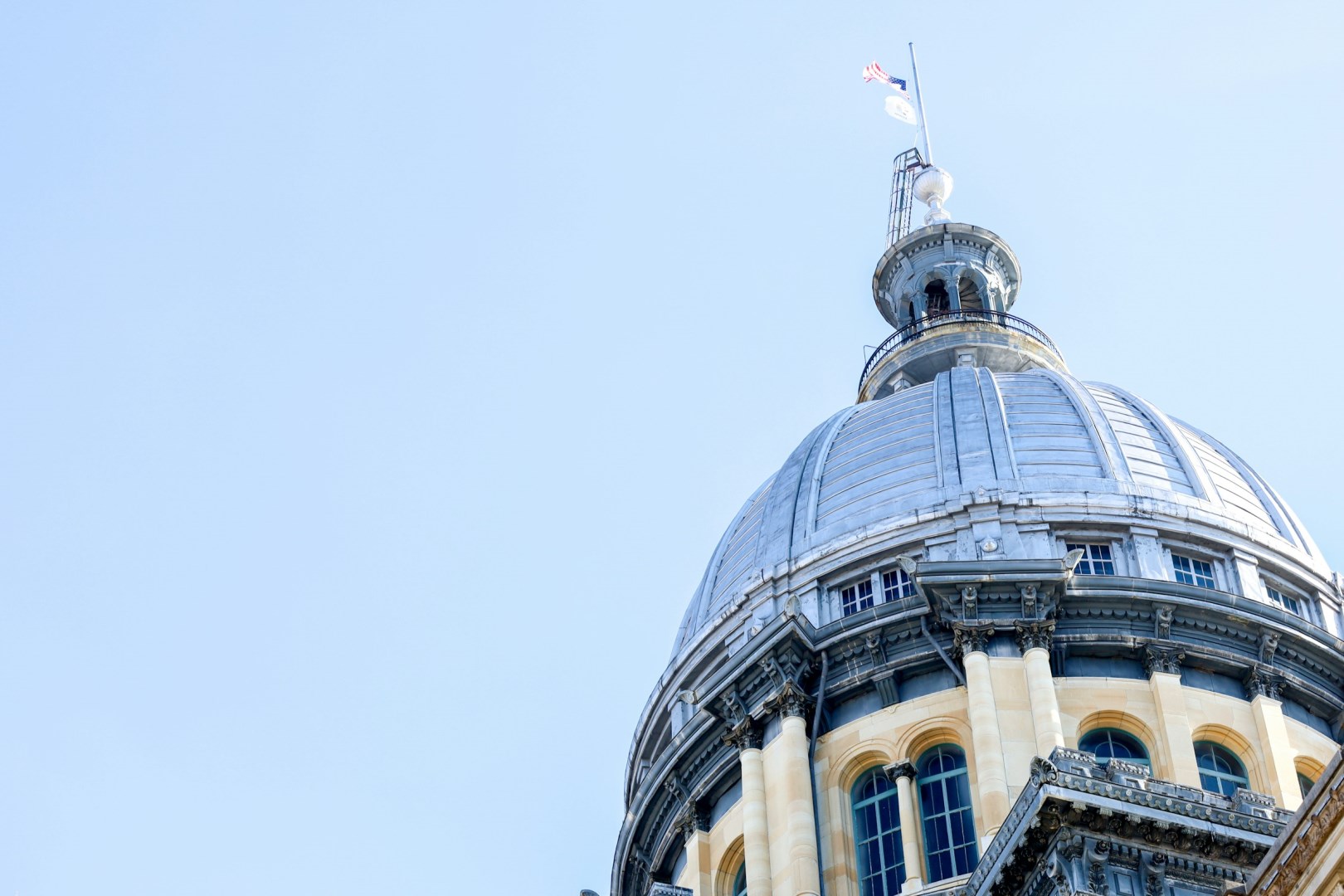
Springfield
Springfield is the capital of Illinois and a city closely associated with Abraham Lincoln, whose home, law practice, and political career were based there before he became president. Located in the central part of the state, Springfield sits amid the prairie landscape of the Sangamon River Valley.
