
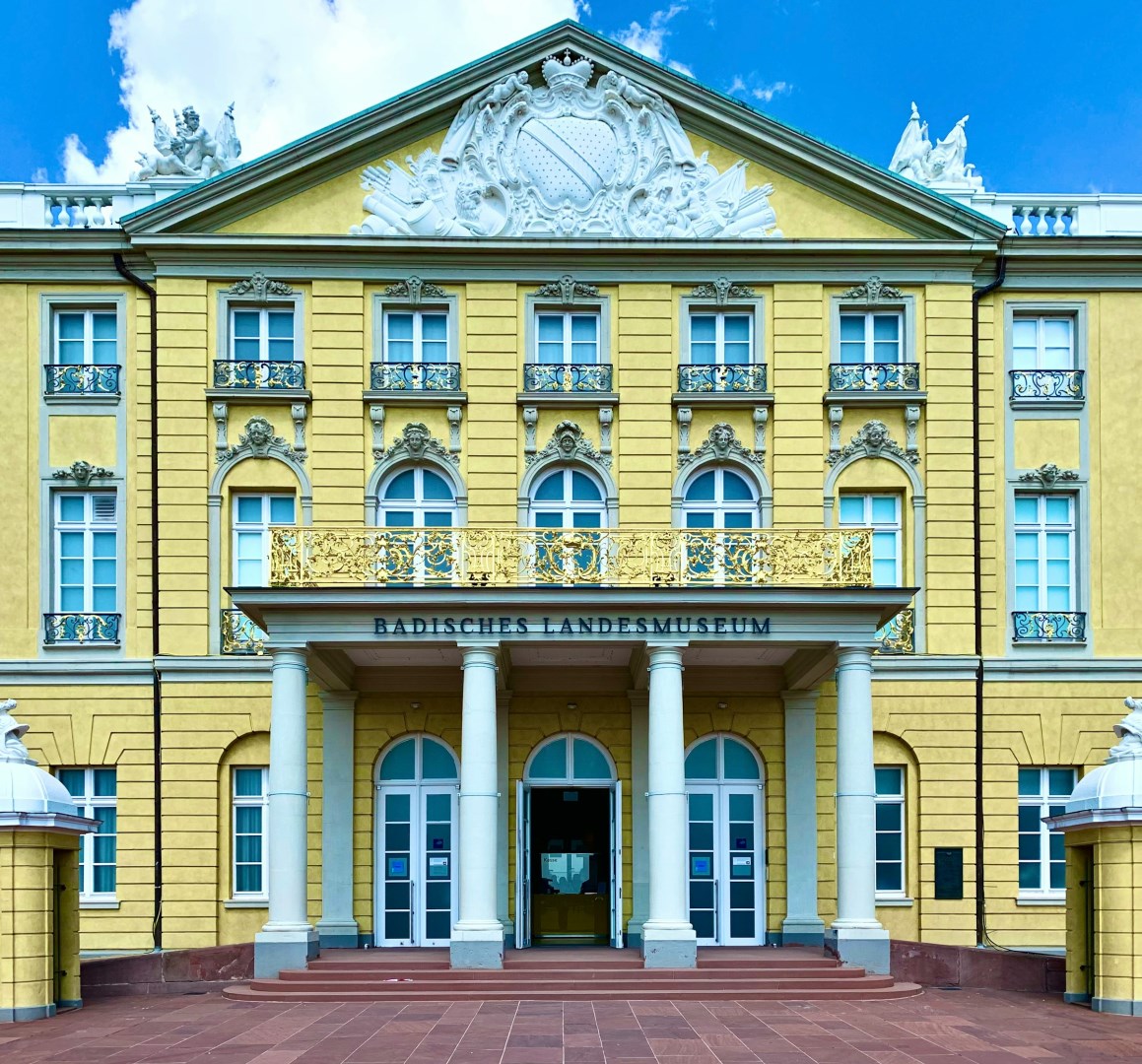
Karlsruhe
Karlsruhe, located in southwestern Germany near the French border, is a city known for its unique radial layout, rich cultural life, and role as a hub for law and technology. Founded in 1715, the city was planned around the iconic Karlsruhe Palace, with streets radiating outward like the spokes of a wheel.
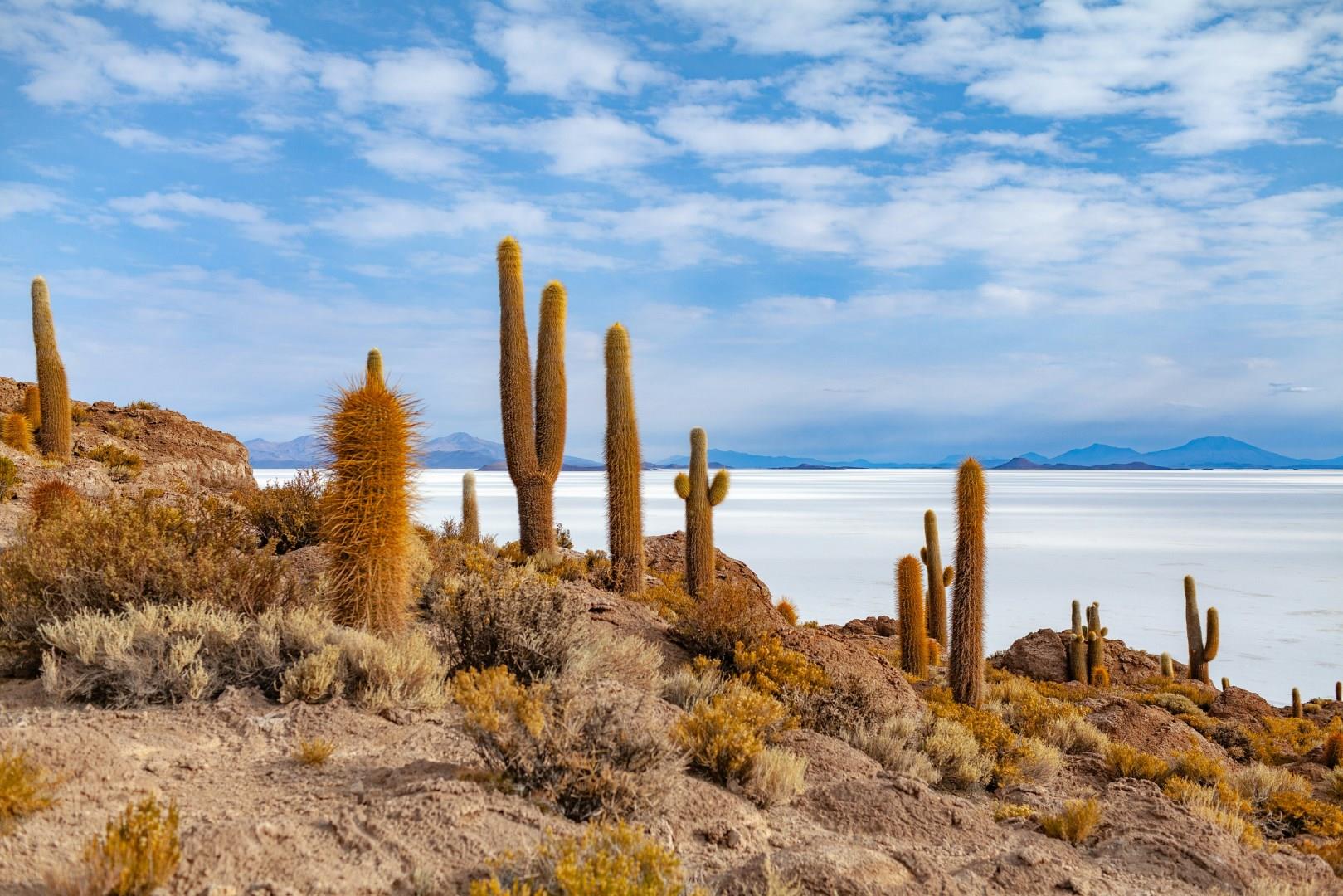
Uyuni
Uyuni, in southwestern Bolivia, is best known as the gateway to the world’s largest salt flat, Salar de Uyuni. Once a humble railway town, Uyuni has grown into a base for travelers drawn to this surreal landscape, where an ancient dried-up lake has left behind a vast expanse of glistening salt crust.
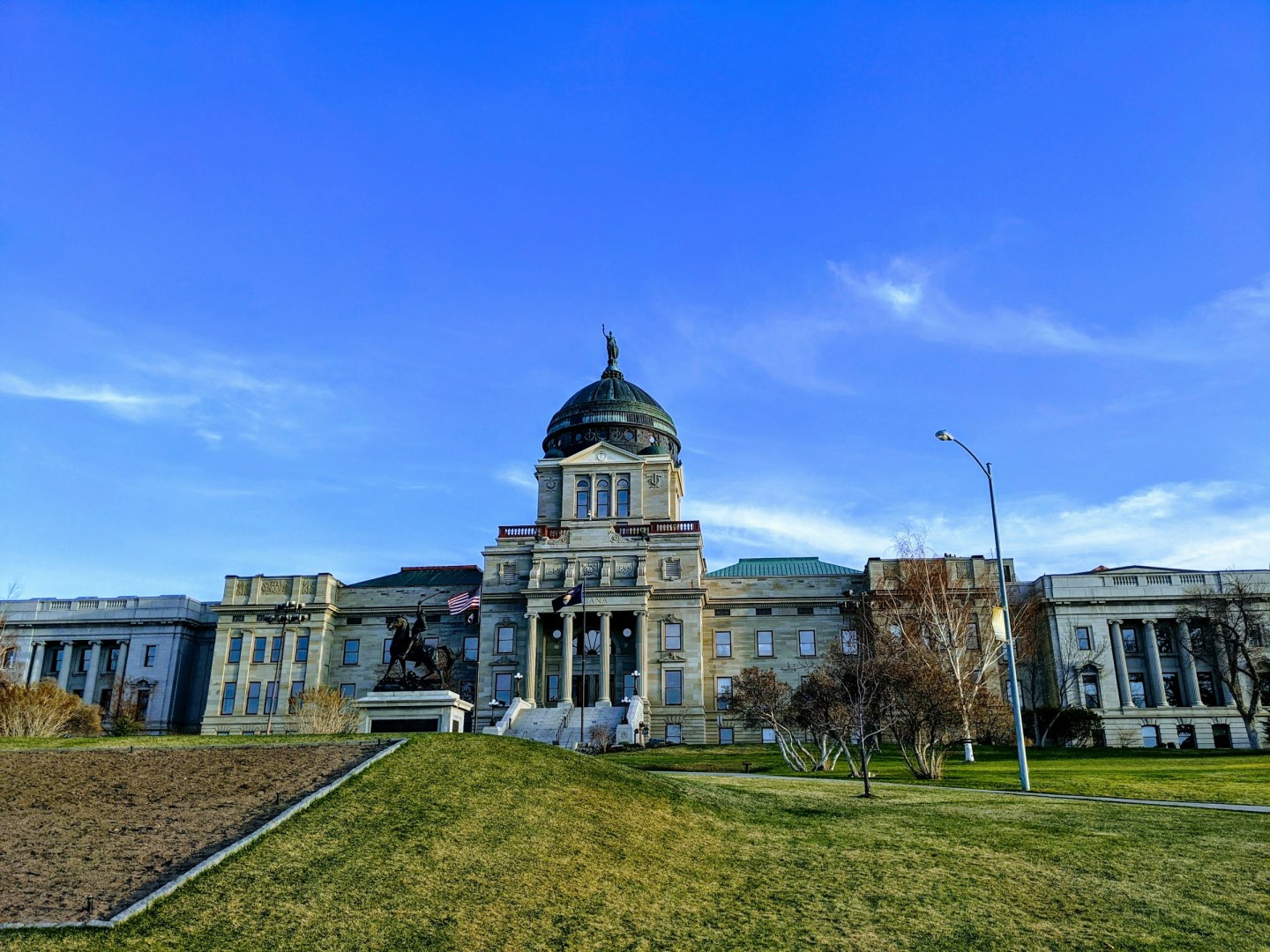
Helena
Helena is the capital of Montana, set among mountains, forests, and open valleys in the western part of the state. Its identity is closely tied to the gold mining that shaped the early settlement, while the modern city combines historic architecture with an active arts community and extensive outdoor recreation.
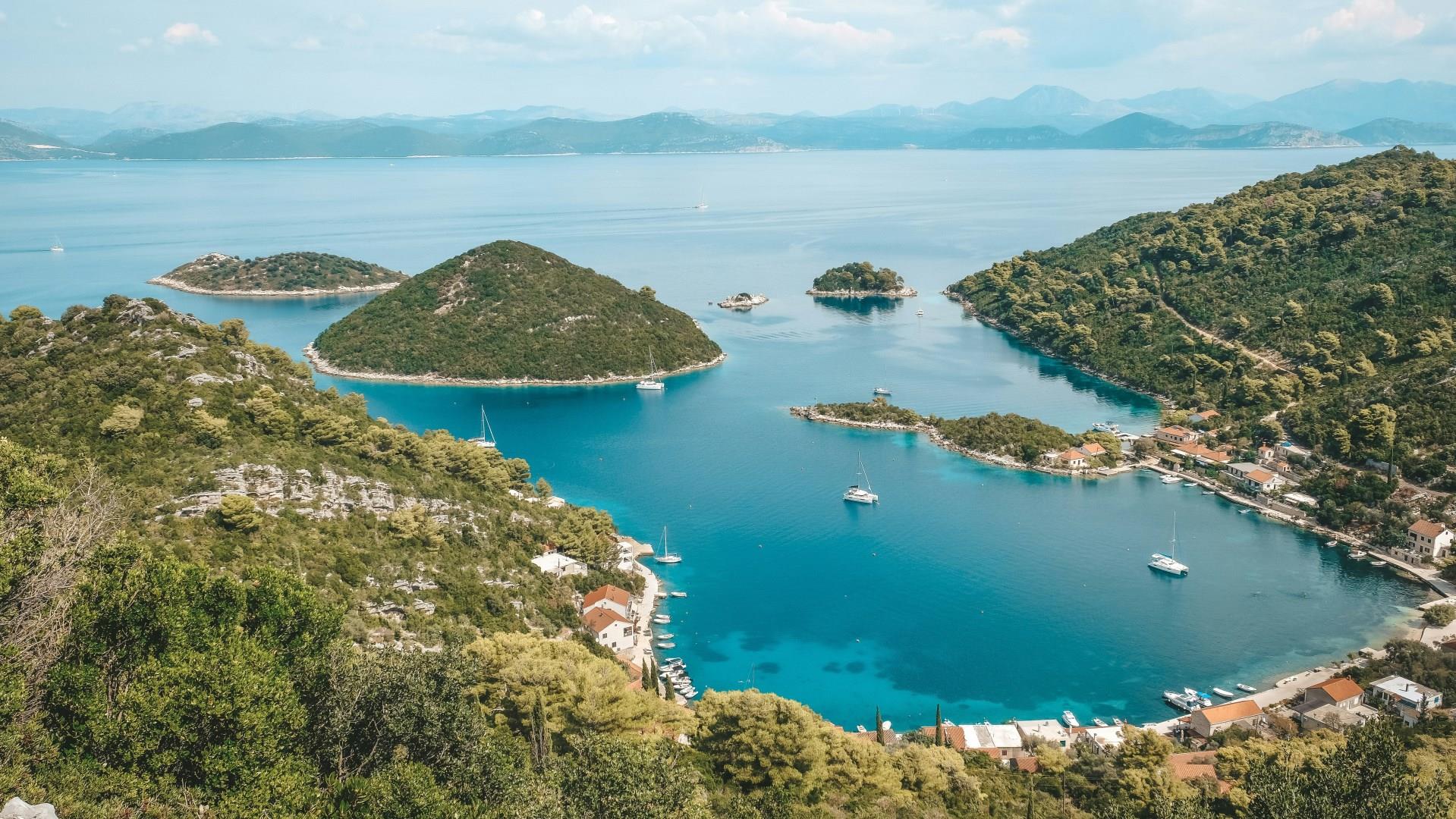
Mljet National Park
Mljet National Park sits on the western side of Mljet Island in Croatia’s Adriatic Sea, a place where saltwater lakes meet ancient forest pathways. The park stretches across nearly one-third of the island, with Veliko Jezero (Great Lake) and Malo Jezero (Small Lake) as their most striking features. These two saltwater lakes are connected by a narrow channel to the open sea, creating calm blue waters that draw visitors for swims, casual kayak outings, or peaceful cycles around the shaded paths.
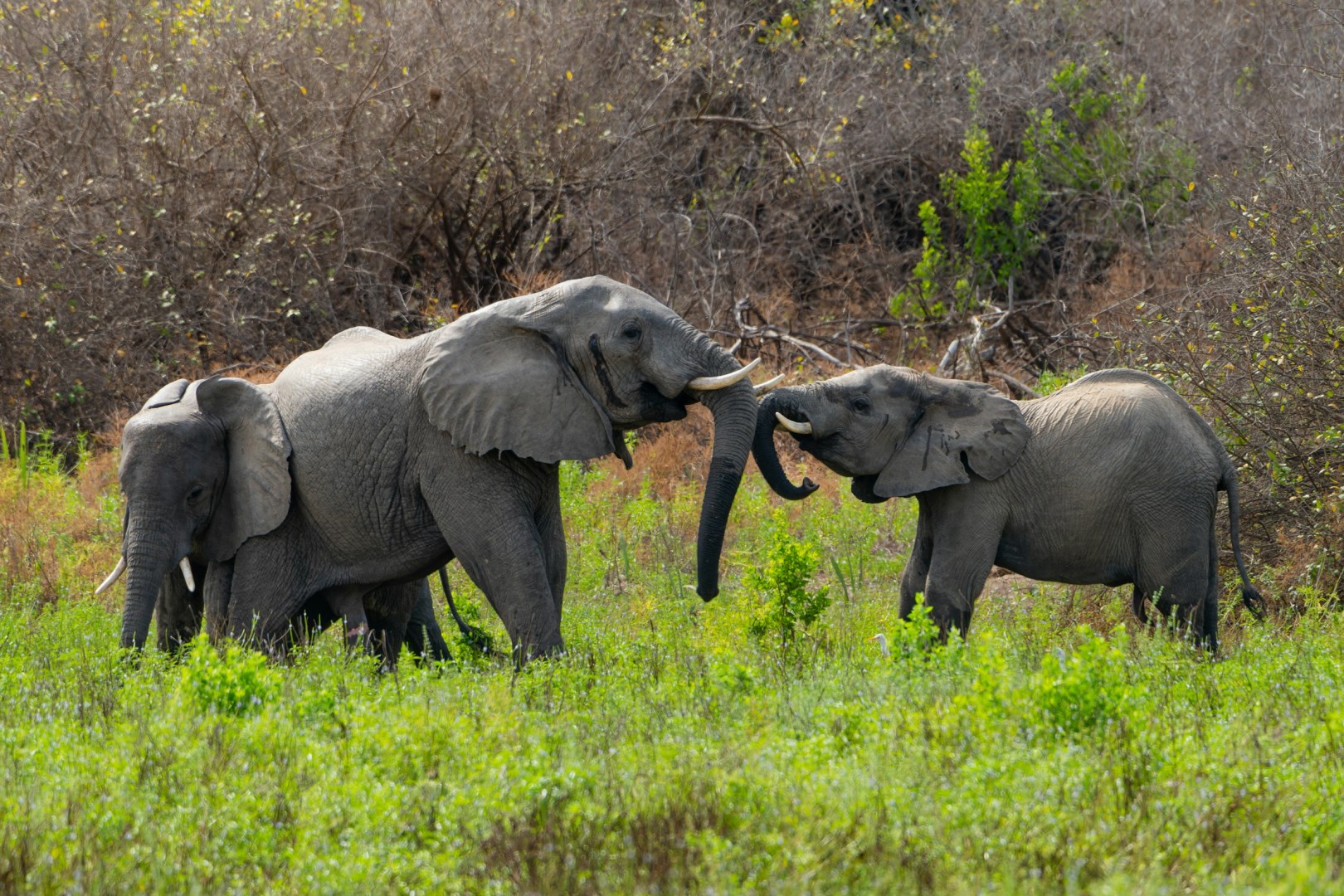
Nyerere National Park
Nyerere National Park is a vast protected area in southern Tanzania, centered on the Rufiji River and the surrounding miombo woodlands, floodplains, grasslands, and wetlands. It forms part of the wider Selous ecosystem and is one of Tanzania’s largest national parks, covering more than 30,000 square kilometres.
