

Dominica
Dominica, known as the “Nature Island of the Caribbean,” is a haven for eco-tourists and adventure seekers. Nestled between the French islands of Guadeloupe and Martinique, this lush island boasts a remarkable landscape of volcanic mountains, dense rainforests, and stunning waterfalls. Dominica’s most iconic natural wonder is the Boiling Lake, the second-largest hot spring in the world.

Ahuachapán
Ahuachapán is a city in western El Salvador and the capital of the department of the same name. It sits near the foothills of the Apaneca-Ilamatepec mountain range, an area known for highland coffee farms, volcanic landscapes, and the route connecting several towns along the Ruta de las Flores. The city itself has a historic center with traditional architecture, plazas, churches, and pedestrian areas.
Zacatecas
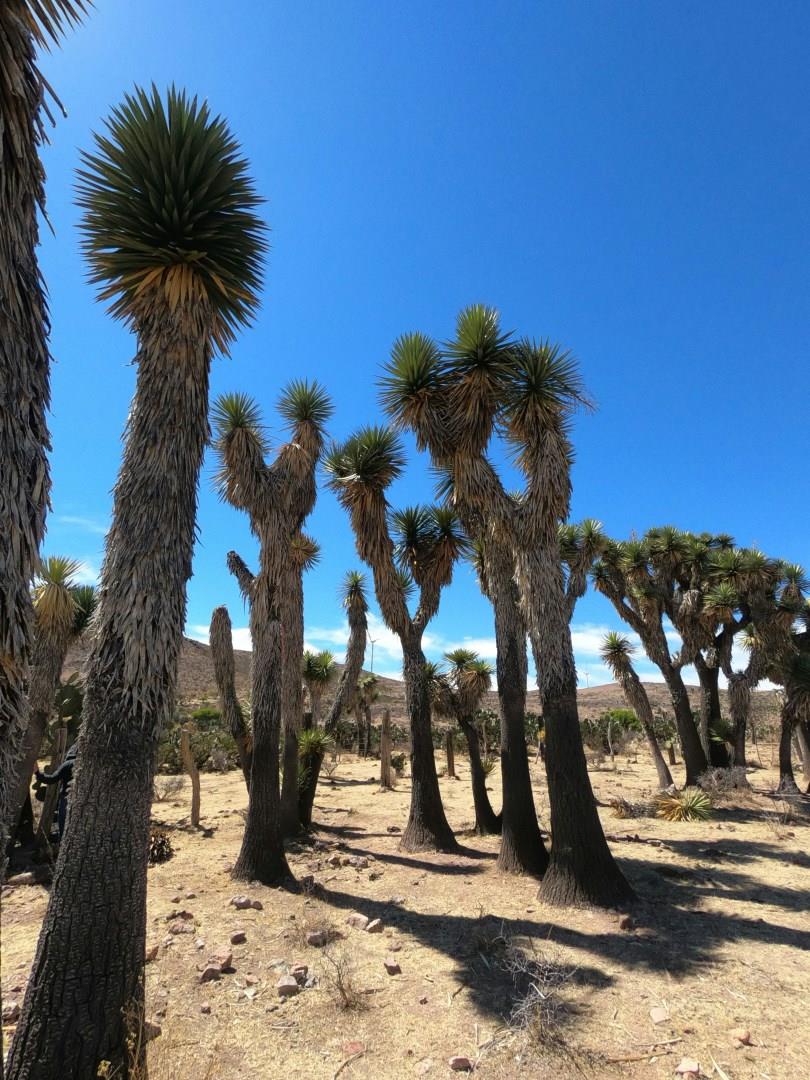
Zacatecas, built into the slopes of a narrow ravine in north-central Mexico, is a city with a deep mining past and a striking skyline. The historic center, a UNESCO World Heritage Site, is known for its pink cantera stone buildings, narrow alleys, and impressive baroque facades. The Cathedral Basilica of Zacatecas, completed in 1752, stands as one of the most detailed examples of Mexican baroque architecture, with hundreds of carved figures covering its sandstone exterior.
Aegina
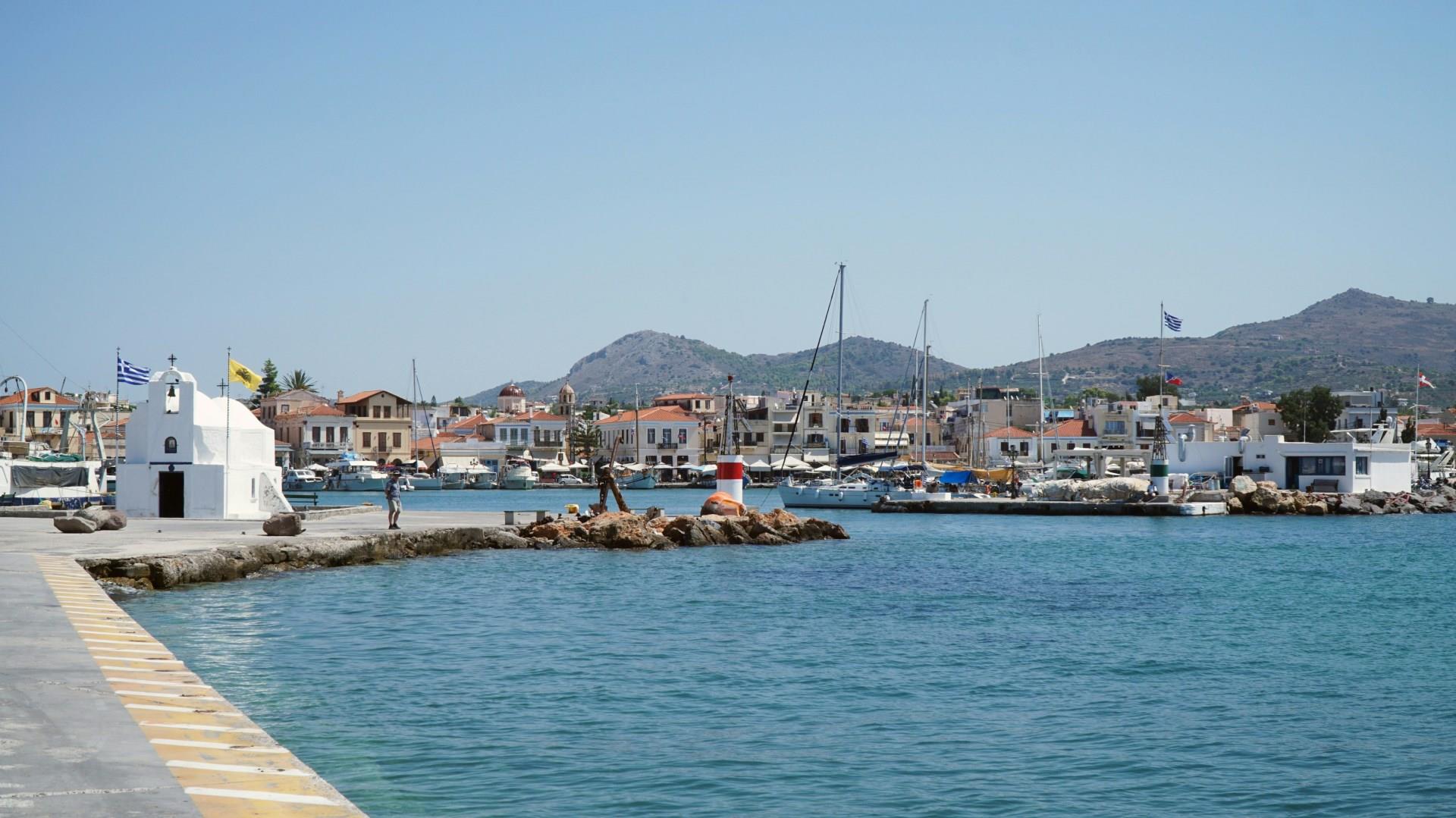
Aegina, one of the Saronic Islands of Greece, is a short ferry ride from Athens yet feels far removed from the capital’s energy. Known since antiquity as a thriving maritime and cultural center, the island still preserves echoes of its past in archaeological sites and traditional villages.

Val Gardena
Val Gardena, nestled in the heart of the Italian Dolomites, is a paradise for outdoor enthusiasts and a hidden gem for travelers seeking alpine beauty. This stunning valley is part of the UNESCO World Heritage-listed Dolomites, renowned for its dramatic mountain landscapes, lush meadows, and charming villages. Whether you're visiting in the summer for hiking and mountain biking or in the winter for world-class skiing, Val Gardena offers year-round adventure paired with breathtaking scenery.
