
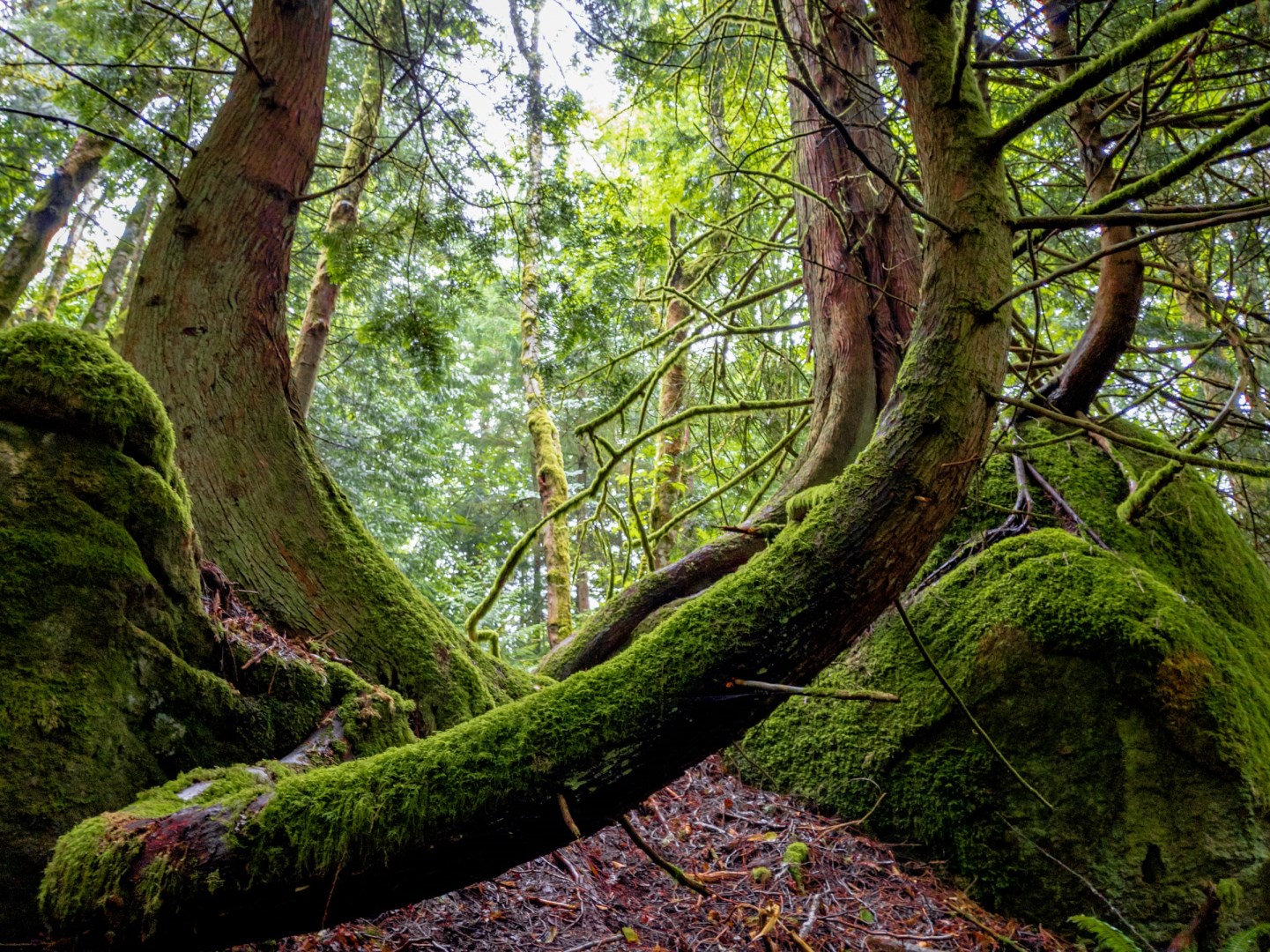
Bellingham
Located in northern Washington State, near the Canadian Border, Bellingham is the southern port for the Alaska Marine Highway System. Area attractions inlcude the San Juan Islands, winter skiing and the popular resort of Semi-Ah-Moo.

Queen Elizabeth National Park
Queen Elizabeth National Park, in western Uganda, is one of East Africa’s most diverse and scenic protected areas. Stretching from the Rwenzori Mountains to the shores of Lake Edward, the park encompasses savannah, wetlands, and dense forests, making it a sanctuary for an incredible array of wildlife.

Civitavecchia
This pleasant port town provides a nice, calmer contrast to bustling Rome, so travelers are advised to not simply pass through, but linger and discover more of Civitavecchia. Explore Forte Michelangelo, shop at Corso Centocelle, see the neoclassical Trajan Theatre, and delve into the therapeutic Taurine Baths of Civitavecchia.
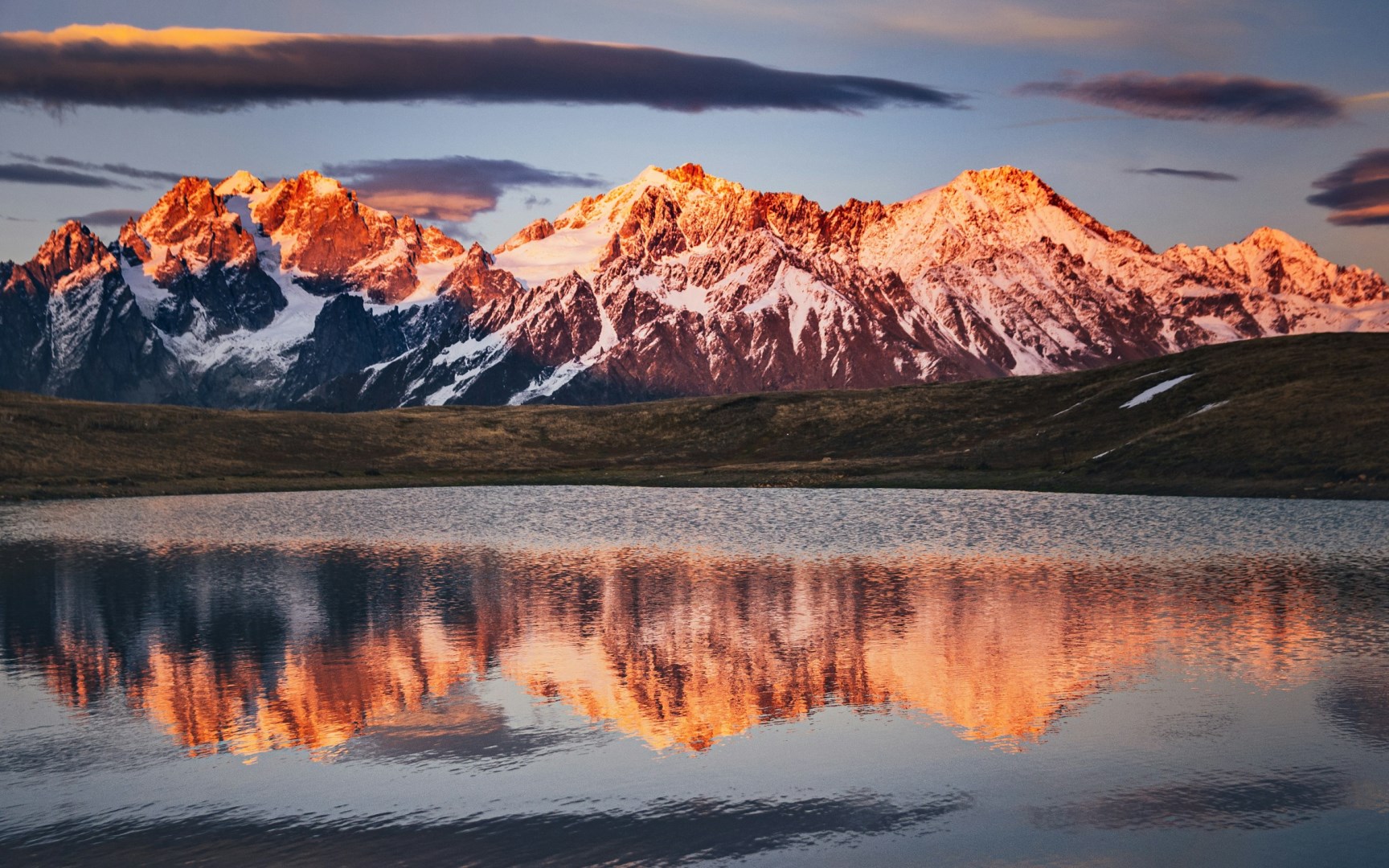
Mestia
Mestia is the main town of Upper Svaneti, a high mountain region in northwestern Georgia surrounded by the peaks of the Greater Caucasus. The town sits in a broad valley at about 1,500 meters above sea level, with snow-covered mountains, forested slopes, and alpine terrain extending in every direction.
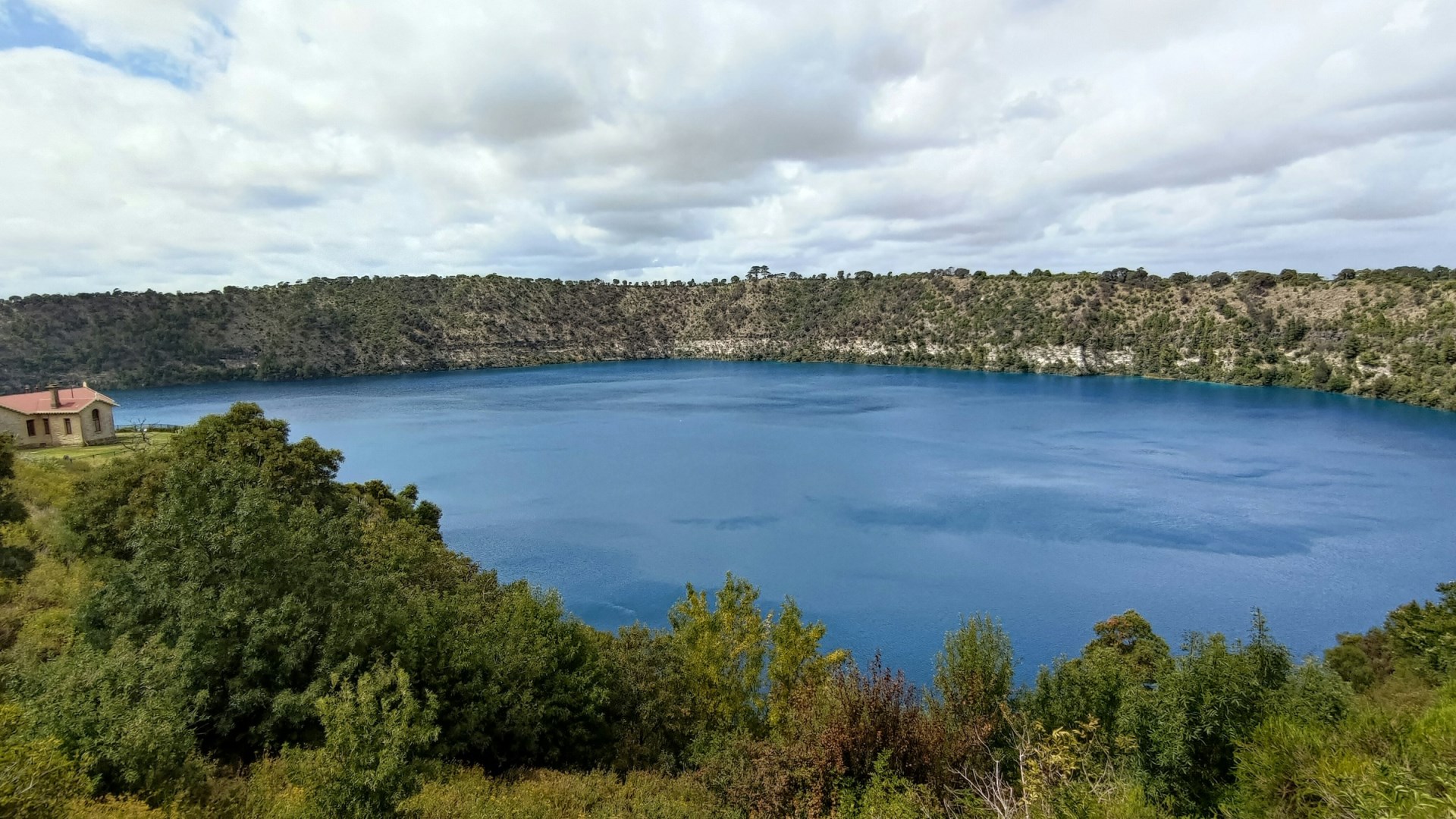
Mount Gambier
Mount Gambier is located midway between Adelaide and Melbourne. The city is built on its slopes, in the center of the largest pine plantation in Australia.
