
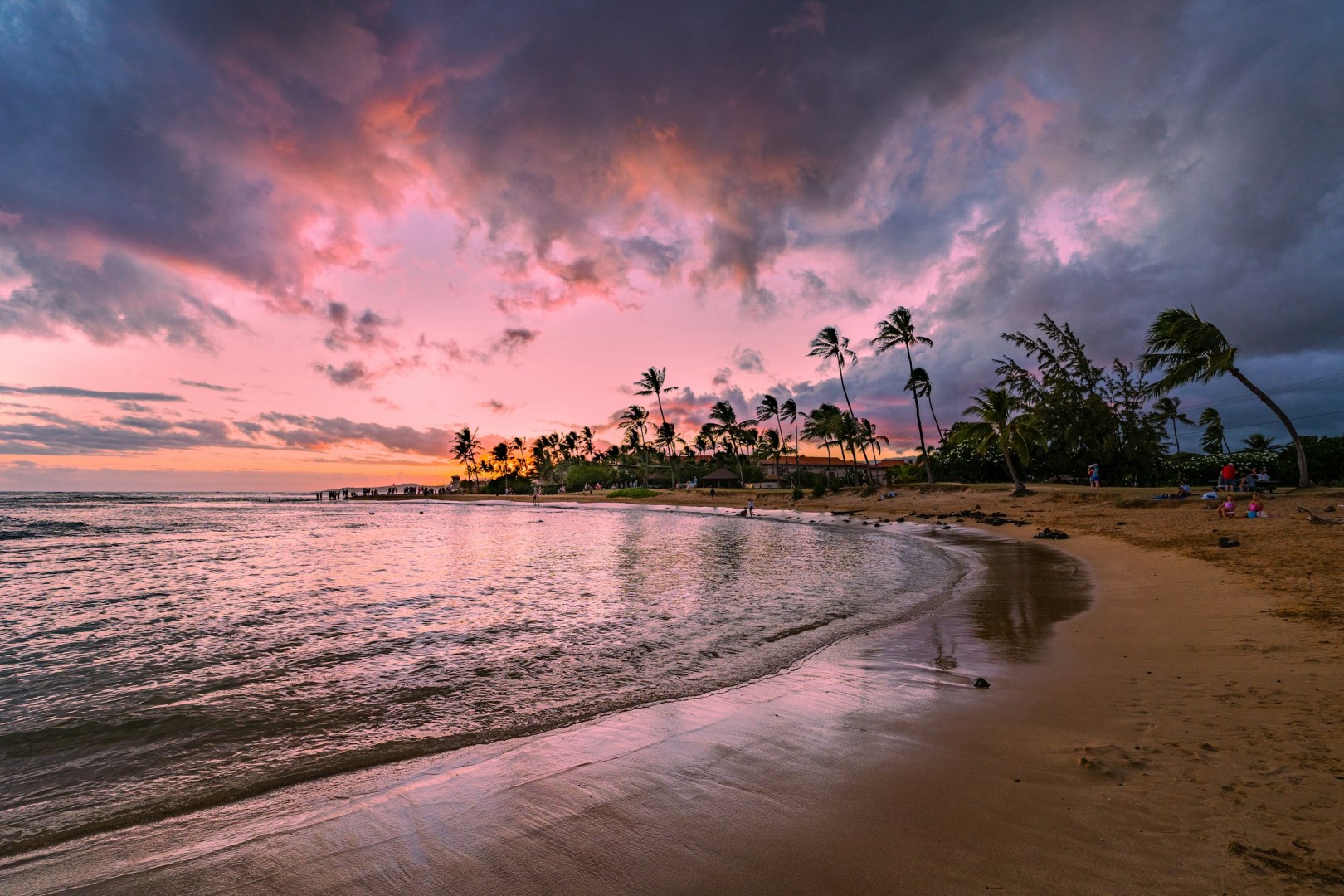
Poʻipū
Poʻipū is a coastal community on the southern shore of Kauaʻi, known for sunny weather, sandy beaches, and access to the island’s sheltered southern coastline. Its landscape includes beaches, lava-rock formations, palm-lined resorts, residential neighborhoods, and open coastal areas. Poʻipū Beach Park is the main public gathering place, with several connected sandy areas and shallow water that can be suitable for swimming when ocean conditions allow.
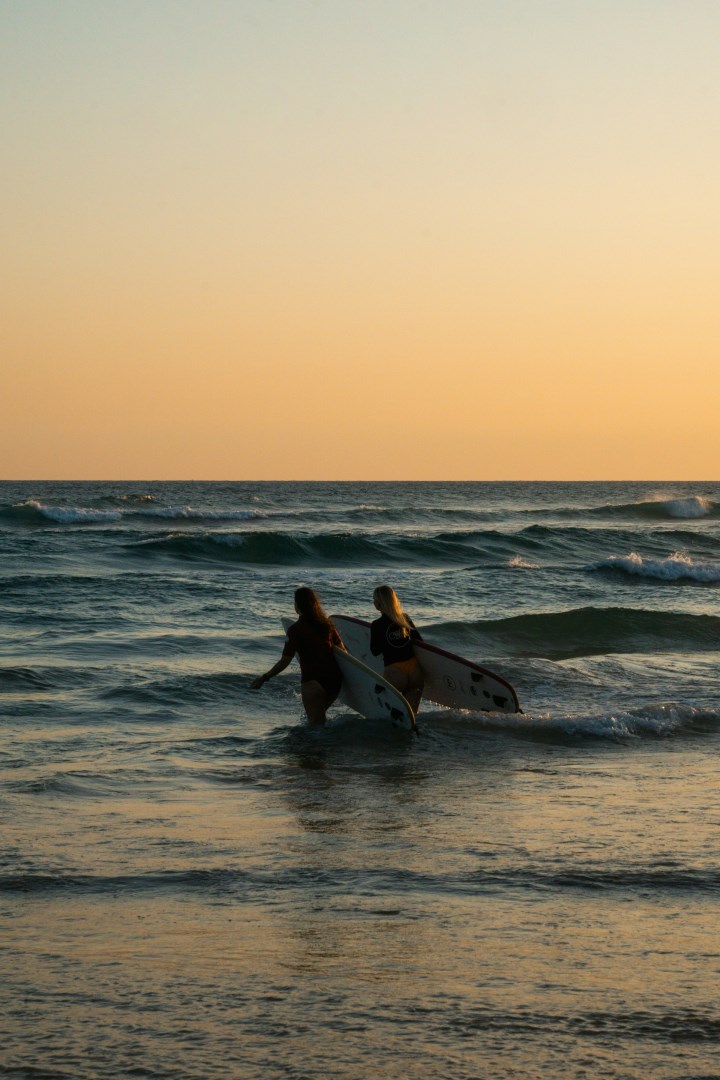
Ahangama
Ahangama is a coastal town in Sri Lanka’s Southern Province, situated between Galle and Weligama along a shoreline of sandy bays, rocky reefs, and coconut palms. The town has traditionally been connected with fishing, while surfing has become an important part of its modern identity. Kabalana Beach is one of the area’s best-known surf locations, with reef breaks attracting experienced surfers as well as surf schools catering to learners.

Ravenna
Ravenna is a destination that captivates visitors with its timeless beauty and rich heritage. Whether marveling at its mosaics, savoring its cuisine, or enjoying the peaceful Adriatic coast, Ravenna promises an unforgettable journey into Italy’s past and present.
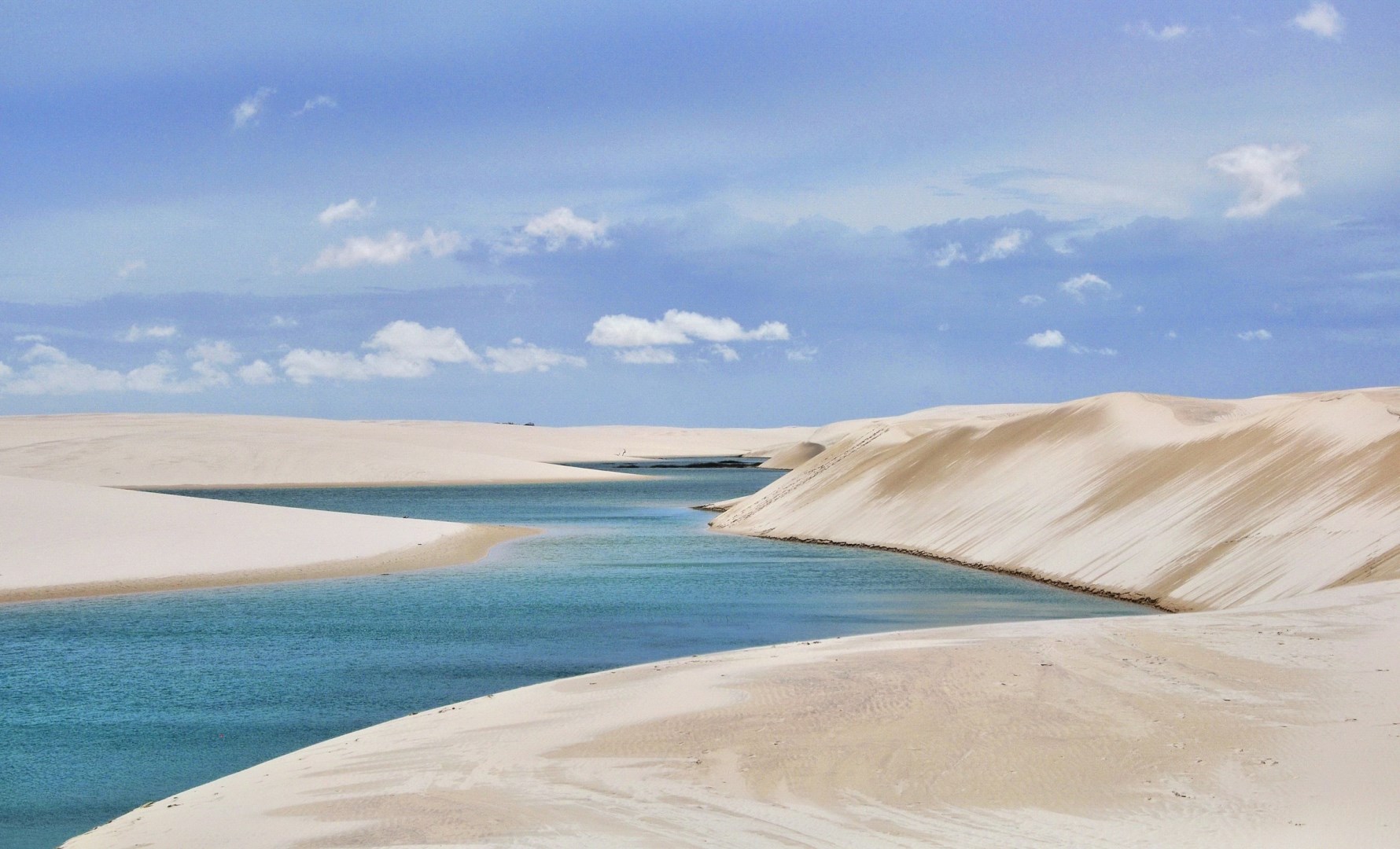
Lençóis Maranhenses National Park
Welcome to Lençóis Maranhenses National Park, one of Brazil's most breathtaking natural wonders! Imagine endless stretches of white dunes with breaks of crystal-clear freshwater lagoons that fill during the rainy season. It's a photographer's dream and a hiker's paradise, where you can explore this surreal landscape by foot or on a thrilling 4x4 adventure.Whether you're seeking adventure or tranquility, this unique destination offers a once-in-a-lifetime experience you won't want to miss!
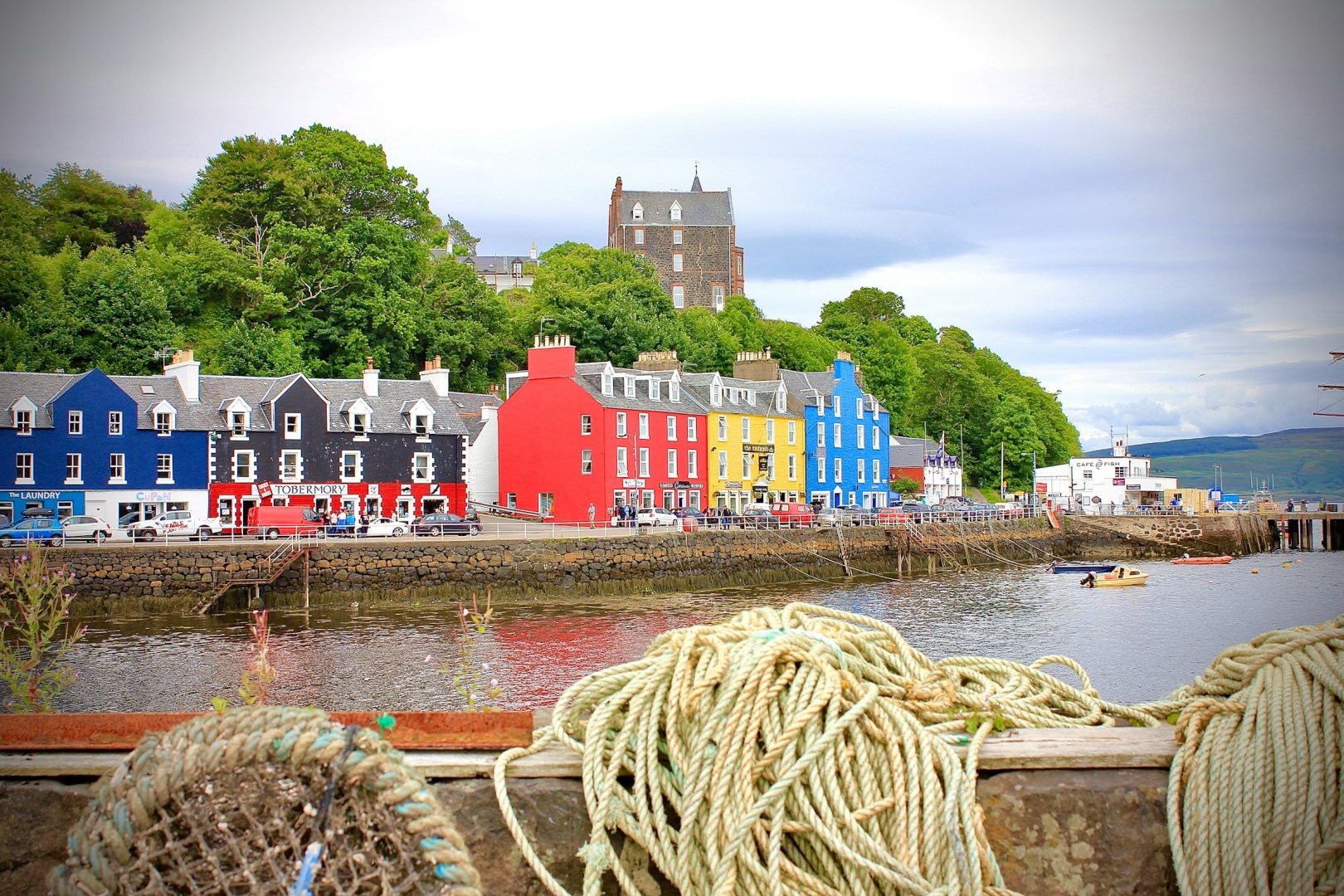
Oban
Oban is located in the northern part of the Scottish Highlands. Renowned for the beauty of the land and the excellent scotch made there, Oban is an indisputable treasure of nature.
