

Blackpool
Blackpool, located on England’s northwest coast, has long been a beloved seaside destination, famed for its vibrant entertainment and historic attractions. The city’s iconic Blackpool Tower, standing at 518 feet, offers panoramic views of the Irish Sea and the surrounding landscape from its SkyWalk glass viewing platform. Built in 1894, the tower houses the famous Blackpool Tower Ballroom, where visitors can step back in time and waltz under its glittering chandeliers.
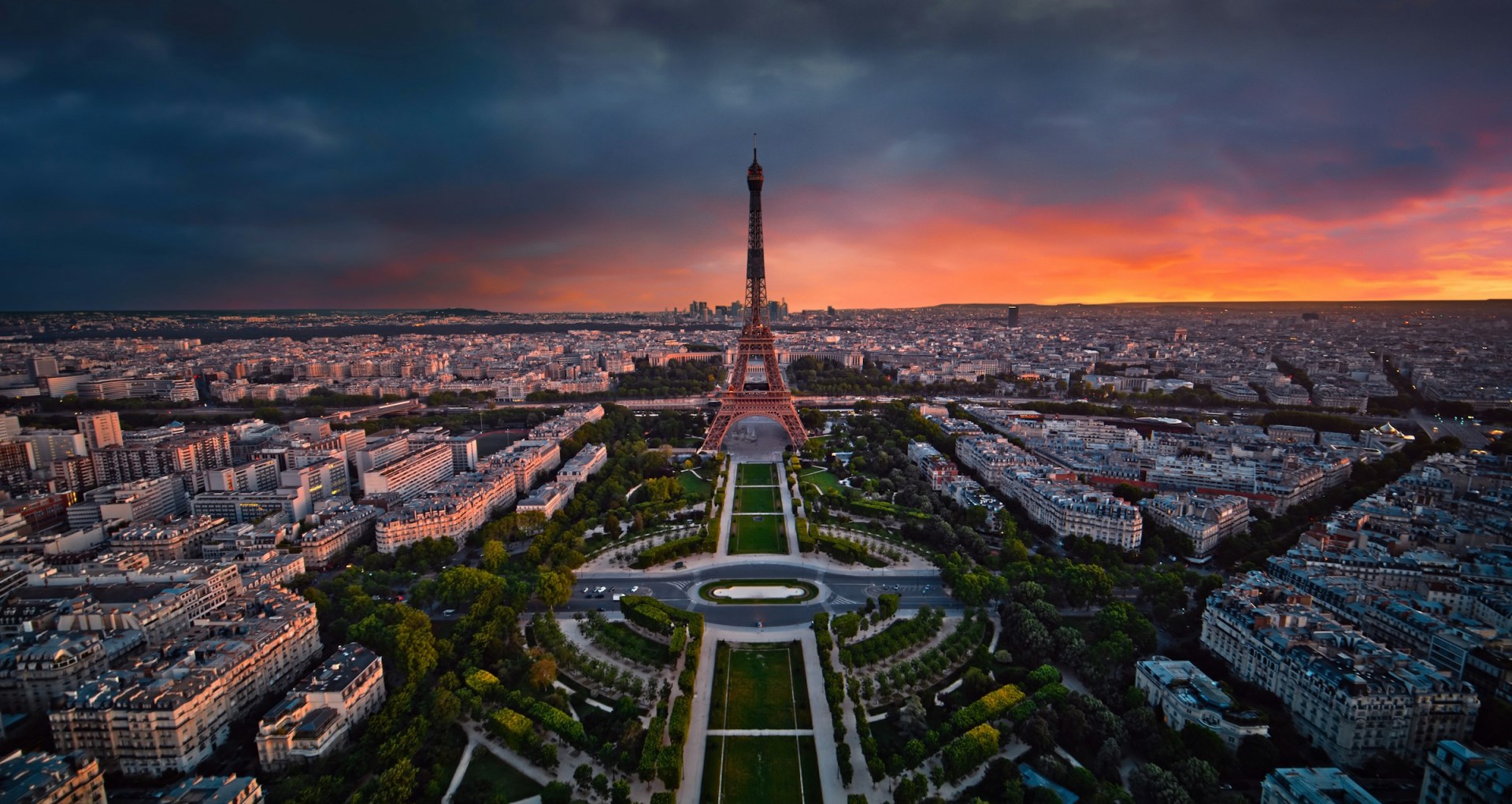
Paris
France's capital and most populated city, Paris is an alluring destination and an essential stop for any global traveler. A center of fashion, gastronomy, and the arts. Major tourist attractions in the City of Lights include the Eiffel Tower (such great heights!), the Louvre (home of the Mona Lisa and Venus de Milo), the Arc de Triomphe, and Grand Palais.
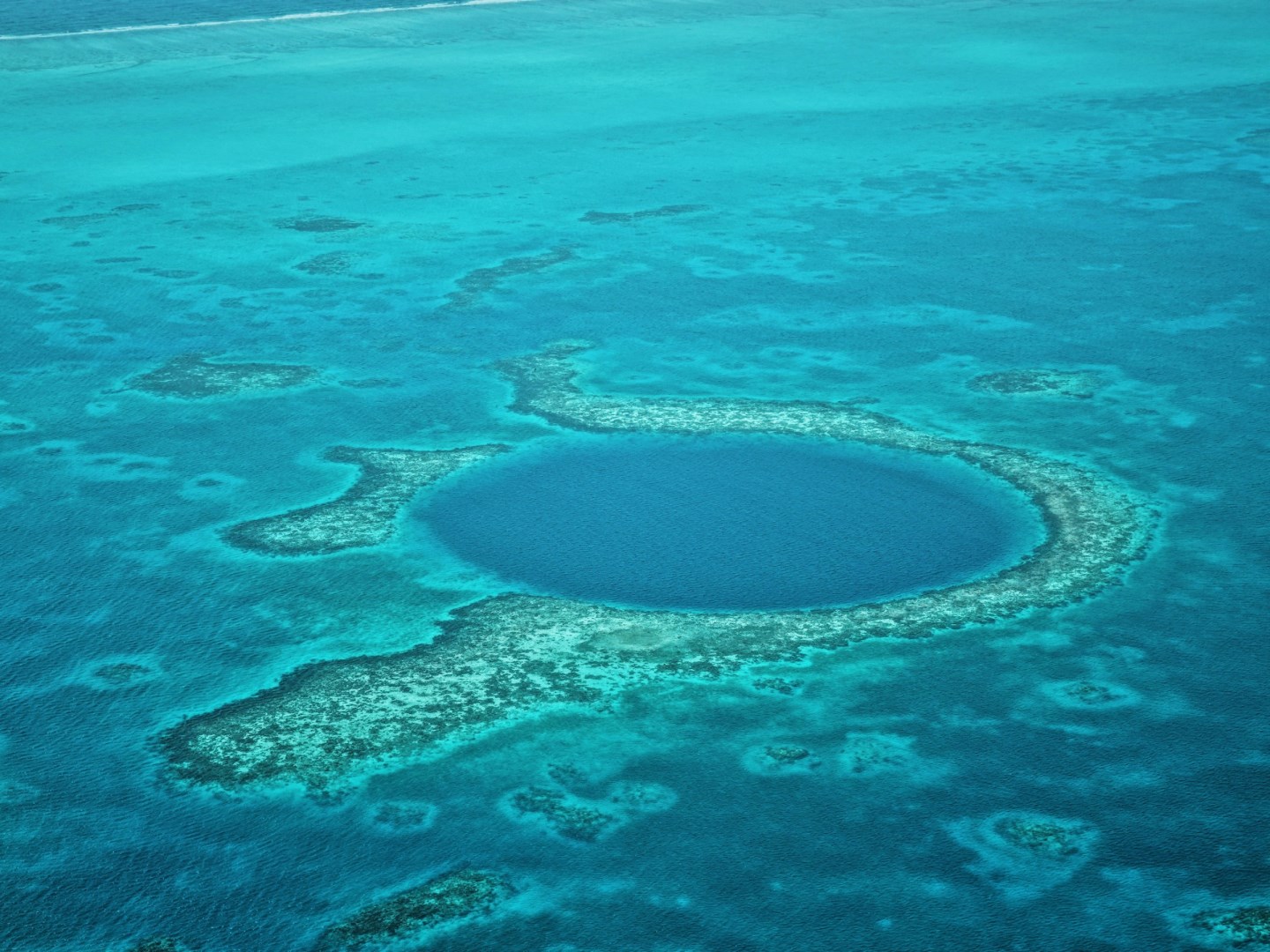
San Pedro
San Pedro is located on the Ambergris Caye and is fifteen minutes by air from Belize City. The are a variety of restaurants, shops and entertainment in San Pedro.

Malta
Malta is a Mediterranean gem known for its warm climate, stunning coastline and vibrant culture. Whether wandering through its historic cities, relaxing by the sea, or discovering its unique traditions, visitors will find endless reasons to explore this island nation.

Lake Garda
Lake Garda, Italy's largest and most captivating lake, is a blend of natural beauty, rich history, and vibrant culture that makes it an irresistible destination for travelers. Surrounded by majestic mountains and lush Mediterranean vegetation, Lake Garda's azure waters sparkle under the sun, creating an idyllic backdrop for exploration and relaxation.
