

Namib Desert
The Namib Desert, one of the world’s oldest deserts, stretches along the western coast of Namibia, offering a landscape of stunning, otherworldly beauty. The name “Namib” means "vast place," and fittingly so, as this desert spans over 2,000 kilometers and includes some of the tallest sand dunes on Earth, such as those found in Sossusvlei.

Tokyo
Shopping, historic temples, lush green spaces and exceptional dining are all part of Tokyo, the capital of Japan. This spectacular, highly populated metropolis holds unlimited options for tourists.
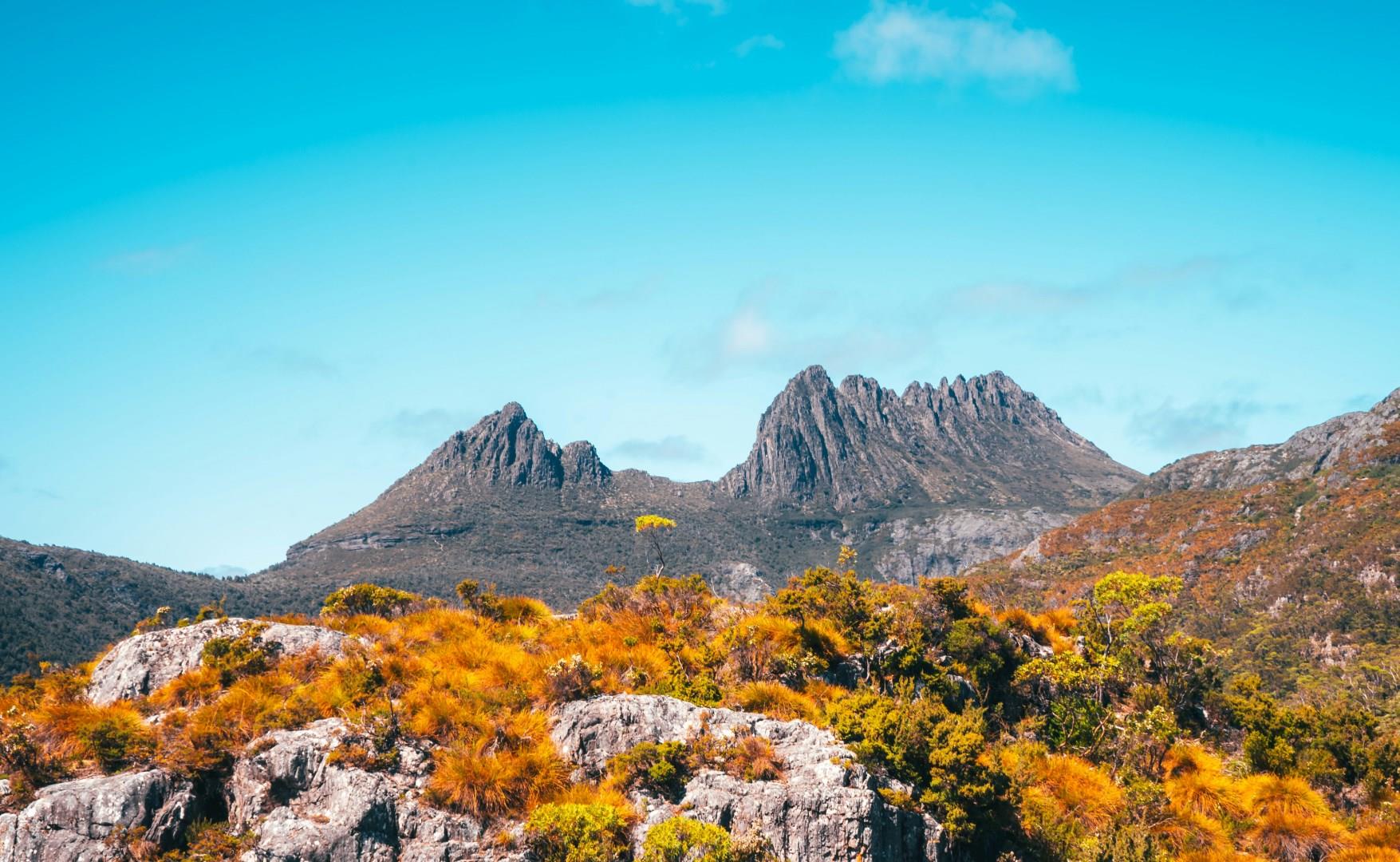
Cradle Mountain Tasmania
Cradle Mountain, located within the Tasmanian Wilderness World Heritage Area, is one of Australia's most distinctive landscapes. Towering over Dove Lake, the craggy peak rises to 1,545 meters and is often dusted with snow, even in spring. The mountain and surrounding area are part of Cradle Mountain–Lake St Clair National Park, which was established in 1922 and has since become a cornerstone of Tasmania’s protected wildlands.

Trapani
Trapani, located on the western coast of Sicily, Italy, is a captivating destination nestled between the Tyrrhenian Sea and the Strait of Sicily, providing stunning sea views and easy access to the Aegadian Islands. Known for its scenic harbor, Trapani has been a significant port since ancient times, serving as a key center for trade and culture as well as an ideal base for exploring the surrounding area.
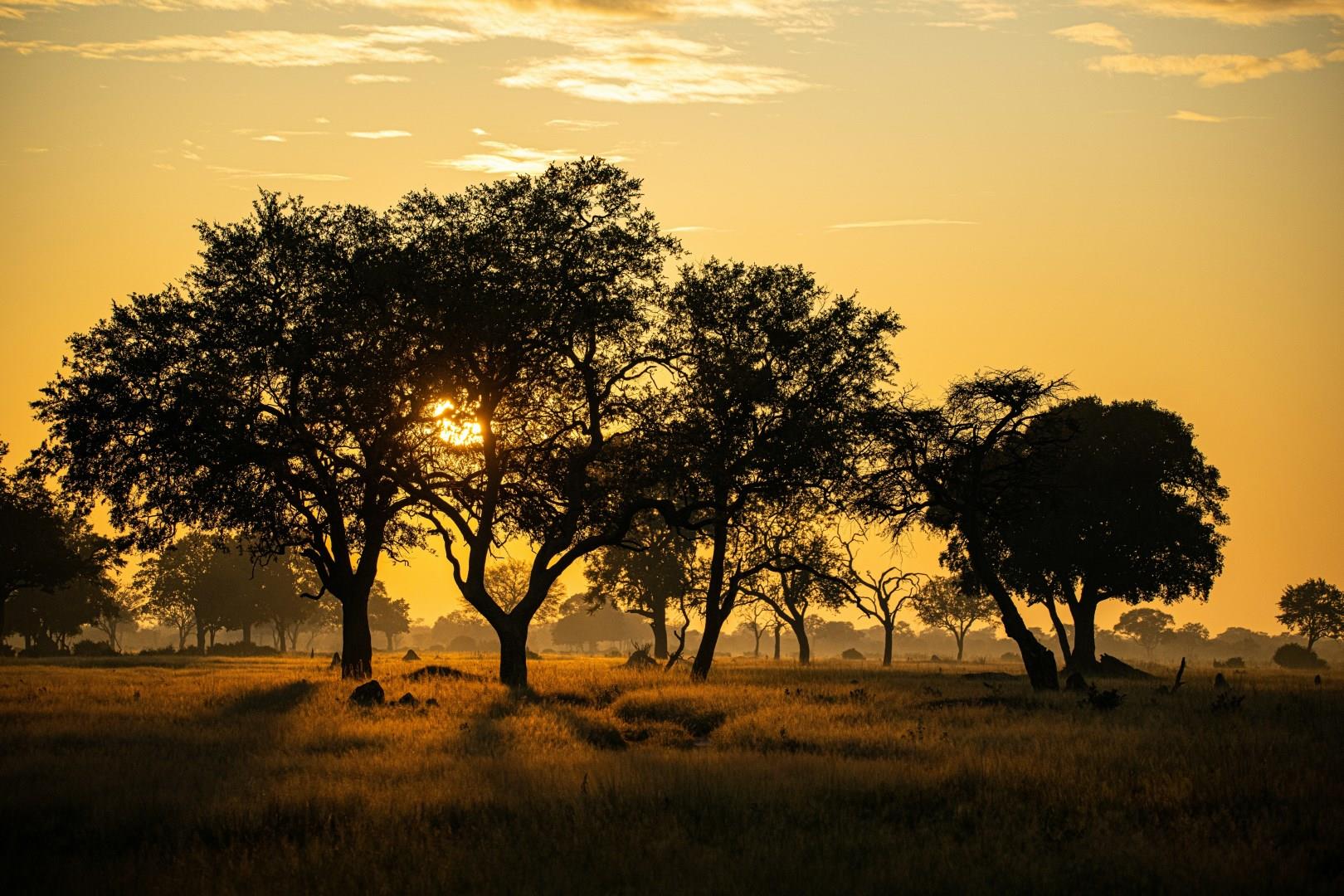
Hwange National Park
Hwange National Park, located in western Zimbabwe, is the country’s largest protected area and one of Africa’s premier wildlife reserves. Covering more than 14,600 square kilometers, it is renowned for its extraordinary diversity of animals and habitats.
