
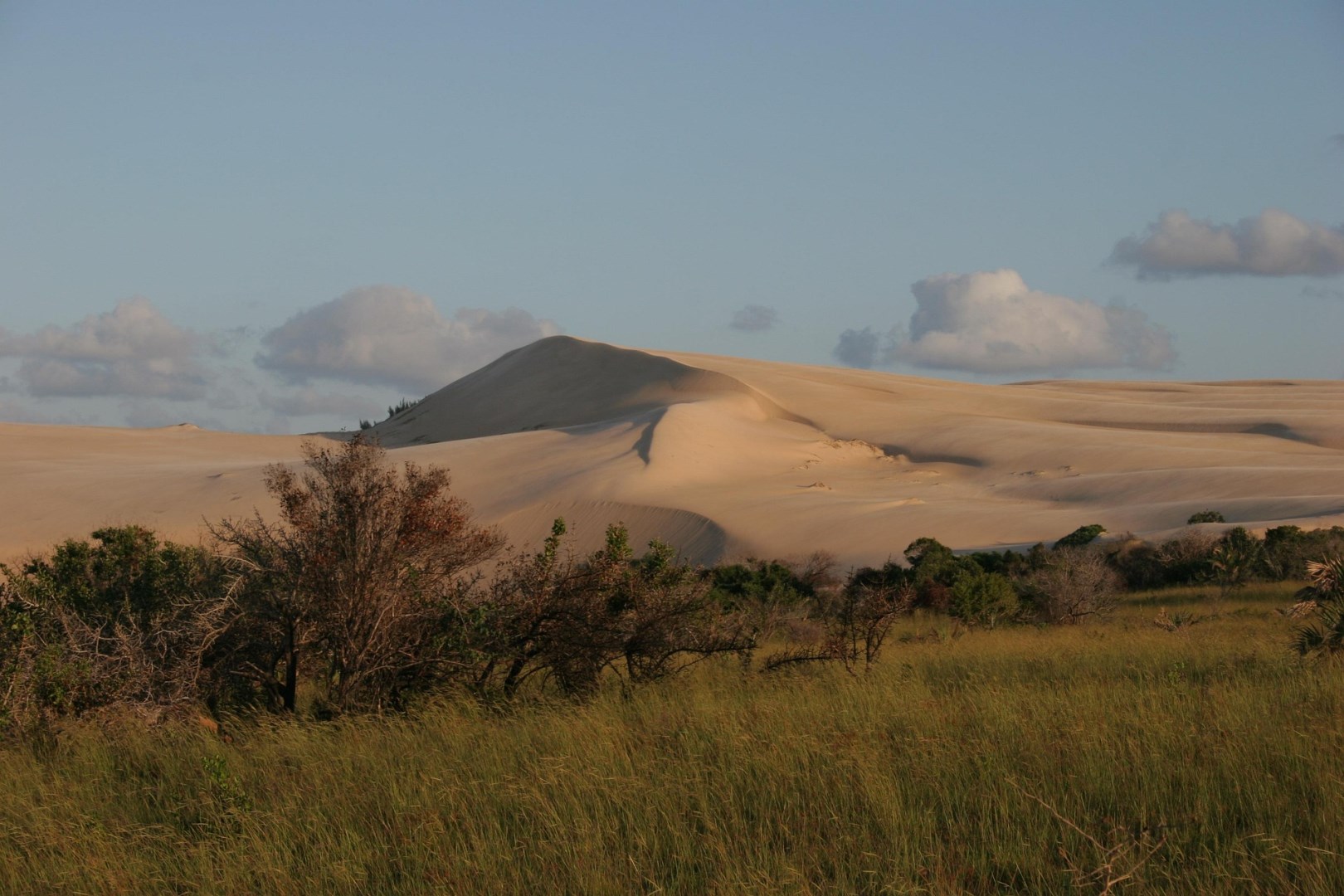
Bazaruto Archipelago
The islands have long been connected to coastal communities whose livelihoods include fishing and small-scale trade. Traditional dhow boats remain part of the maritime landscape, linking island and mainland communities across the archipelago. Local culture reflects the wider coastal heritage of Inhambane Province, where African, Swahili, and Indian Ocean influences have shaped food, language, music, and commerce.
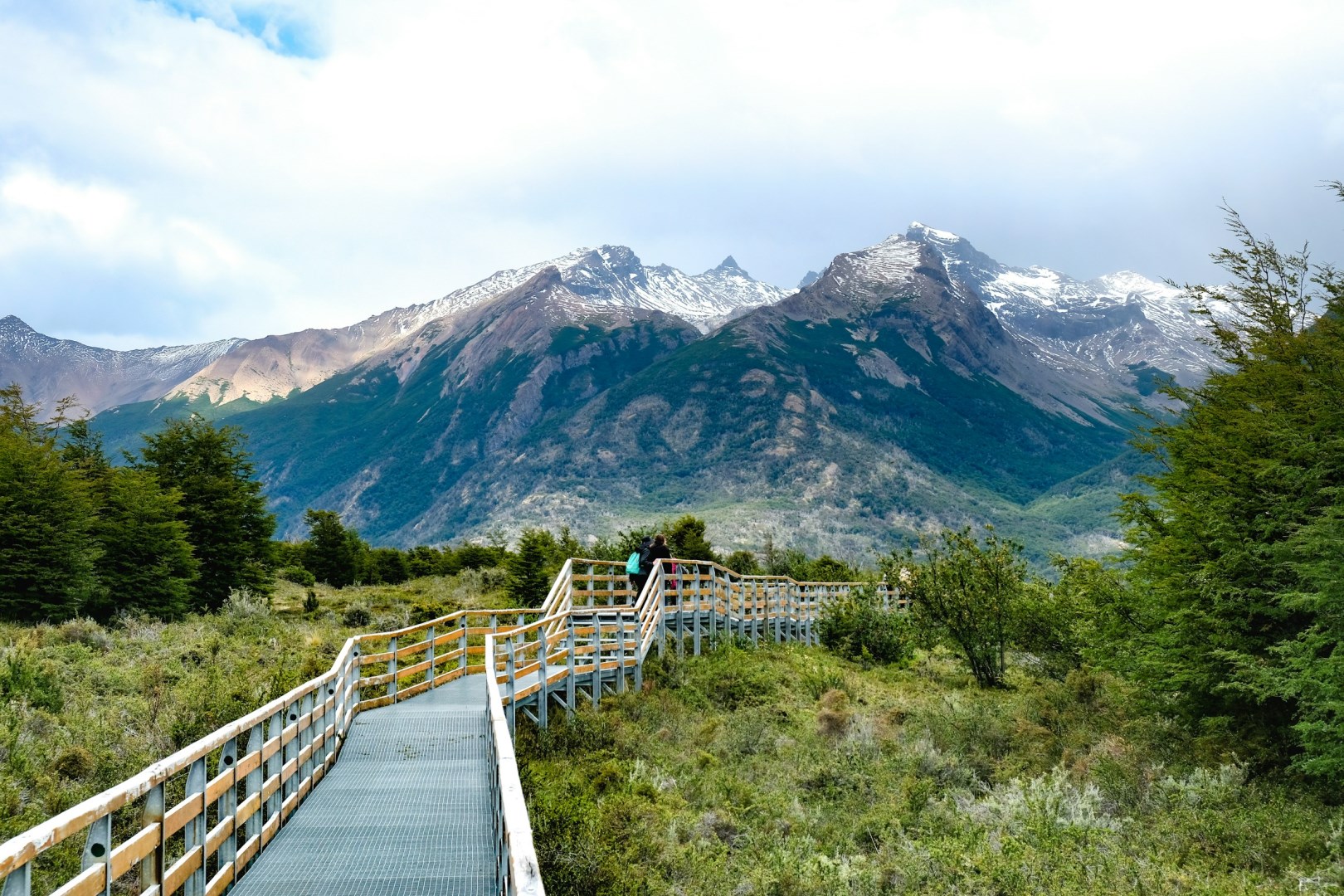
Los Glaciares National Park
Los Glaciares National Park is the largest park in Argentina. It's located in the Austral Andes, southwest of Santa Cruz, on the border of Chile. With stunning views of glaciers, lakes, and mountains, it's no surprise that Los Glaciares National Park is included on the bucket list of so many.
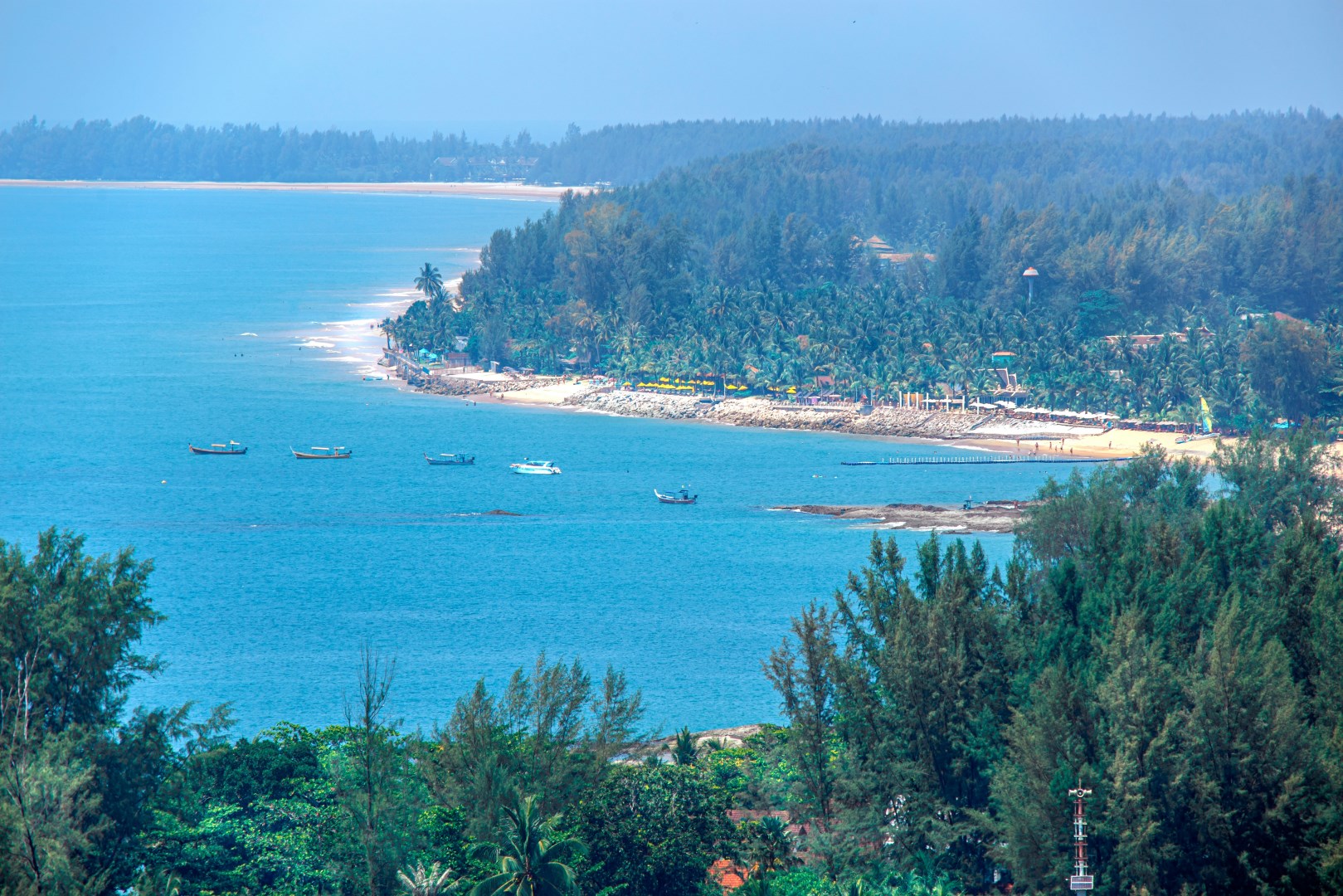
Khao Lak
Khao Lak rests quietly along Thailand’s Andaman coastline, about an hour north of Phuket, yet it feels worlds apart. This stretch of shoreline runs for miles, with wide sandy beaches that often seem almost untouched. The name itself comes from the nearby mountain that rises behind the coast, giving the area a dramatic backdrop where forest meets sea.
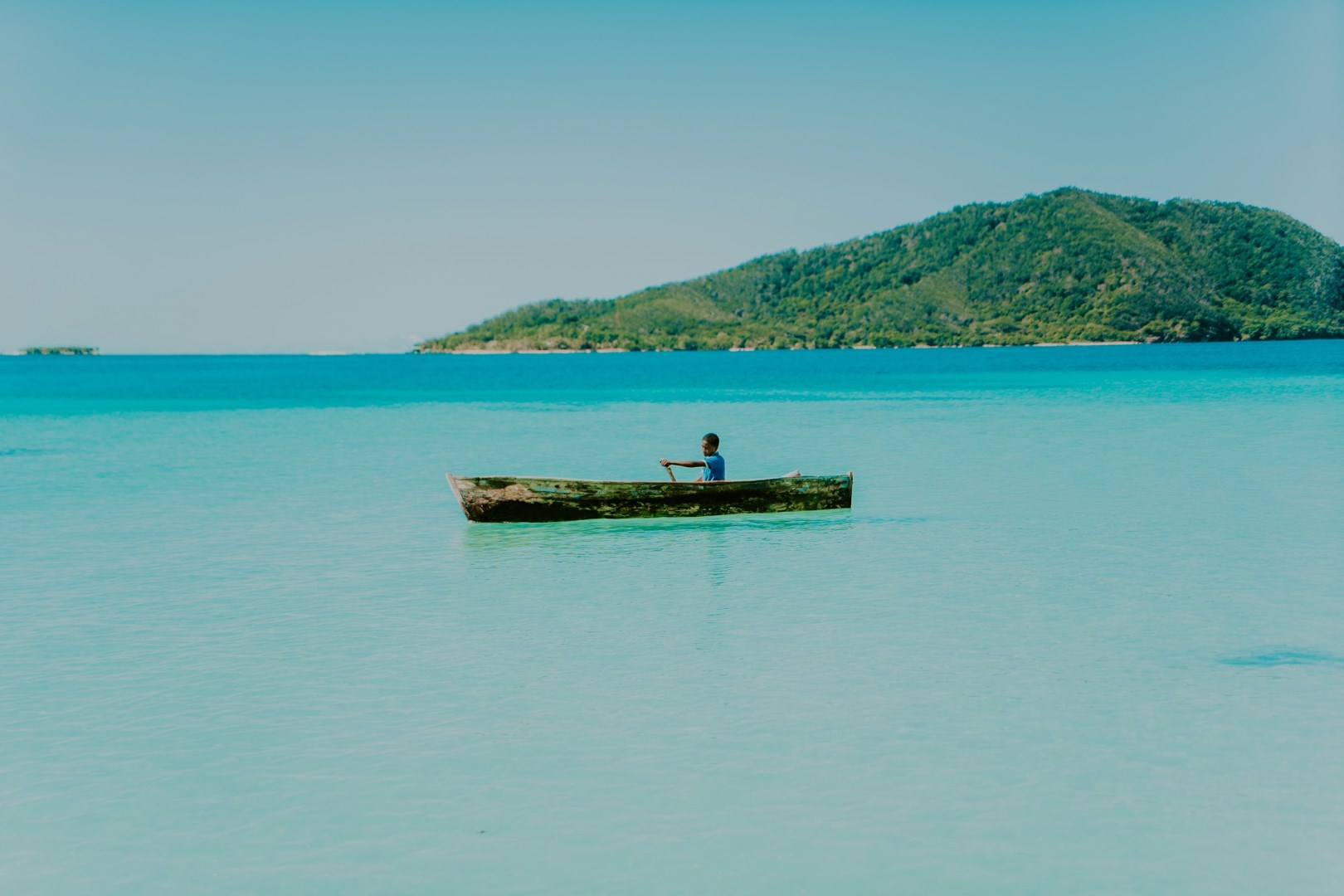
Cayos Cochinos
Cayos Cochinos is a small archipelago in the Caribbean Sea off the northern coast of Honduras, located northwest of La Ceiba. The protected area consists of two larger forested islands, Cayo Menor and Cayo Grande, surrounded by numerous smaller coral cays. Clear Caribbean waters, sandy beaches, tropical vegetation, and offshore reefs define the landscape. Cayos Cochinos forms part of the Mesoamerican Reef system and is protected as a marine natural monument and biological reserve.
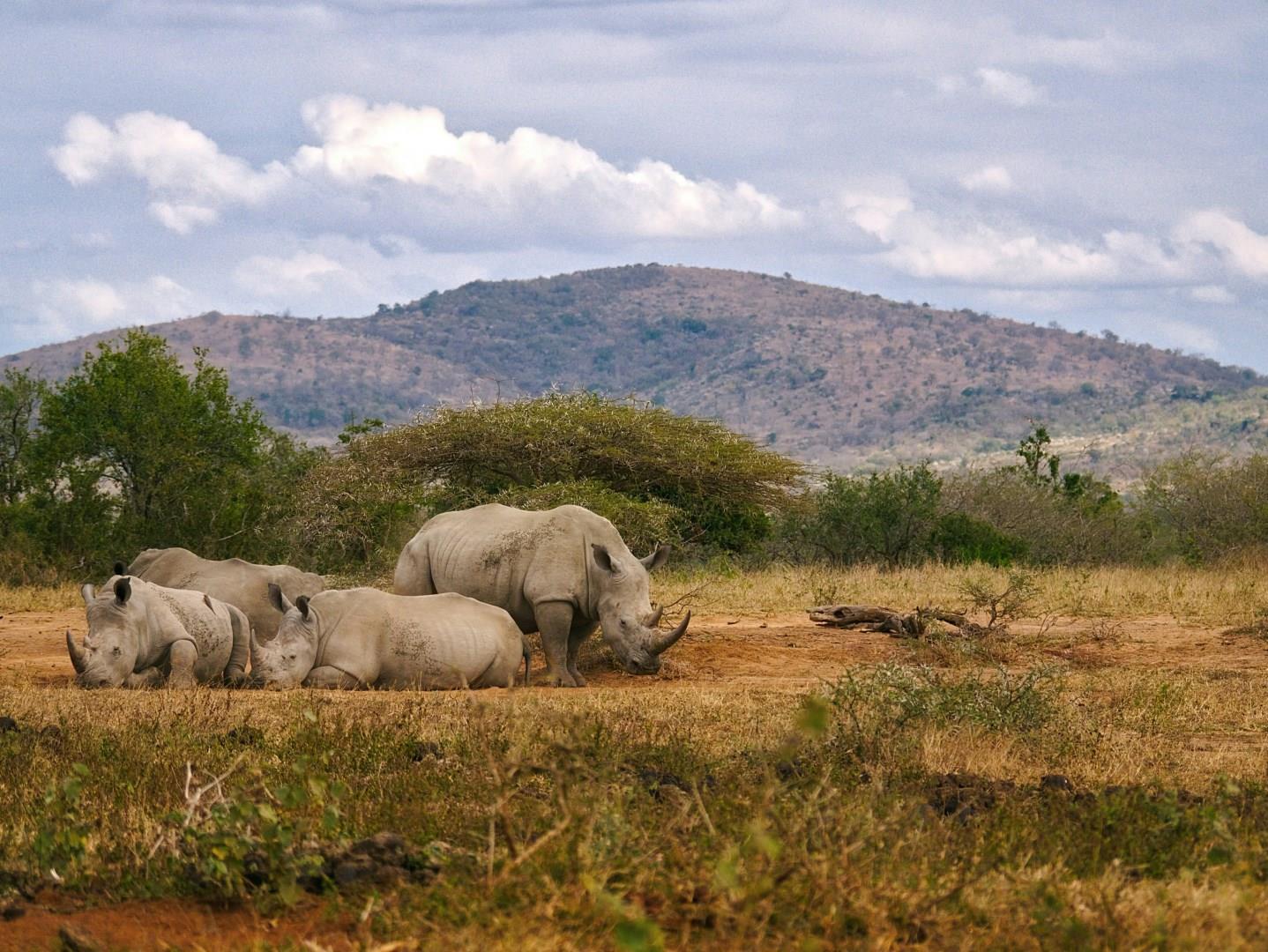
Hluhluwe-iMfolozi Park
Hluhluwe–iMfolozi Park, in South Africa’s KwaZulu-Natal province, is one of the country’s oldest protected areas and holds deep historical importance in conservation.
