

Salisbury
Salisbury, nestled in the heart of Wiltshire, England, is a city rich with history and charm. Dominated by the stunning Salisbury Cathedral, this medieval masterpiece boasts the tallest spire in the UK, reaching 123 meters (404 feet). The Cathedral houses one of the original copies of the Magna Carta, an essential document in English history. Visitors can explore the intricate Gothic architecture, serene cloisters, and the captivating Chapter House where the Magna Carta is displayed.
County Kerry
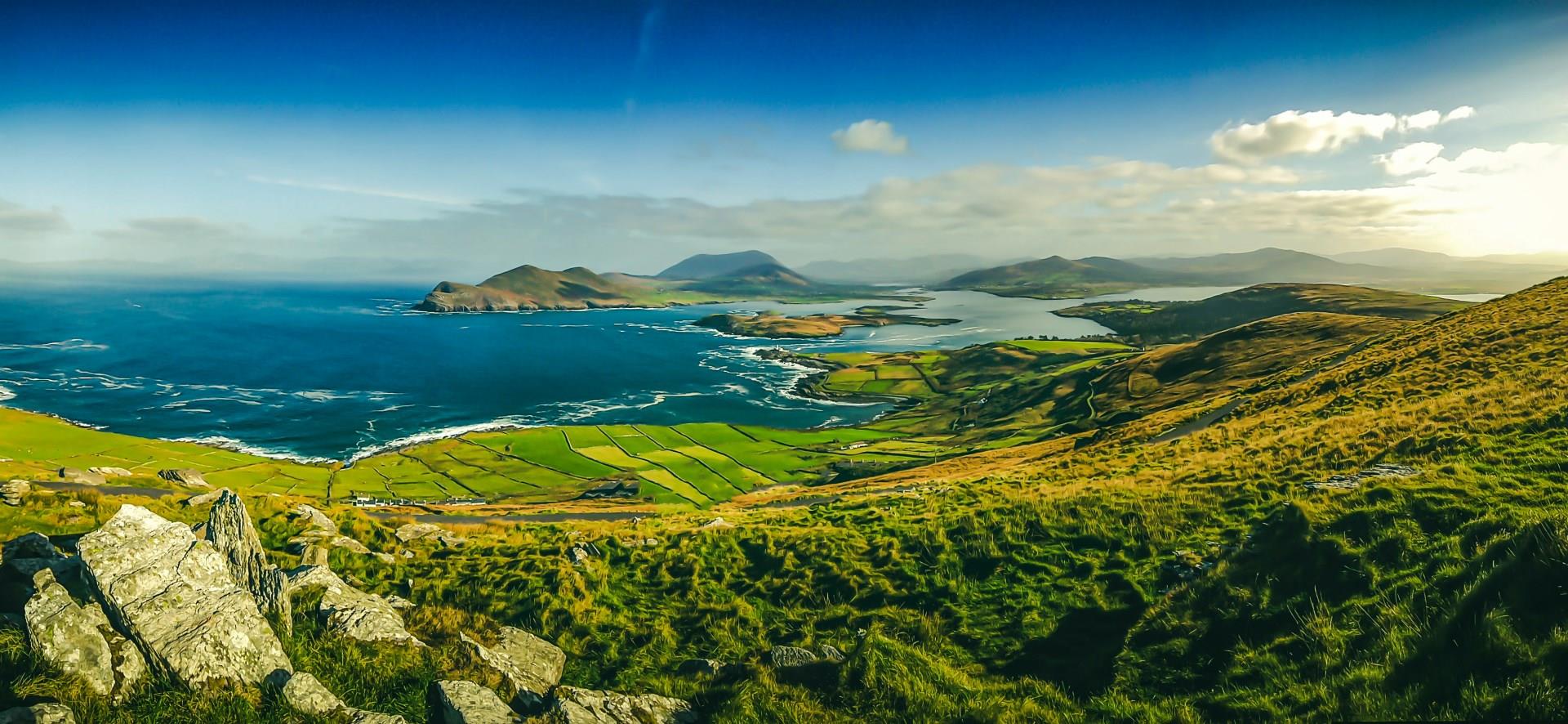
County Kerry, located in Ireland’s southwest corner, is a landscape of dramatic contrasts, where rugged mountains meet serene lakes and Atlantic waves crash against wild peninsulas. Known as “The Kingdom,” Kerry holds deep cultural and historical significance, with ancient ring forts, medieval monasteries, and Gaelic traditions that endure in everyday life.
Trier
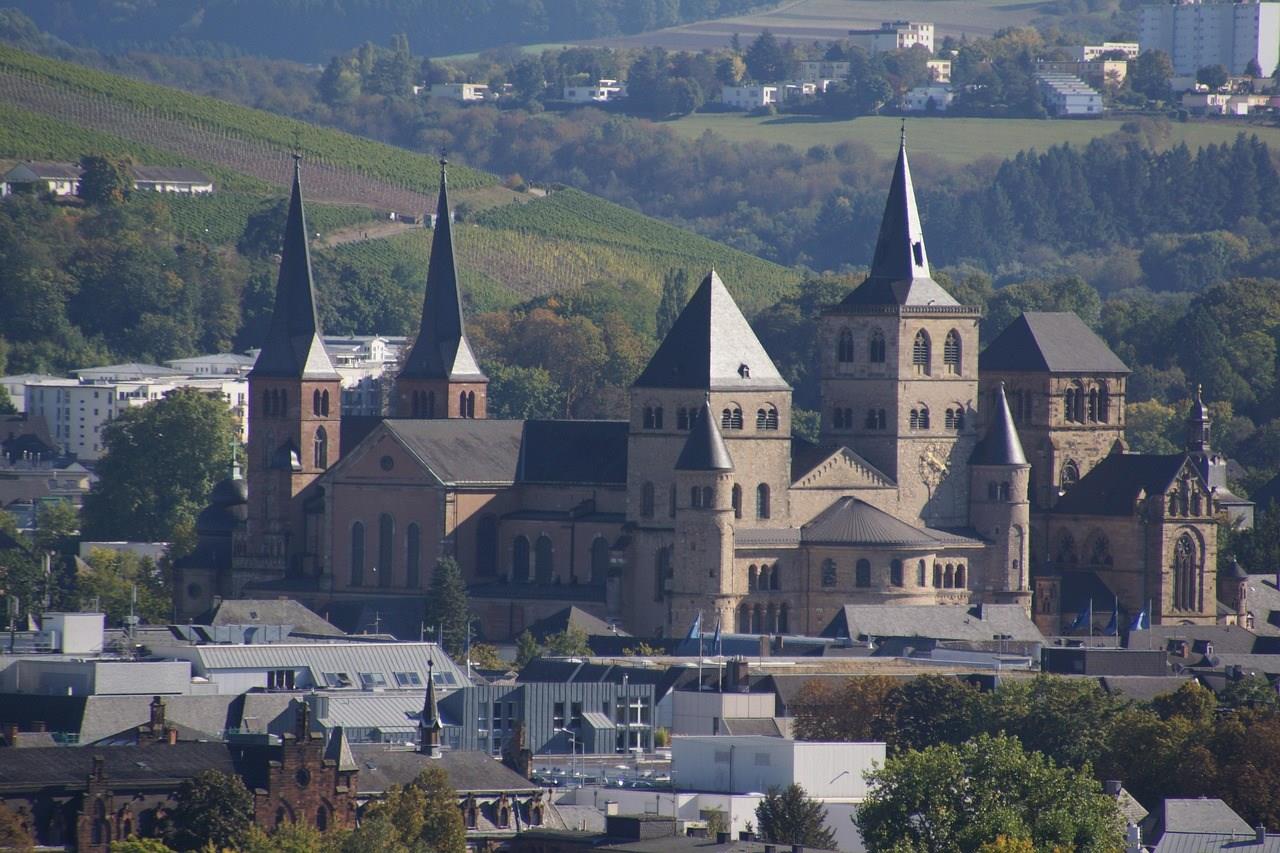
Trier, Germany’s oldest city, is a living museum nestled in the Moselle Valley, where Roman ruins rise beside medieval churches and bustling market squares. Founded by the Romans in 16 BCE, Trier was once known as “Roma Secunda,” the second Rome, and still boasts the largest collection of Roman architecture north of the Alps. The Trier Cathedral (Dom St. Peter), which is a UNESCO World Heritage Site, is the oldest church in Germany and houses a relic said to be the Holy Robe of Christ.

Piraeus
Seven miles outside of historic Athens, the Greek coastal city of Piraeus lies upon the sparkling waters of the Aegean Sea and is the largest passenger port in Europe, servicing nearly 20 million passengers per year.
Hluhluwe
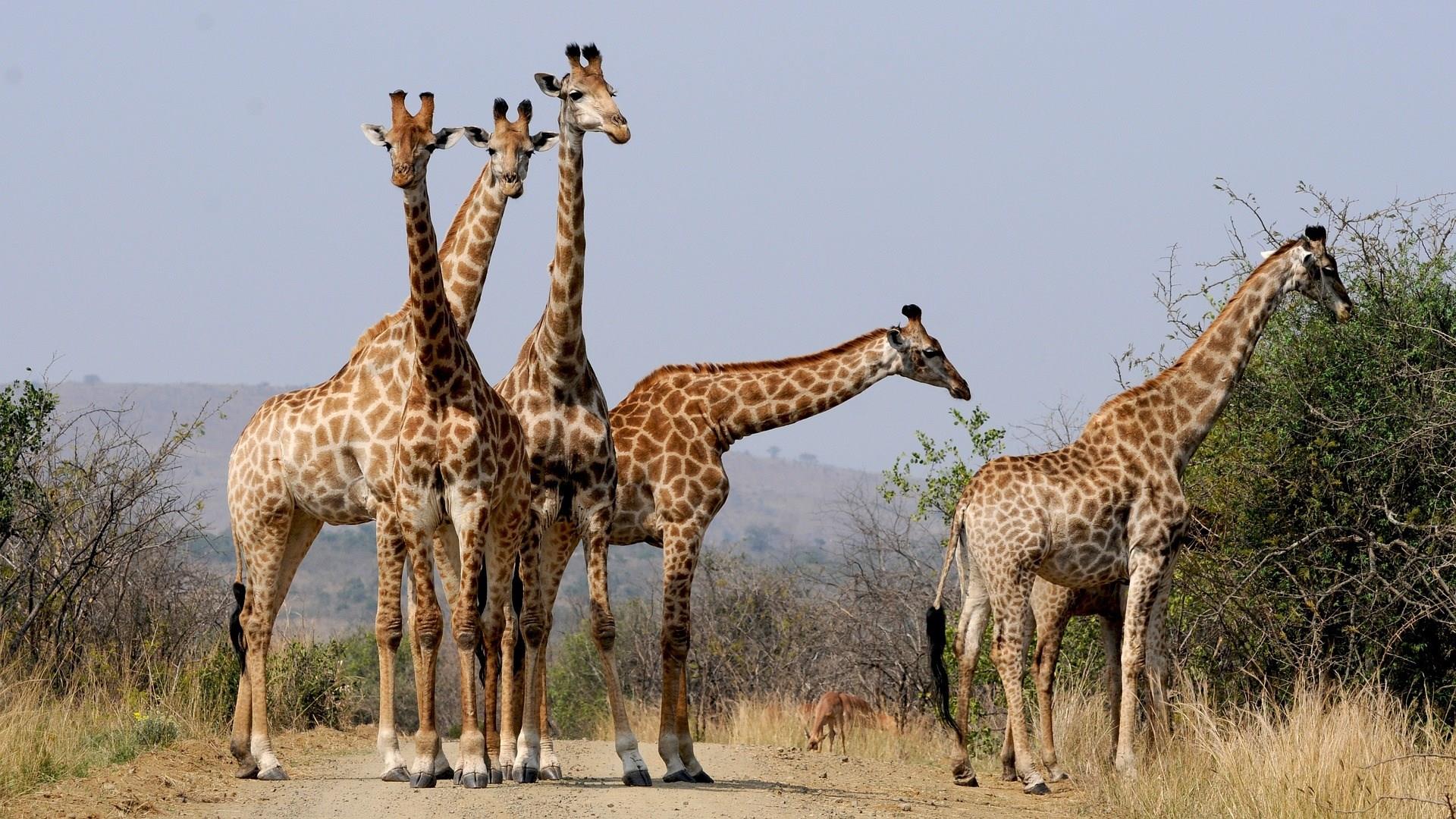
Nestled in the heart of KwaZulu-Natal, South Africa, Hluhluwe is a gateway to one of the country’s most remarkable conservation areas, the Hluhluwe-iMfolozi Park. This park, renowned for its successful rhino conservation efforts, offers visitors an unparalleled wildlife experience. As the oldest proclaimed reserve in Africa, Hluhluwe-iMfolozi Park is a haven for both the critically endangered white rhino and the more elusive black rhino.
