
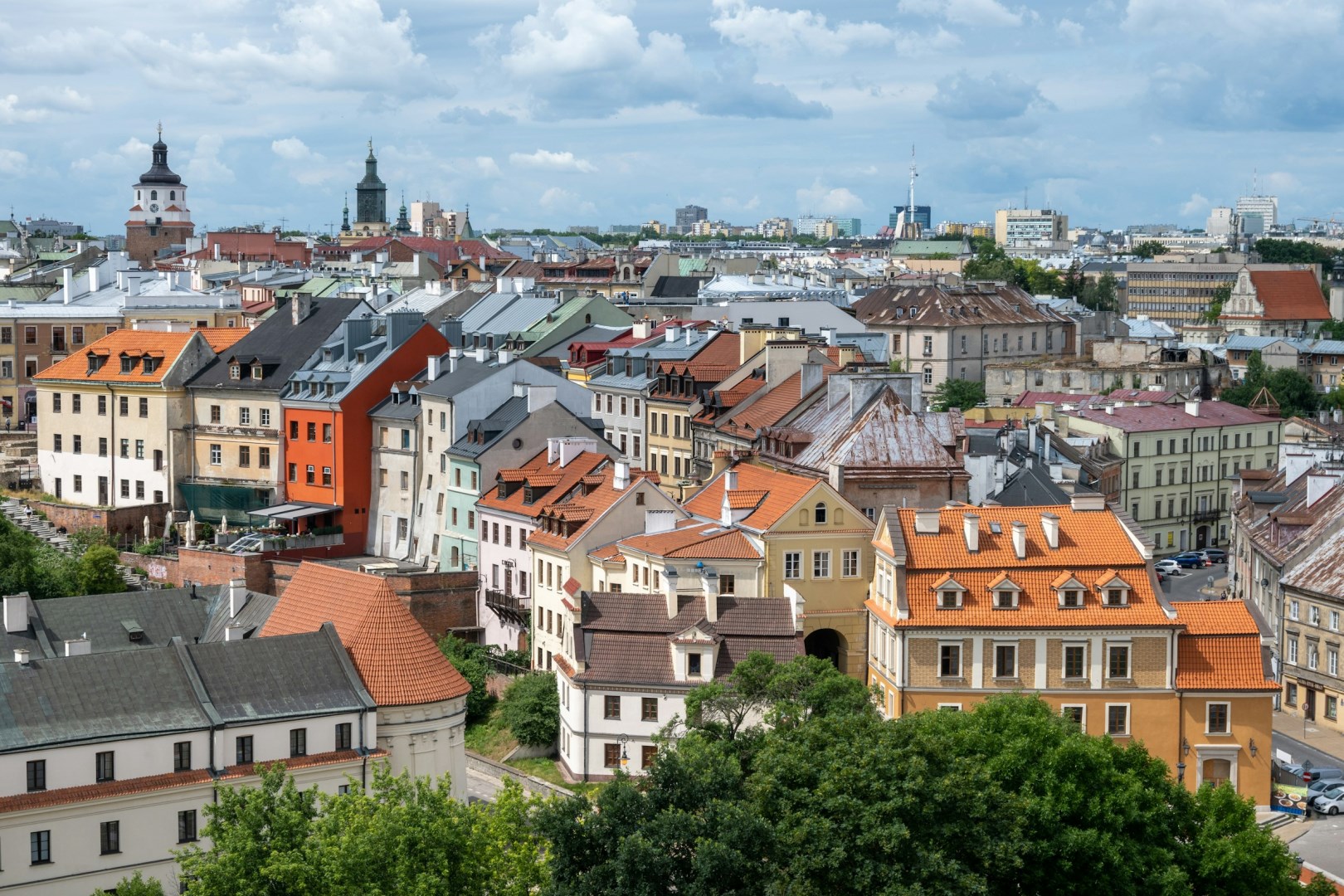
Lublin
Located on a trade route to Lithuania and Russia, Lublin was already an important center by the time it received its municipal charter in 1317. The city still remains relatively unknown to foreign tourists. From the original defense walls and the Krakow Gate, the remnant of Lublin's medieval wall system to the town hall and the Renaissance burgher houses in the Market Square, Lublin offers numerous visual delights.
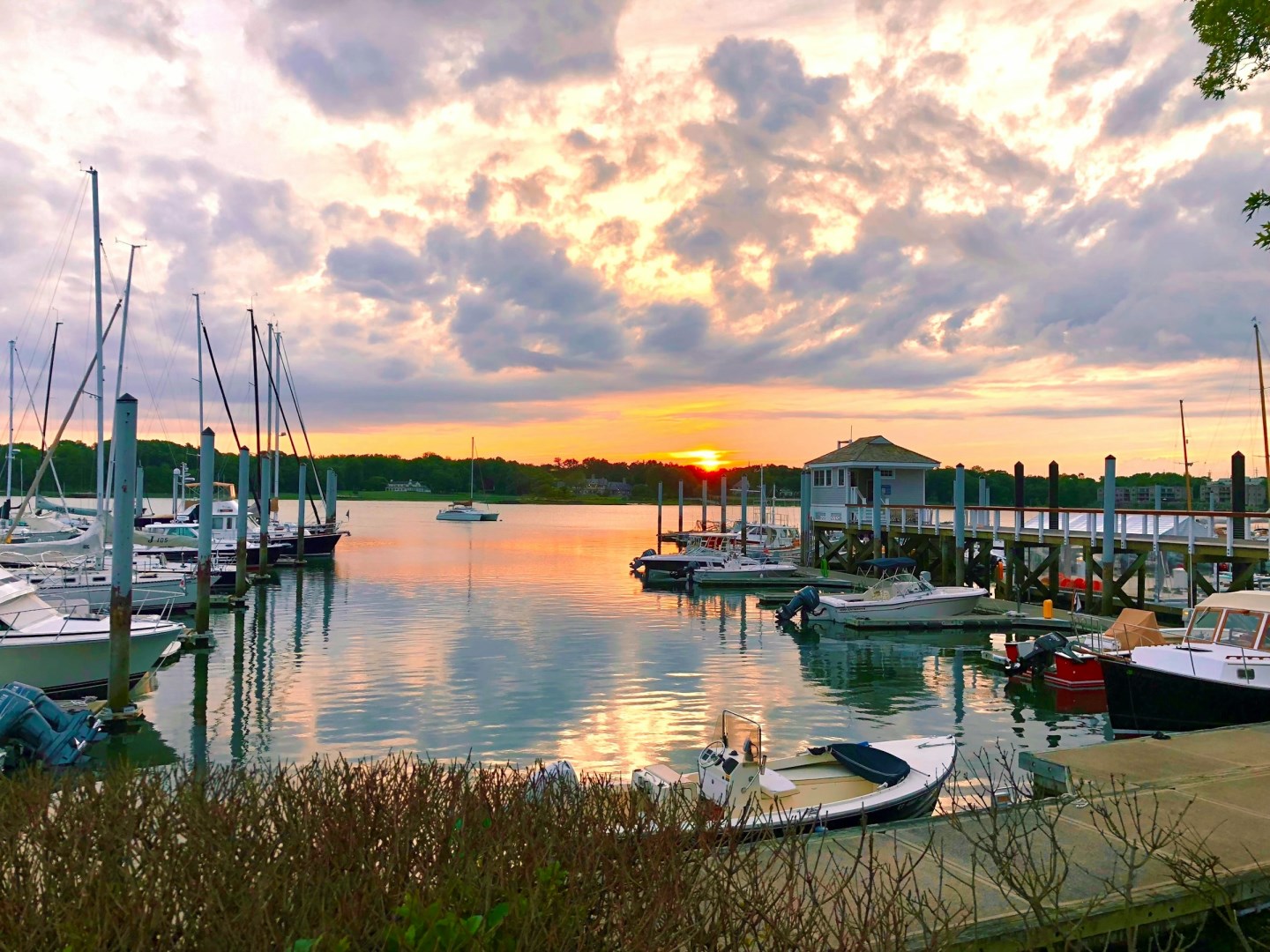
Connecticut
Connecticut may be one of the smallest states in the U.S., but it packs in more variety than many places twice its size. From classic New England villages and coastal towns to modern cities with thriving food and arts scenes, Connecticut surprises visitors with its contrasts. Each season brings a different reason to visit from the brilliant fall foliage and snowy town greens to spring festivals and sunny beach days on the Long Island Sound.

Romania
There's a wealth of things to do and see in Romania with an intensive range of activities and places to visit. You can ski at traditional or purpose-built mountain resorts or laze in the hot sun on the Black Sea beaches comparable to those on the Mediterranean.

Nuuk
Nuuk, the vibrant capital of Greenland, offers a unique blend of Arctic beauty and modern living. Nestled between picturesque fjords and surrounded by rugged mountains, Nuuk is the gateway to exploring Greenland’s stunning natural landscapes. The city’s old harbor, with its colorful wooden houses, provides a charming introduction to Greenlandic culture and history. This area is perfect for leisurely strolls and offers striking views of the surrounding mountains and sea.
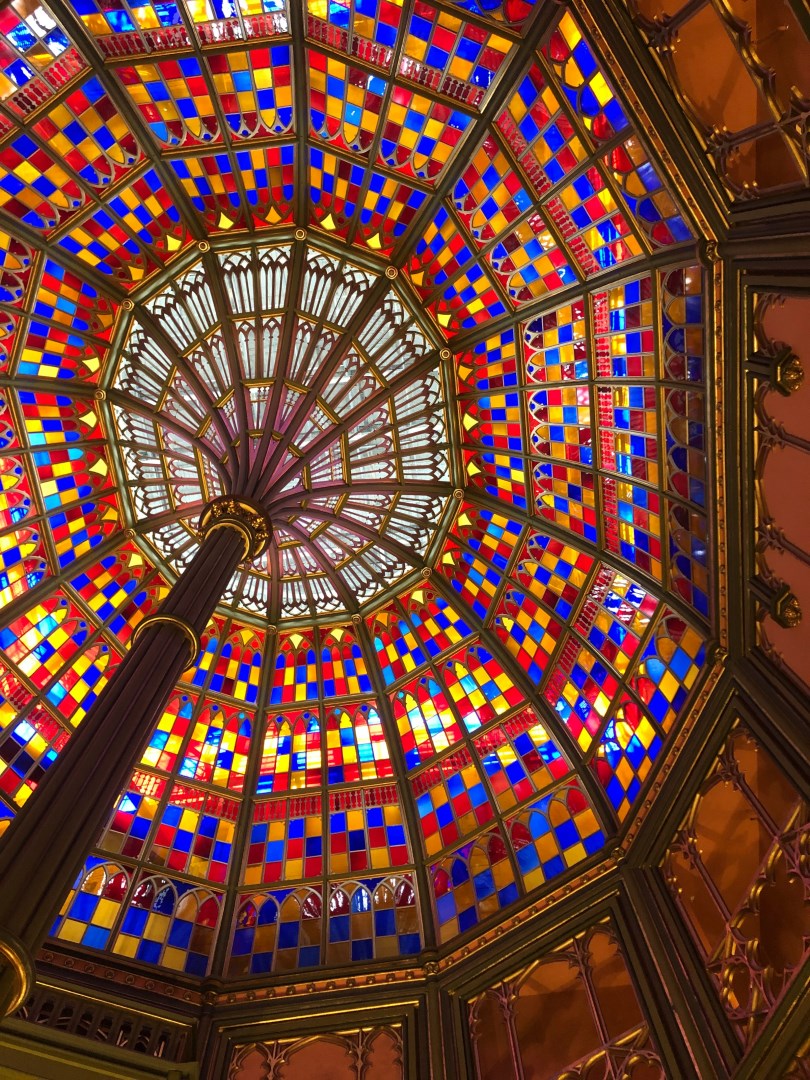
Baton Rouge
Overlooking the Mississippi River in southeast Louisiana, it is the state's capital.
