
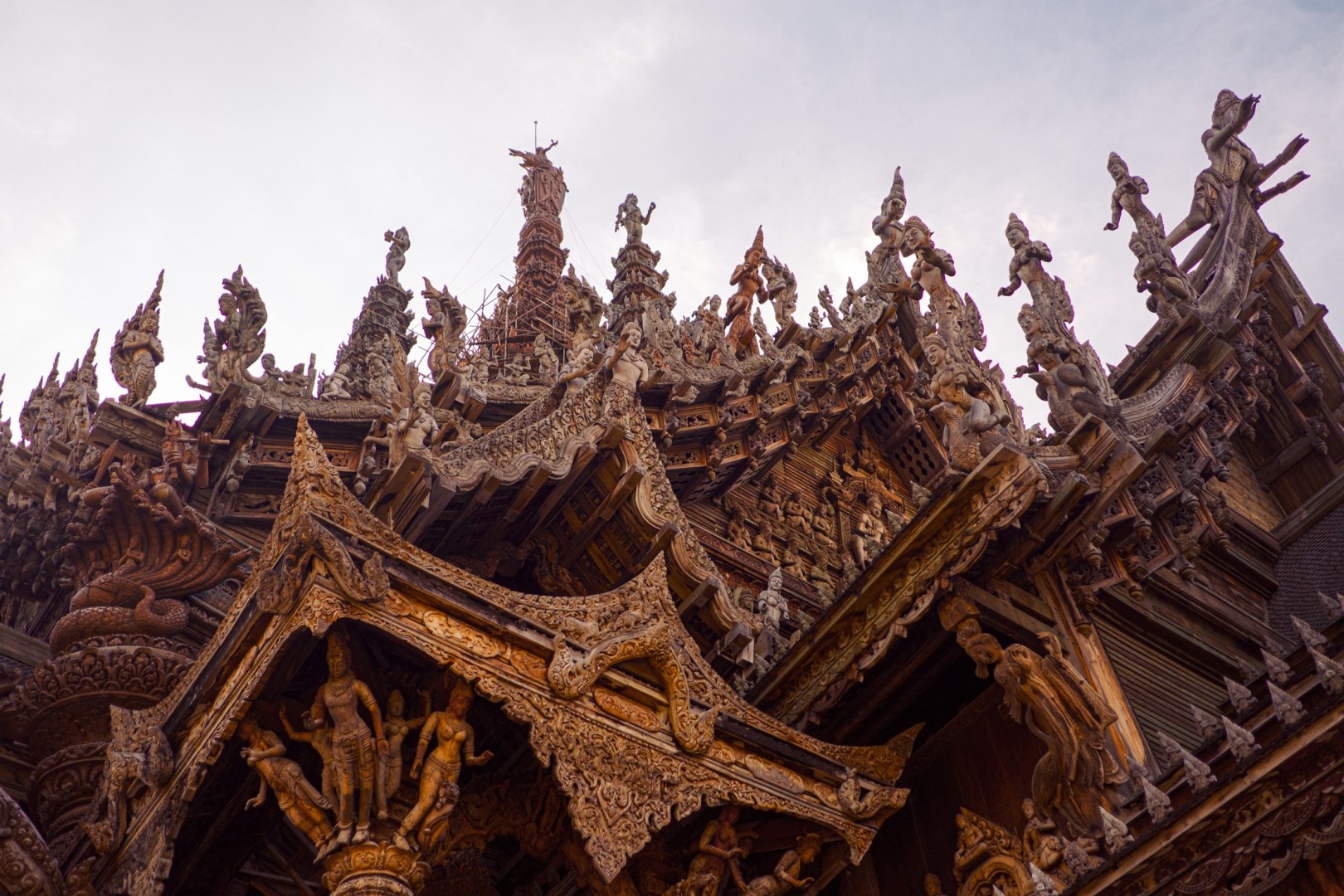
Laem Chabang
Rather than presenting itself as a traditional resort destination, Laem Chabang reveals its appeal through access and contrast. It lies about two hours from Bangkok and less than an hour from Pattaya, making it a convenient base for exploring temples, markets, and coastal towns. Travelers can step off a cruise ship and within the same day wander through ornate shrines, sample street food, or browse lively night markets.
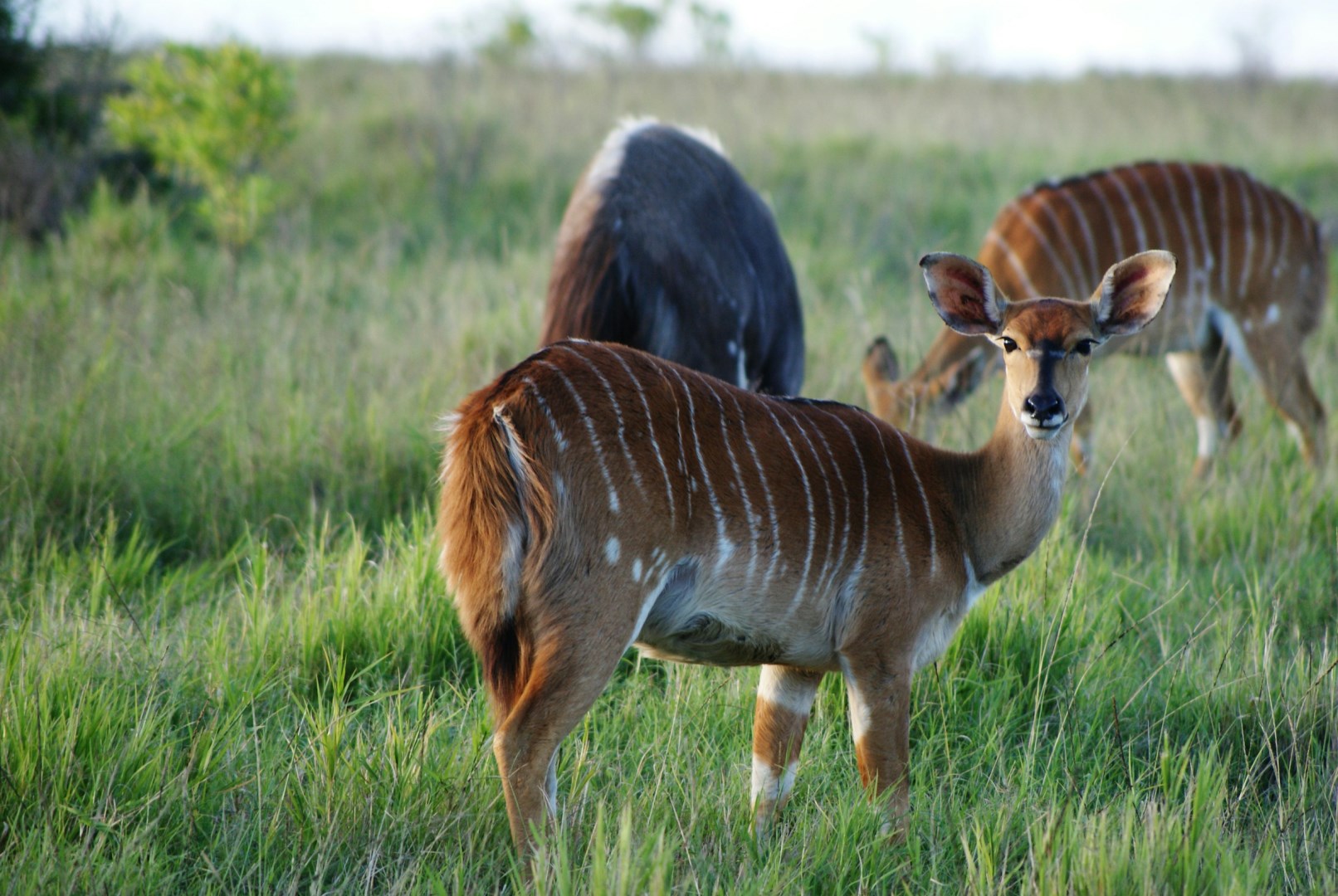
Kariega Game Reserve
Kariega Game Reserve is a private wildlife reserve in South Africa’s Eastern Cape province, near the coastal town of Kenton-on-Sea.
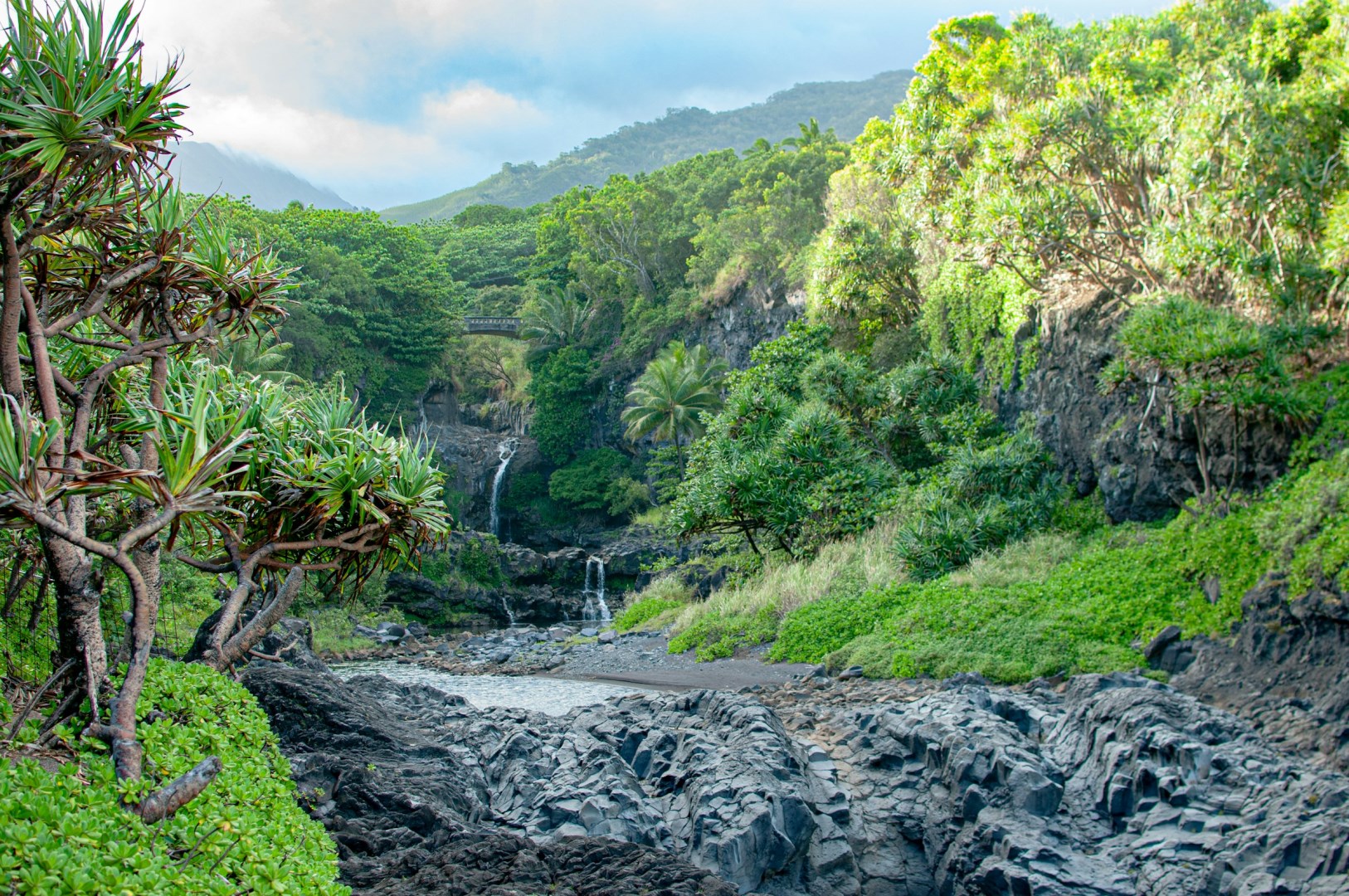
Haleakalā
Maui, both second youngest and second largest of the Hawaiian Islands, is home to the world's largest dormant volcano, Haleakala, meaning "House of the Sun." Last erupting about 200 years ago, it makes up the eastern end of the island. Maui was formed by volcanic activity from Haleakala on the east and the West Maui Mountains to the west. The connecting isthmus between the two spots was formed from joining lava from both and gives Maui its nickname, the Valley Isle.

Oaxaca
Oaxaca, nestled in the heart of southern Mexico, is a city where ancient traditions and vibrant culture thrive. Renowned for its rich history and indigenous heritage, Oaxaca offers a unique blend of pre-Columbian, colonial, and modern influences. The city's historic center, a UNESCO World Heritage site, is a testament to its past, featuring stunning colonial architecture such as the Santo Domingo de Guzmán Church, a masterpiece of Baroque art.
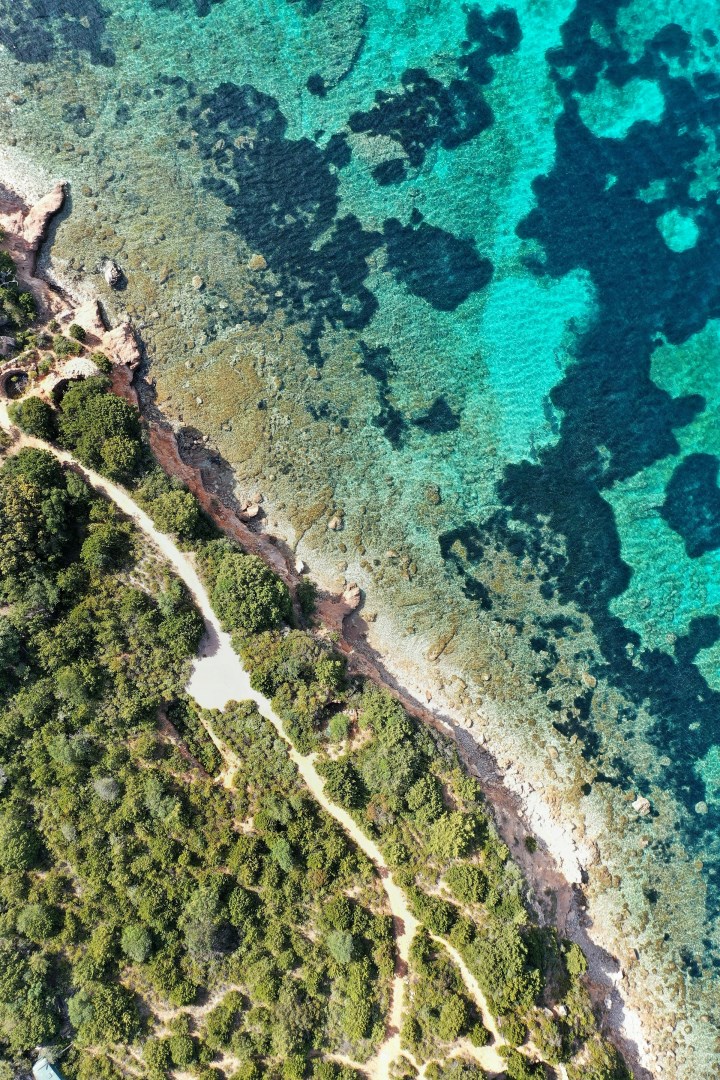
Olbia
Olbia, located on the northeast coast of Sardinia, offers a blend of history and modernity. The city is known for its well-preserved ruins and historical sites, such as the Basilica di San Simplicio, an 11th-century Romanesque church built from local granite.
