
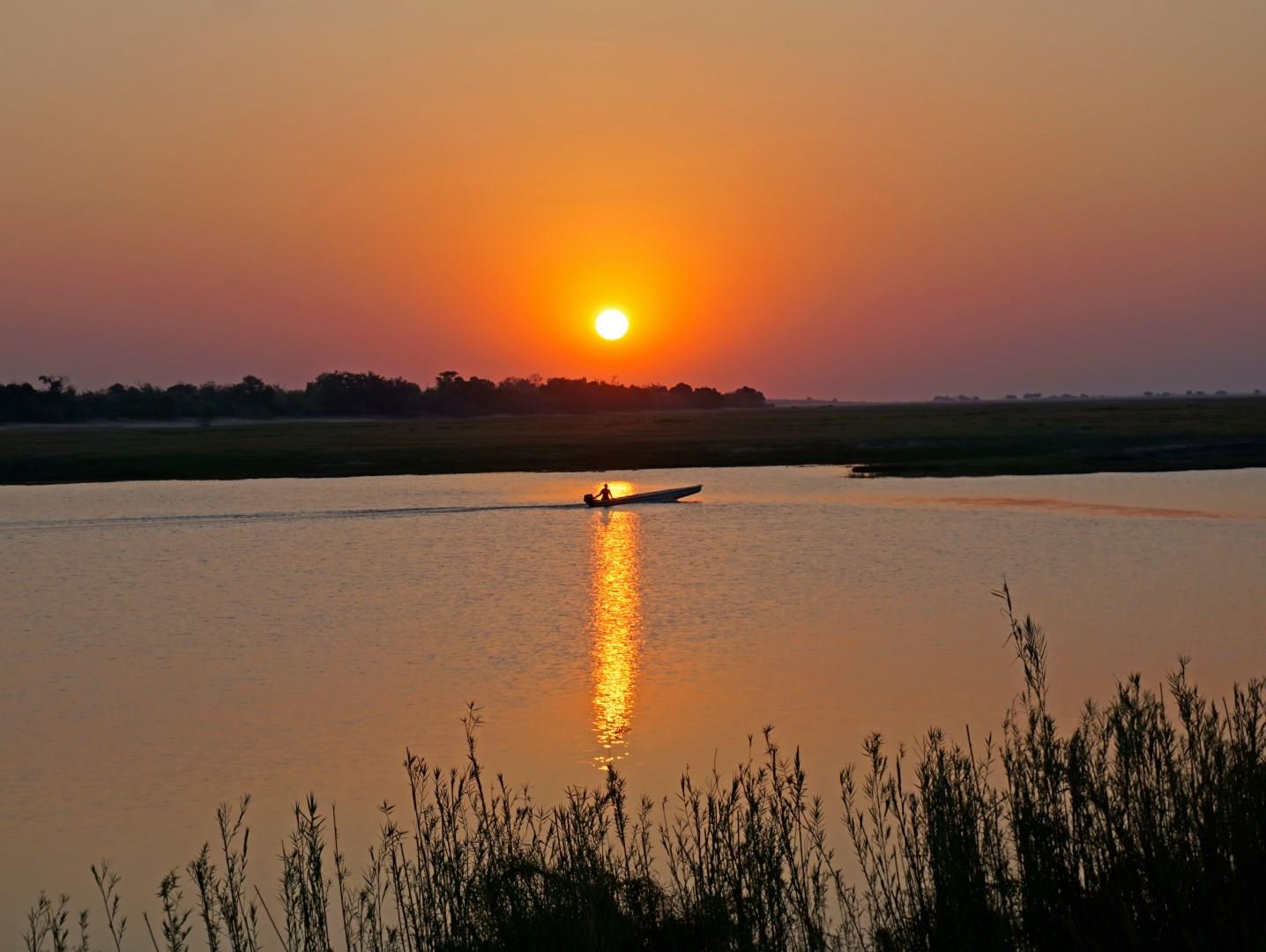
Chobe River
The Chobe River forms the northern boundary of the Chobe National Park. Animal lovers and safari enthusiasts know it as the place where the elephants congregate during winter's dry season and migrant birds are in full color during the wet summer months. The river itself is actually a section of the Cuando River, known as the Chobe from the seasonal lake Liambesi to its outflow at the Zambezi River.
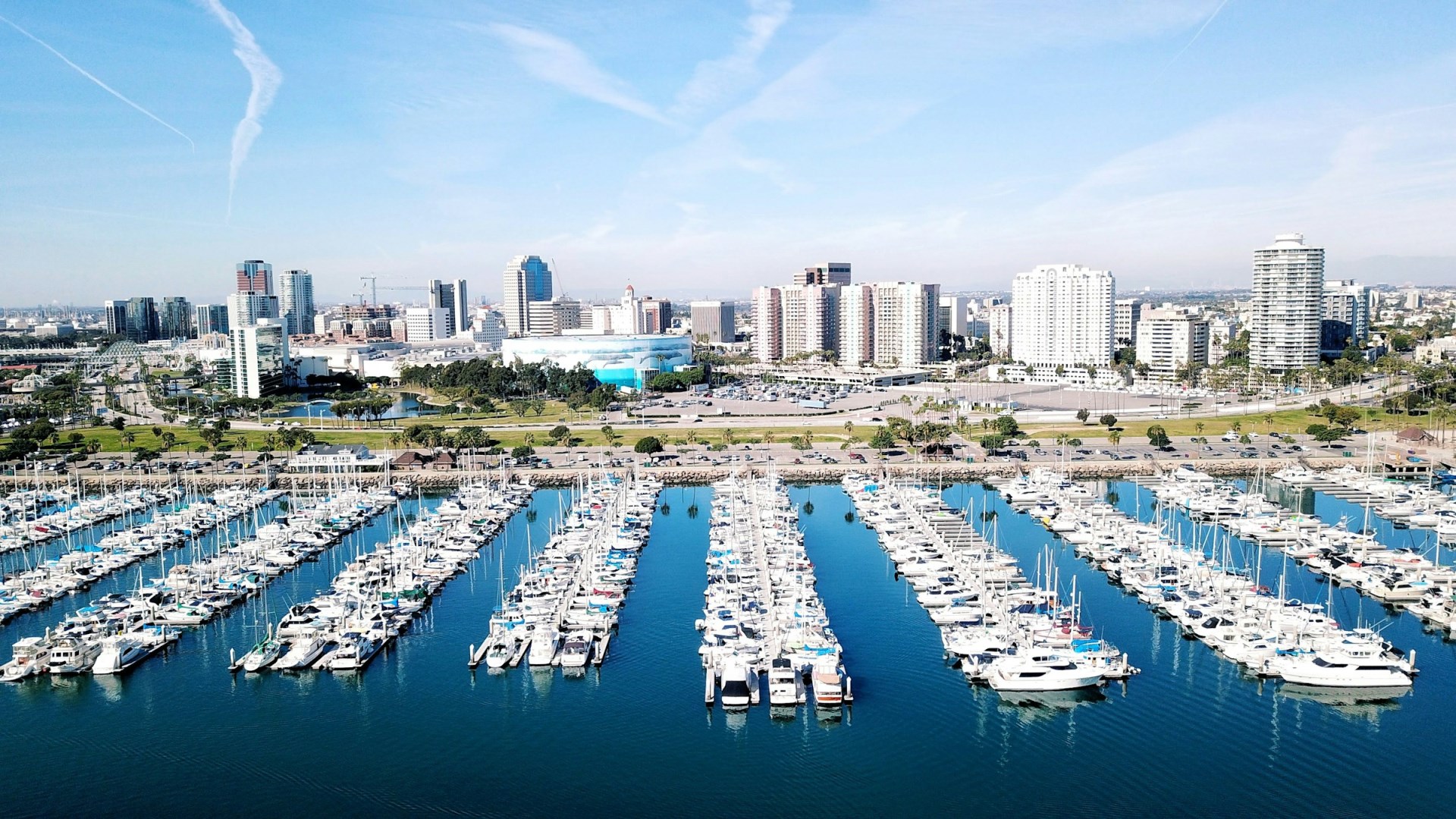
Long Beach
Long Beach is a major coastal city in Southern California, located south of Los Angeles where the Los Angeles River meets the Pacific Ocean. Its waterfront combines sandy beaches, marinas, parks, and a busy harbor with a dense urban center. The city is known for its broad waterfront, diverse neighborhoods, and strong connections to shipping, aviation, and maritime industries.
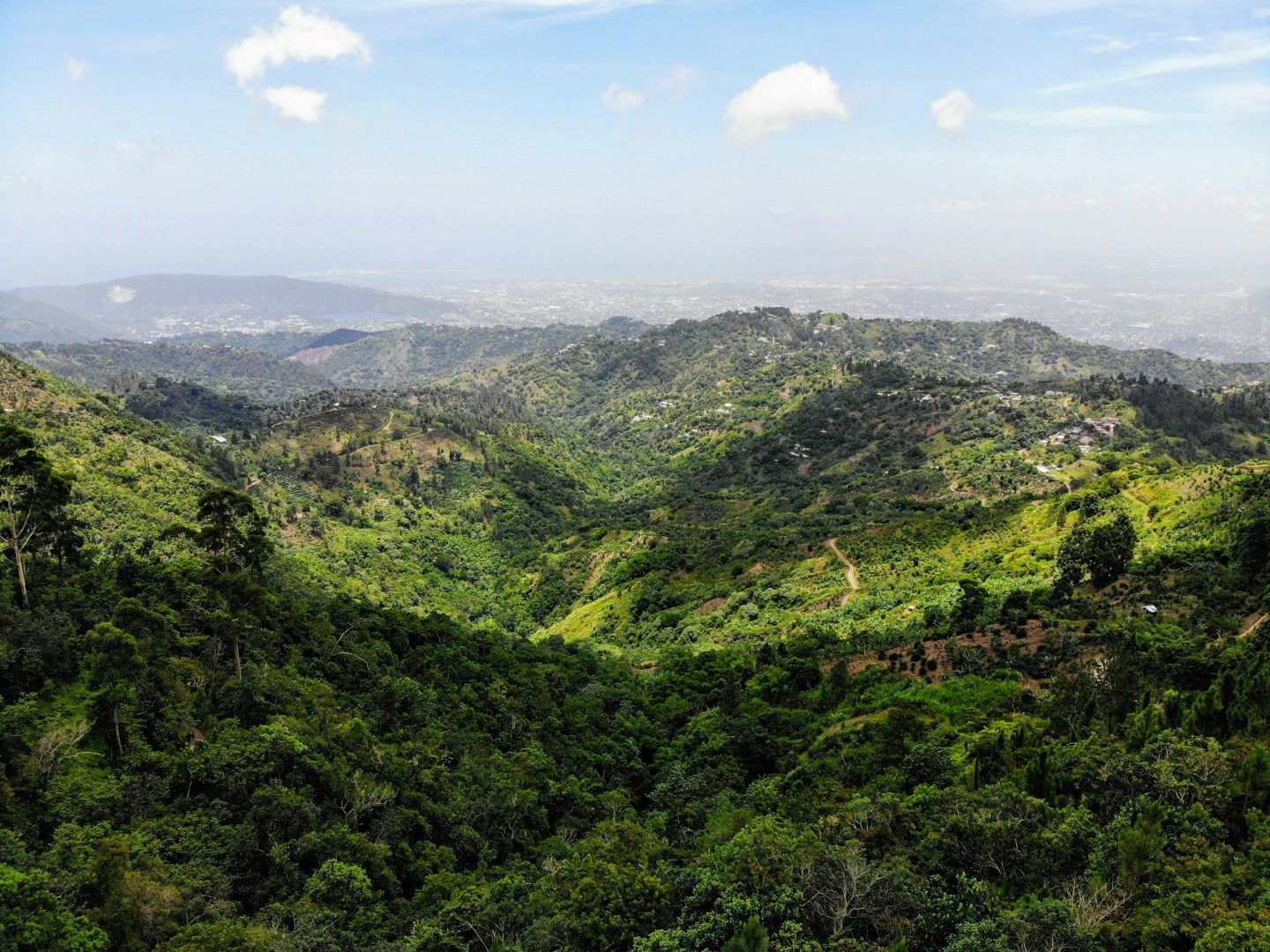
Blue Mountains
The Blue Mountains form Jamaica’s highest mountain range, rising across the eastern part of the island between Kingston, Saint Andrew, Saint Thomas, and Portland. The range is known for steep ridges, deep valleys, cloud forest, waterfalls, and cool mountain conditions that contrast with Jamaica’s coastal plains. Blue Mountain Peak is the highest point on the island, while numerous smaller communities and farms occupy the slopes.

Chiang Mai
Chiang Mai, located in northern Thailand, is a city where ancient walls surround over 30 historic temples, and daily life continues just steps away from centuries-old rituals. Founded in 1296 as the capital of the Lanna Kingdom, the city still reflects its origins through distinctive architecture, moats, and cultural practices. Wat Phra Singh and Wat Chedi Luang are two of the most visited temples within the Old City, offering a chance to see traditional Lanna-style design.
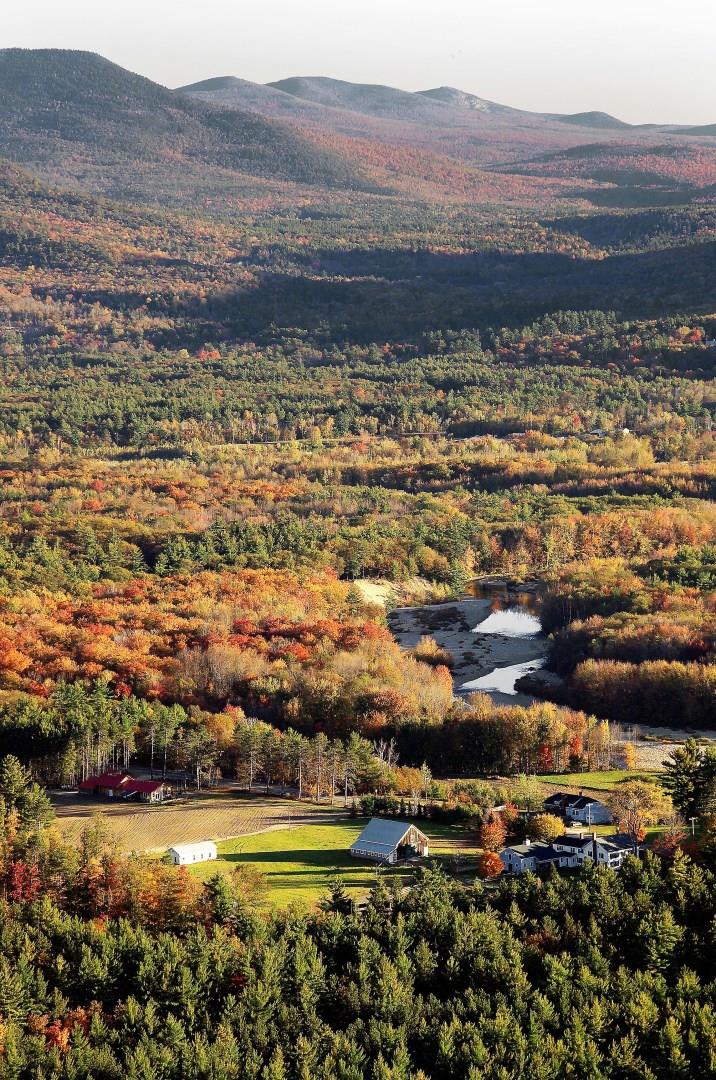
Bartlett
Bartlett, New Hampshire is a small White Mountains town with a deep connection to outdoor adventure and quiet mountain charm. Founded in the late 18th century, Bartlett began as a logging and railroad hub, and remnants of that past still echo through its historic buildings and covered bridges. The Bartlett Roundhouse, a relic from the town’s railway days, now serves as a museum and reminder of how trains once connected this remote region to the rest of New England.
