
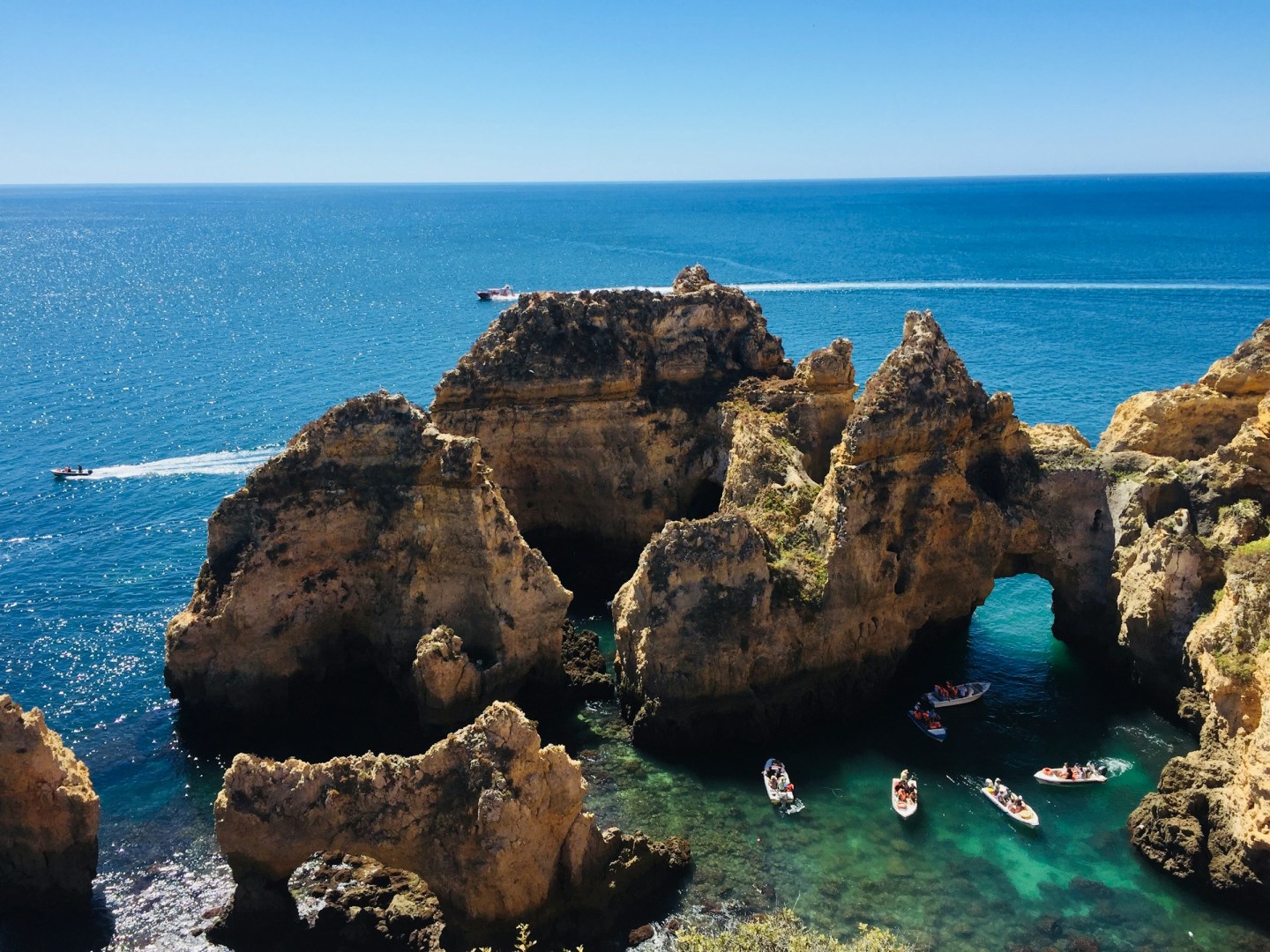
Lagos
Lagos sits on the southern edge of Portugal’s Algarve where a lively old port town meets wide Atlantic skies. Just a short stroll from the heart of town, the coast drops away into a spectacle at Ponta da Piedade, where golden sandstone cliffs rise out of the Atlantic and have been shaped into stacks, natural arches and grottoes over millennia. At the top, the Ponta da Piedade Lighthouse watches over this dramatic shoreline and offers a great backdrop for photos as the sun sets into the ocean.
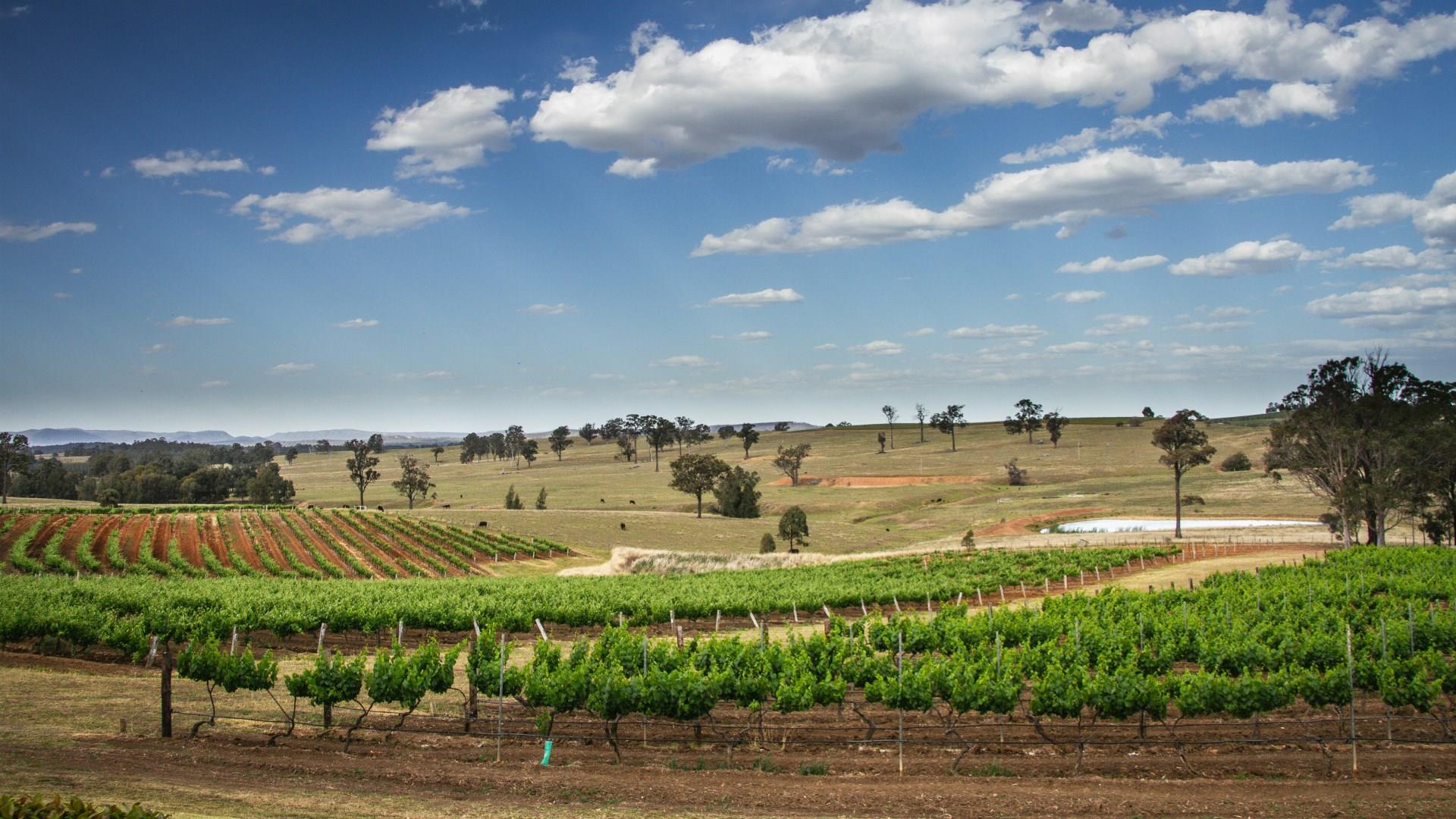
Hunter Valley
Hunter Valley in New South Wales is one of Australia’s oldest and most celebrated wine regions, shaped by European settlement in the early 1800s.
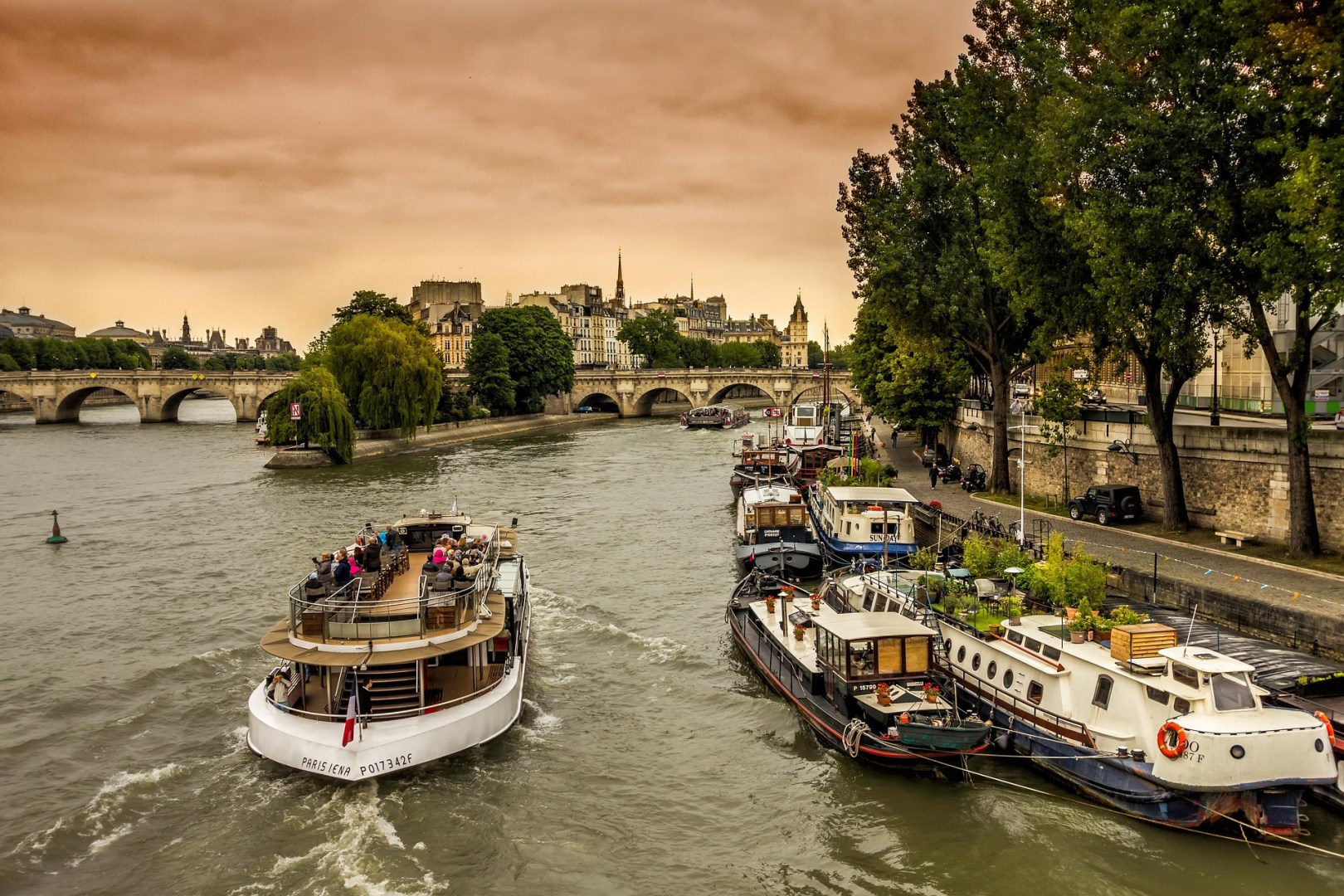
Seine River
The Seine River, meandering gracefully through the heart of Paris, is a living testament to the city’s rich history and vibrant culture. From the picturesque quays to the iconic landmarks lining its banks, the Seine offers an enchanting journey through Parisian elegance.
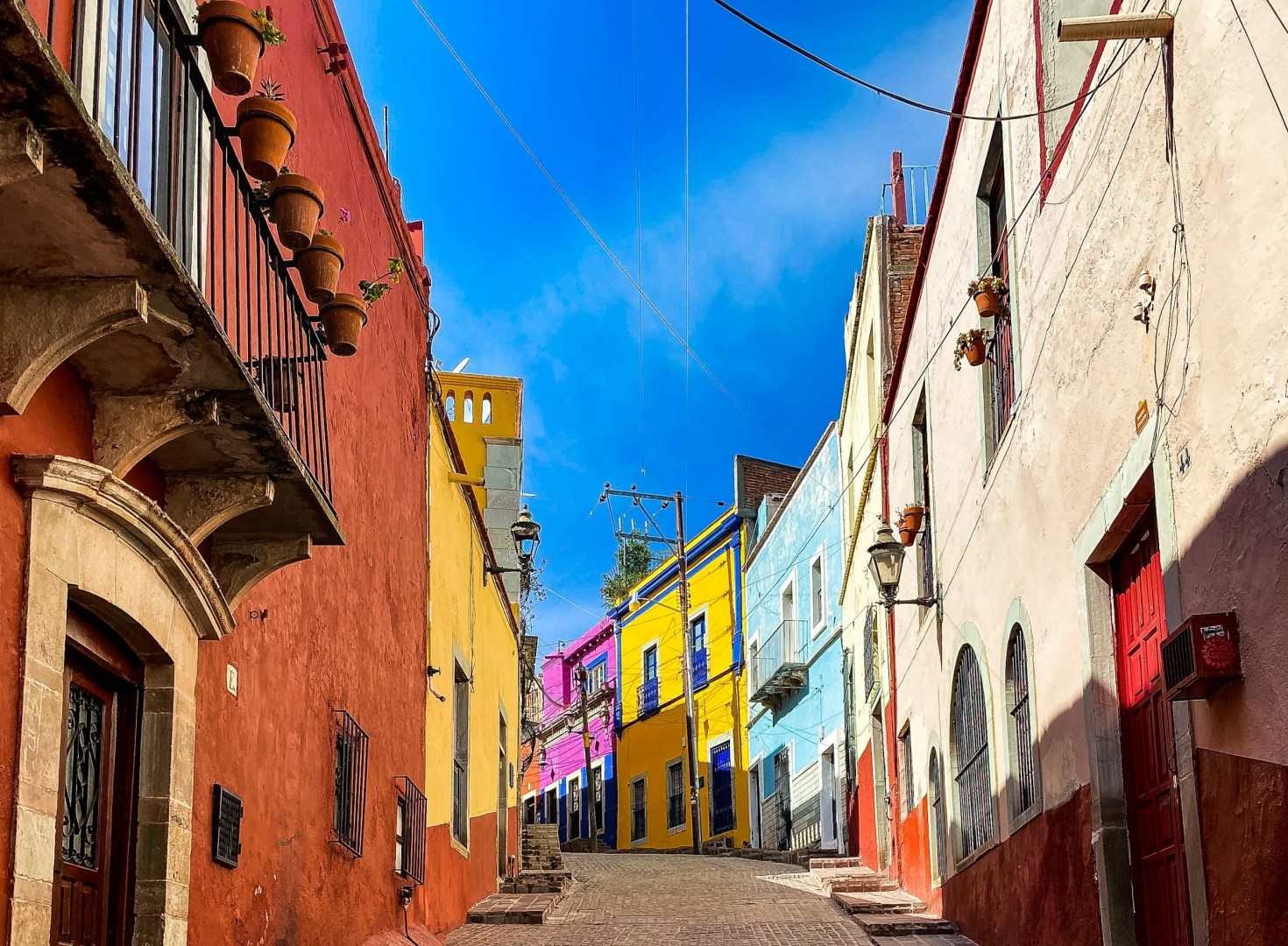
Guanajuato
Guanajuato, a UNESCO World Heritage City nestled in the mountains of central Mexico, is a place where history is built into every hillside alley and underground tunnel. Today, visitors can still tour La Valenciana Mine, where centuries-old tunnels and original mining equipment offer a glimpse into the city's wealth-driven past. The nearby Templo de San Cayetano, built by mine owners in the mid-1700s, is a stunning example of baroque design, lined with gilded altars and intricate woodwork.

Kenai
Kenai, Alaska, is a captivating destination for those seeking an authentic Alaskan experience. Situated on the Kenai Peninsula, this charming town offers stunning views of Cook Inlet and the surrounding mountains. Visitors can explore the Kenai National Wildlife Refuge, renowned for its diverse wildlife and breathtaking landscapes. Fishing enthusiasts flock to the Kenai River, which is famous for its world-class salmon runs.
