
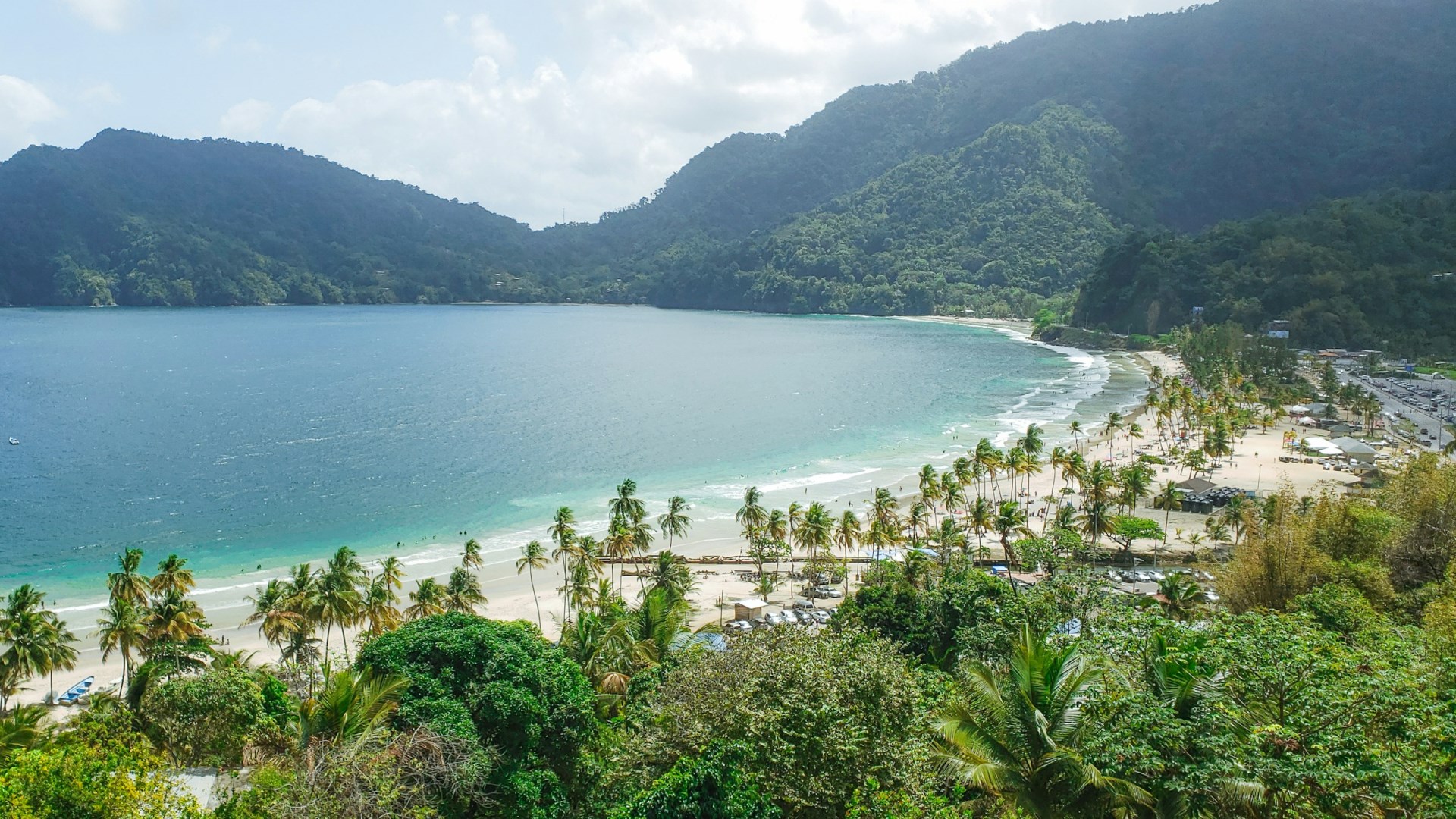
Maracas Bay Village
Maracas Bay Village is a small coastal community on Trinidad’s north coast, set around the well-known Maracas Bay and surrounded by the forested Northern Range. The village lies at the end of the Maracas Valley, where steep green hills descend toward the Caribbean Sea. Its economy and daily life are closely connected with the beach, fishing, small businesses, and visitors from across Trinidad.
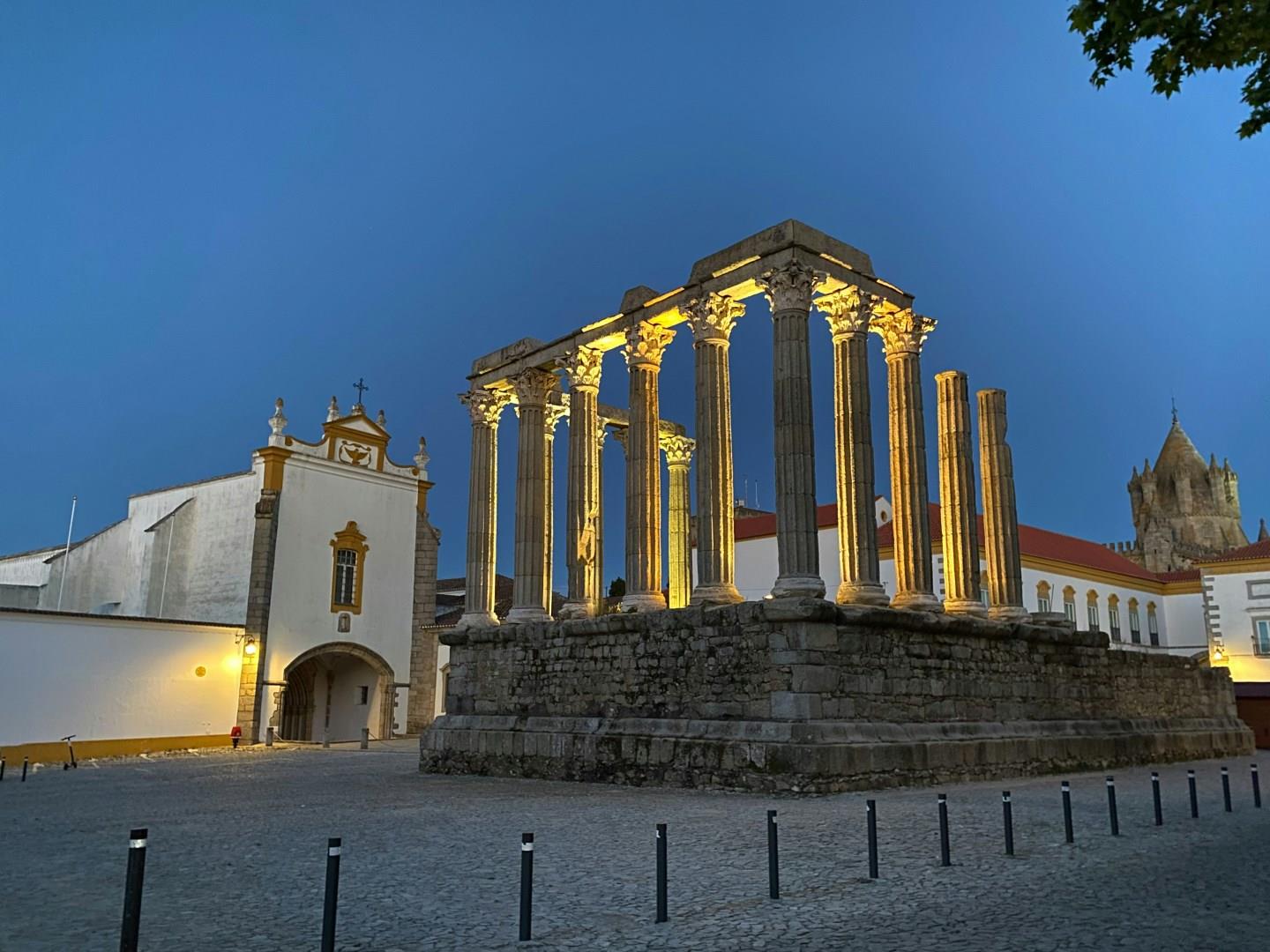
Evora
Évora, in Portugal’s Alentejo region, feels like stepping into a story that spans more than two thousand years. Its Historic Centre was named a UNESCO World Heritage Site for good reason with its ancient walls, homes with wrought-iron balconies, and narrow streets quietly preserve traces of Roman, Moorish, and medieval life. Beyond architecture and monuments, Évora reveals lesser-known treasures that reward exploration.
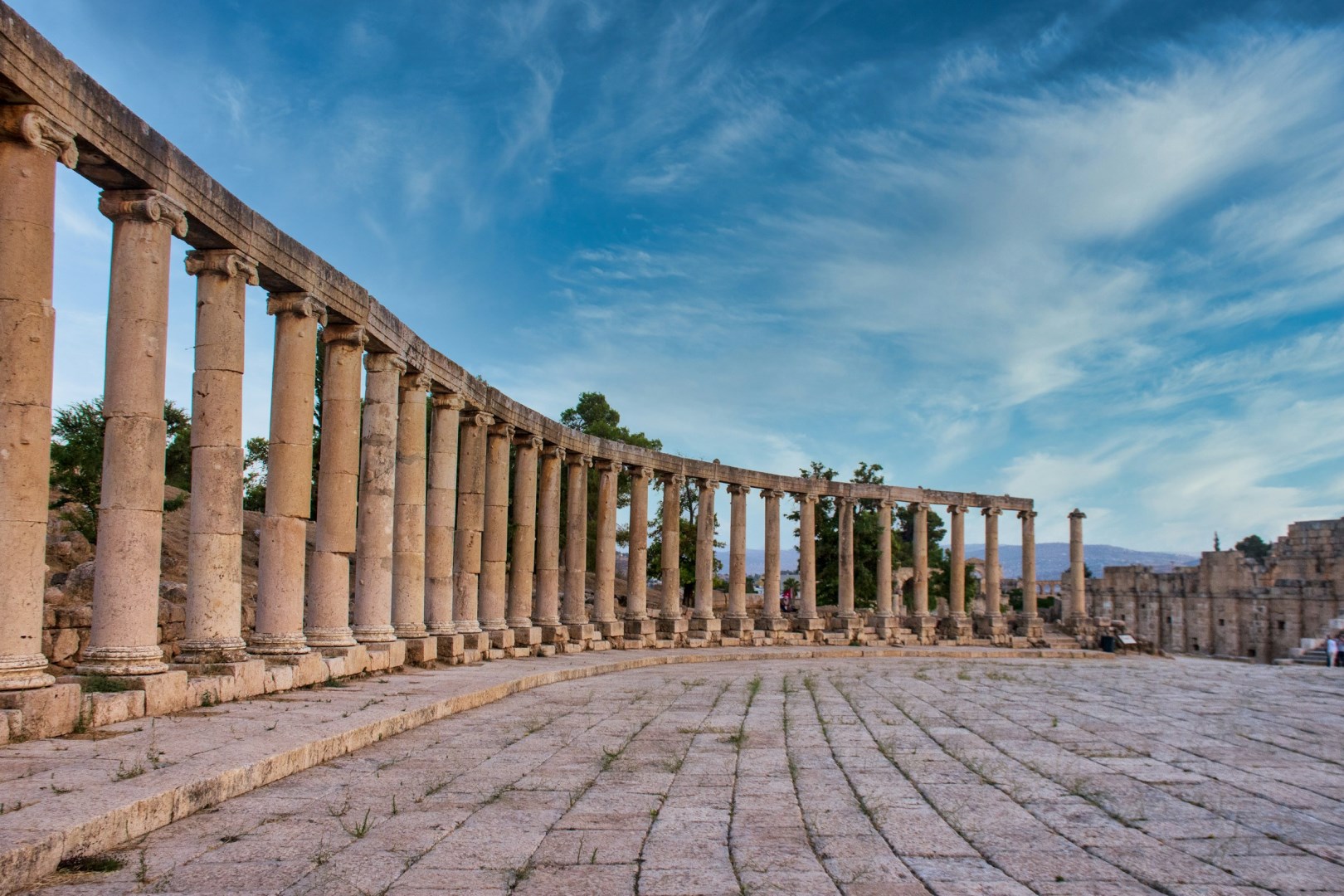
Jerash
Jerash is reached by a short drive (29 miles, 47km) north of Amman and is an ancient Graeco-Roman city, once known as Gerasa. It has been dubbed the 'Pompeii of the East', because of its extraordinary state of preservation. Jerash is a vast city, which flourished in the centuries immediately preceding and following the Christian era.
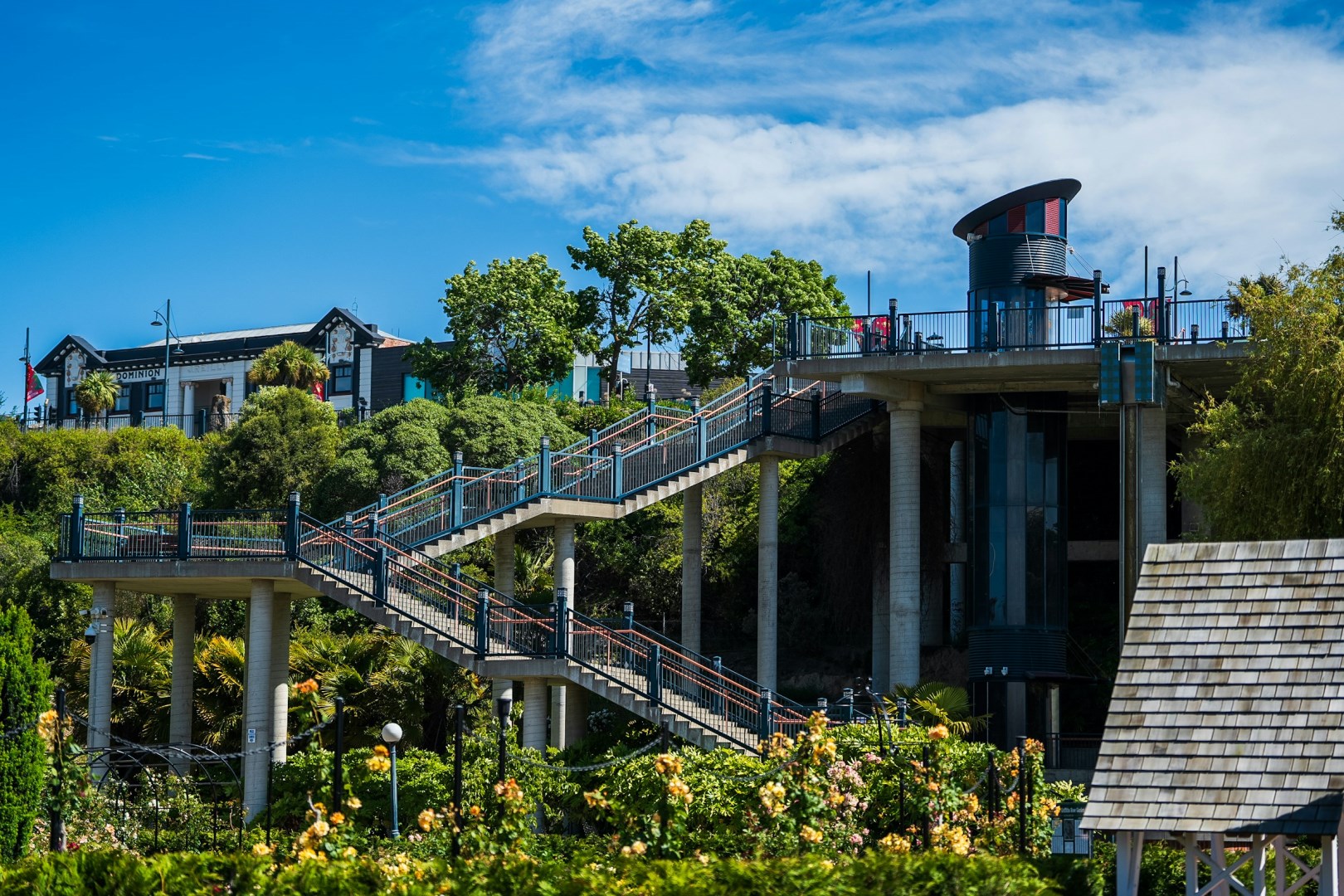
Timaru
Timaru is located on an island off the east coast of New Zealand, between Christchurch and Dunedin. It is a main sea port for industry and farming, as well as a popular port of call, especially around the Christmas Holidays. Originally named "Te Maru - The Place of Shelter", this port town was built as a whaling station until immigrants from England arrived in 1859, and the town was finally declared a city in 1948.
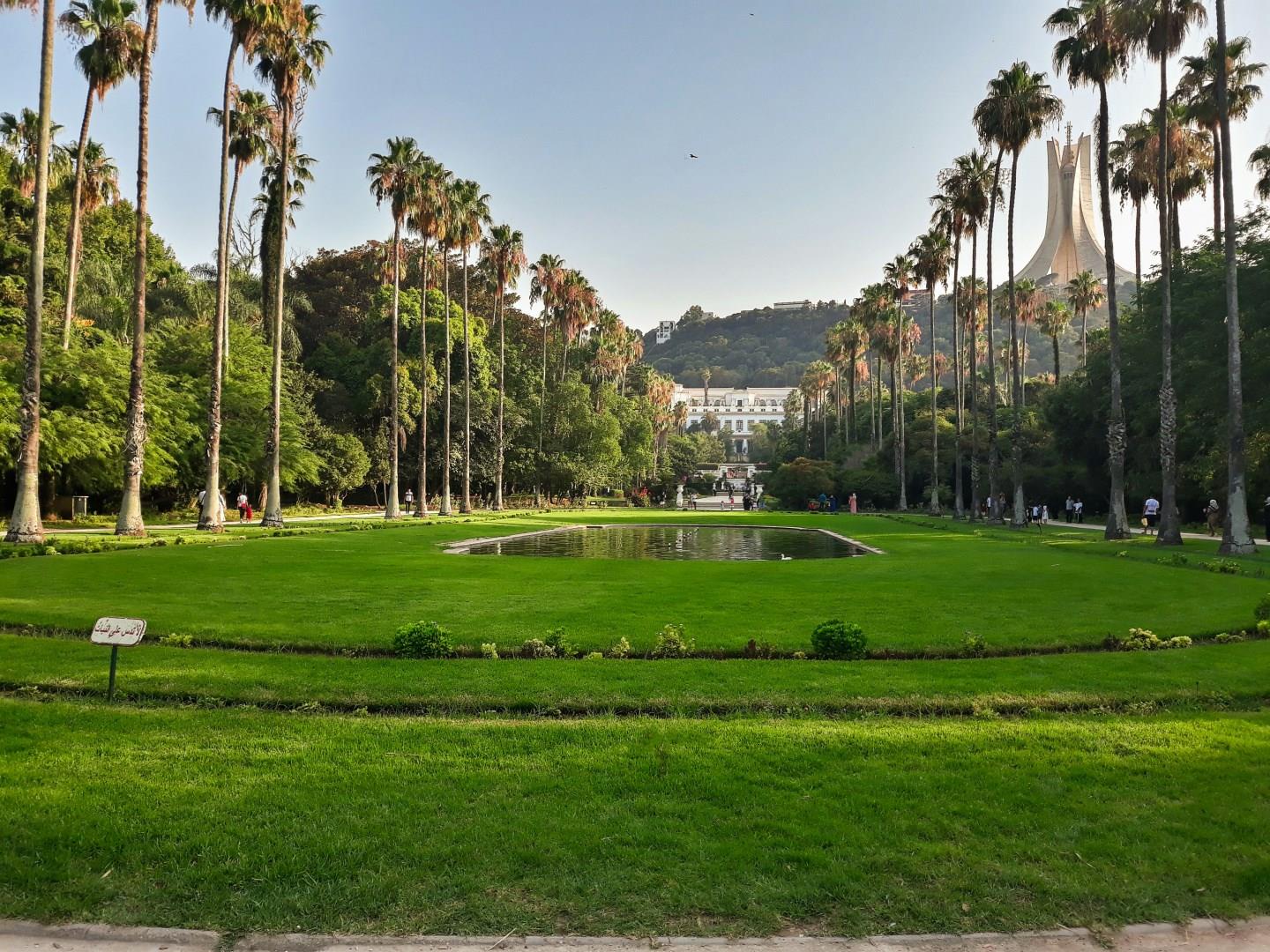
Algiers
Algiers is the capital and largest city of Algeria, occupying a series of hills along the western side of a broad Mediterranean bay. Its landscape combines a historic hillside core, modern districts, busy avenues, and a large waterfront. The white facades of the city rise above the sea, giving Algiers its familiar nickname, “Algiers the White.”
