
Lublin
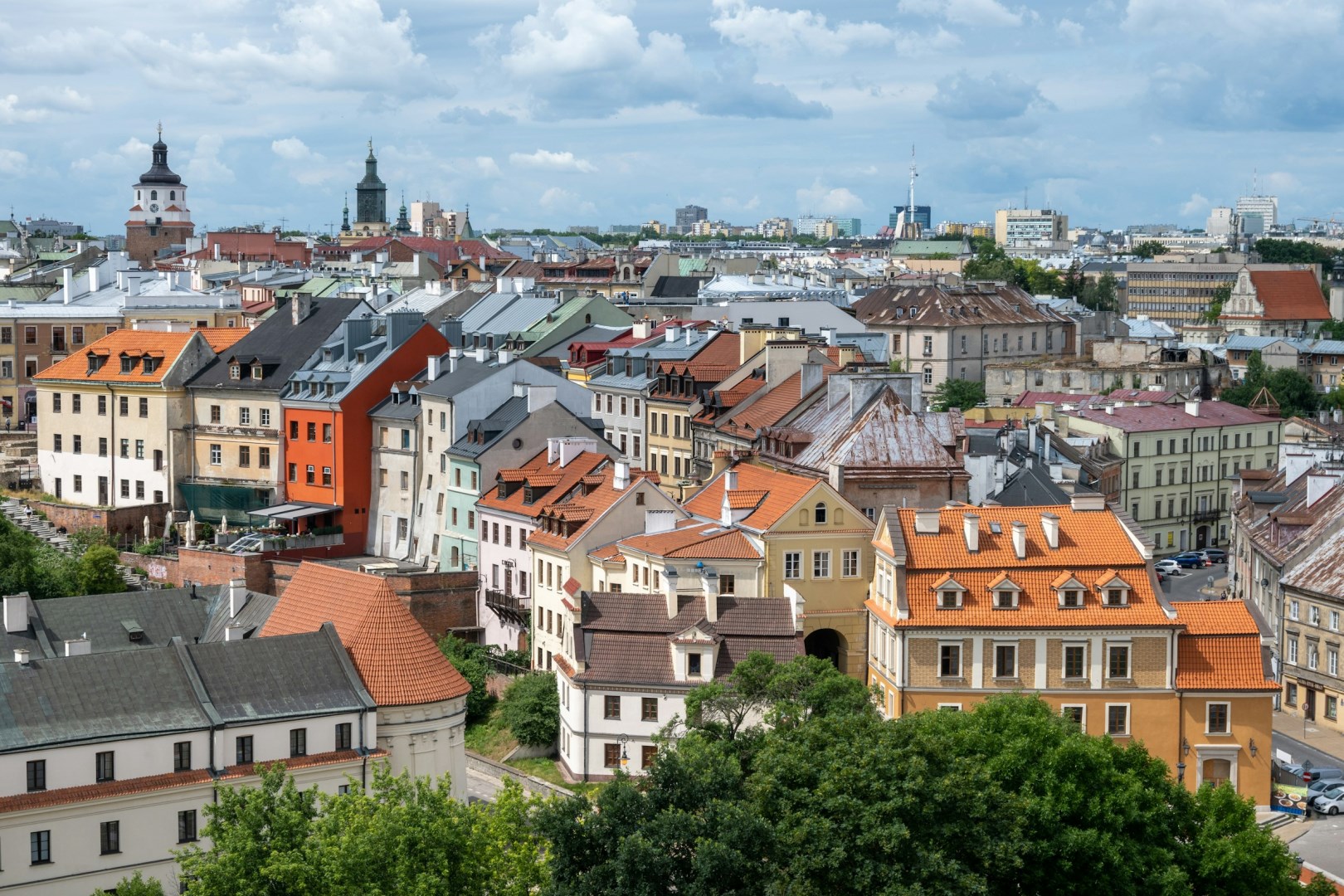
Located on a trade route to Lithuania and Russia, Lublin was already an important center by the time it received its municipal charter in 1317. The city still remains relatively unknown to foreign tourists. From the original defense walls and the Krakow Gate, the remnant of Lublin's medieval wall system to the town hall and the Renaissance burgher houses in the Market Square, Lublin offers numerous visual delights.

Koblenz
This 2,000-year-old city, where the Teutonic Order founded one of its first commanderies in the 13th century, lies on the convergence of the Moselle and Rhine Rivers. Hop on a cable car, one of the city's most popular attractions, for stunning city-wide views, or cruise down the Rhine to spot some of Koblenz's magnificent fortresses and castles, including the Ehrenbreitstein Fortress and Schloss Stolzenfels.
Georgetown
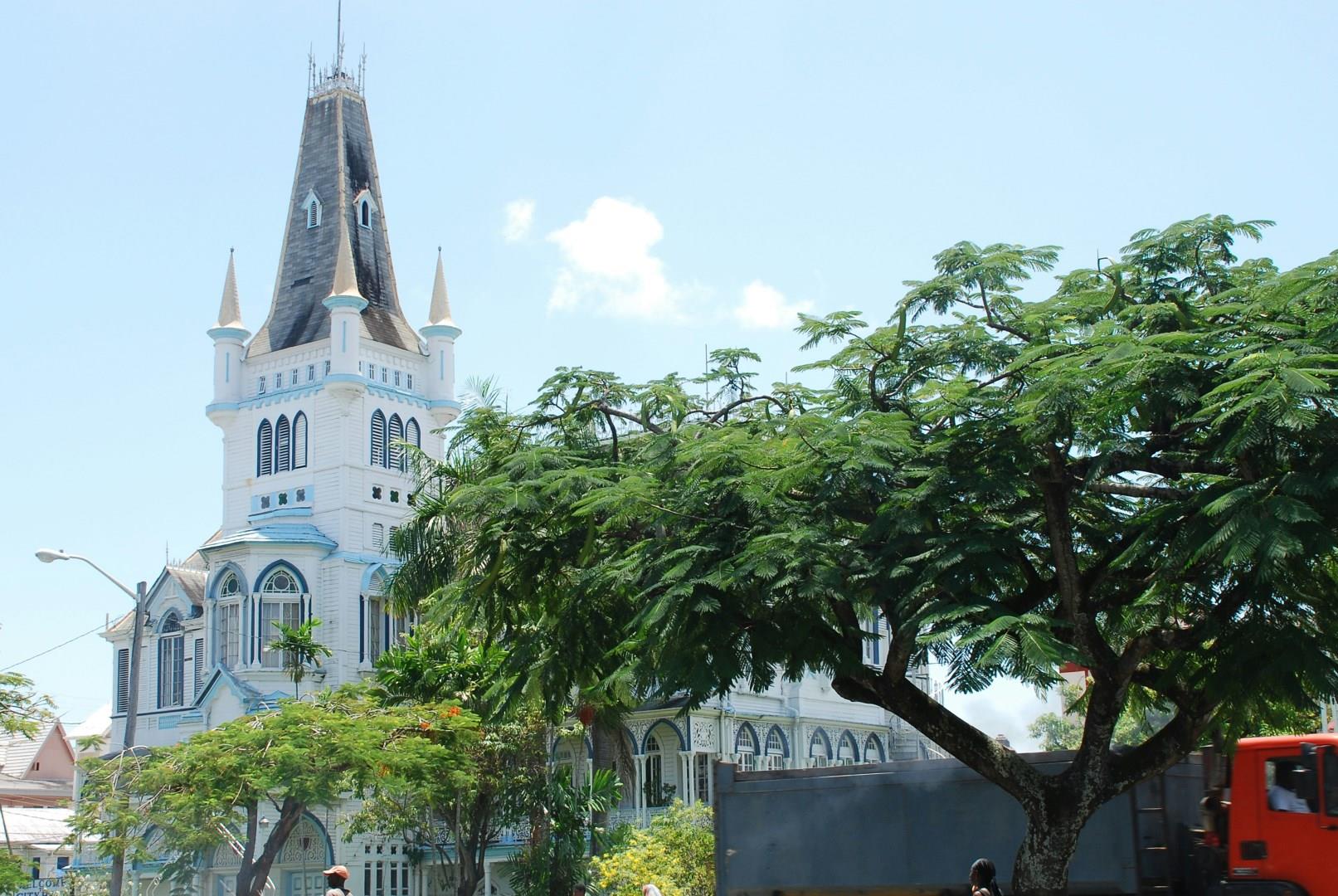
Georgetown, Guyana’s capital, is a city of wooden cathedrals, tree-lined canals, and street corners alive with music, food, and political discussion. Located at the mouth of the Demerara River, the streets still follow the Dutch grid system, and the city’s architectural signature, with its elegant wooden buildings with louvered shutters and fretwork, make it one of the most visually distinct capitals in South America.

Athens
Ancient history comes alive in Athens, the capital of Greece. Gaze in wonder at the Acropolis and its iconic crown, the Parthenon. Take a deeper dive into the past and visit both the Acropolis Museum and the National Archaeological Museum, which house fascinating artifacts from this ancient city.

Mekong River
The Mekong River, one of the world’s most iconic waterways, flows through six countries in Southeast Asia (China, Myanmar, Laos, Thailand, Cambodia, and Vietnam). Stretching over 4,300 kilometers, the Mekong weaves through lush landscapes, villages, and historic cities, making it an unforgettable destination for those seeking adventure. Cruising along the river is one of the best ways to explore its wonders, from the tranquil waters of Laos to the floating markets of Vietnam.
