
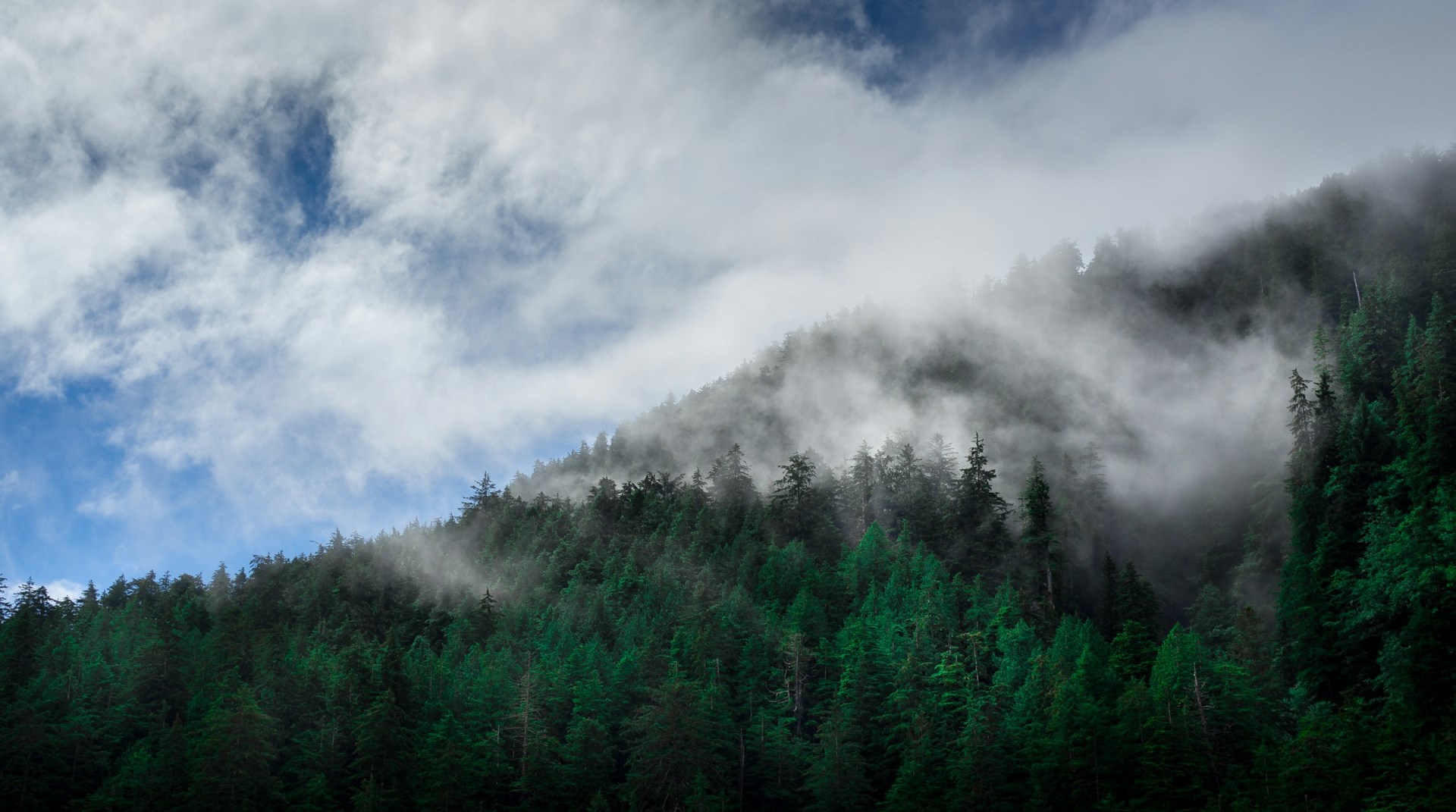
Haida Gwaii
Formerly know as Queen Charlotte Island, this beautiful island is located north of Vancouver Islands along the west coast of British Columbia, Canada. Fishing area with heavy native American culture.
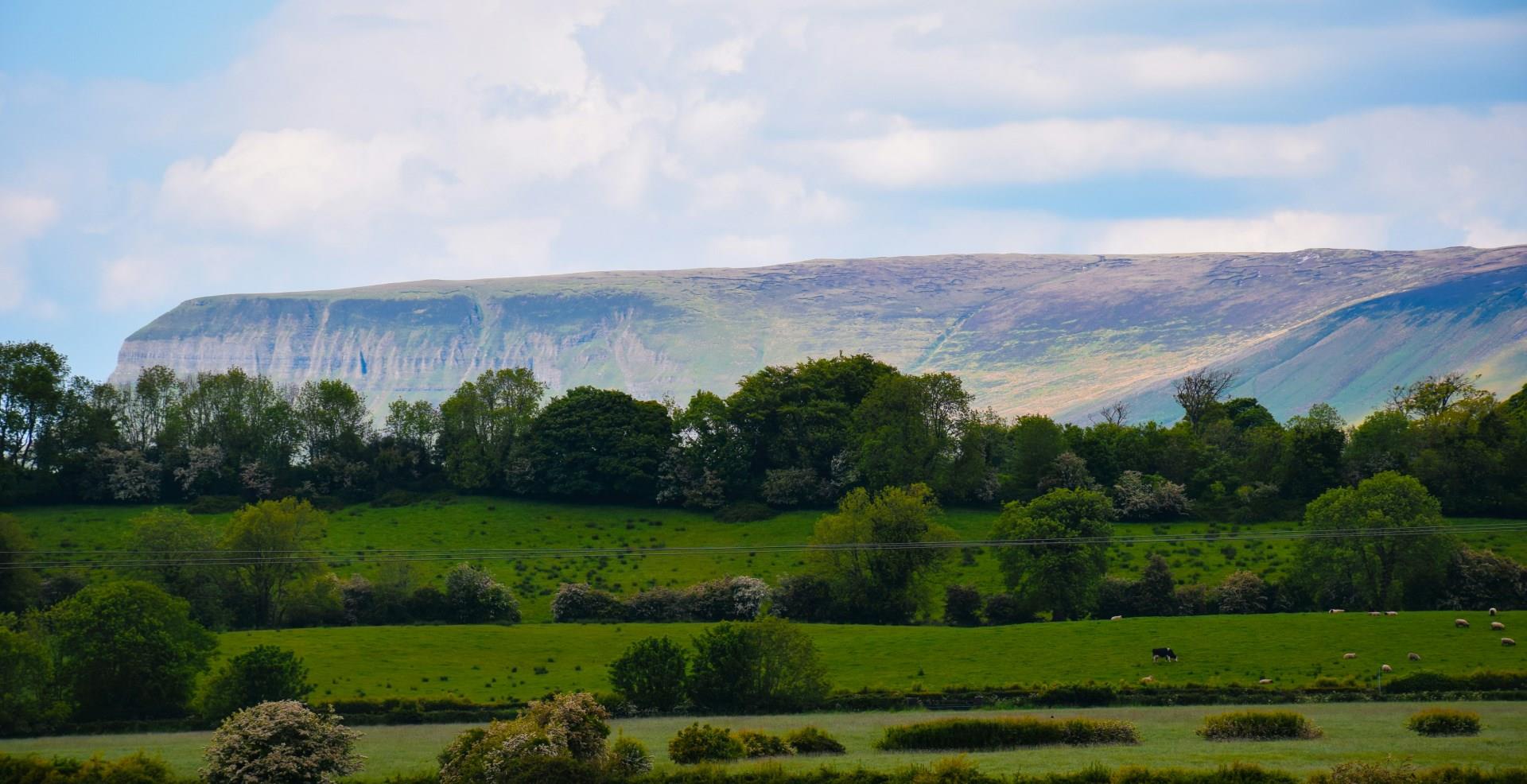
Sligo
Sligo, a coastal town in the northwest of Ireland, is known for its rugged landscapes, literary heritage, and vibrant cultural scene. Nestled between mountains and the Atlantic Ocean, it has long inspired poets and writers, most famously W.B. Yeats, whose presence still echoes through the town’s galleries, libraries, and walking trails. Sligo’s charm lies in its mix of natural beauty and creative energy, where the rugged countryside meets lively streets full of music and arts.
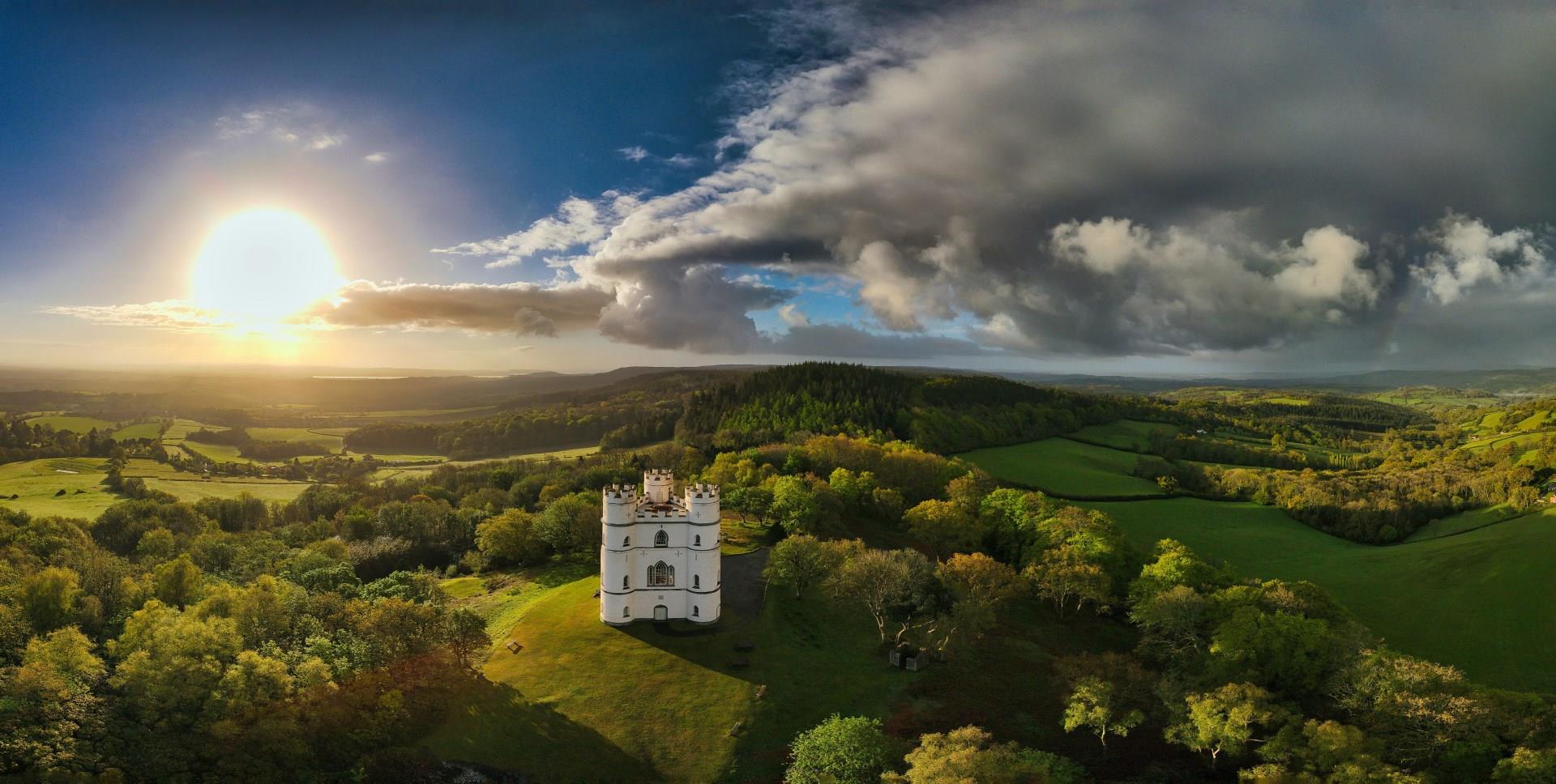
Exeter
Exeter sits in southwest England at a natural crossing of the River Exe, a position that has shaped its role since Roman times.

Donji Milanovac
Donji Milanovac is a gateway to the Iron Gates Gorge, one of the most stunning natural attractions in the region.
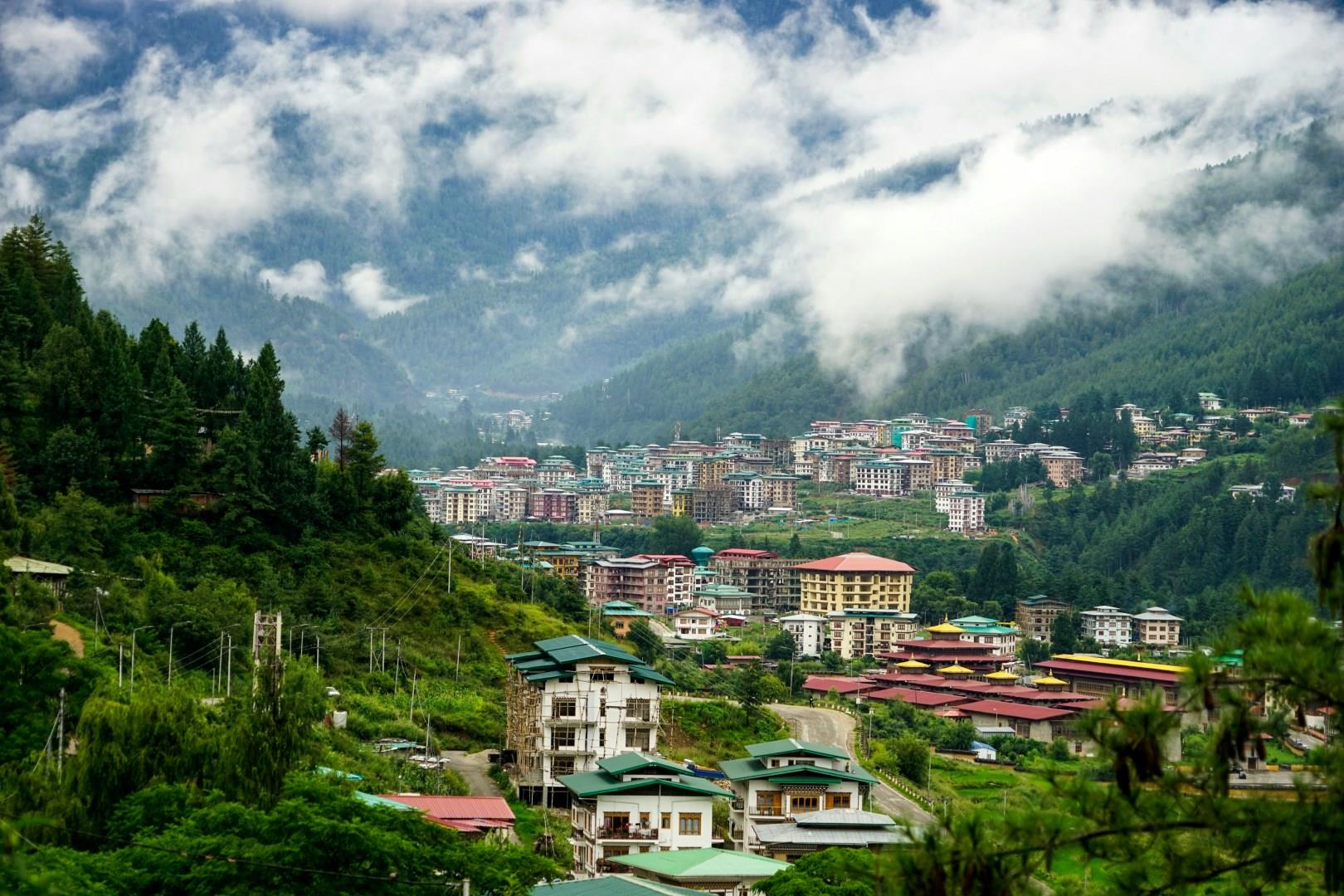
Thimpu
Thimphu, the capital of Bhutan, is a city where tradition and modern life meet in unexpected ways. Streets are lined with traditional Bhutanese architecture, colorful prayer flags, and shops selling handicrafts, while government offices and modern facilities operate alongside centuries-old temples.
