

Boston
Evidence of our nation's birth abounds in Boston, a hub of revolution that is essentially the oldest city in the United States. Visitors are compelled to walk the 2.5-mile Freedom Trail around the city center, and bear witness to 16 historical locations related to the history of America.

Tan Chau
Tan Chau, located in the Mekong Delta region of Vietnam, is most well-known for its exclusive silk production, using local materials such as dyes made from the mac nua (Diospyros mollis) fruit.

Lake Naivasha
Naivasha, a charming town in Kenya's Rift Valley, offers a unique blend of natural beauty and cultural experiences. At the heart of this area is Lake Naivasha, a freshwater lake renowned for its abundant birdlife and picturesque scenery. Visitors can embark on boat rides to spot hippos and various bird species, including the elusive African fish eagle.
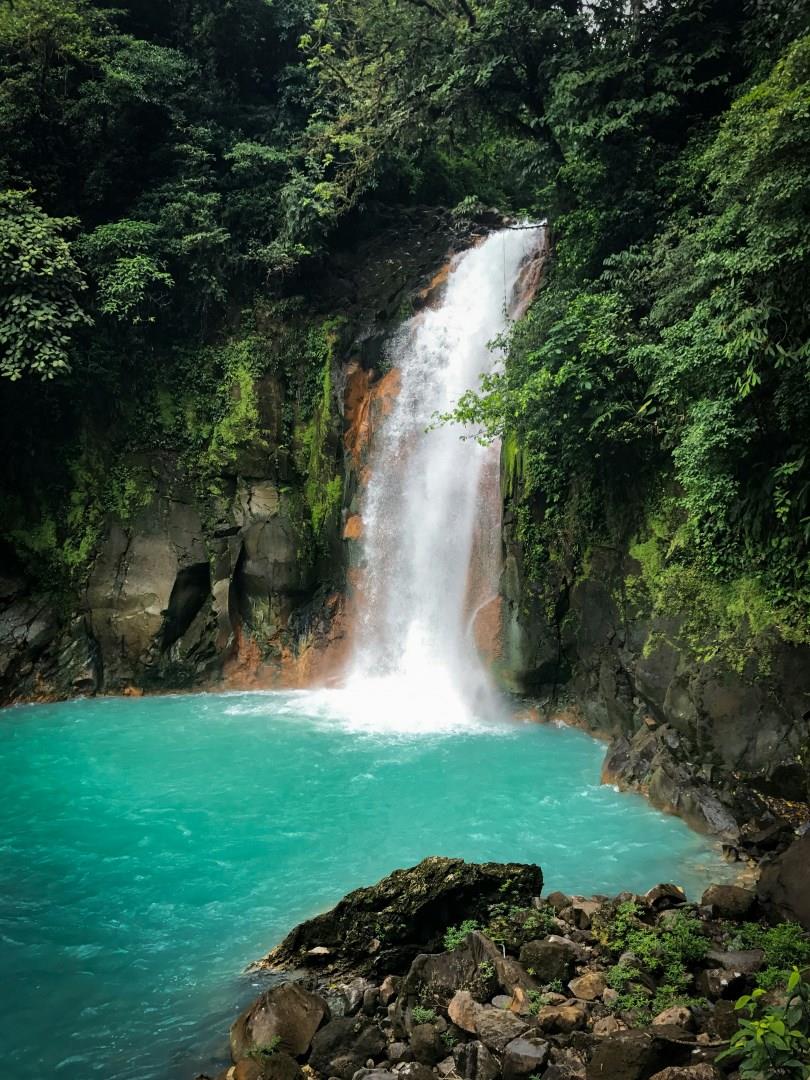
Celeste River
Hidden in the northern region of Costa Rica, the Celeste River (Río Celeste) winds through Tenorio Volcano National Park with a color so vivid it seems unreal. The river’s striking turquoise hue is caused by a natural chemical reaction between two mineral-rich streams, Quebrada Agria and Río Buena Vista, which merge at a point known as "El Teñidero." This one-of-a-kind phenomenon creates the illusion that the water has been dyed blue, even though no pigments are present.

Sossusvlei
Sossusvlei, located in the heart of the Namib Desert in Namibia, is a breathtaking destination that captivates travelers with its surreal landscapes and towering red sand dunes. The star attraction of Namib-Naukluft National Park, Sossusvlei is famous for its clay pans surrounded by some of the highest sand dunes in the world, some reaching heights of over 300 meters.
