
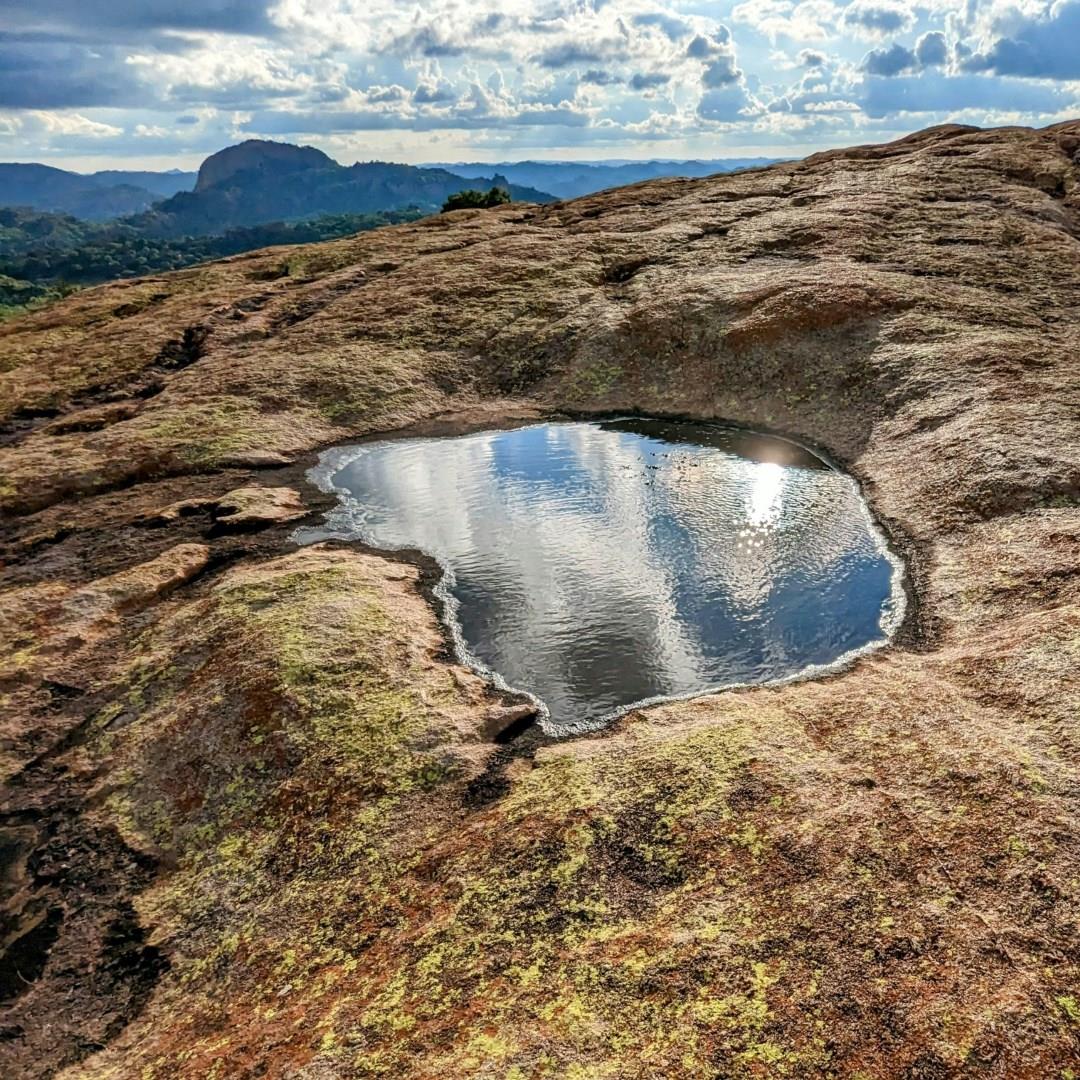
Matobo National Park
Matobo National Park sits in the rolling hills of southern Zimbabwe stands as one of the country’s most remarkable landscapes. Its granite domes, balancing rocks and wooded valleys have formed over more than two billion years, creating a setting that feels both ancient and alive. As a UNESCO World Heritage cultural site, the park preserves a landscape that has shaped human life here for millennia, drawing travelers to explore its unusual terrain and storied past.
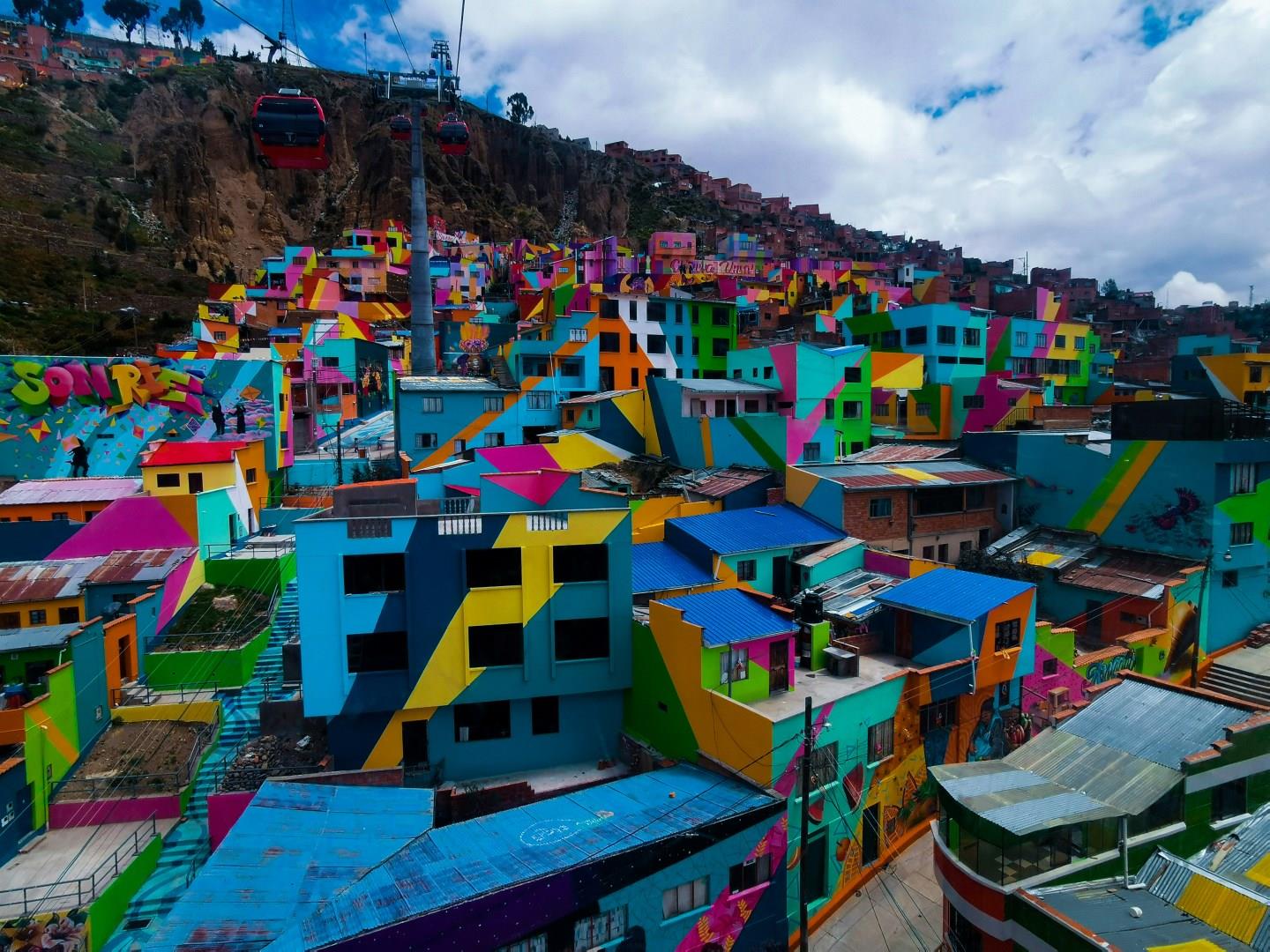
La Paz
La Paz, Bolivia’s seat of government, is one of the world’s highest capital cities, dramatically set in a deep canyon carved by the Choqueyapu River. Founded in 1548 atop an important Indigenous settlement, the city has long been a crossroads of Andean cultures, colonial history, and modern political life.

Stromboli
Stromboli is a small volcanic island in the Tyrrhenian Sea, just off the north coast of Sicily. Referred to by some as the "Lighthouse of the Mediterranean," Stromboli is in a constant state of mild volcanic activity, so don't venture out on a hike without an experienced guide.
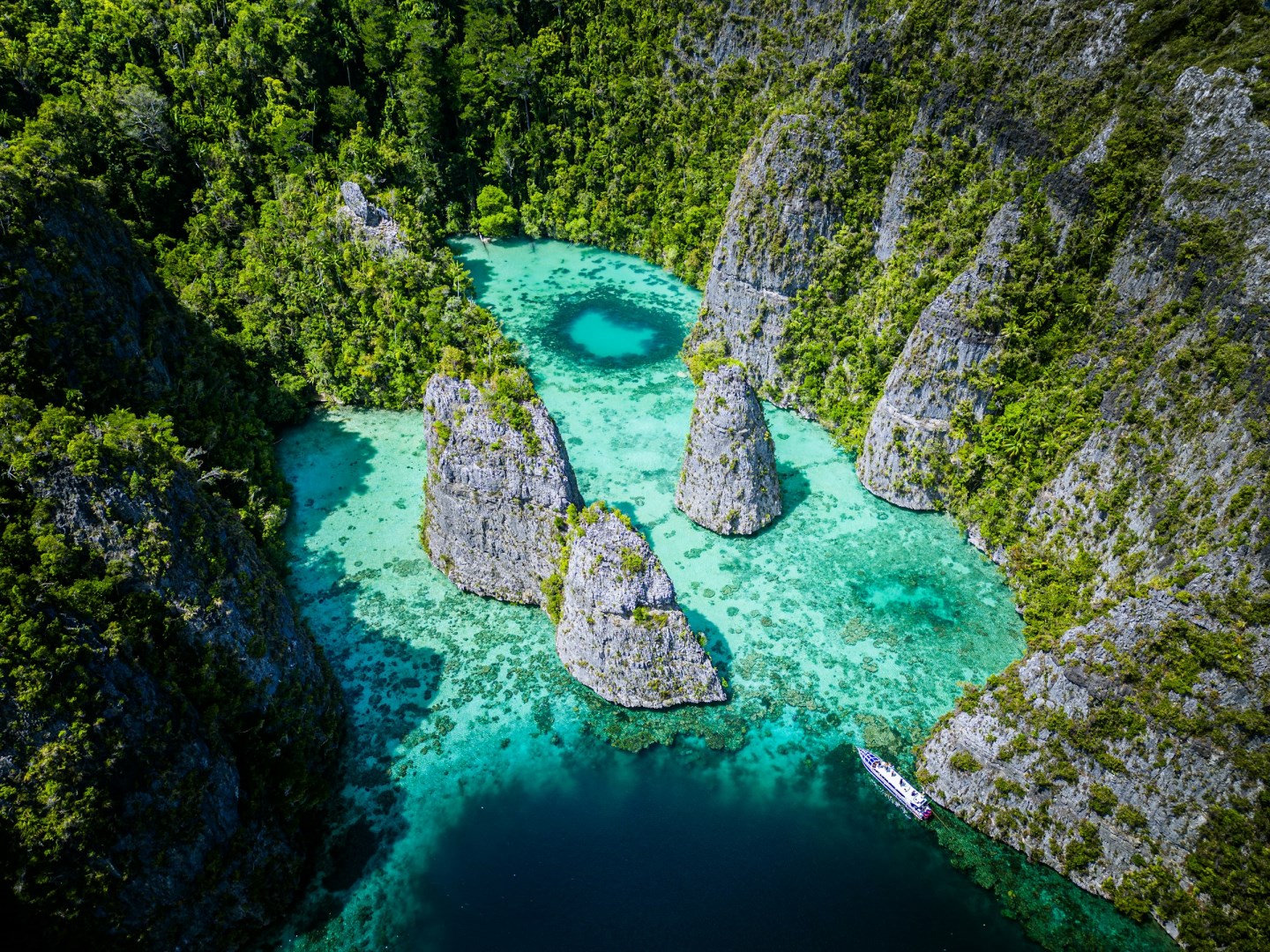
Misool
Misool is one of the four major islands of Raja Ampat in Southwest Papua, Indonesia, lying southwest of the larger island of New Guinea. The island is surrounded by a network of smaller islands, reefs, limestone formations, and sheltered bays. Much of its landscape remains lightly developed, with dense forest covering the interior and clear waters extending along the coast.
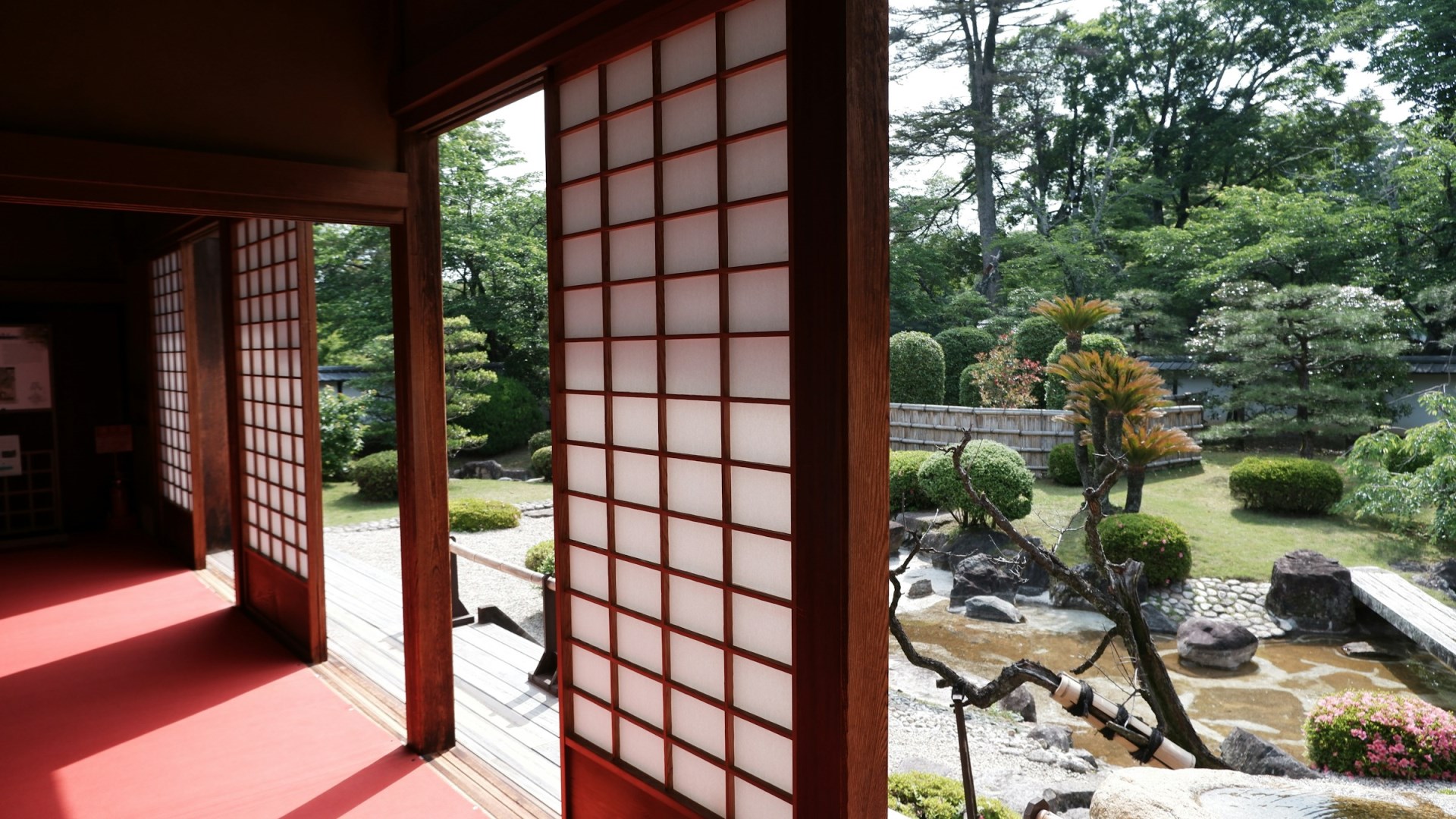
Hikone
Hikone is a city in Shiga Prefecture on the eastern shore of Lake Biwa, Japan's largest lake. Its location combines a historic castle town with lakeside landscapes, wooded hills, and traditional neighborhoods. Hikone Castle, a National Treasure, is the city's best-known landmark and remains surrounded by moats, stone walls, and gardens.
