
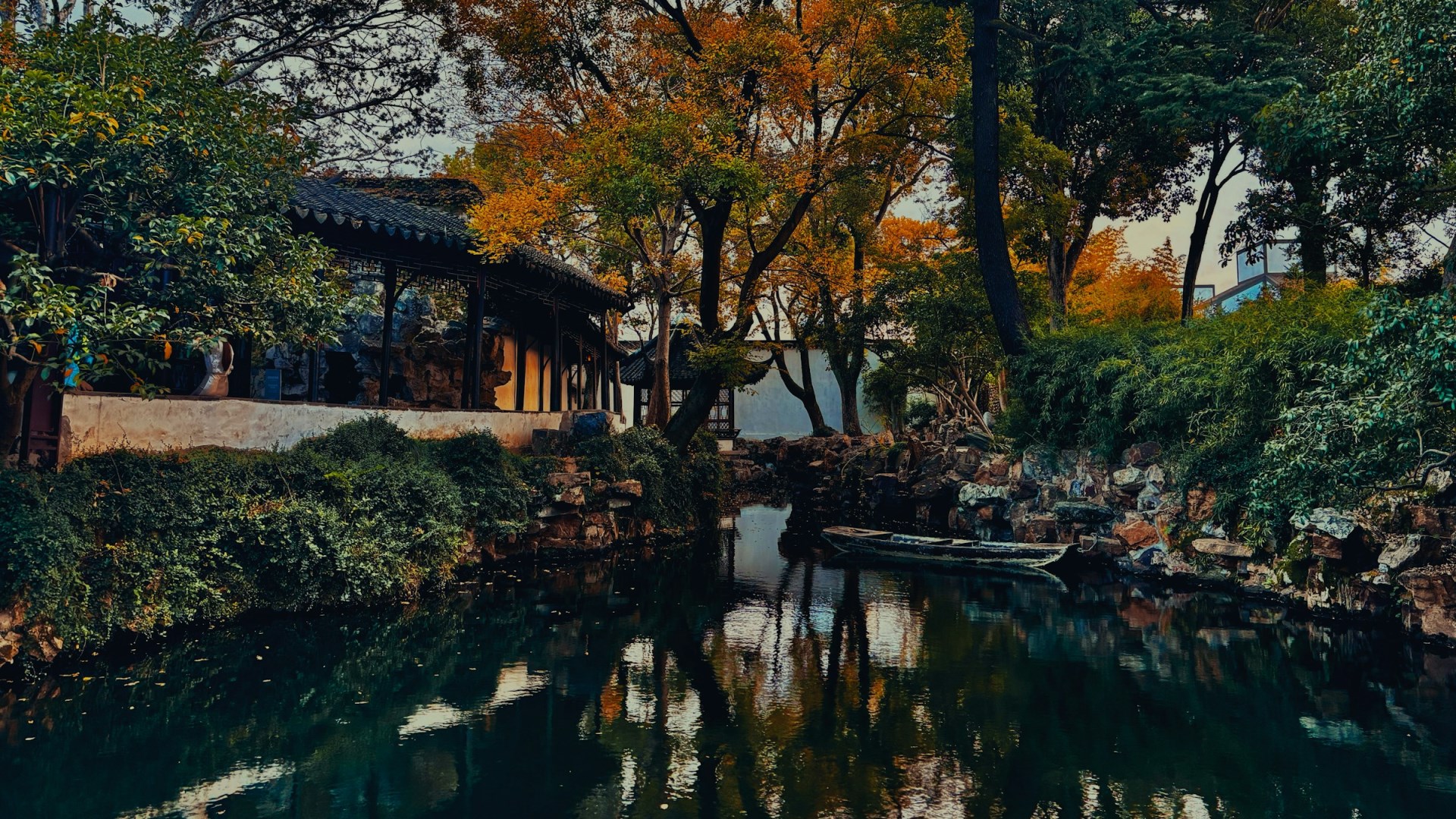
Suzhou
Suzhou, often referred to as the "Venice of the East," enchants visitors with its labyrinth of canals, classical gardens, and rich silk heritage. Located in eastern China's Jiangsu Province, Suzhou is famed for its beautifully preserved classical Chinese gardens, which are UNESCO World Heritage Sites.

Silistra
Silistra, a charming city located on the southern bank of the lower Danube River in Bulgaria, is a hidden gem that seamlessly blends ancient history with natural beauty. Founded by the Romans as Durostorum, Silistra is one of Bulgaria’s oldest cities, offering a wealth of historical sites that transport visitors back to the Roman Empire. The Silistra Roman Tomb, with its well-preserved frescoes, stands as a testament to the city’s rich past and is a must-visit for history enthusiasts.
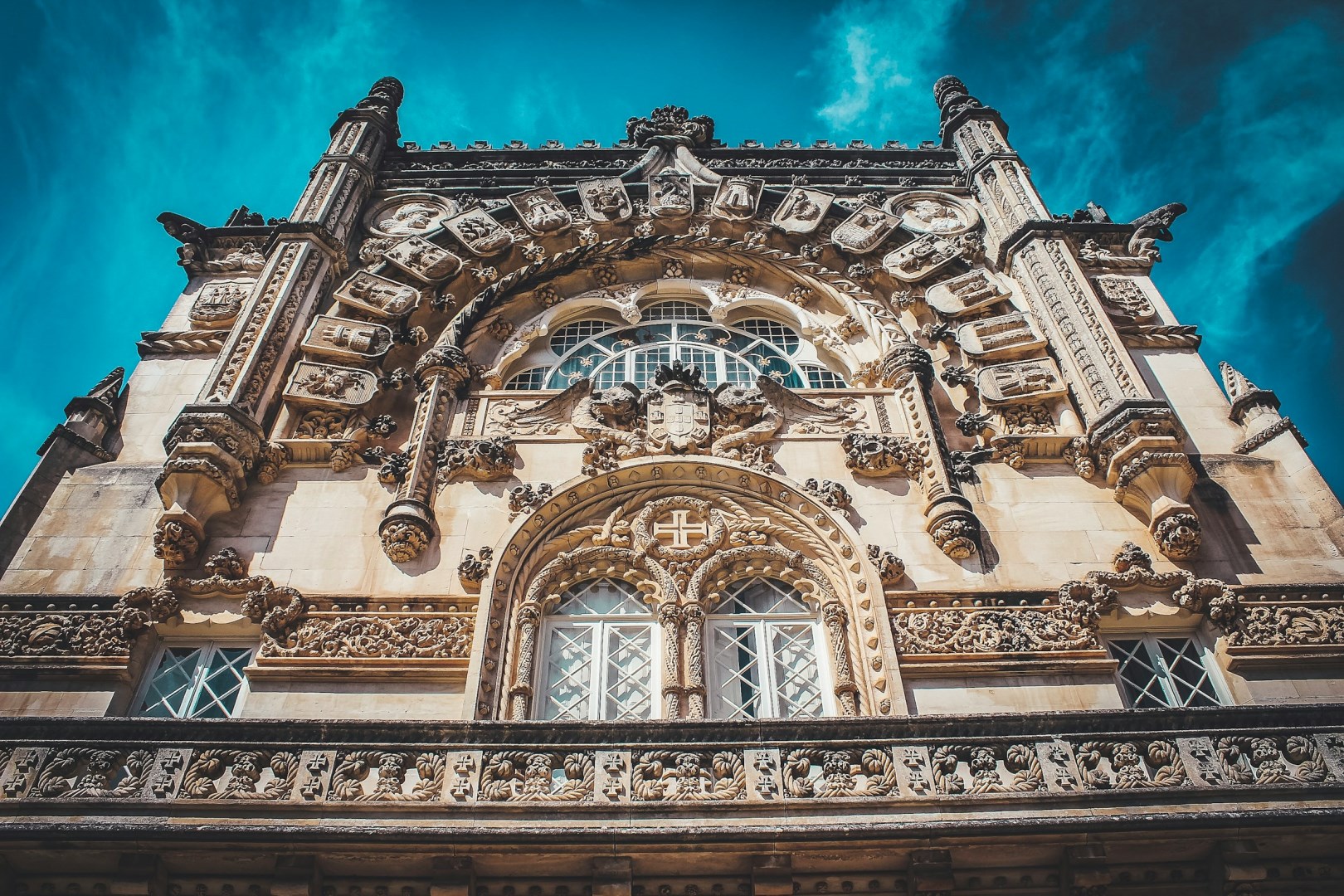
Portugal
Portugal offers a layered experience shaped by maritime history, deep-rooted traditions, and a coastline that stretches for nearly 1,800 kilometers. In Lisbon, the streets of Alfama wind uphill toward São Jorge Castle, where views of red-tiled rooftops and the Tagus River reveal how the city was rebuilt after the 1755 earthquake. Trams still clatter through narrow streets, and fado music, often performed in candlelit taverns, tells stories of longing and the sea.

Charles Darwin Research Station
Set along the shoreline of Santa Cruz Island in the Galápagos, the Charles Darwin Research Station introduces visitors to a living laboratory shaped by volcanic land and rare wildlife. Located near Puerto Ayora, the station stands as the scientific heart of the islands, where researchers from around the world work side by side to understand and protect species found nowhere else on Earth.
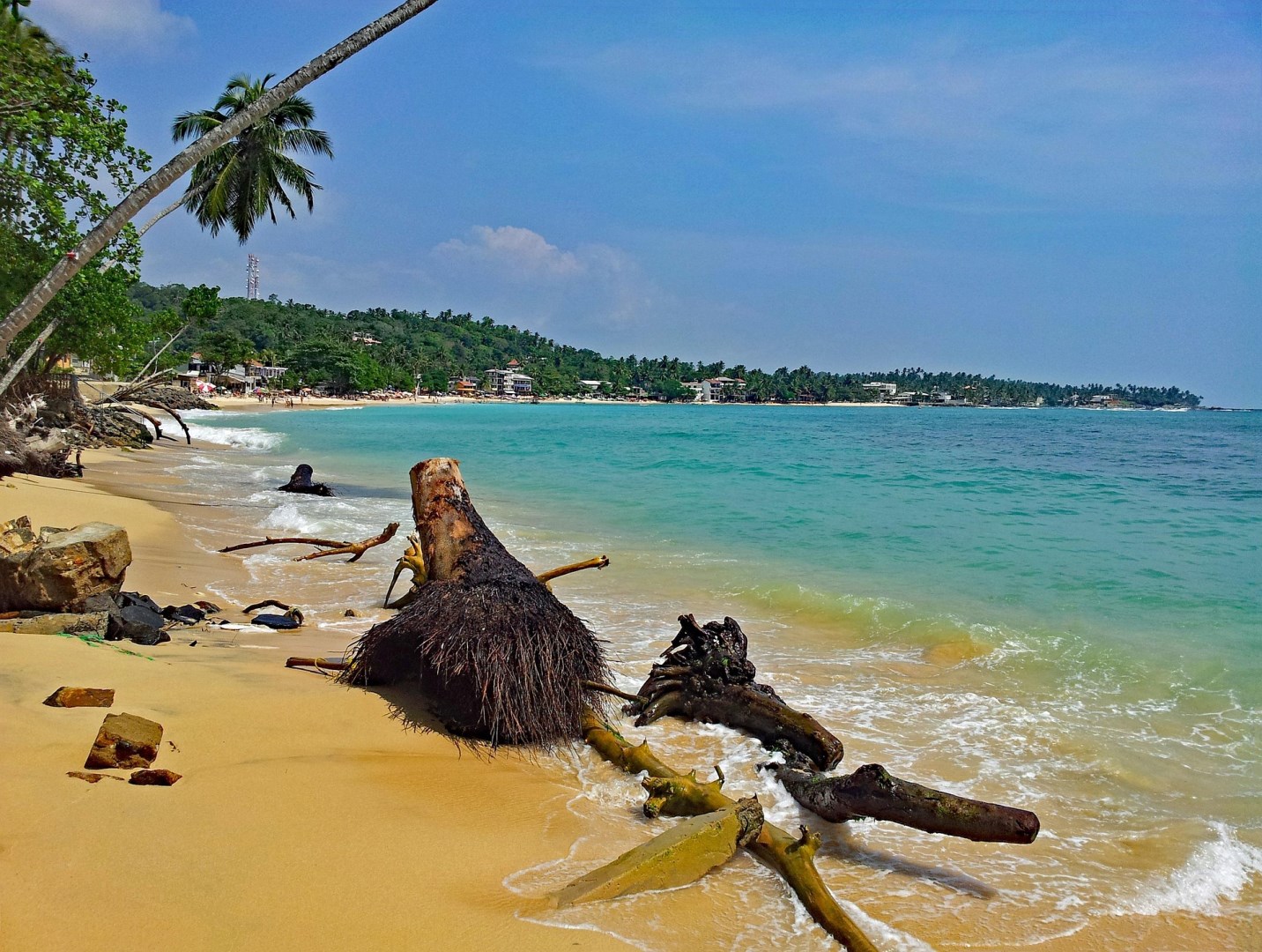
Unawatuna
Unawatuna lies along Sri Lanka’s southern coast, shaped by maritime trade, colonial encounters, and a long relationship with the sea. Once a small fishing village, it developed near historic Galle and reflects layers of Portuguese, Dutch, and British influence that passed through the region.
