
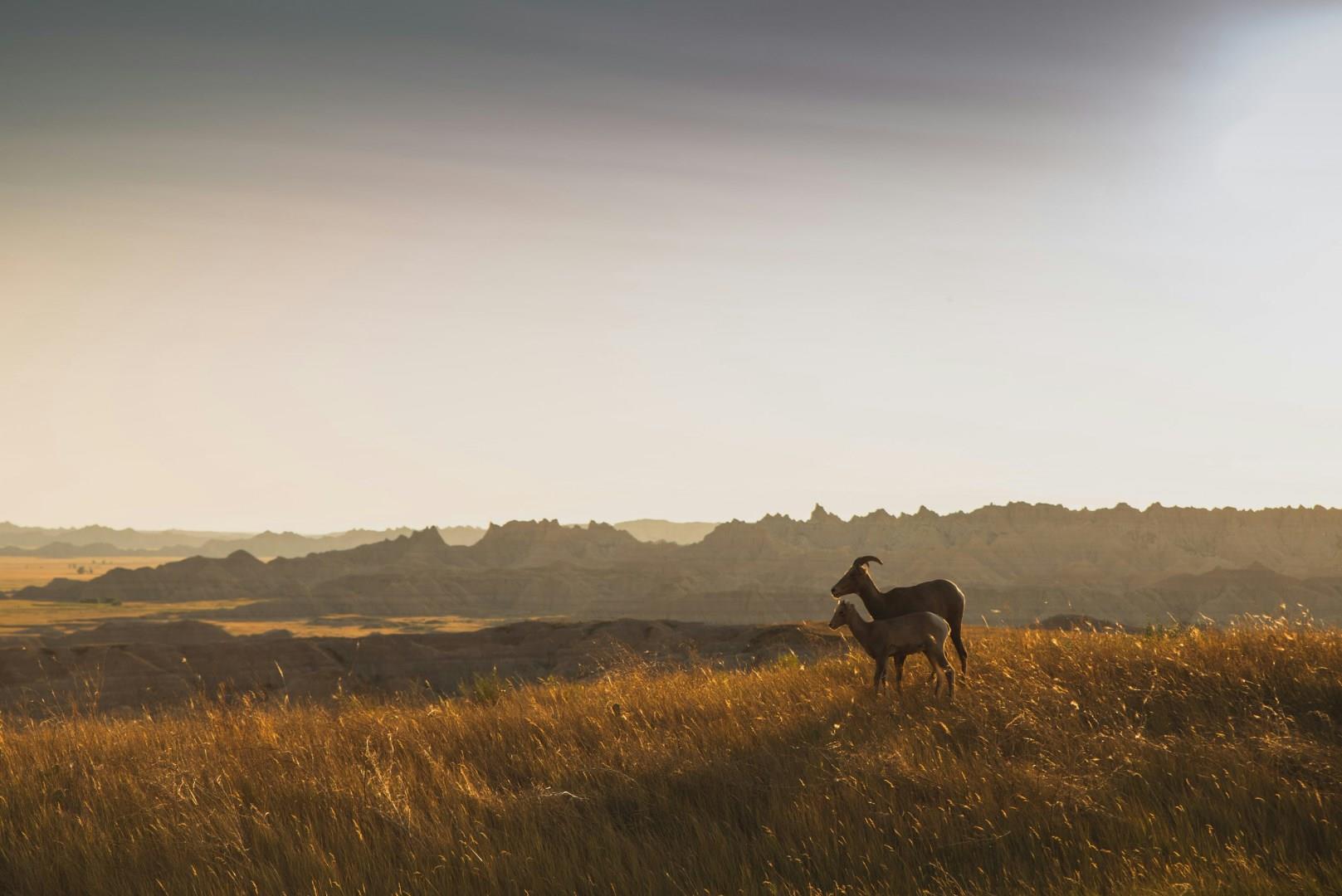
Badlands National Park
Badlands National Park stretches across southwestern South Dakota, where layered rock formations and sharply eroded spires reveal nearly 75 million years of geological history. The park’s banded cliffs and pinnacles were shaped by wind and water, exposing ancient seabeds and fossil-rich layers that have made the area one of North America’s most important paleontological sites.

Lahaina, Maui
Listed on the National Register of Historic Places, Lahaina, Maui is the former capital of the Hawaiian Kingdom and was once the site of a whaling village. This popular tourist destination is now a cultural center perfect for fine dining, visiting Hawaiian art galleries, whale watching, and immersing yourself in this region's rich history.

Mekong River
The Mekong River, one of the world’s most iconic waterways, flows through six countries in Southeast Asia (China, Myanmar, Laos, Thailand, Cambodia, and Vietnam). Stretching over 4,300 kilometers, the Mekong weaves through lush landscapes, villages, and historic cities, making it an unforgettable destination for those seeking adventure. Cruising along the river is one of the best ways to explore its wonders, from the tranquil waters of Laos to the floating markets of Vietnam.

Cinque Terre
Cinque Terre, a UNESCO World Heritage Site, is a slice of Italian paradise nestled along the rugged Ligurian coast. This collection of five fishing villages—Monterosso, Vernazza, Corniglia, Manarola, and Riomaggiore—offers visitors a breathtaking landscape of pastel-colored homes perched on cliffs overlooking the Mediterranean.
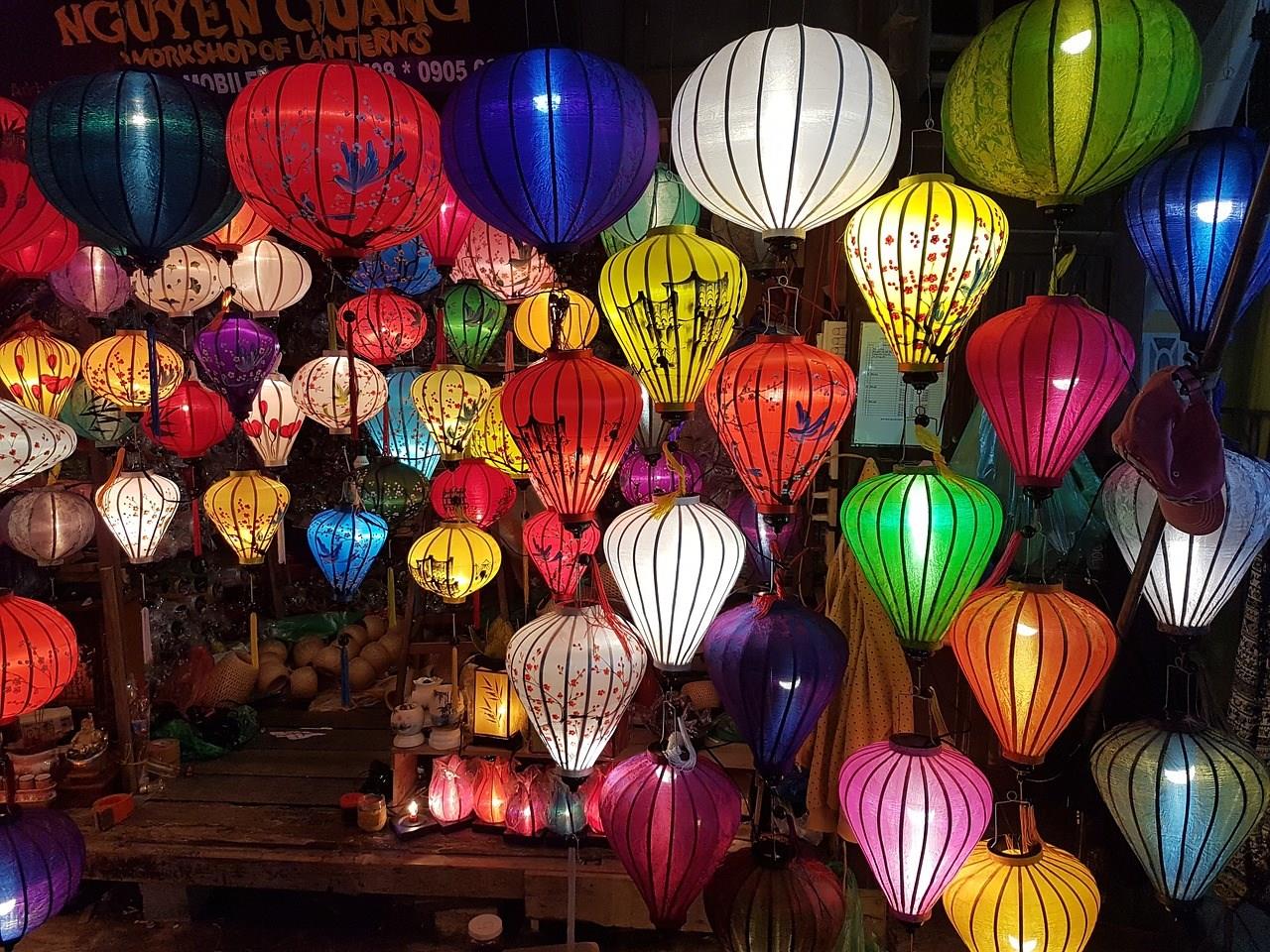
Hoi An
A former trading port and now a fascinating itinerary stop for any Vietnam traveler, Hoi An's illuminated lanterns beckon you. Each lunar month on the 14th day, electric lights are turned off in favor of traditional lanterns. Must-sees in this well-preserved locale include Quan Cong Temple, the 1700s-era Japanese Covered Bridge, An Bang Beach with its white sands, and Hoi An Night Market, abuzz with local sellers offering food and unique wares.
