

Kalamata
Kalamata is a coastal city in the southwestern Peloponnese, set at the head of the Messinian Gulf beneath the slopes of Mount Taygetos. Its long waterfront includes sandy beaches, cafés, restaurants, and walking areas, while the city center contains pedestrian streets, neoclassical buildings, churches, and lively squares. Kalamata serves as the administrative and commercial center of Messinia and provides a useful base for exploring the wider region.
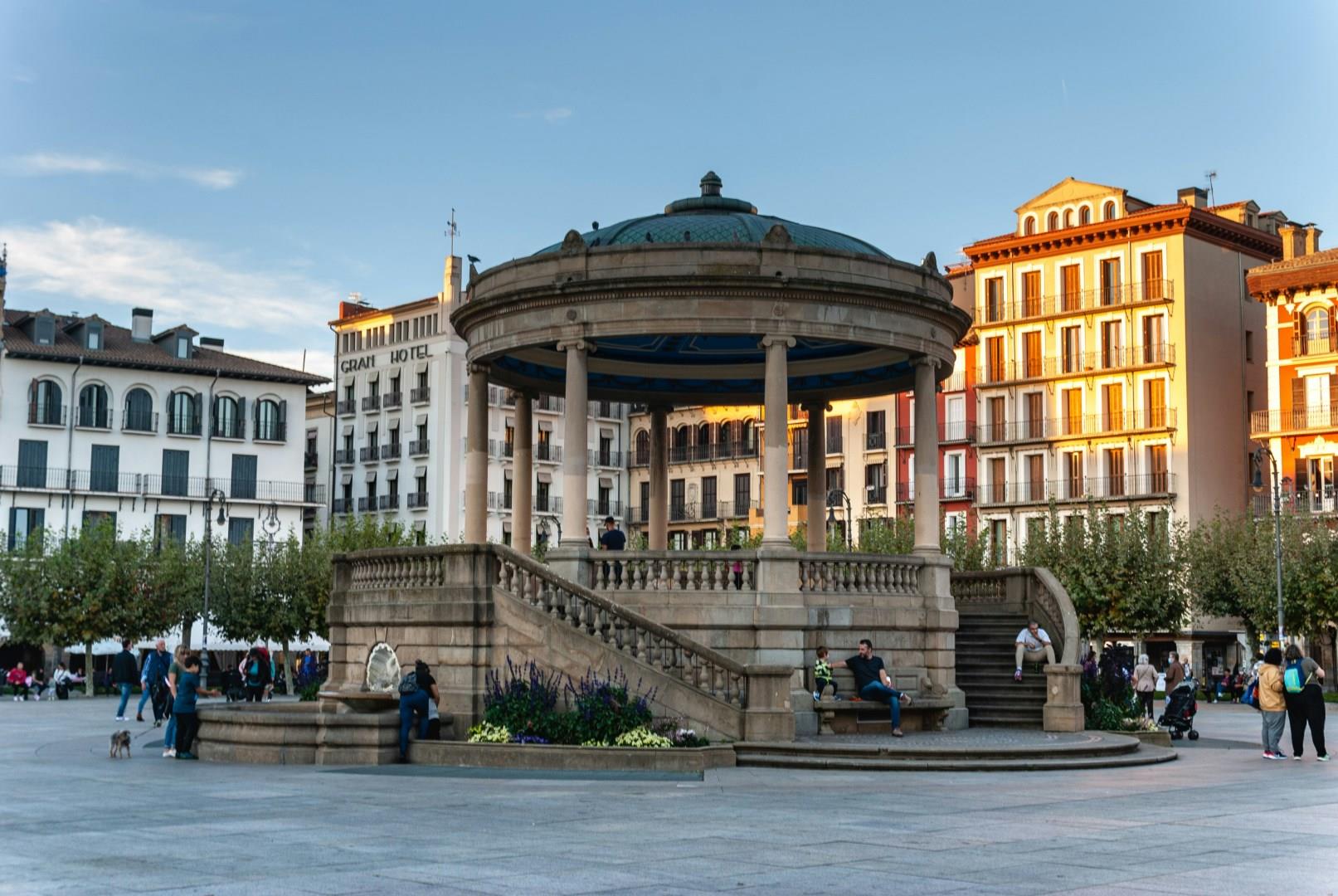
Pamplona
Pamplona, the capital of Spain’s Navarre region, is best known worldwide for the Running of the Bulls during the San Fermín festival each July. But beyond the brief rush of that event lies a city steeped in medieval history, Basque influence, and a slower pace that surprises many visitors. One of the most significant aspects of Pamplona is its place on the Camino de Santiago, the ancient pilgrimage route to Santiago de Compostela.
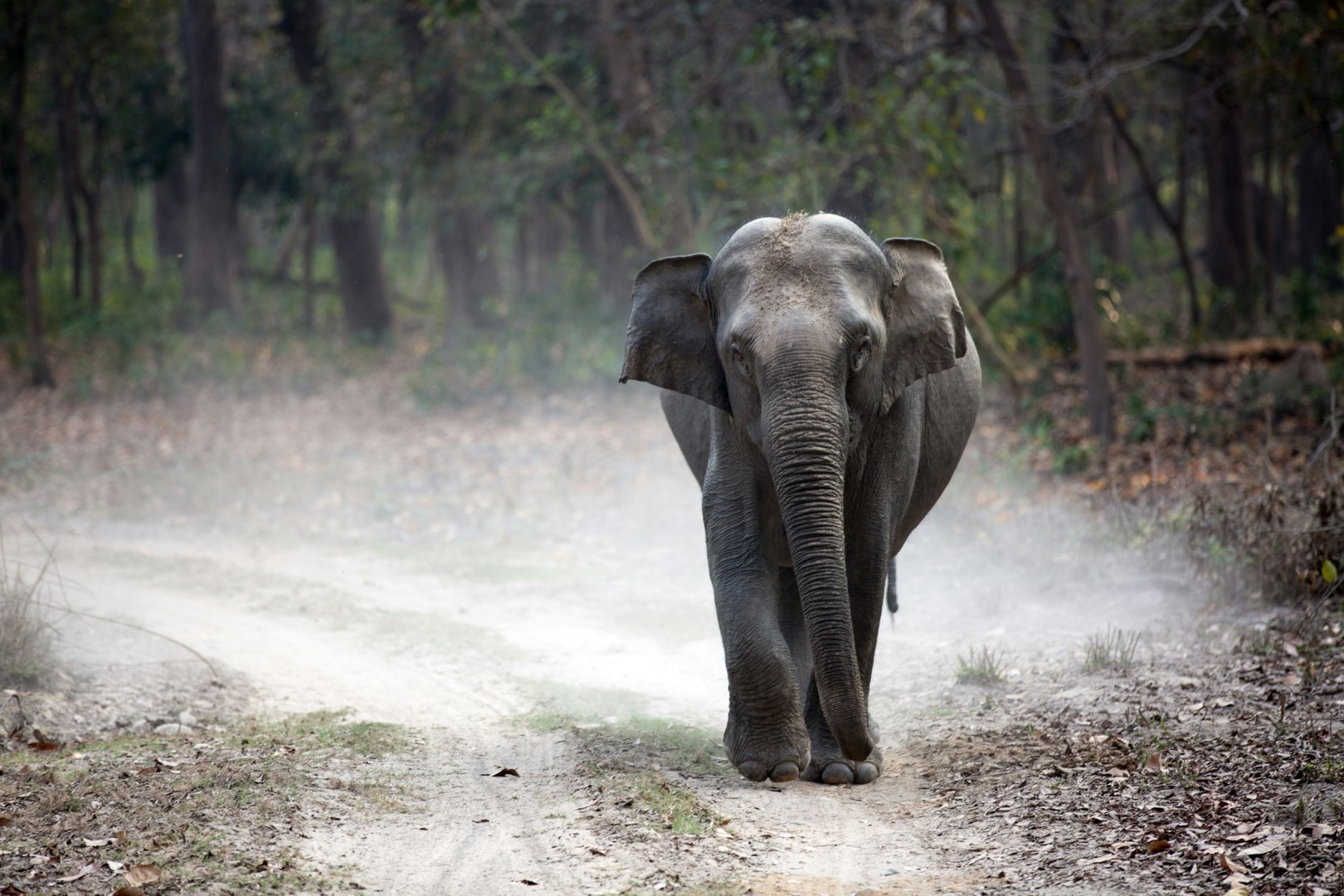
Jim Corbett National Park
Jim Corbett National Park lies in the Himalayan foothills of Uttarakhand and forms the core of the wider Corbett Tiger Reserve. It is recognized as India’s first national park and is closely associated with the conservation of the Bengal tiger. The landscape combines sal forests, riverine grasslands, wooded hills, and wetlands, creating habitats for a wide range of wildlife. The reserve covers more than 1,280 square kilometres, while the national park itself occupies a smaller core area. Ramnaga
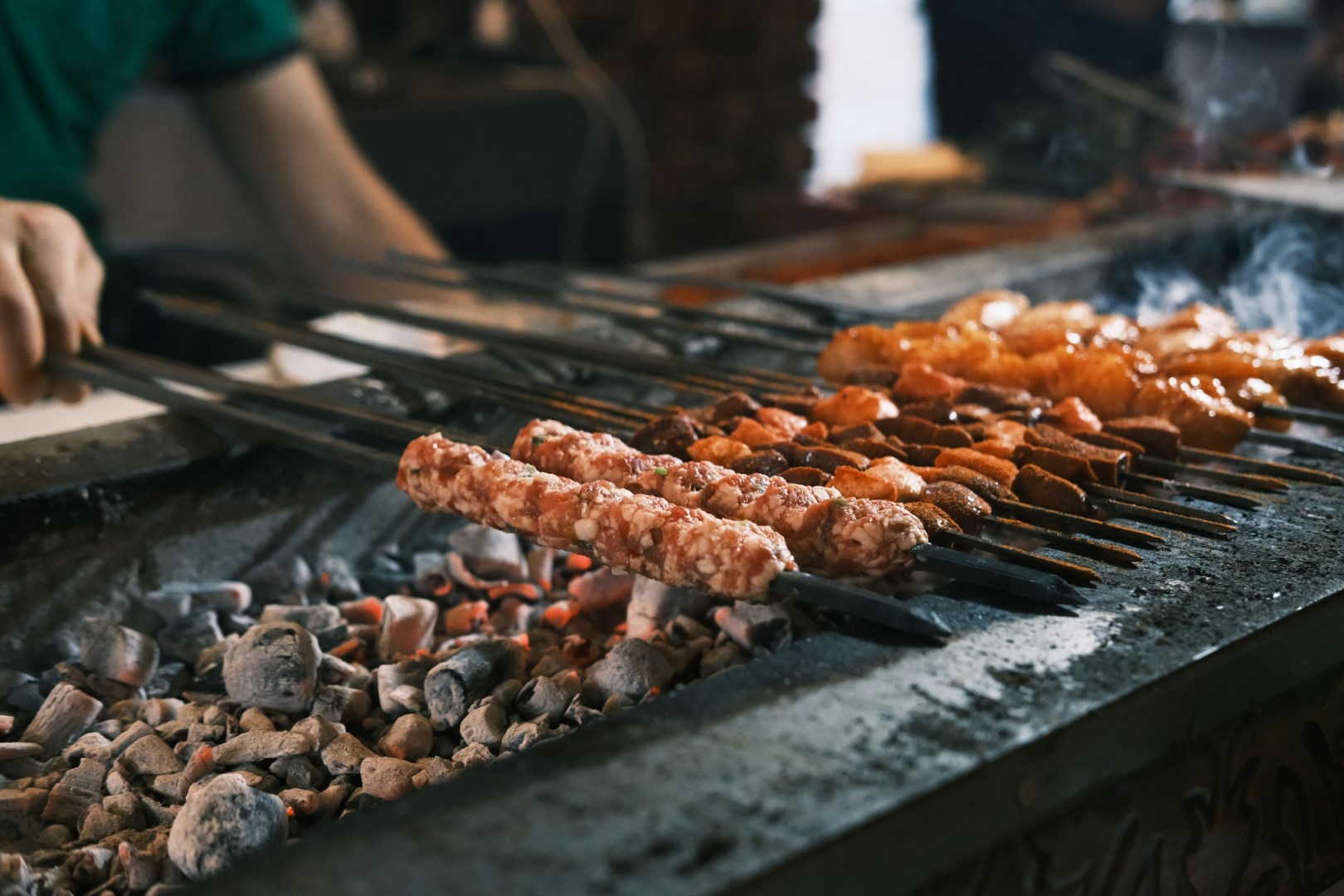
Diyarbakir
An Eastern city of Turkey, known in ancient times as Amida, spreads across a basalt plateau close to the banks of the Dicle River. The black basalt triple walls which encircle the old town give the city a rather ominous appearance.

Delhi
Delhi is a sprawling metropolis in North India that contains the country's capital, New Delhi. Life is abuzz and hectic here, with traffic going every which way. A huge population shuffles through Delhi's streets, alleys and food and spice-selling bazaars, and it's quite memorable to be a part of it all.
