

Caye Caulker
Caye Caulker lies off the coast of Belize, a small island that was once a quiet fishing village and today still feels wonderfully uncrowded compared to many Caribbean destinations. Its name likely comes from an English twist on “Hicaco,” the old Spanish name meaning coco plum, a nod to the island’s early days and bilingual roots.
Streymoy
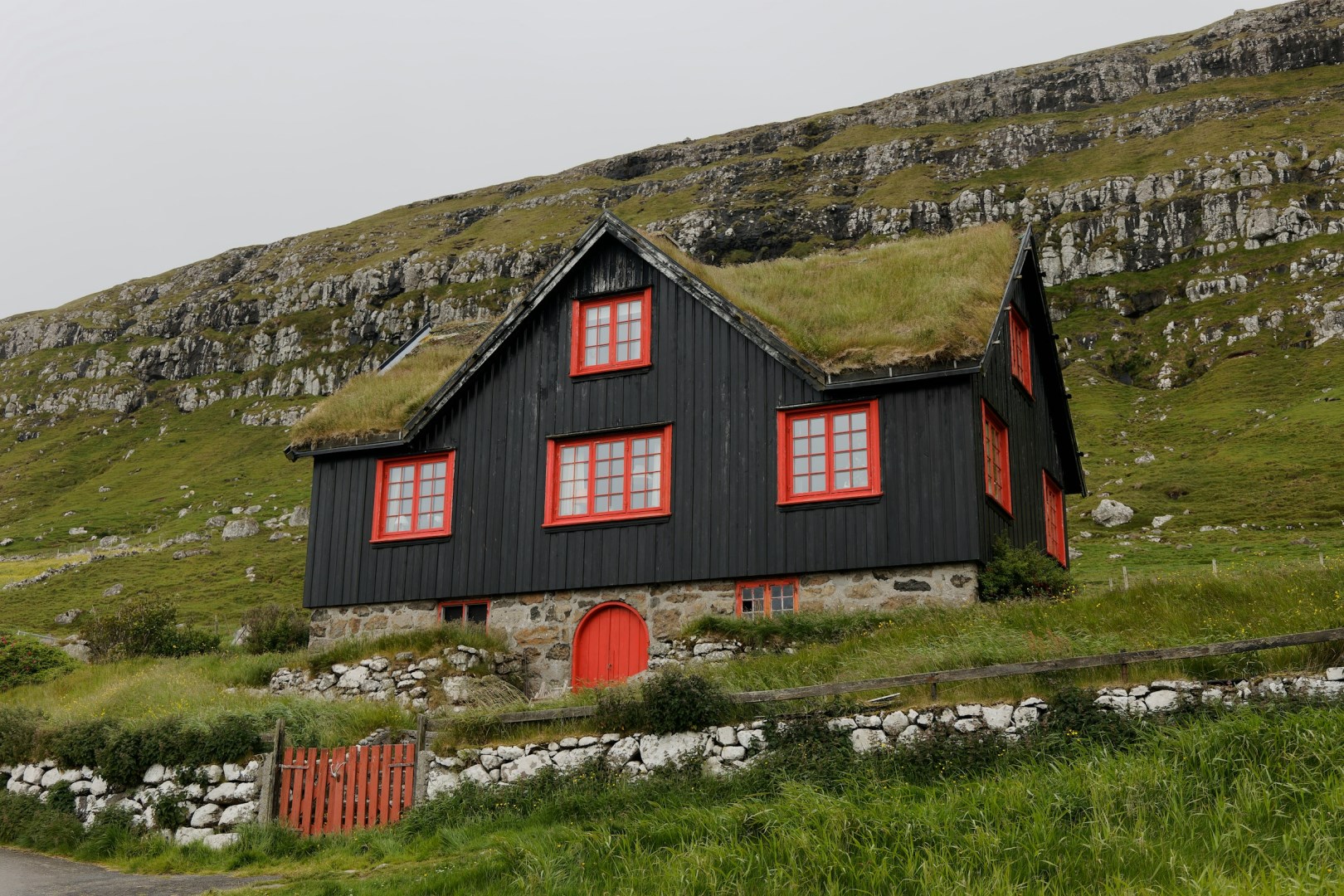
Streymoy is the largest and most populated island in the Faroe Islands, forming a central part of the archipelago and home to the capital, Tórshavn. Its landscape combines steep mountains, deep fjords, grassy valleys, and exposed coastal cliffs, with settlements concentrated along sheltered shorelines. The island is connected to neighboring islands by bridges, tunnels, ferries, and causeways, making it an important center for travel across the Faroes.
Porto Cervo
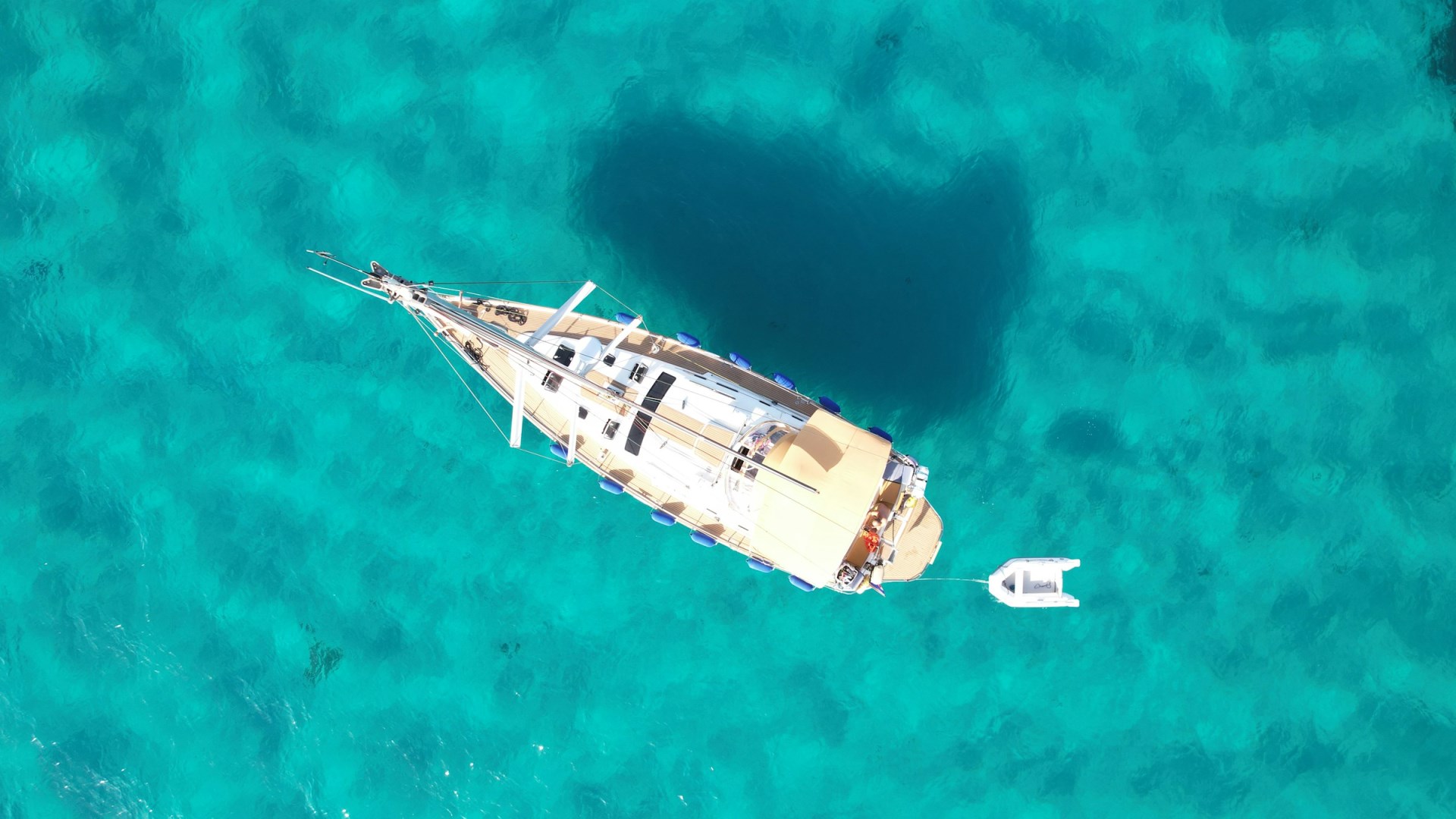
A picturesque village situated in a forgotten inlet, Porto Cervo is the main resort on the Costa Smeralda. This popular resort offers all types of sports and leisure facilities (water sports, tennis courts, internationally famous tourist harbour, and restaurants, night clubs, discos and luxurious boutiques), as well as white sandy beaches alternating with reefs.

Casablanca
Islamic and French influences blend together in charming Casablanca, Morocco’s iconic coastal city. Frequently used as a port for Spanish and Mediterranean cruises, Casablanca lies halfway between Marrakesh and Fes and is the perfect entryway for exploring the rest of Morocco.
Royal Naval Dockyard
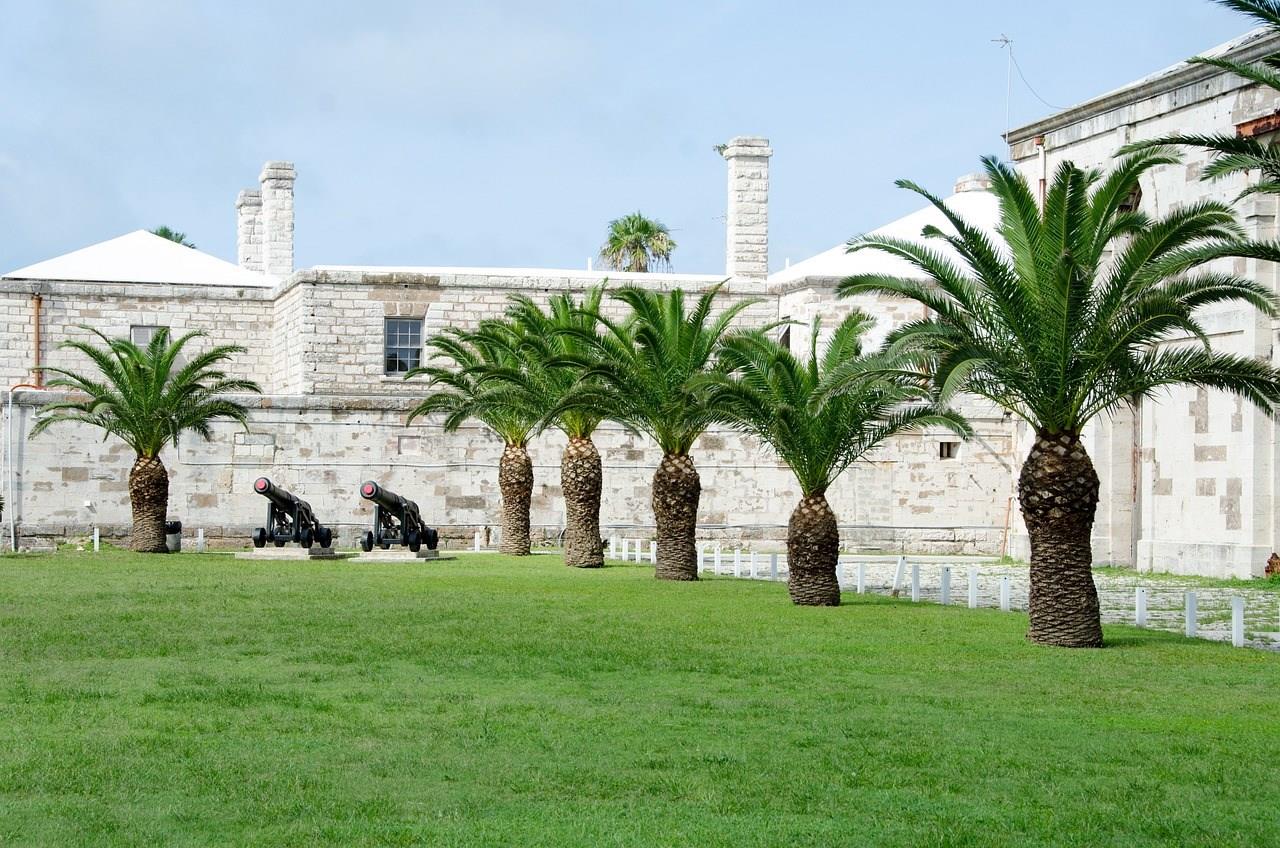
The Royal Naval Dockyard in Bermuda stands as a testament to the island's maritime history and naval heritage. Located at the western tip of Bermuda, this historic site was once a major naval base for the British Royal Navy and is now a thriving hub of culture, history, and tourism. The Dockyard's impressive buildings, including the Commissioner's House and the historic fortifications, offer a glimpse into Bermuda's naval past.
