
Newark
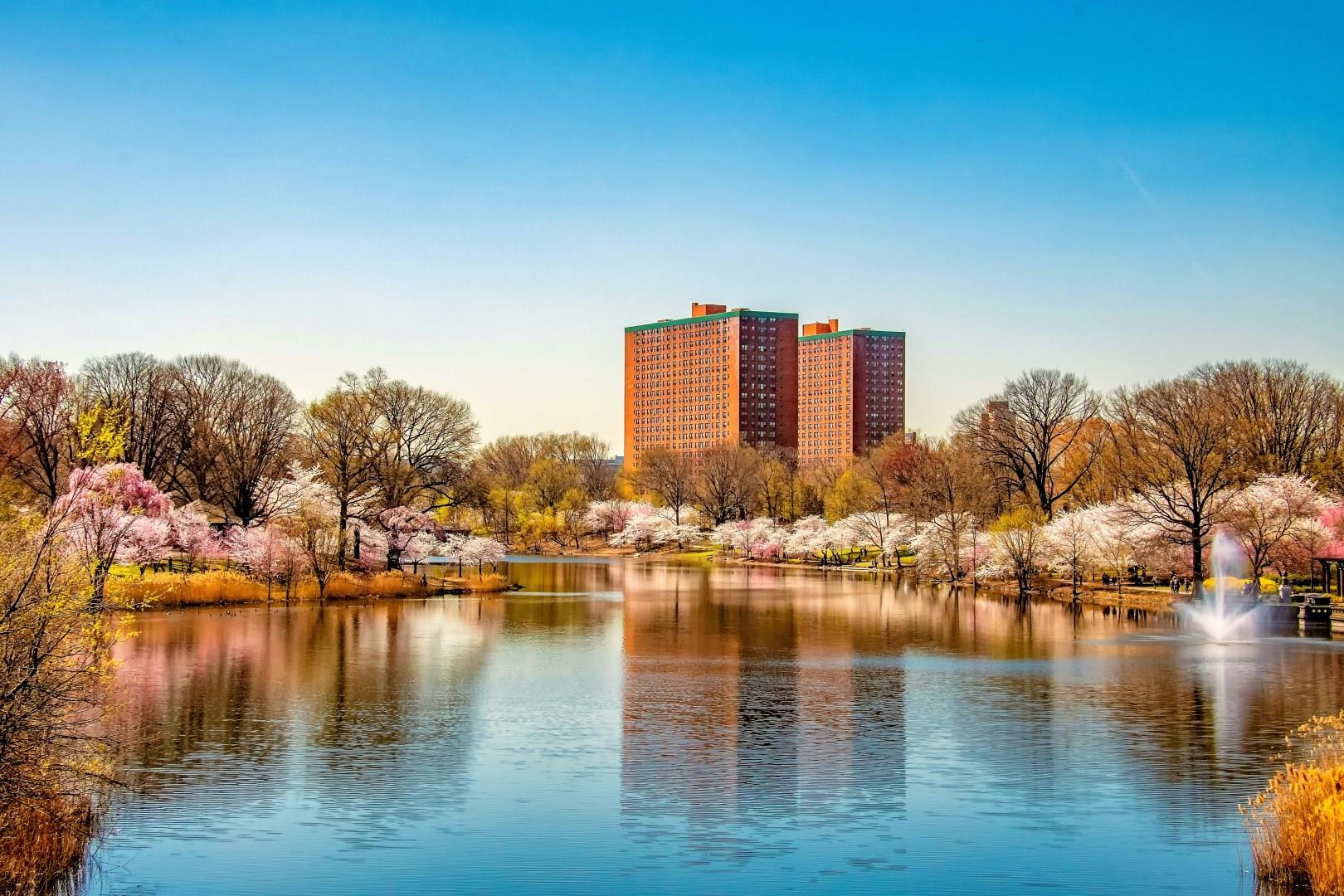
Newark, New Jersey is often overshadowed by its proximity to New York City but still has a strong identity rooted in history, art, and global culture. As one of the oldest cities in the United States, founded in 1666, Newark’s rich past is visible in landmarks like the Old First Presbyterian Church and Military Park, where George Washington once camped. The city’s architecture reflects its legacy, from the Beaux-Arts Newark Museum building to the art deco facade of the historic Hahne & Co. depar

Hawaii
Hawaii, an archipelago in the central Pacific, offers a kaleidoscope of natural beauty and cultural experiences that make it a premier travel destination. The island of Oahu, home to the vibrant city of Honolulu, is renowned for its iconic beaches like Waikiki, where the golden sands and azure waters create a perfect backdrop for surfing and sunbathing
Greenville
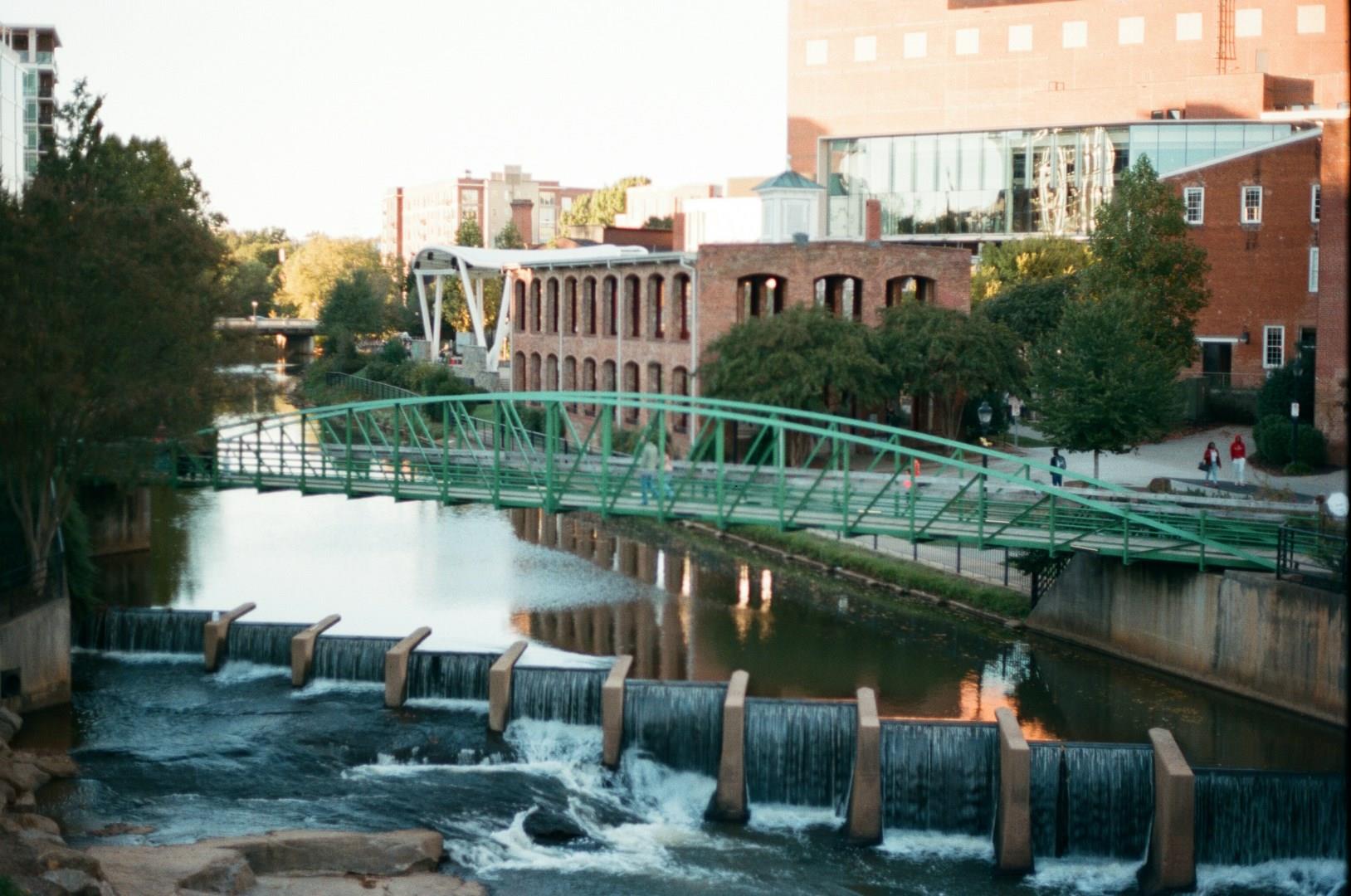
Greenville, South Carolina sits at the foothills of the Blue Ridge Mountains and has grown from a former textile center into one of the Southeast’s most appealing small cities.

Frankfurt
Located in central Germany, Frankfurt is a vibrant cultural and economic hub nestled on the Main River. Museums and architectural gems abound in Frankfurt, from the Goethe House, to the picturesque timber houses of Römerberg town square, to the Museumsufer, a collection of museums lining the banks of the Main.
Yerevan
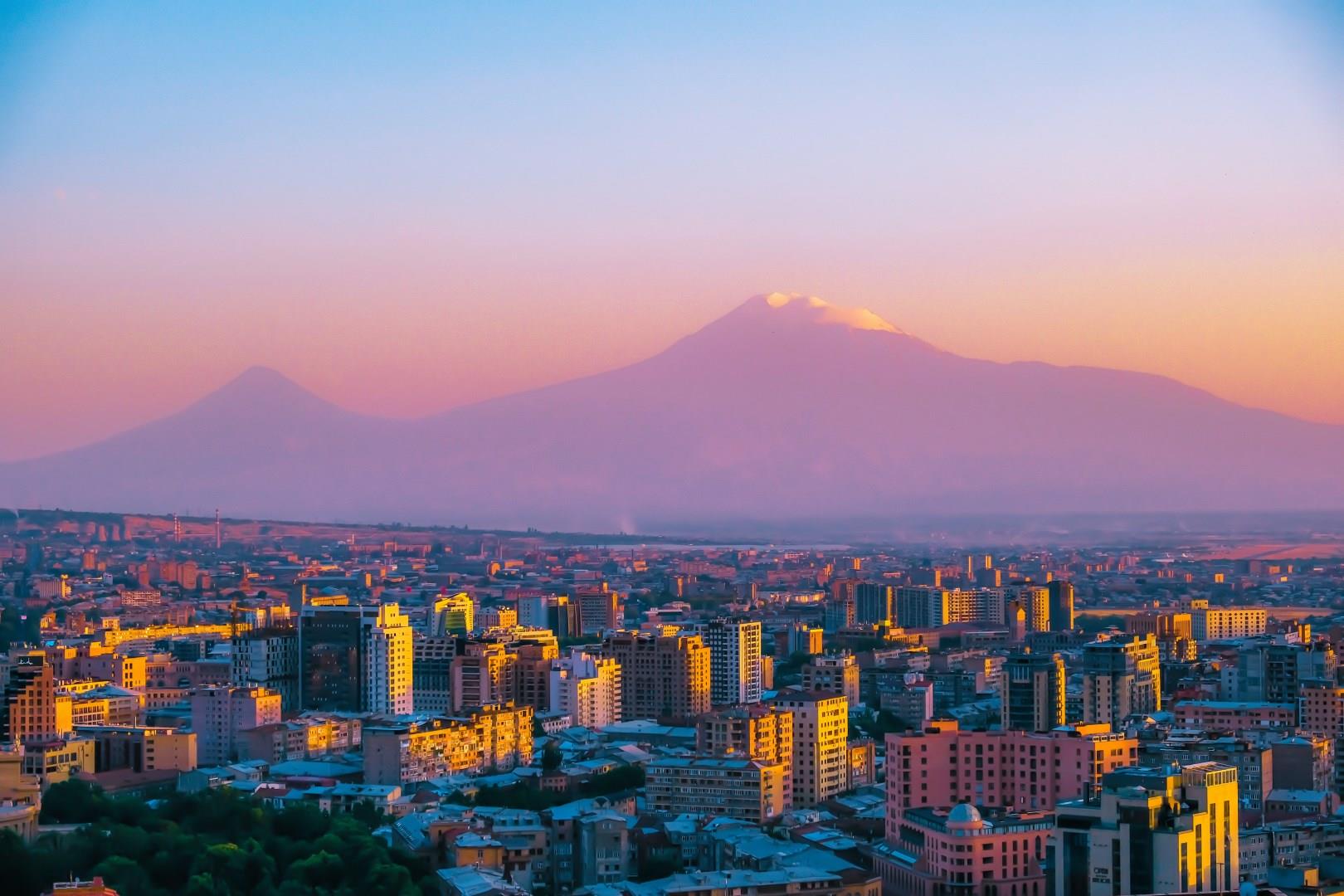
Yerevan, the capital of Armenia, is one of the oldest continuously inhabited cities in the world, with a history stretching back more than 2,800 years. Despite its ancient roots, it feels vibrant and modern, with wide boulevards, lively cafes, and an ever-present view of the majestic Mount Ararat on the horizon.
