
Madagascar
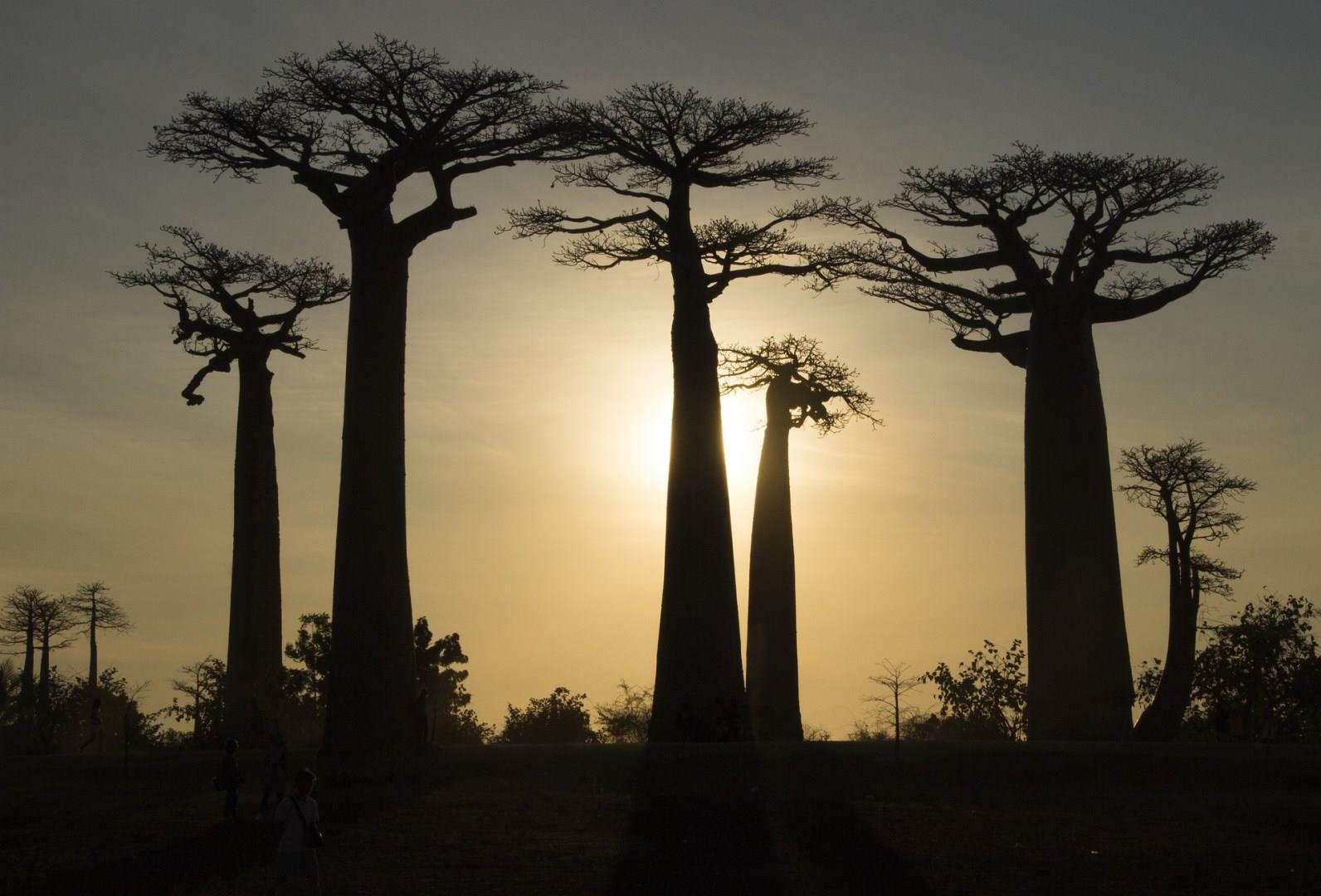
Madagascar, the world’s fourth-largest island, lies off the southeastern coast of Africa and is renowned for its extraordinary biodiversity and unique landscapes. Its rainforests, spiny deserts, and highland plateaus provide habitats for species found nowhere else on Earth.
El Salvador
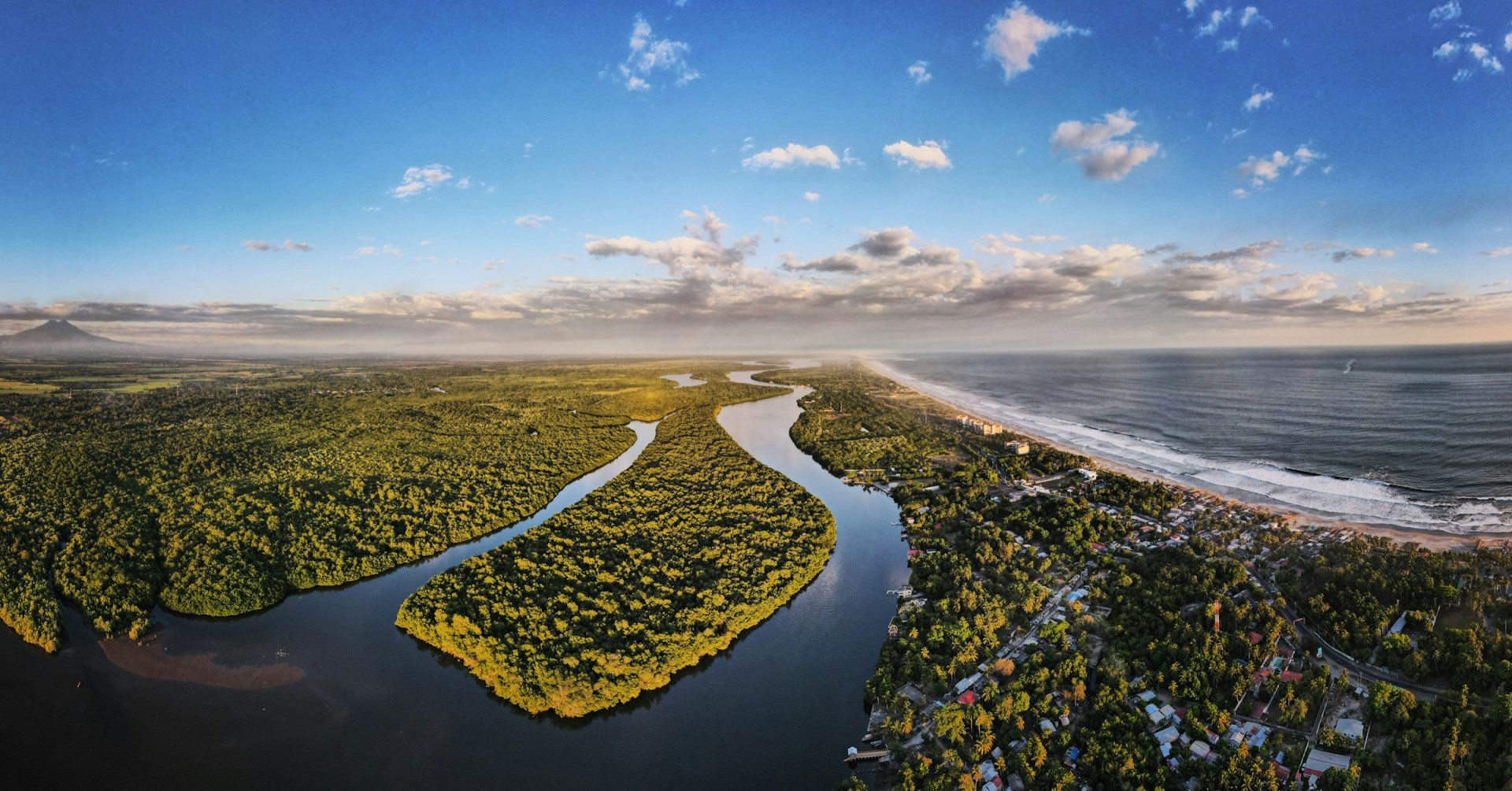
El Salvador, the smallest country in Central America, carries a big presence with its blend of history, culture, and dramatic landscapes. Known as the “Land of Volcanoes,” it has more than twenty within its borders, some of which remain active and shape the country’s terrain.
Lilongwe
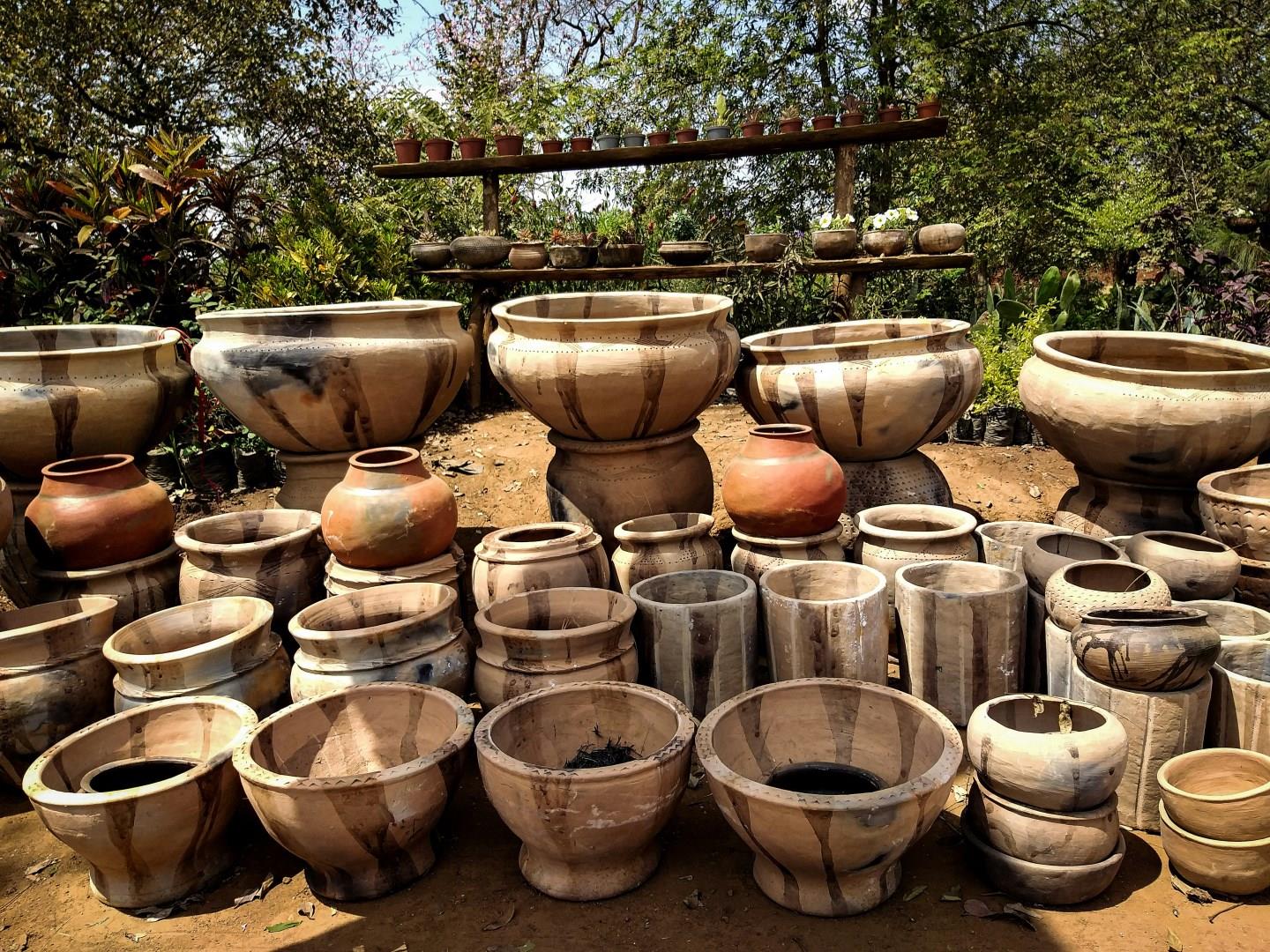
Lilongwe, the capital of Malawi, blends modern development with a laid-back atmosphere, offering visitors an introduction to the country’s culture and daily life. Markets are at the heart of Lilongwe’s character, with the bustling Old Town Market standing out as a must-visit. Here, traders sell everything from fresh produce and local crafts to colorful fabrics and handmade goods.
Kanchanaburi
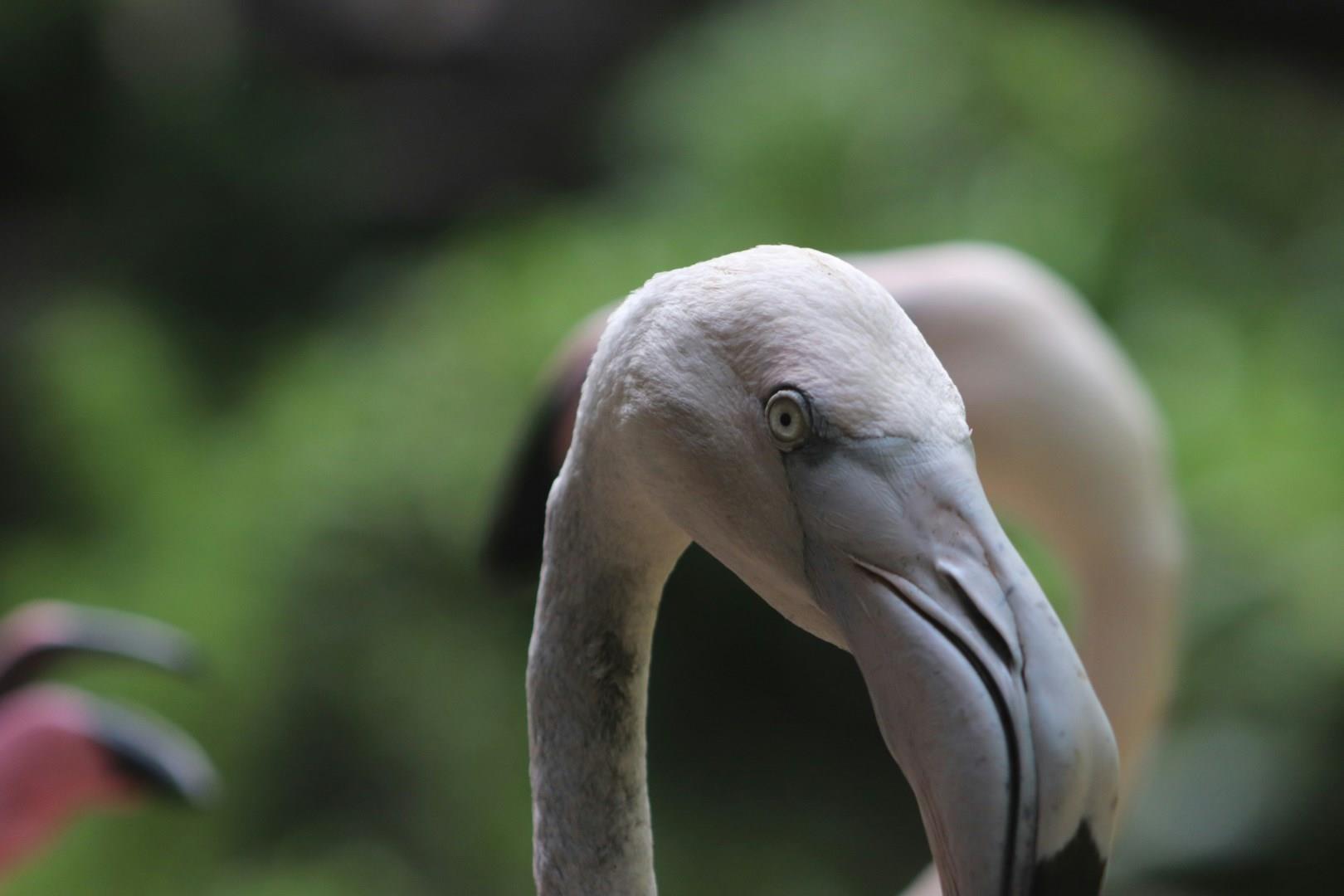
Kanchanaburi, a province in western Thailand, is best known for its poignant history and lush landscapes. It was here that Allied prisoners of war and Asian laborers were forced to build the infamous Death Railway during World War II, including the Bridge over the River Kwai, which remains a powerful symbol of resilience.
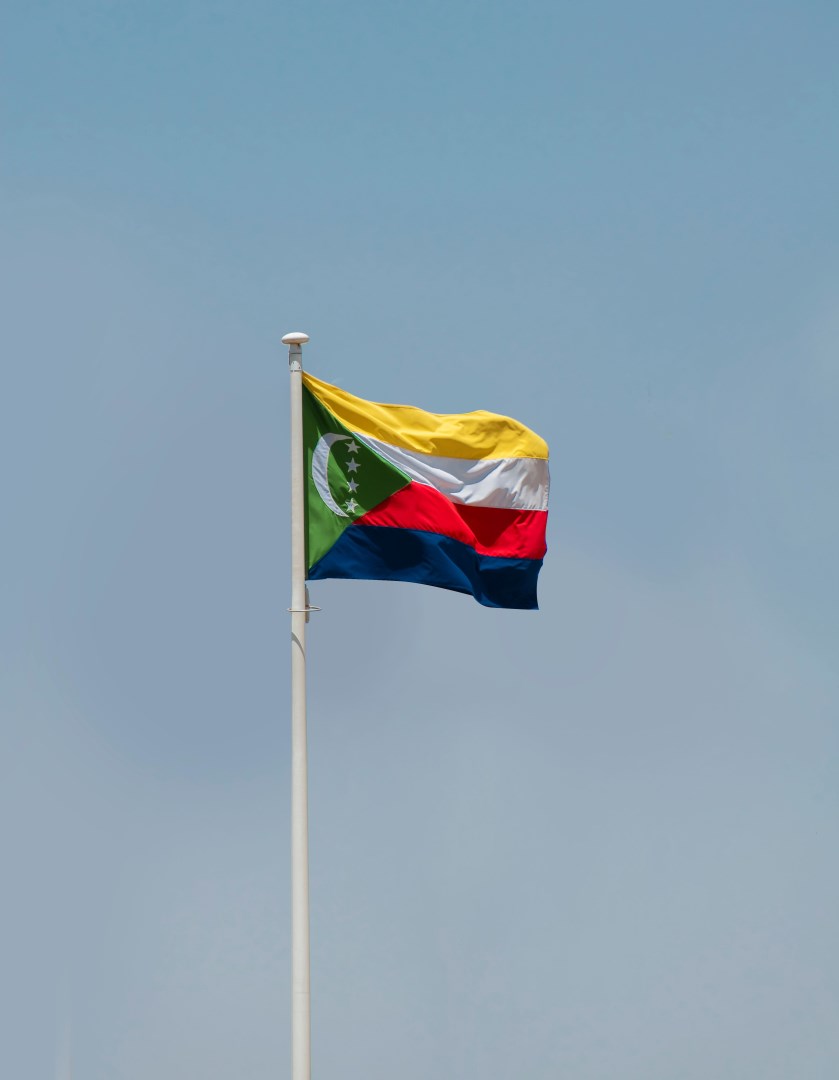
Comoros
Comoros, independent state comprising a group of islands located at the northern entrance of the Mozambique Channel, between the African mainland and the island of Madagascar. Officially called the Federal Islamic Republic of the Comoros, the archipelago includes four major islands.
