
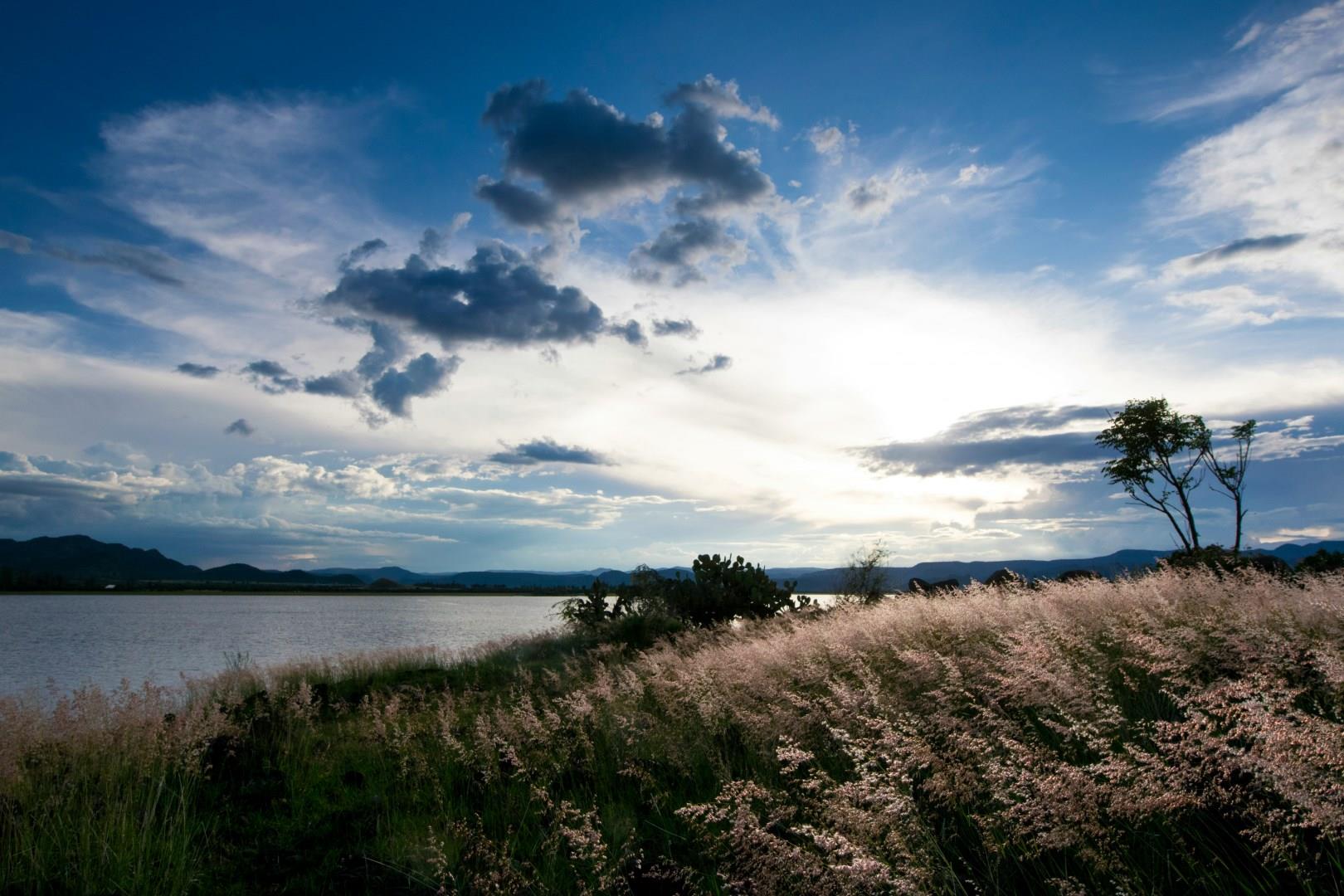
Durango
Durango, located in north-central Mexico, is a destination rich in history, dramatic landscapes, and cultural traditions that date back centuries. Once a key outpost during Spanish colonization, Durango played an important role in the development of northern Mexico. The city of Victoria de Durango, the state capital, features cobblestone streets and more than 1,000 officially registered historical structures.

Vigo
Vigo is a vibrant city nestled in the heart of Galicia, Spain, on the shores of the Atlantic Ocean. It is a treasure trove of history, culture, and natural beauty with origins dating back to Roman times and a fascinating evolution that has transpired through the centuries.
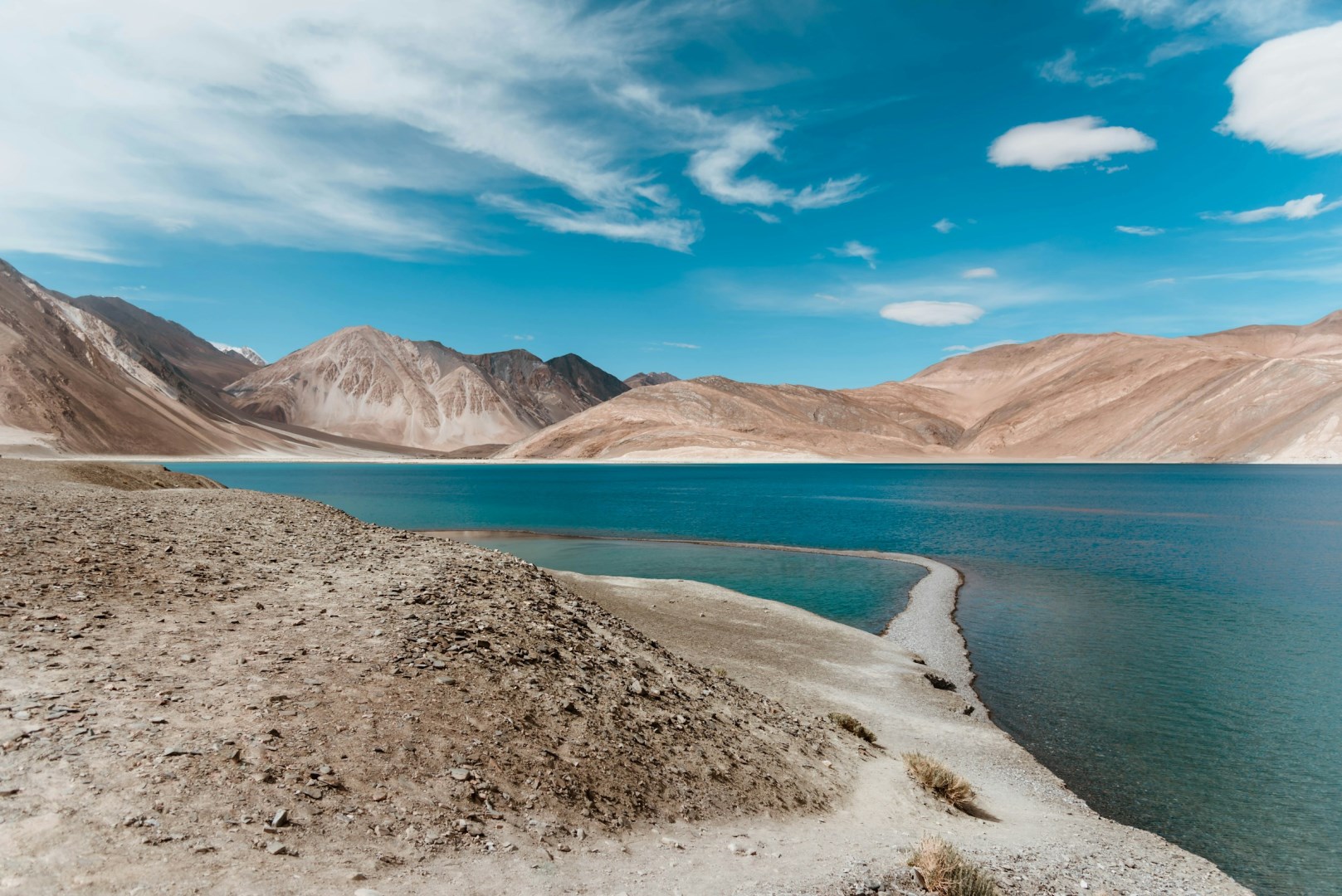
Ladakh
Ladakh is a high-altitude region in the northern Himalayas, known for its dry mountain landscapes, broad valleys, clear lakes, and settlements shaped by limited water and harsh winters. Leh serves as the principal urban centre and gateway, while the wider region includes Nubra, Changthang, Zanskar, and the Indus Valley. The landscape changes from barren mountain slopes to green village fields and river corridors where water is available. Its combination of high passes, cold-desert terrain, and r
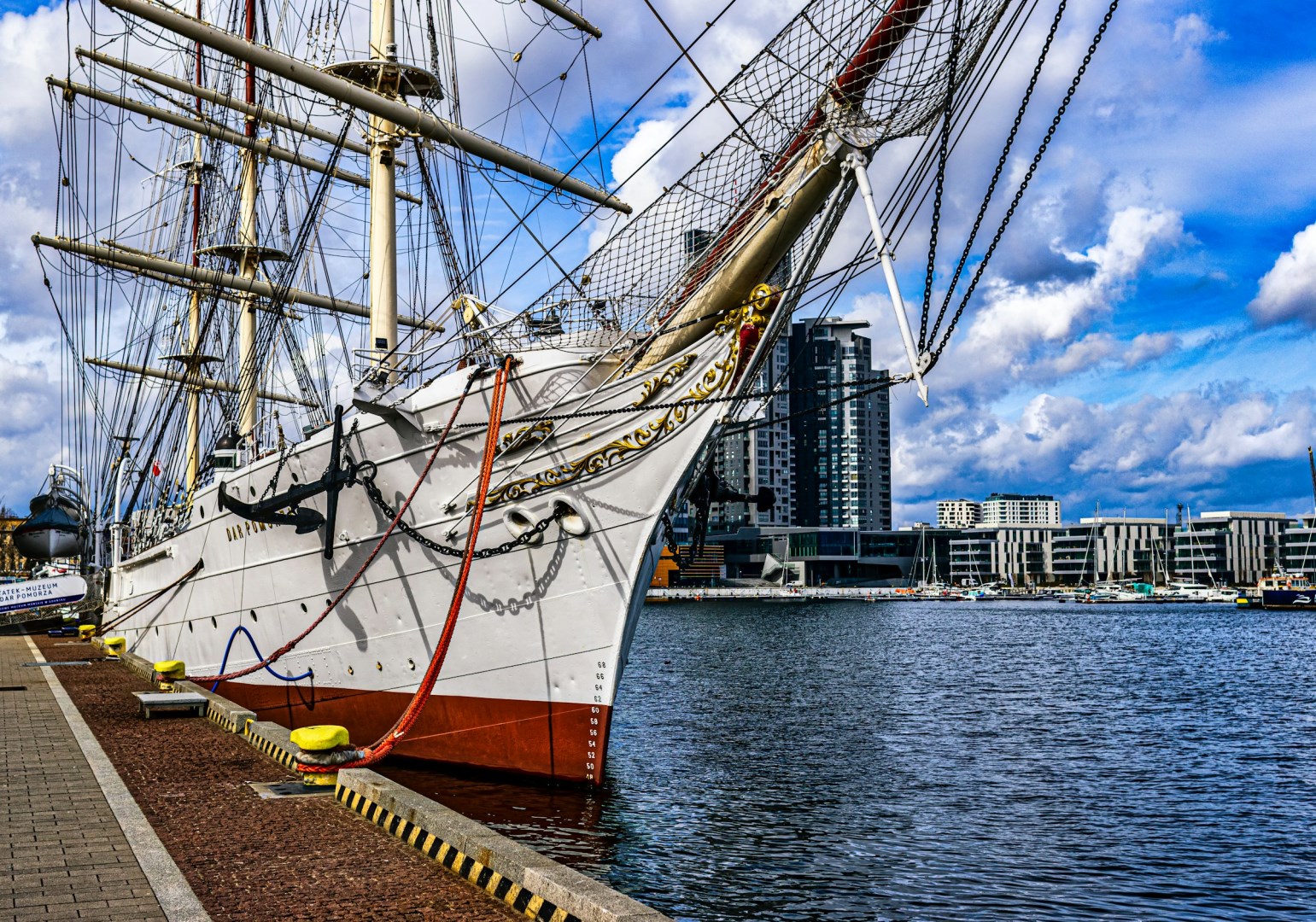
Gdynia
Gdynia is a Baltic Sea port city in northern Poland, forming part of the Tricity urban area with Gdańsk and Sopot. Its character is closely connected to the sea, with a large commercial harbor, marinas, beaches, and a waterfront city center. Unlike many Polish cities, Gdynia has a relatively modern urban fabric, with much of its central district shaped by interwar modernist architecture.
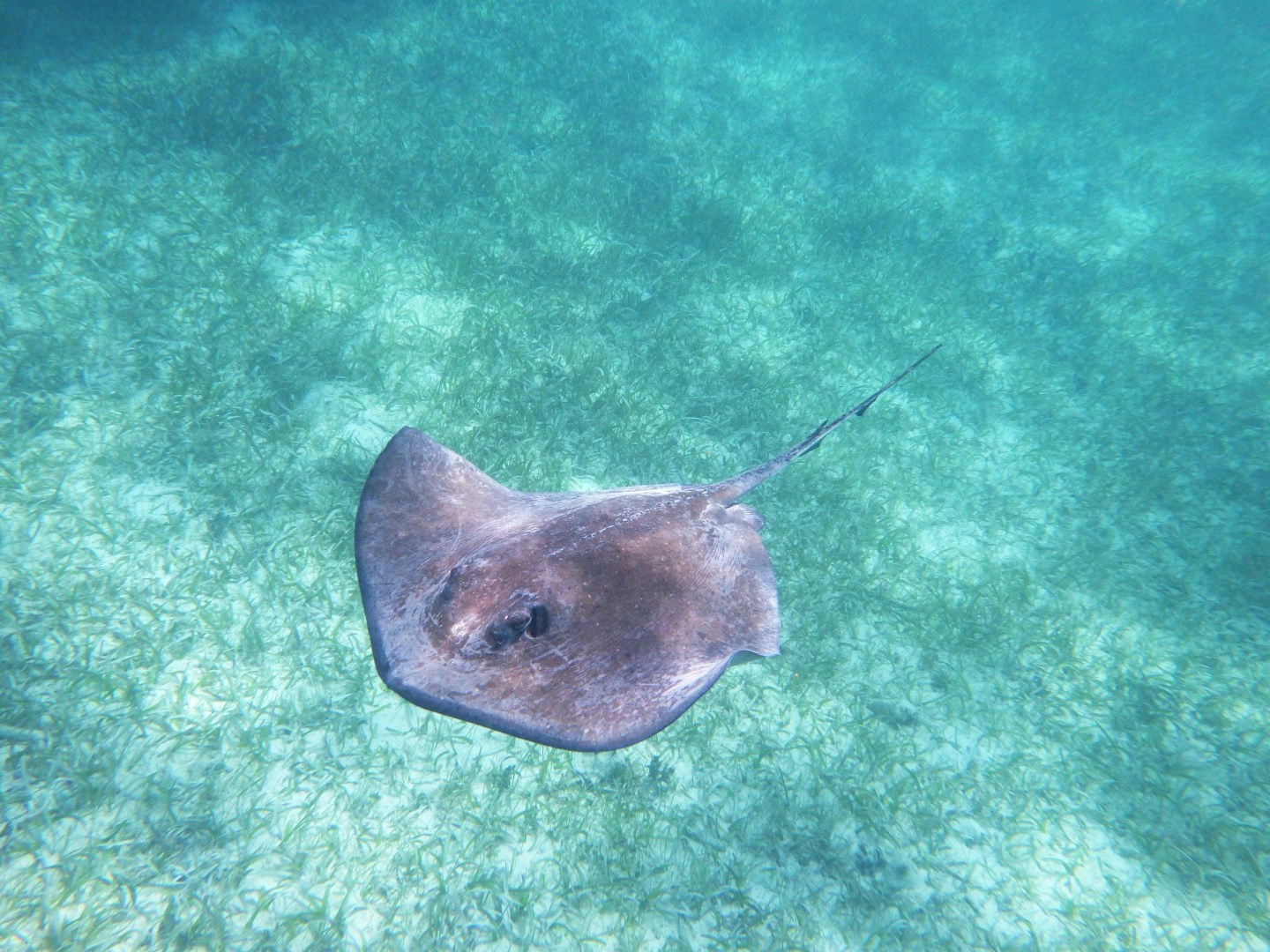
Hol Chan Marine Reserve
Hol Chan Marine Reserve lies off the southern coast of Ambergris Caye, near San Pedro in northern Belize. The protected area covers coral reefs, seagrass beds, mangroves, and channels that form part of the Belize Barrier Reef. Its name comes from the Maya words for “little channel,” referring to a natural break in the reef that allows water to move between the Caribbean Sea and the shallow lagoon.
