
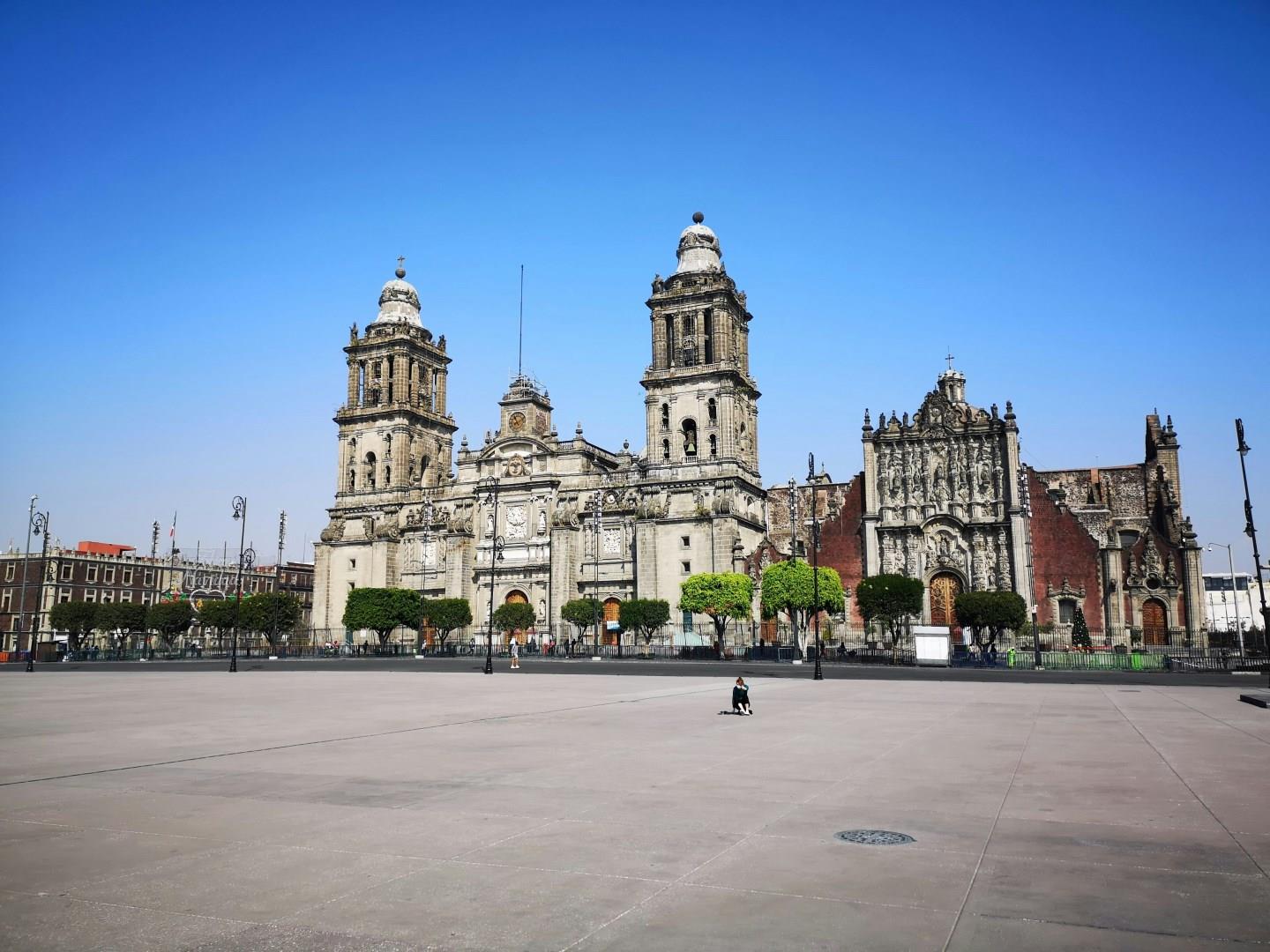
Mexico City
Mexico City sits on the high plateau of central Mexico, layered with more than seven centuries of history and culture. Built atop the ruins of the Aztec capital Tenochtitlán, the city reflects a continuous dialogue between Indigenous foundations, Spanish colonial influence, and modern urban life.
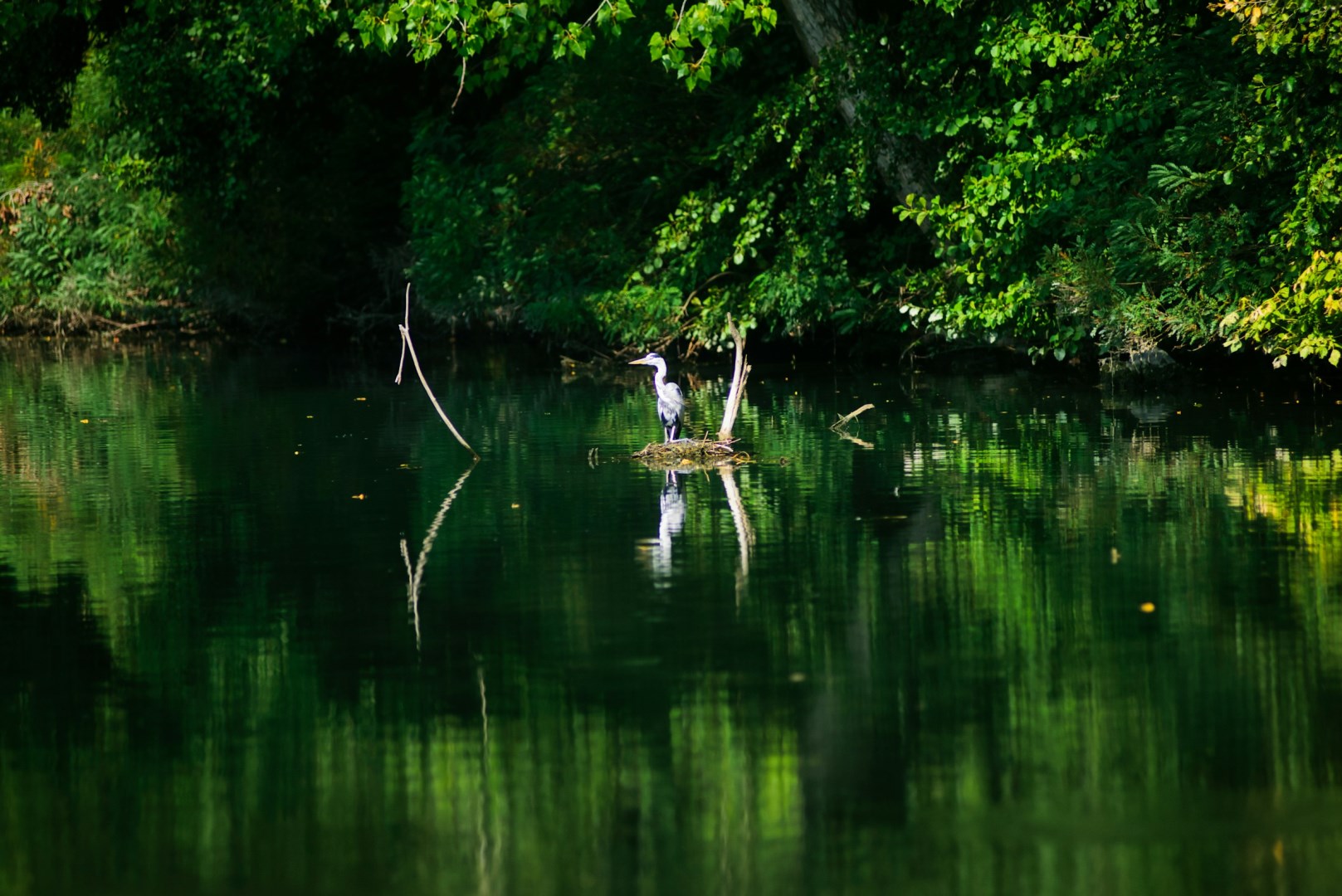
Po River
The Po River, the longest in Italy, flows eastward from Monte Viso, in the Cottian Alps, through the northern part of the country and drains into the Adriatic Sea near Venice. The Po flows through many important Italian cities, including Turin, Cremona, Piacenza, Ferrara.

Marrakesh
Marrakesh, a vibrant jewel in the heart of Morocco, is a city where ancient traditions blend seamlessly with modern allure. Known as the "Red City" for its rose-hued buildings and walls, Marrakesh offers a sensory experience unlike any other. The city’s medina, a UNESCO World Heritage Site, is a labyrinth of narrow alleyways, bustling souks, and hidden courtyards.
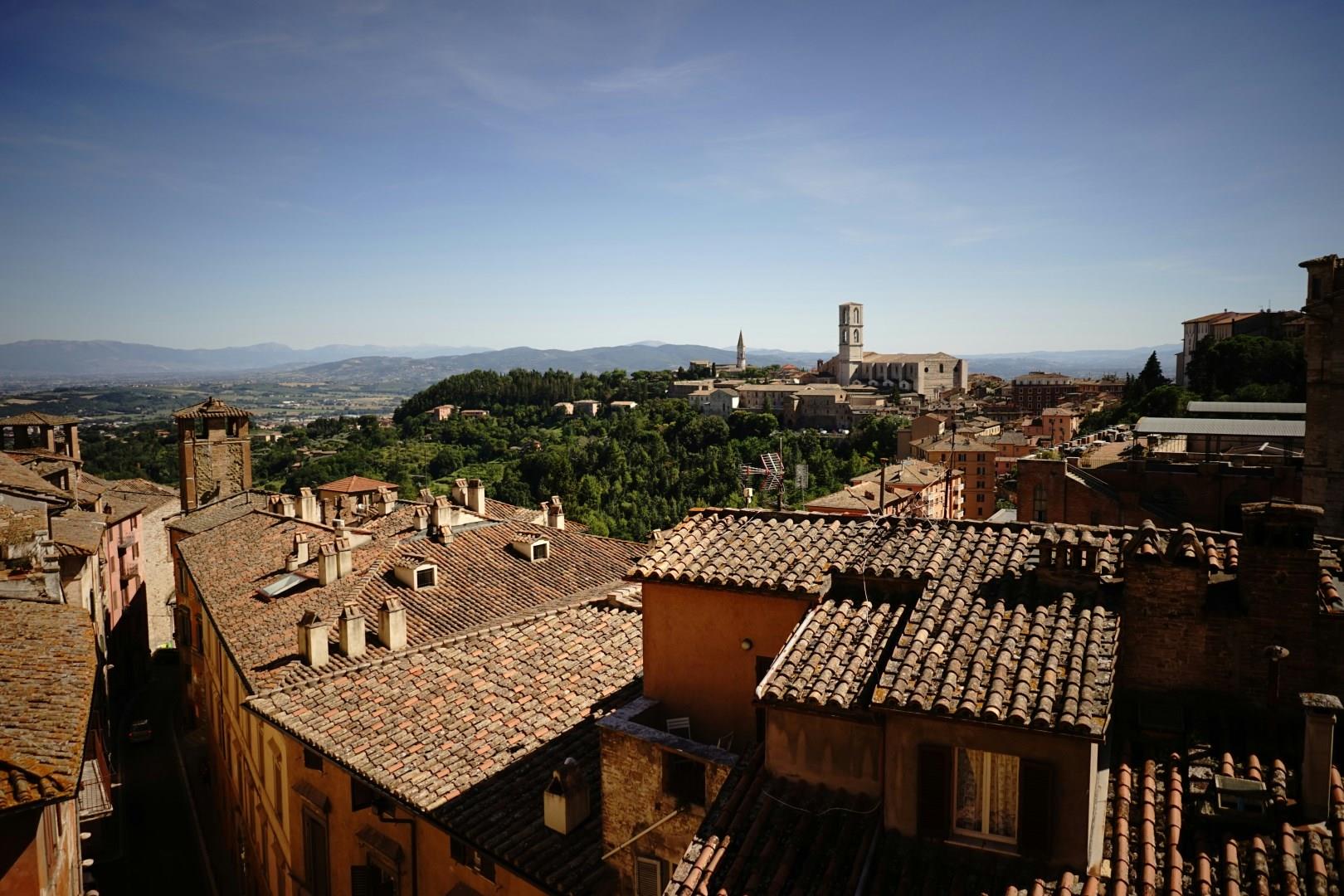
Perugia
Perugia, the capital of Italy’s Umbria region, is a city built across hills and centuries. Originally settled by the Etruscans more than 2,500 years ago, it still holds remnants of their civilization, including one of the largest surviving Etruscan arches in Italy named Arco Etrusco, which greets visitors at the city’s entrance. Walking through the narrow streets of the historic center reveals layers of Roman, medieval, and Renaissance architecture, all woven together within ancient stone walls.

Kampong Cham
Kampong Cham, nestled along the banks of the Mekong River, is a captivating destination that offers a blend of cultural heritage and natural beauty. This charming city is renowned for its picturesque landscapes, including the iconic Ko Paen Bamboo Bridge, which is rebuilt annually after the rainy season. Visitors can stroll through streets lined with French-colonial architecture, giving the city a quaint and historic ambiance.
