
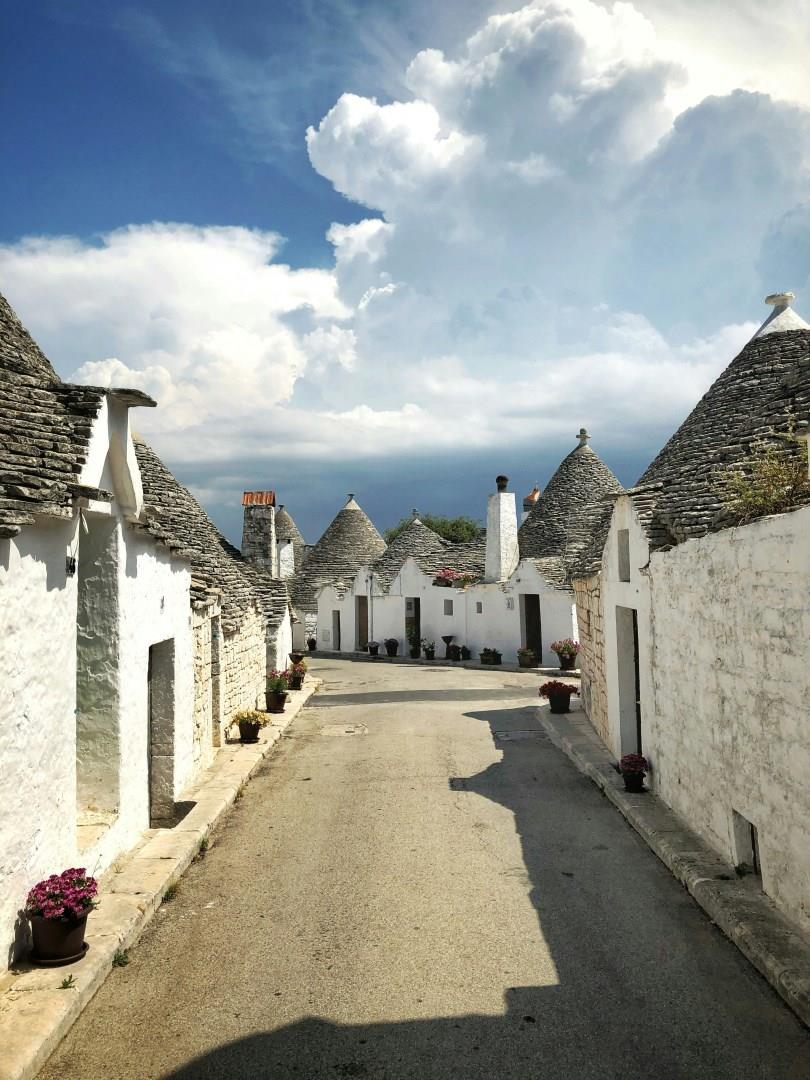
Alberobello
Alberobello in southern Italy’s Puglia region captures the imagination with its distinctive trulli houses. These structures were built using a dry-stone technique passed down over centuries, without mortar or cement, and their unique form comes from layer upon layer of limestone nestled from nearby fields. Alberobello’s trulli are so remarkable that in 1996 the historic center was inscribed as a UNESCO World Heritage Site, where more than 1,600 of these buildings still stand.
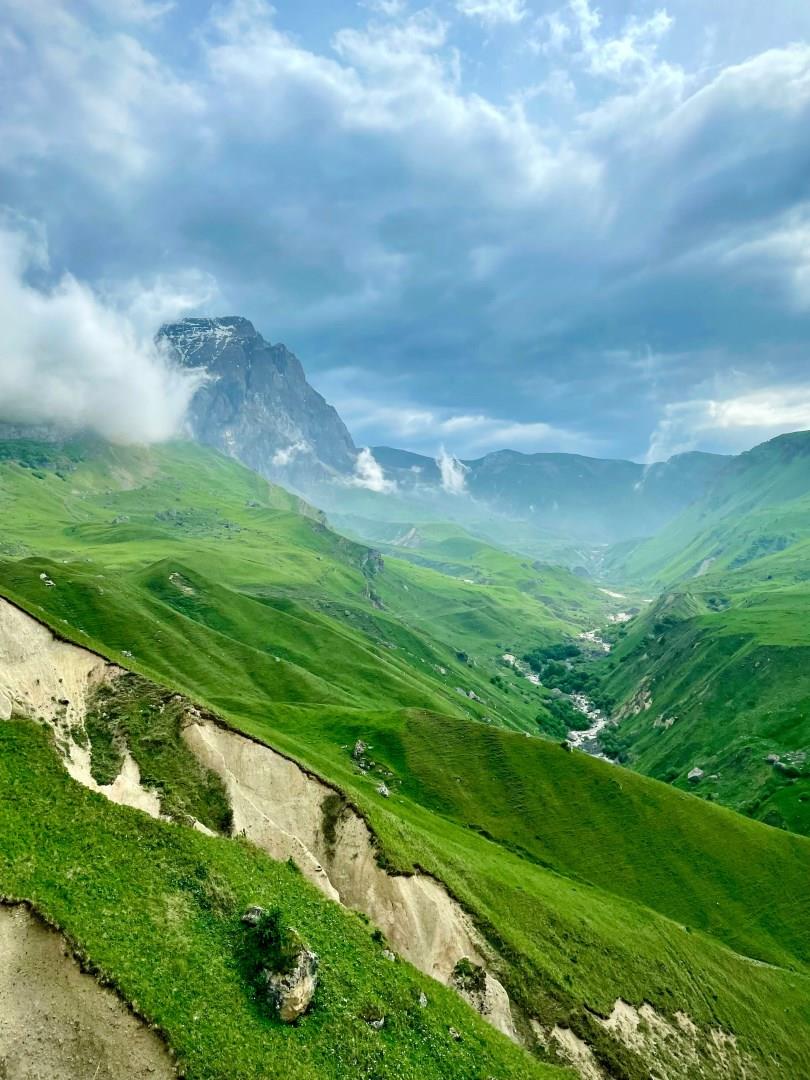
Azerbaijan
Azerbaijan, often called the “Land of Fire,” sits at the crossroads of Europe and Asia along the Caspian Sea. Its capital, Baku, blends futuristic architecture with centuries-old history.
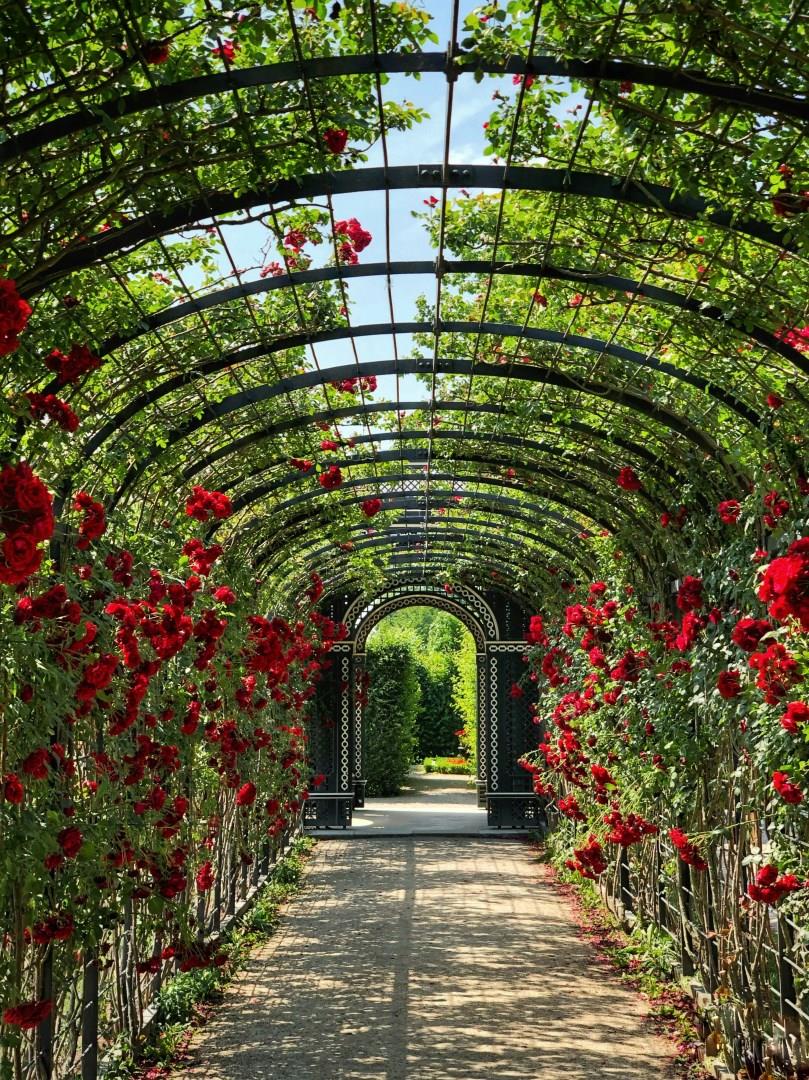
Vienna
Vienna has a long memory. Once the capital of the Habsburg Empire, the city still carries signs of its imperial past in its palaces, concert halls, and wide boulevards. Visitors can walk through the Hofburg complex, where emperors once ruled, or tour the opulent rooms of Schönbrunn Palace, which features 1,441 rooms and a maze in its gardens. But Vienna’s many historic buildings now house contemporary art museums, cafés, and institutions that reflect the city’s modern identity.

Hallstatt
Nestled between the serene waters of Lake Hallstatt and the towering Dachstein mountains, Hallstatt, Austria, is a picturesque gem that seems almost too perfect to be real. This UNESCO World Heritage site is renowned for its stunning alpine scenery and charming architecture. Wander through the narrow streets lined with 16th-century houses and experience the timeless beauty that has captivated visitors for centuries.
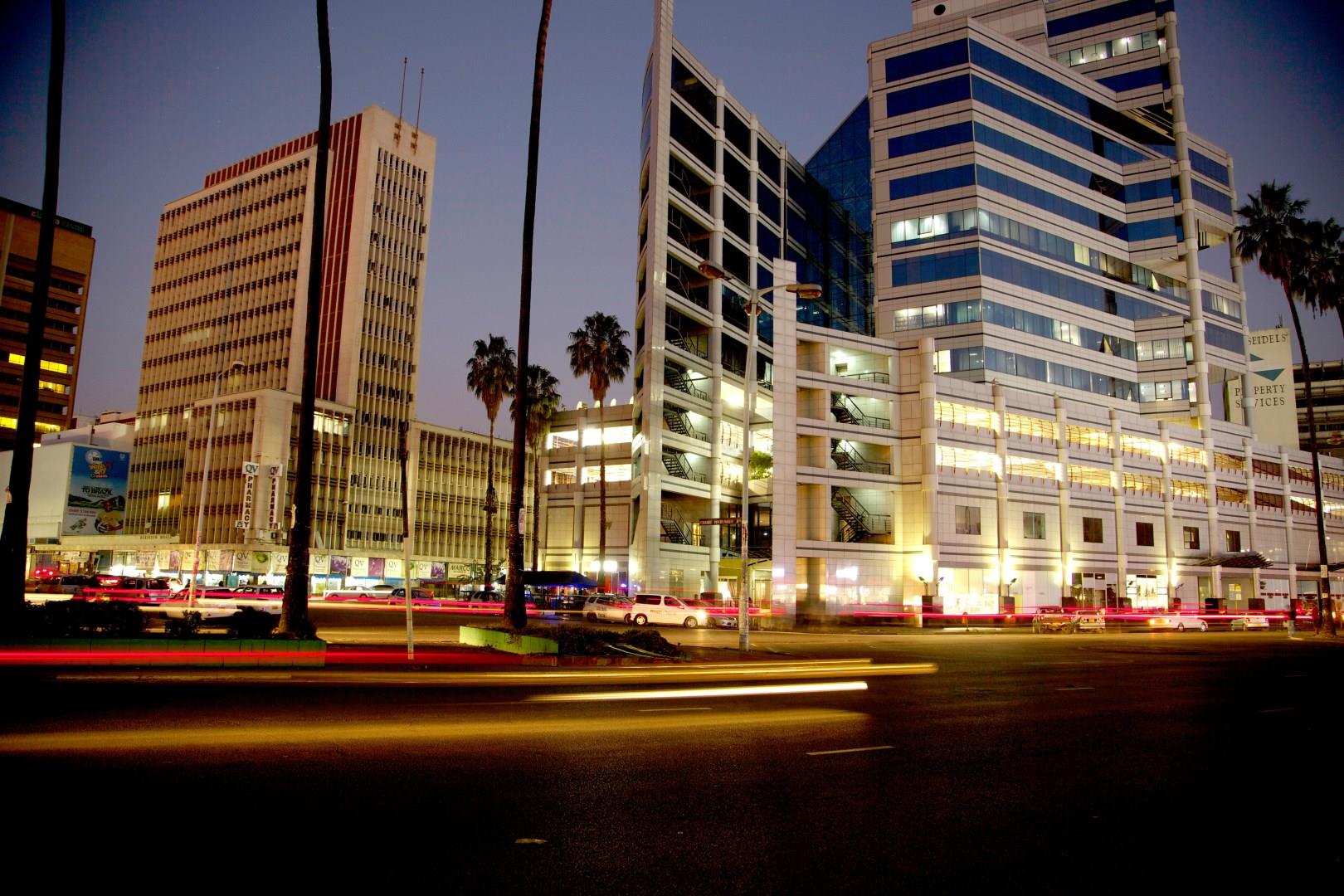
Harare
Harare, the vibrant capital of Zimbabwe, is a city that blends modern life with cultural depth. Set on a high plateau, it enjoys a pleasant climate year-round, with tree-lined avenues and blooming jacarandas that give it a distinctive character.
