
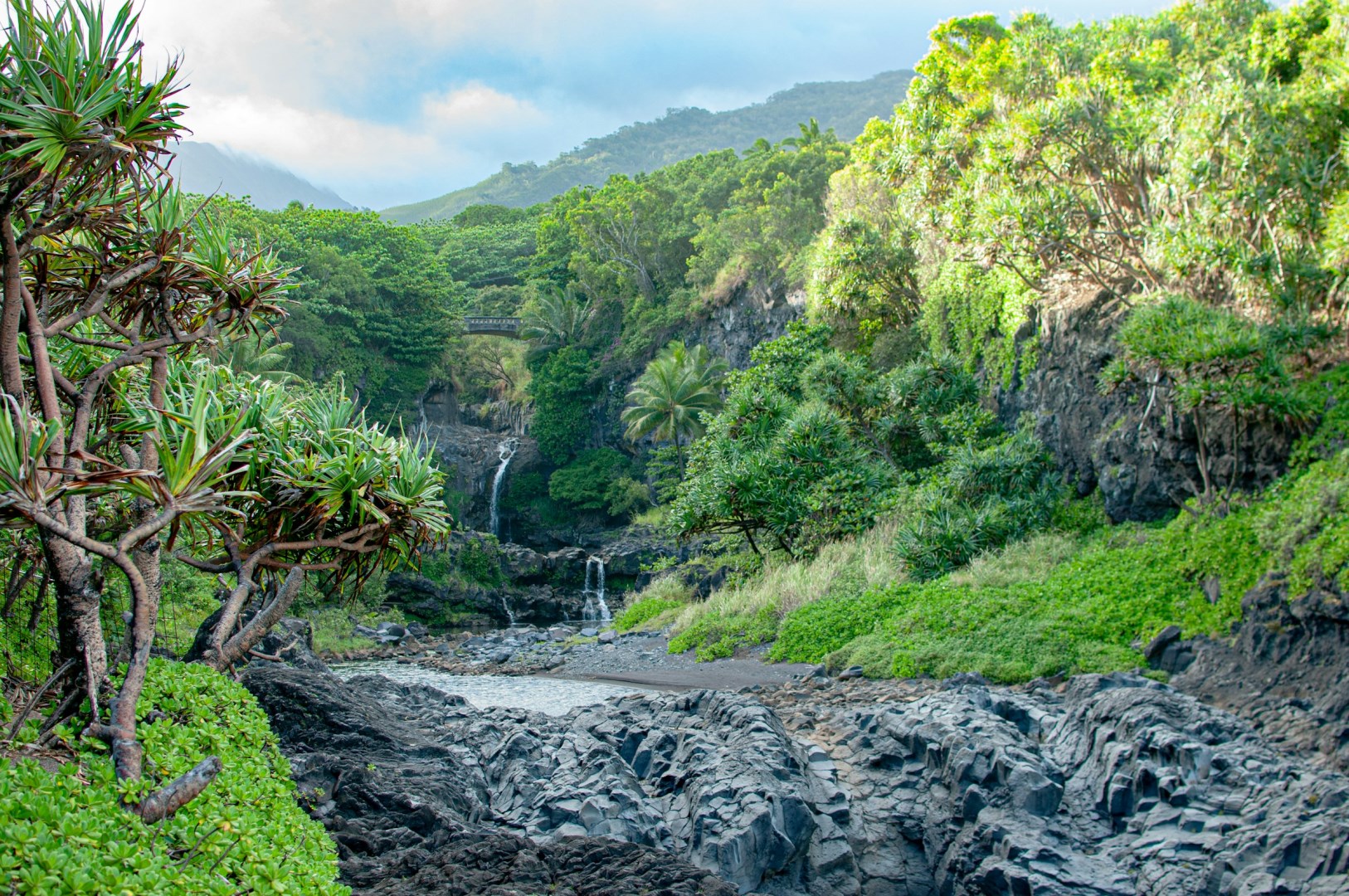
Haleakalā
Maui, both second youngest and second largest of the Hawaiian Islands, is home to the world's largest dormant volcano, Haleakala, meaning "House of the Sun." Last erupting about 200 years ago, it makes up the eastern end of the island. Maui was formed by volcanic activity from Haleakala on the east and the West Maui Mountains to the west. The connecting isthmus between the two spots was formed from joining lava from both and gives Maui its nickname, the Valley Isle.

Puerto Montt
The city of Puerto Montt sits on the coast of Chile's Lake District and is considered a gateway to some of the country's most breathtaking natural beauty, including the fjords of Patagonia and the impressive Andes mountain range. Puerto Montt often serves as a port for South American cruises.
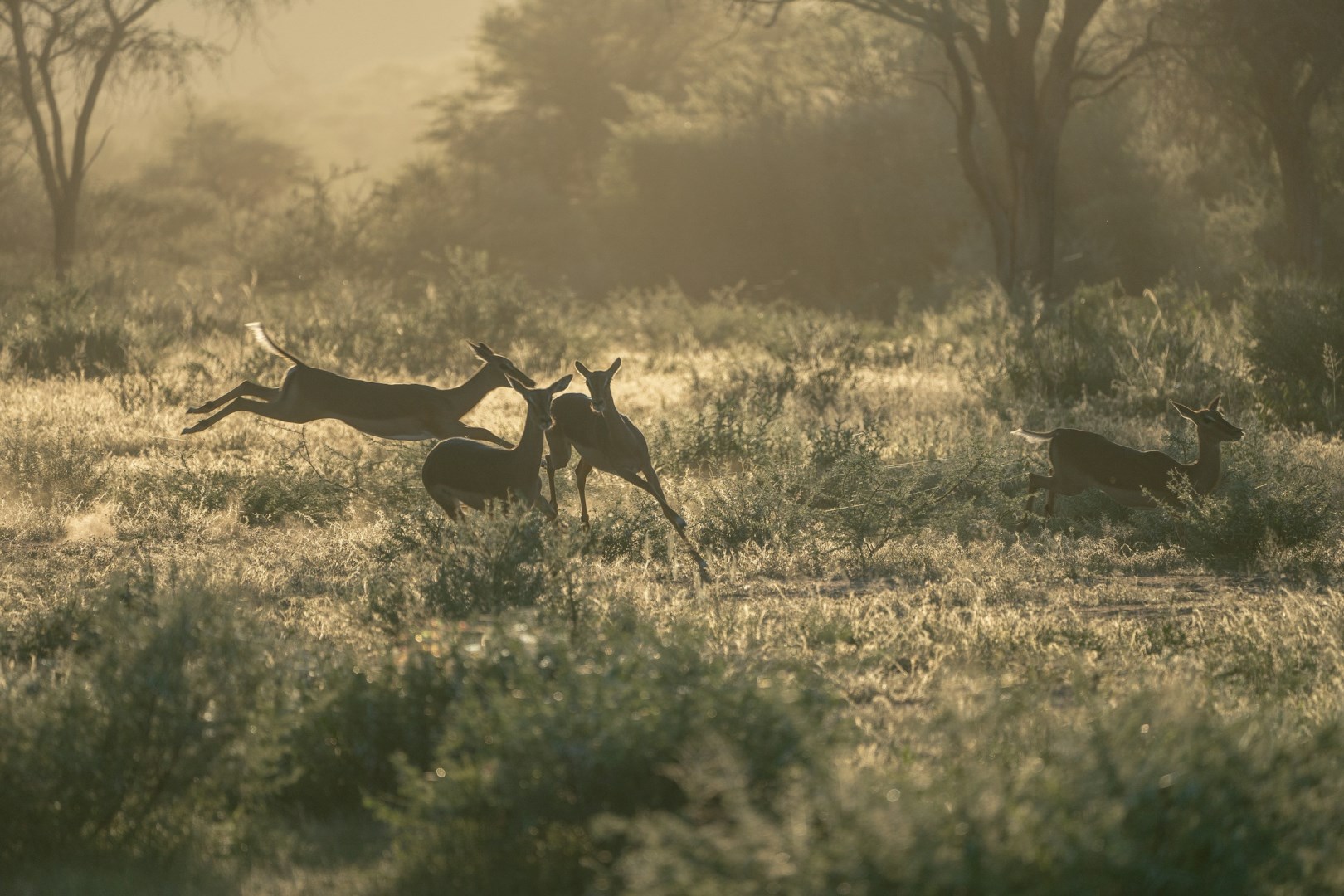
Okonjima Nature Reserve
Okonjima Nature Reserve is a 22,000-hectare private conservation area in central Namibia, located between Windhoek and Etosha National Park at the base of the Omboroko Mountains. The reserve combines rolling savanna, mountain outcrops, riverine thickets, and areas of thornveld, creating varied habitat for wildlife.

Austria
Austria is located just east of Switzerland; northeast of Italy. The foremost attraction is skiing or hiking the Alps--equally breathtaking whether you're among its glorious peaks or at ground level. Visit the capital of Vienna, with its original coffee houses and the opera; or take a country drive and visit its charming villages.

Sacred Valley
The Sacred Valley, located in the Andes and divided by Urubamba River, was part of the larger Inca Empire, along with Machu Picchu and the closeby town of Cusco. Tourists will see green agricultural landscapes and Spanish hamlets like Ollantaytambo and Pisac, the latter featuring a Sunday market.
