
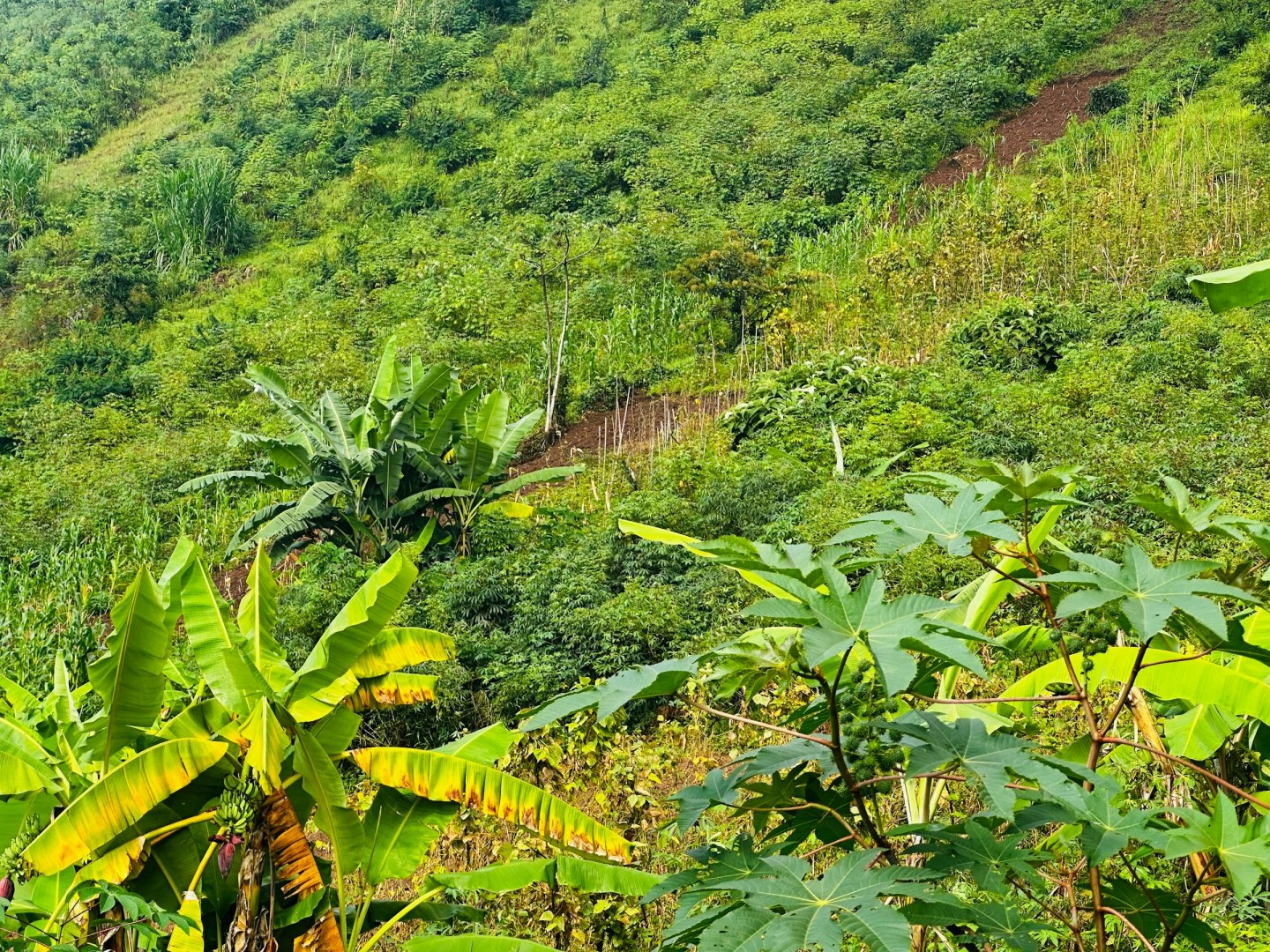
Bujumbura
Bujumbura is Burundi’s largest city and economic centre, extending along the northeastern shore of Lake Tanganyika beneath the hills of western Burundi.
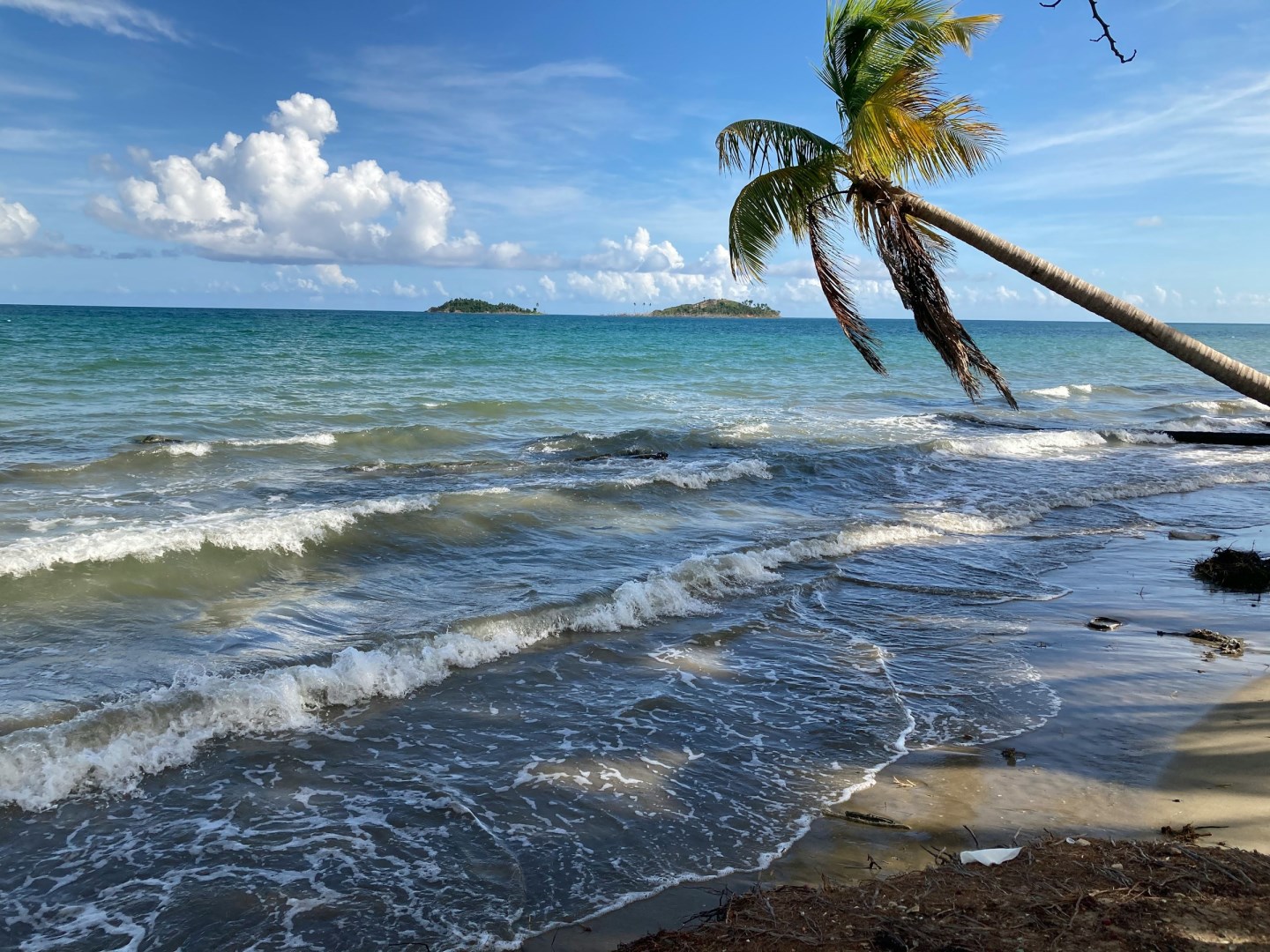
Humacao
Humacao is a coastal city on the southeastern side of Puerto Rico, facing the Caribbean Sea and surrounded by low hills, wetlands, beaches, and agricultural land. The city sits near the mouth of the Río Humacao, with its urban center inland from the coast and several communities extending toward the shoreline.

Cádiz
With its captivating blend of ancient history, sun-drenched beaches, and vibrant Andalusian culture, Cádiz, Spain, stands as one of Europe’s oldest continually inhabited cities. Founded over 3,000 years ago by the Phoenicians, this coastal gem in southern Spain offers a rich tapestry of historical sites and modern charms. The old city of Cádiz is a labyrinth of narrow cobblestone streets, whitewashed houses, and hidden plazas that evoke the city’s Moorish past.

Norwegian Sea
The Norwegian Sea, situated between Norway and the Arctic Ocean, offers a breathtaking adventure in one of Europe’s most rugged and enchanting regions. This body of water is bordered by Norway's western coastline, the Faroe Islands, and the northern reaches of Iceland, each contributing to its unique allure.
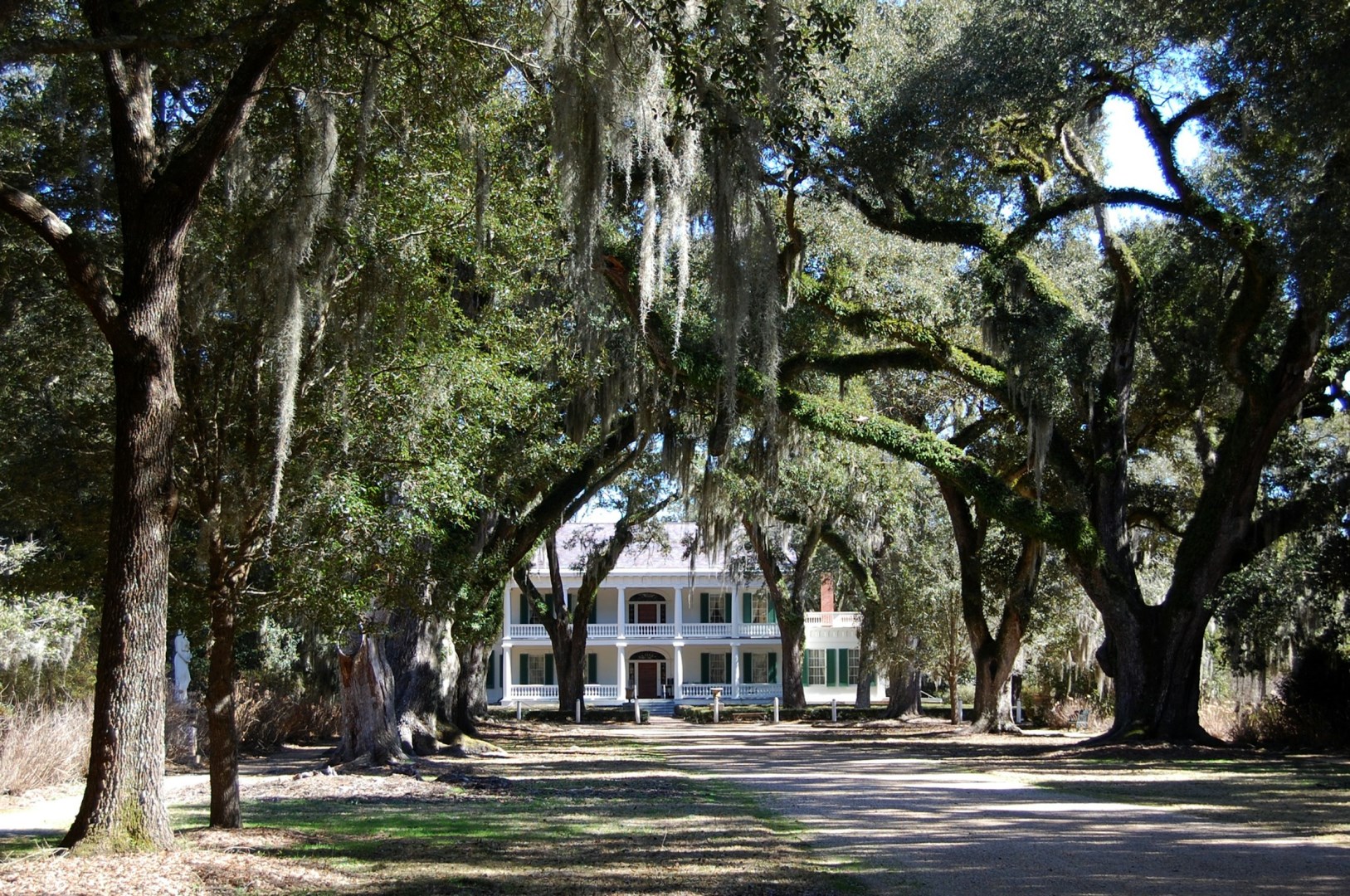
St. Francisville
St. Francisville, located along the Mississippi River in Louisiana, is a small town celebrated for its rich history, antebellum architecture, and scenic surroundings. Known as the “City of Oaks” for its tree-lined streets, the town offers a glimpse into Louisiana’s past through its well-preserved plantation homes, historic districts, and charming downtown area.
