

Tangier
Located on the north coast of Morocco near the Strait of Gibraltar, Tangier is a cultural capital replete with historic sites, colorful architecture, and splendid beaches. An essential stop is the Ancien Medina, a walled collection of winding streets and alleys filled with cafes and shops leading to the Kasbah, a former palace and mosque that also houses a museum.

Bardolino
Nestled along the southeastern shores of Lake Garda, Bardolino offers a quintessential Italian experience filled with charm, history, and natural beauty. Known for its rolling vineyards and olive groves, Bardolino is the heart of one of Italy’s most celebrated wine regions. Here, you can stroll through narrow, cobbled streets lined with pastel-colored buildings, visit cozy enotecas to sample the renowned Bardolino DOC wines, or enjoy a lakeside meal in a trattoria.
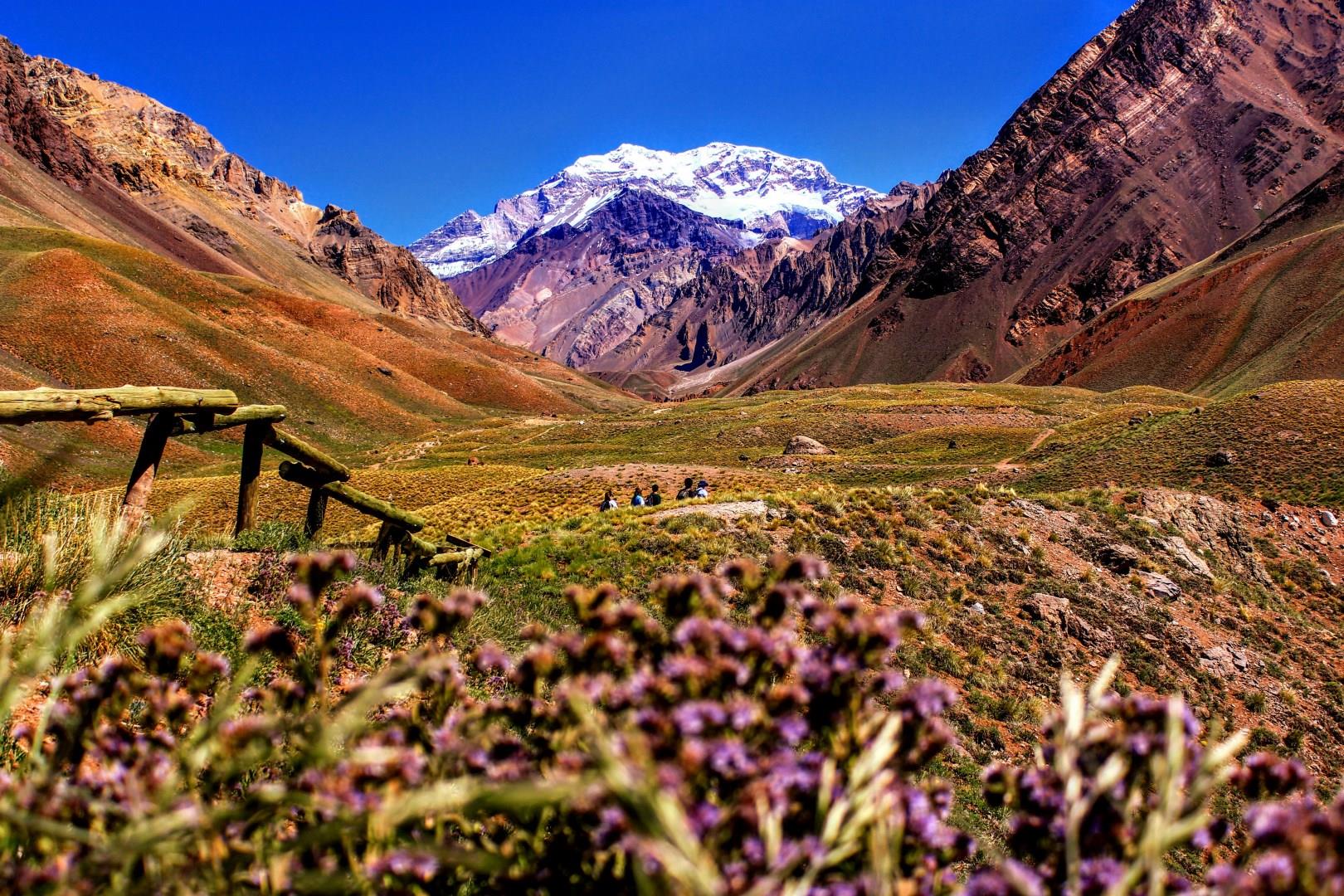
Mendoza
Mendoza sits at the base of the Andes in western Argentina, where sun-drenched plains meet snow-capped peaks.
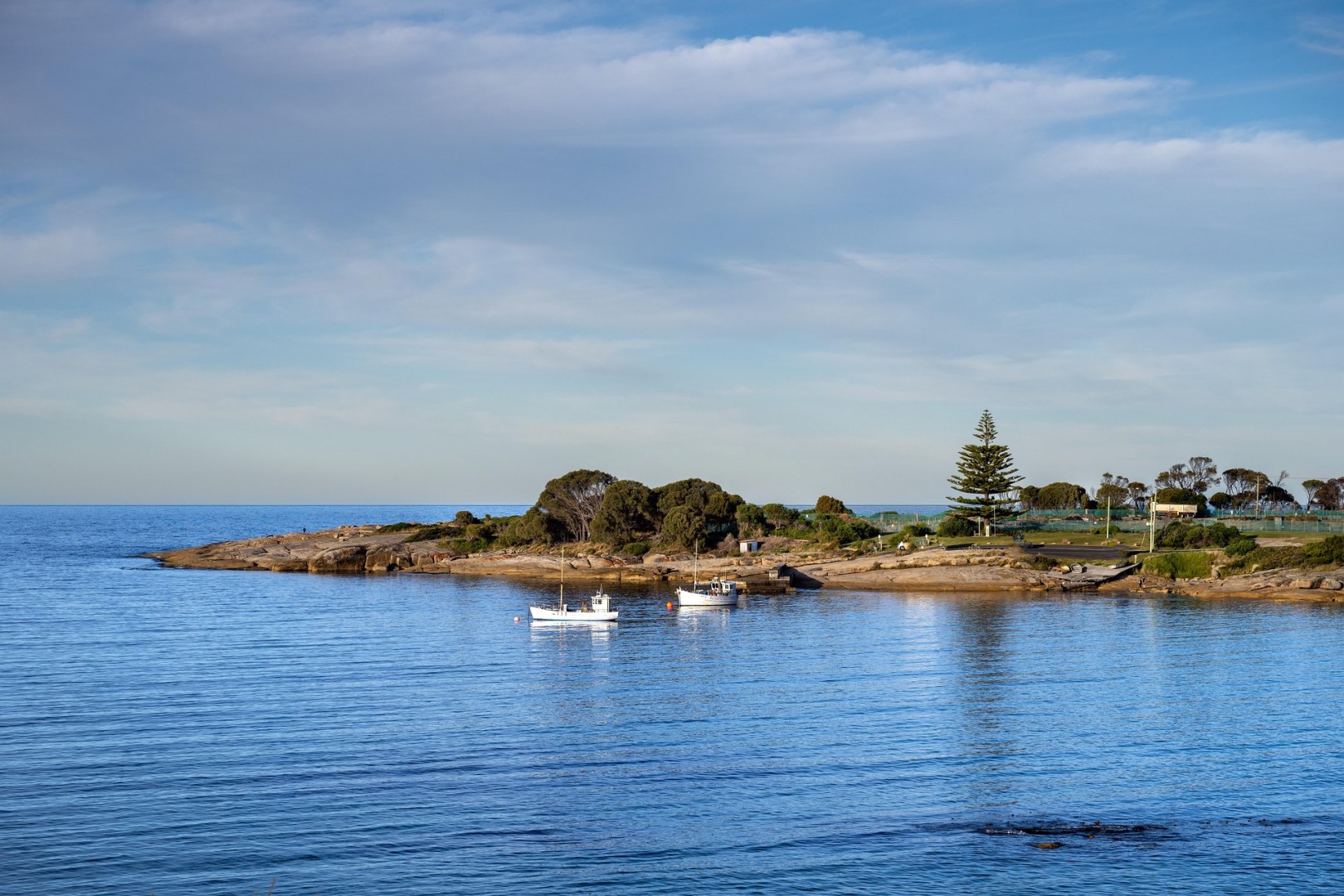
Bicheno
Bicheno is a coastal town on Tasmania’s east coast, set beside rocky shorelines, sandy beaches, and the clear waters of Waubs Bay. It lies along the Tasman Highway between Swansea and St Helens and serves as a base for exploring the surrounding coastline and nearby Douglas-Apsley National Park. The town has a working fishing heritage alongside tourism, with a small harbour, seafood businesses, cafés, and accommodation.
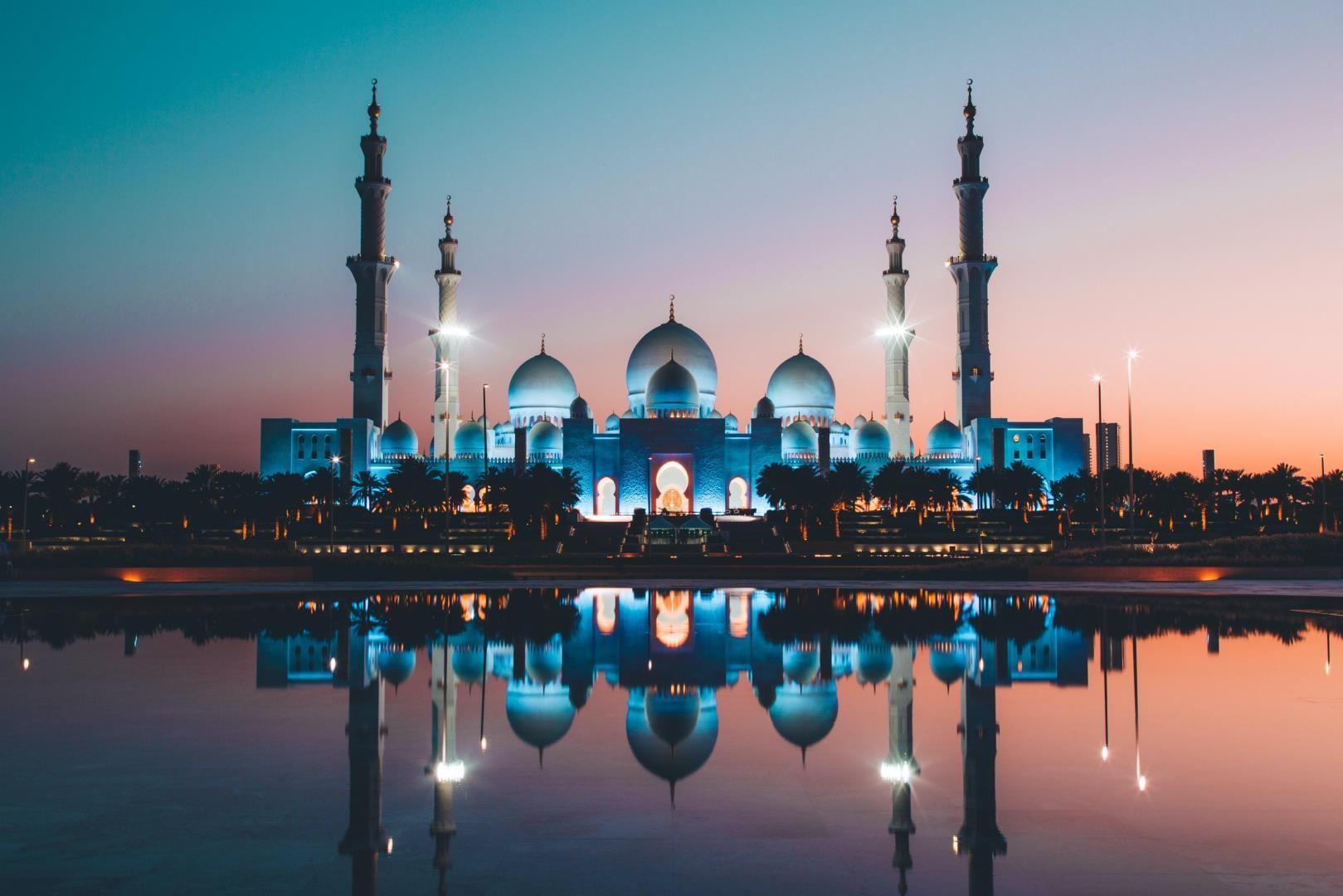
Abu Dhabi
A city in perpetual forward motion, Abu Dhabi greets visitors with gleaming skyscrapers and opulent Islamic architecture. There is much to see here, from the recently opened Louvre Abu Dhabi to the gigantic Sheikh Zayed Grand Mosque, with its white marble splendor. Beach life and turquoise waters can be found on Saadiyat Island, Al Bateen and Corniche Beach.
