
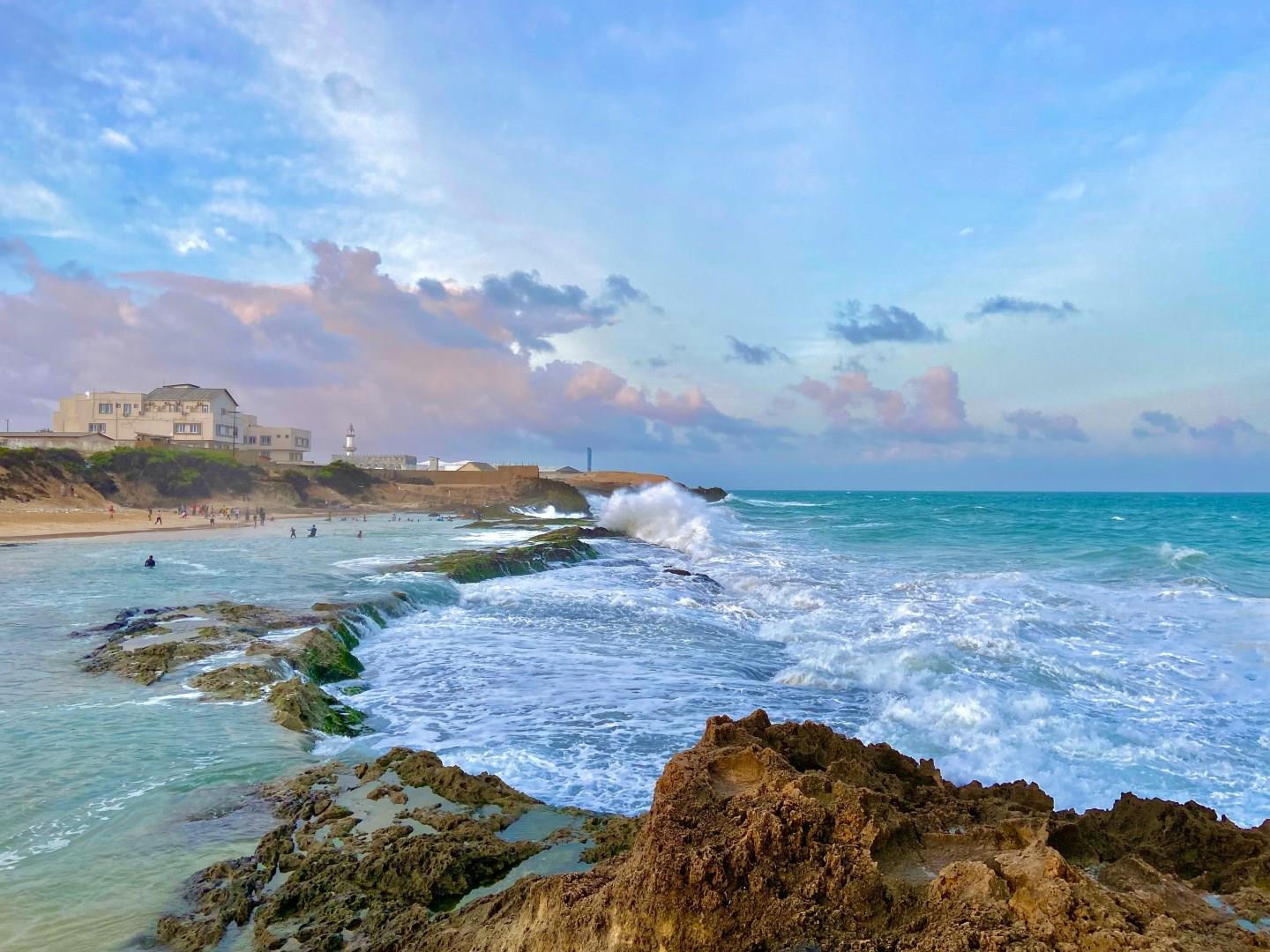
Somalia
Somalia, located on the Horn of Africa, is a land defined by its coastline, culture, and long history as a crossroads of trade. With the Indian Ocean and Gulf of Aden shaping much of its identity, Somalia has one of the longest coastlines in Africa, stretching over 1,800 miles.
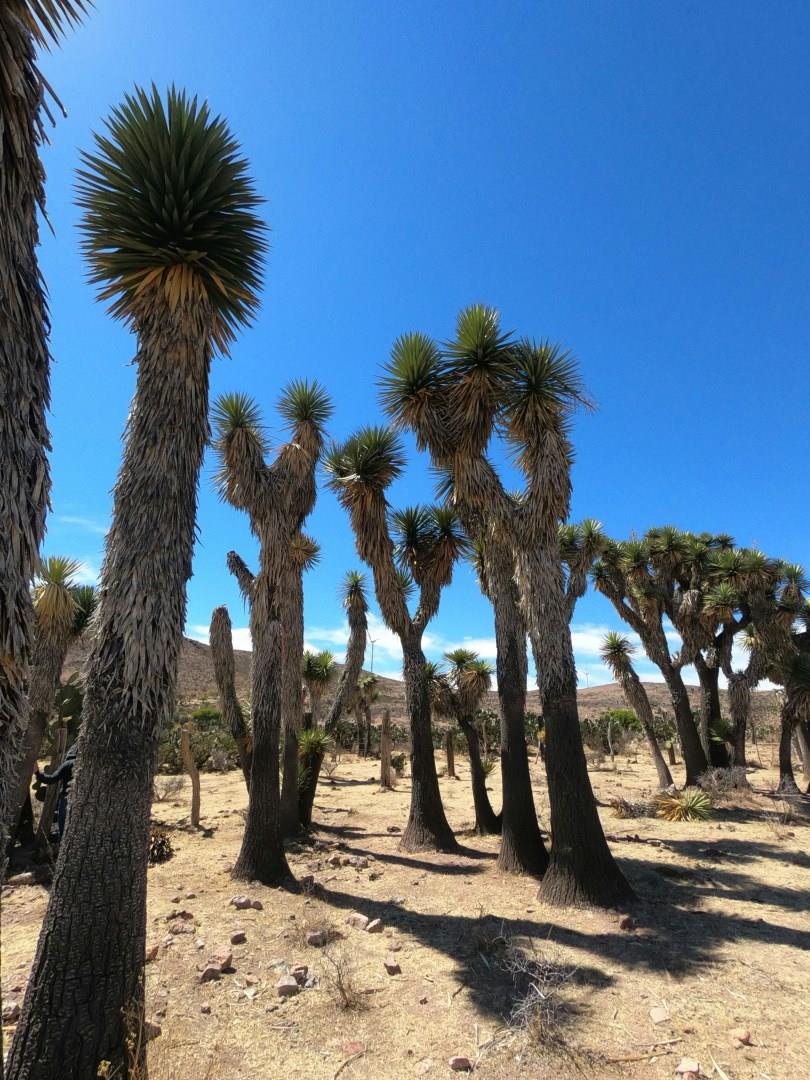
Zacatecas
Zacatecas, built into the slopes of a narrow ravine in north-central Mexico, is a city with a deep mining past and a striking skyline. The historic center, a UNESCO World Heritage Site, is known for its pink cantera stone buildings, narrow alleys, and impressive baroque facades. The Cathedral Basilica of Zacatecas, completed in 1752, stands as one of the most detailed examples of Mexican baroque architecture, with hundreds of carved figures covering its sandstone exterior.
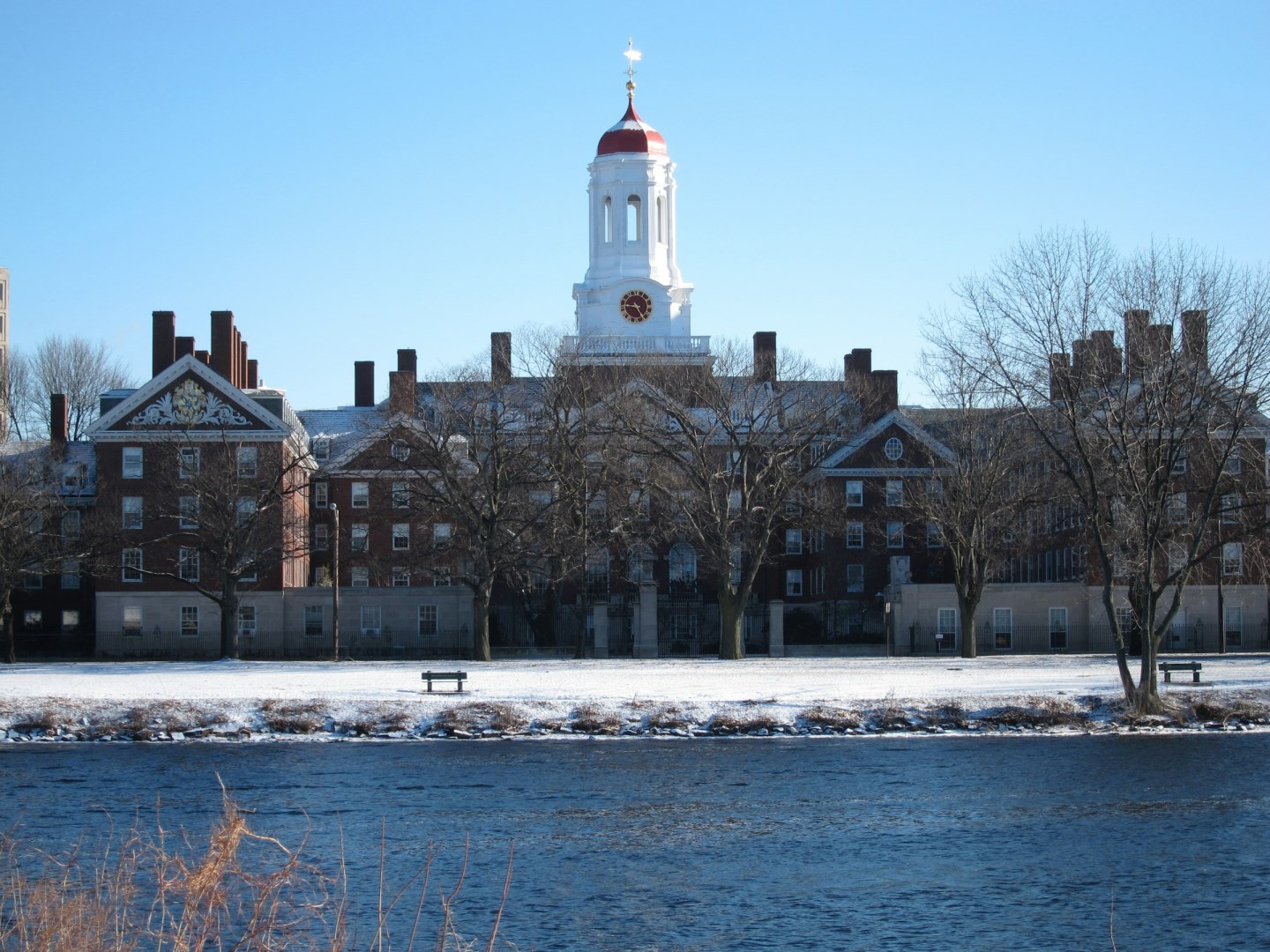
Cambridge
Cambridge, Massachusetts, sits across the Charles River from Boston and is known for its universities, historic neighborhoods, research institutions, and distinctive network of public squares. Harvard University and the Massachusetts Institute of Technology give the city an international academic profile, while areas such as Harvard Square, Central Square, Kendall Square, and Inman Square each have their own mix of shops, restaurants, cultural venues, and businesses.
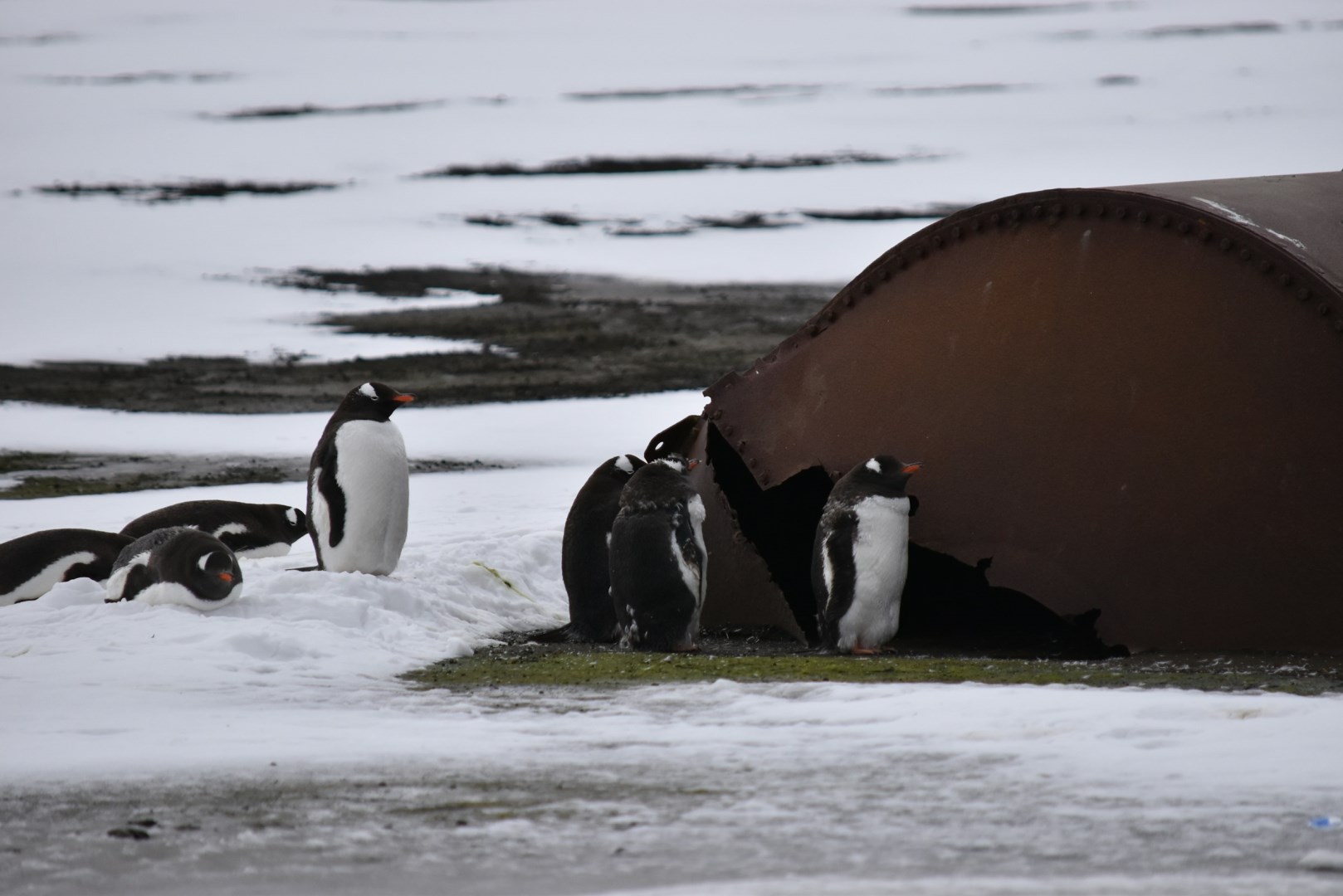
Deception Island
Antarctica’s Deception Island offers a dramatic landscape shaped by volcanic forces in one of the most remote corners of the world. Located in the South Shetland Islands, it is the caldera of an active volcano, its flooded interior forming a natural harbor known as Port Foster. This rare combination of volcanic activity and polar environment makes Deception Island a place where ice and fire meet.
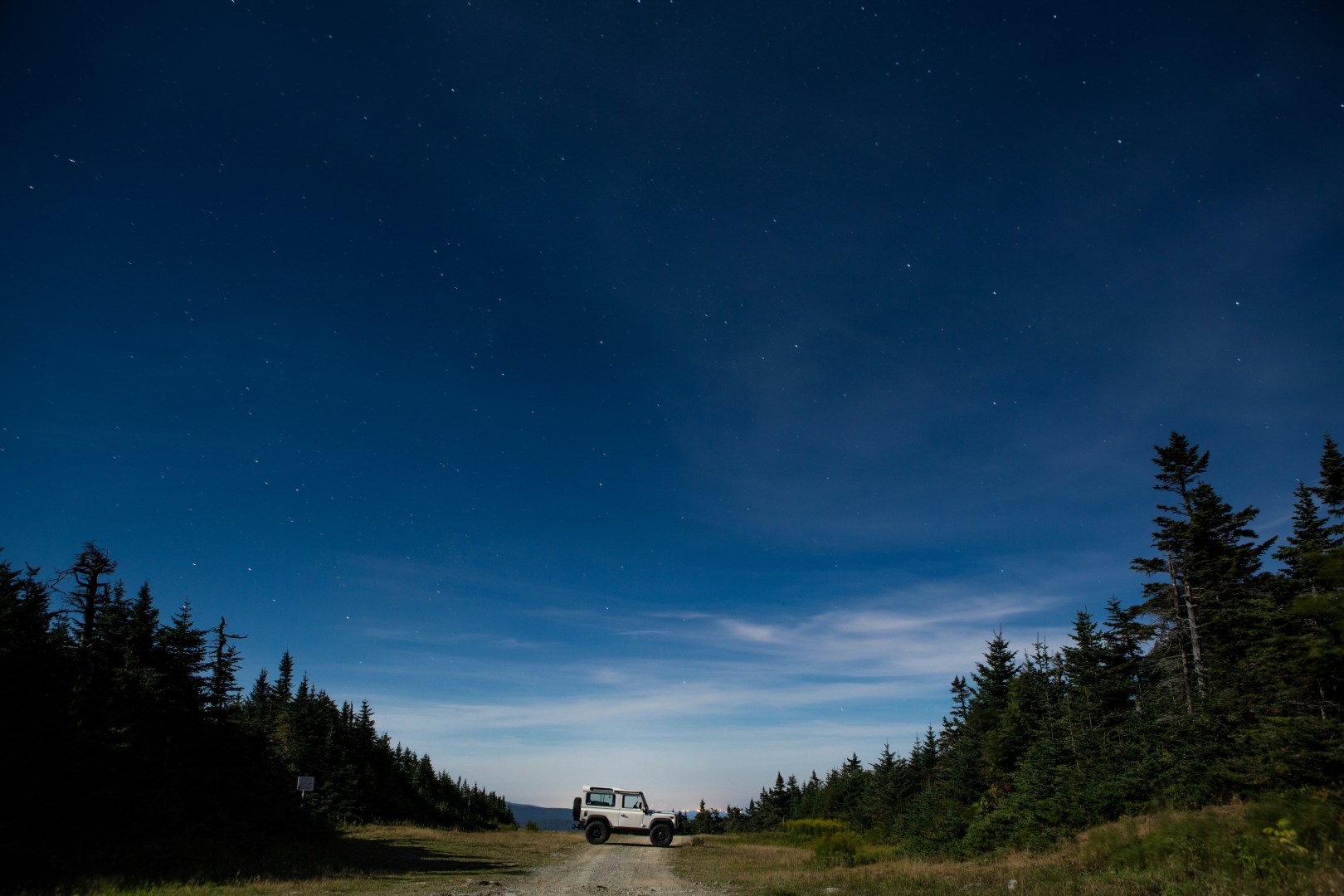
Stratton
Stratton is a mountain destination in southern Vermont, United States, centered around Stratton Mountain Resort. It sits within the Green Mountains, where forested slopes and changing seasons define the landscape.
