

Bratislava
Bratislava, Slovakia’s capital, sits along the Danube River at the crossroads of Central Europe. It's the only capital in the world bordering Austria and Hungary, which makes it an easy stop on many European itineraries. Yet Bratislava is more than a waypoint; it offers a compact city center filled with centuries of history. The Old Town’s cobbled lanes lead past Gothic cathedrals, Baroque palaces, and buildings once used by Habsburg royalty.
Grand-Bassam
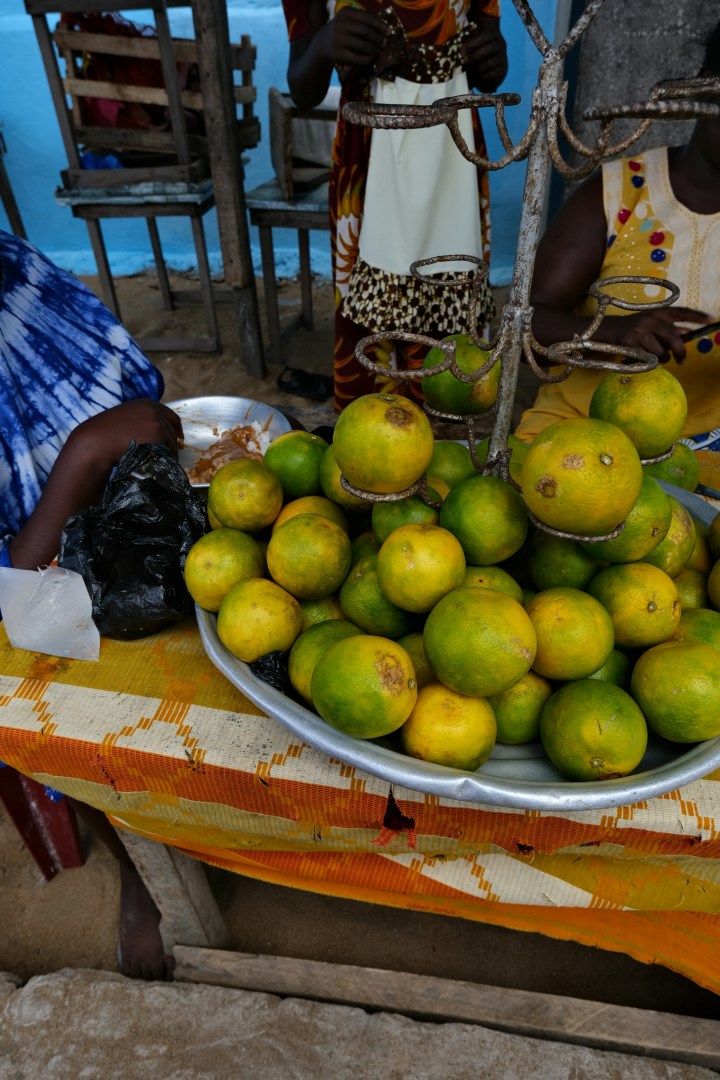
Grand-Bassam is a coastal city in southeastern Côte d’Ivoire, about 40 kilometres east of Abidjan, where the Ébrié Lagoon meets the Gulf of Guinea. The city extends across lagoon shores and a narrow coastal strip lined by Atlantic beaches and coconut palms.
Georgetown
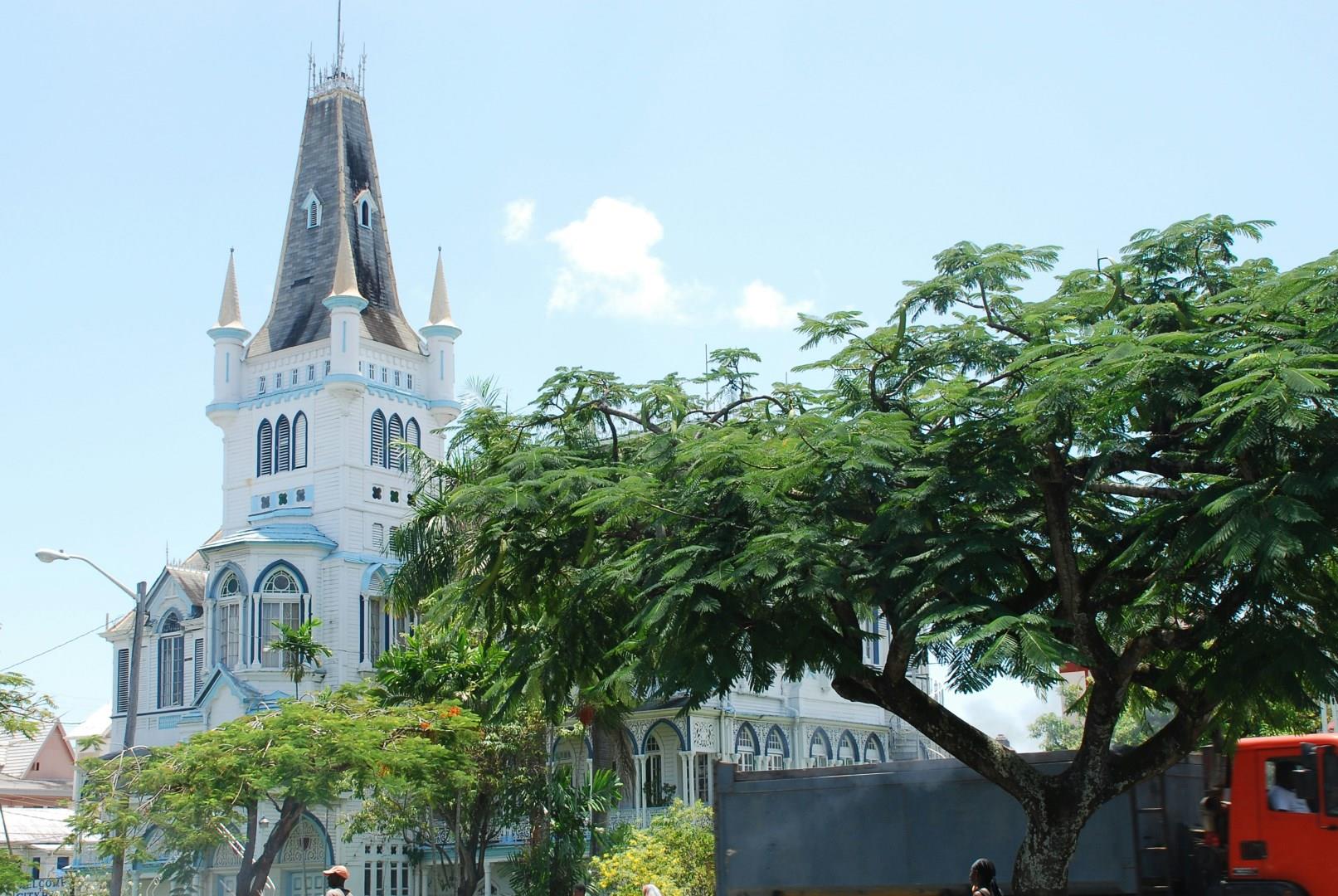
Georgetown, Guyana’s capital, is a city of wooden cathedrals, tree-lined canals, and street corners alive with music, food, and political discussion. Located at the mouth of the Demerara River, the streets still follow the Dutch grid system, and the city’s architectural signature, with its elegant wooden buildings with louvered shutters and fretwork, make it one of the most visually distinct capitals in South America.

México
Mexico offers the best beaches, scuba diving, nightlife, cultural attractions and cuisine in the world. Millions of people flock to this country every year for a well-needed vacation. Archaeological ruins, inexpensive shopping, and festive music are its foremost attractions.
Palm Desert
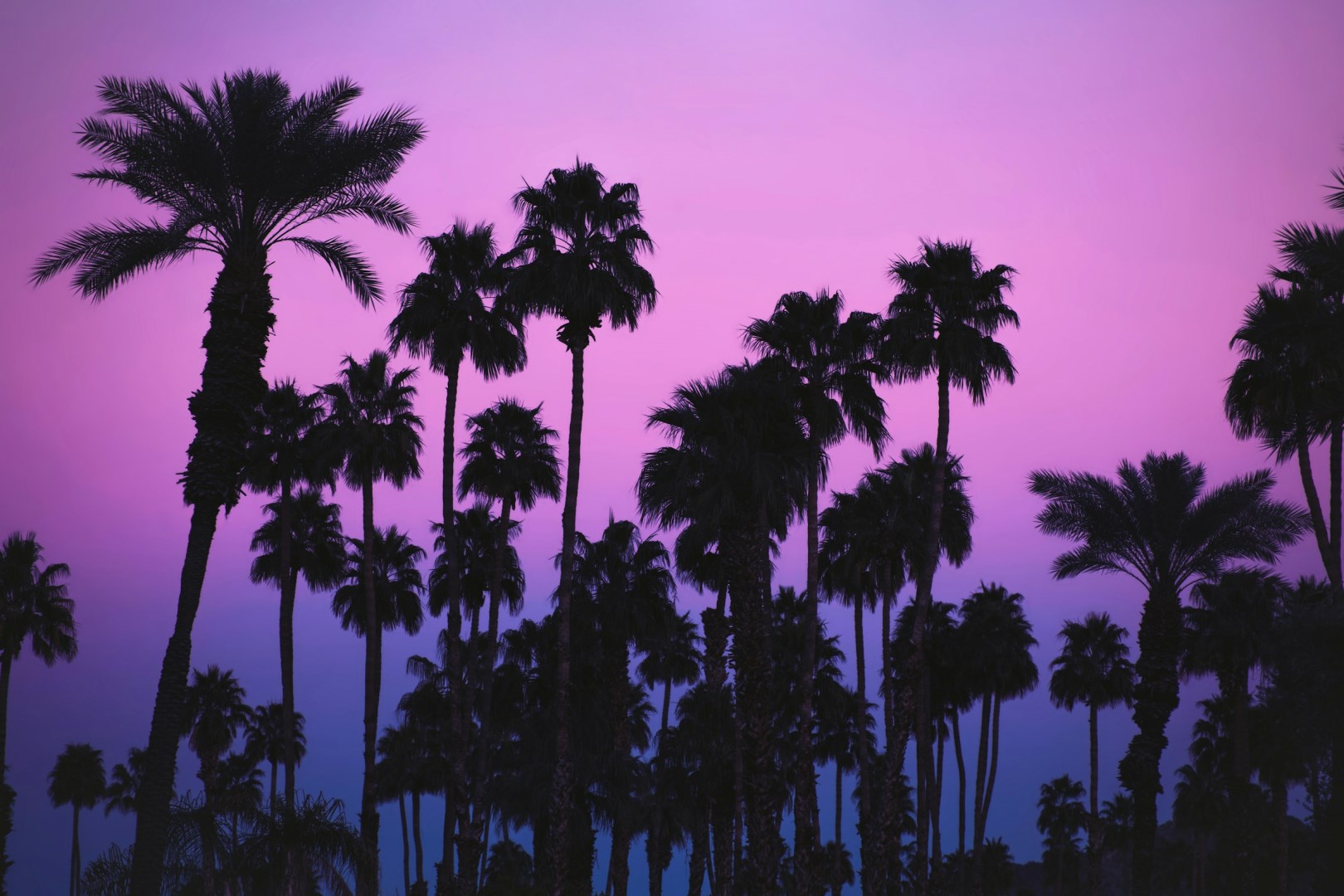
Palm Desert is a city in California’s Coachella Valley, set between the San Jacinto and Santa Rosa Mountains and the Little San Bernardino Mountains. Its landscape is characterized by desert plains, palm trees, rugged mountain slopes, and irrigated areas created around residential neighborhoods and golf courses. El Paseo forms the city’s best-known commercial district, with shops, galleries, restaurants, and public art along a landscaped boulevard.
