
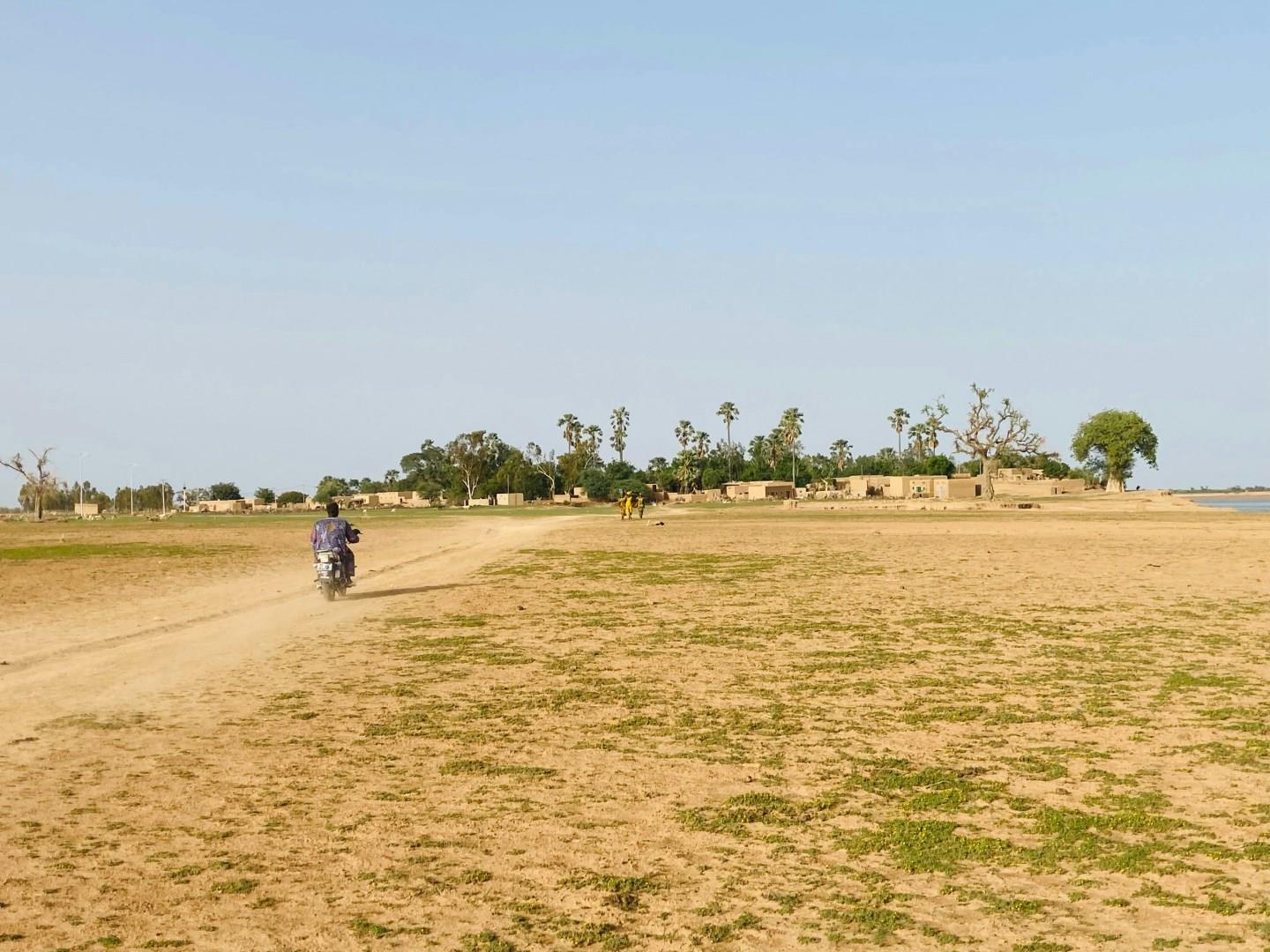
Mopti
Mopti, often called the “Venice of Mali,” sits at the point where the Bani and Niger rivers meet. This strategic location has made it an important trading hub for centuries, attracting merchants, fishermen, and travelers from across West Africa.

Dominica
Dominica, known as the “Nature Island of the Caribbean,” is a haven for eco-tourists and adventure seekers. Nestled between the French islands of Guadeloupe and Martinique, this lush island boasts a remarkable landscape of volcanic mountains, dense rainforests, and stunning waterfalls. Dominica’s most iconic natural wonder is the Boiling Lake, the second-largest hot spring in the world.
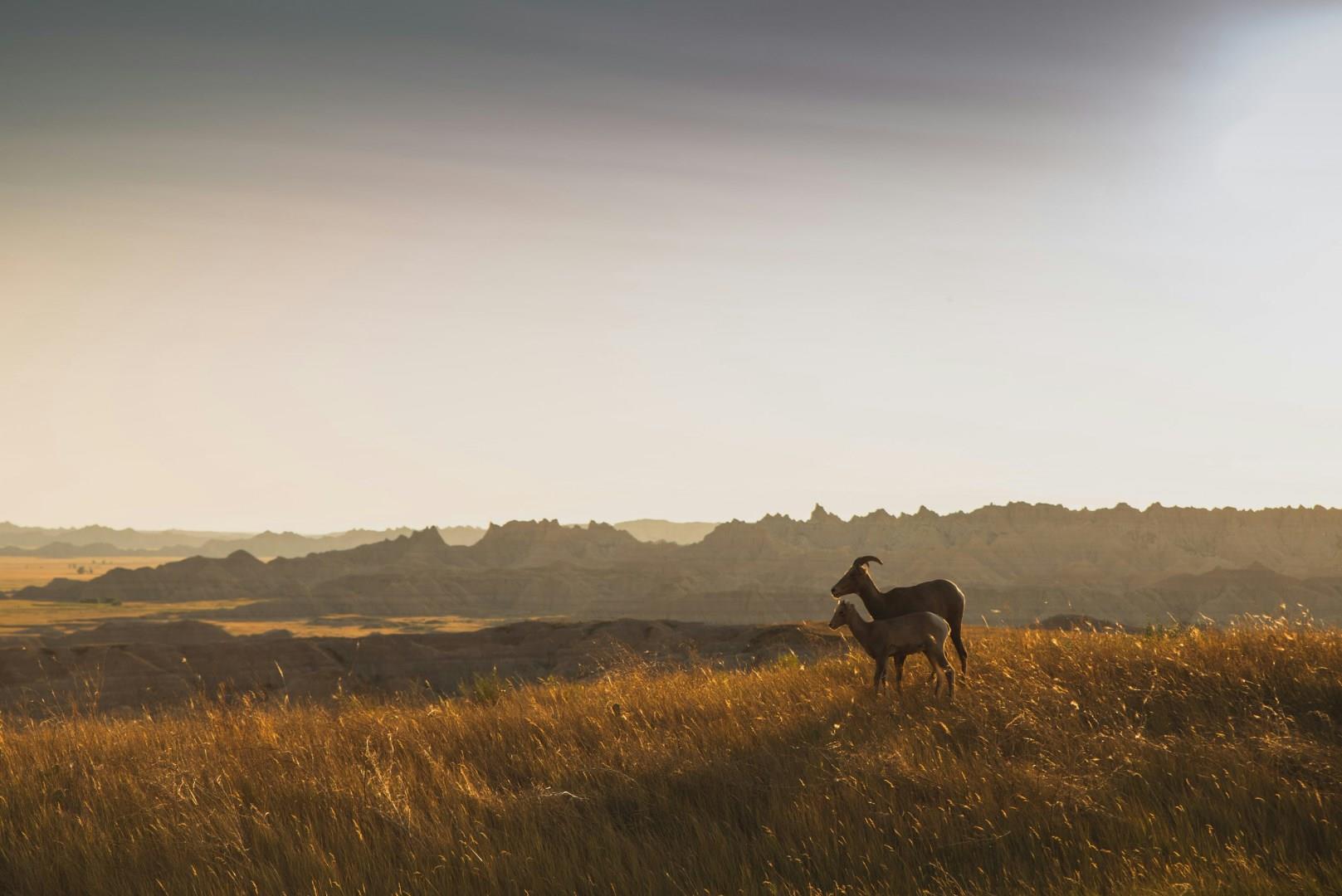
Badlands National Park
Badlands National Park stretches across southwestern South Dakota, where layered rock formations and sharply eroded spires reveal nearly 75 million years of geological history. The park’s banded cliffs and pinnacles were shaped by wind and water, exposing ancient seabeds and fossil-rich layers that have made the area one of North America’s most important paleontological sites.
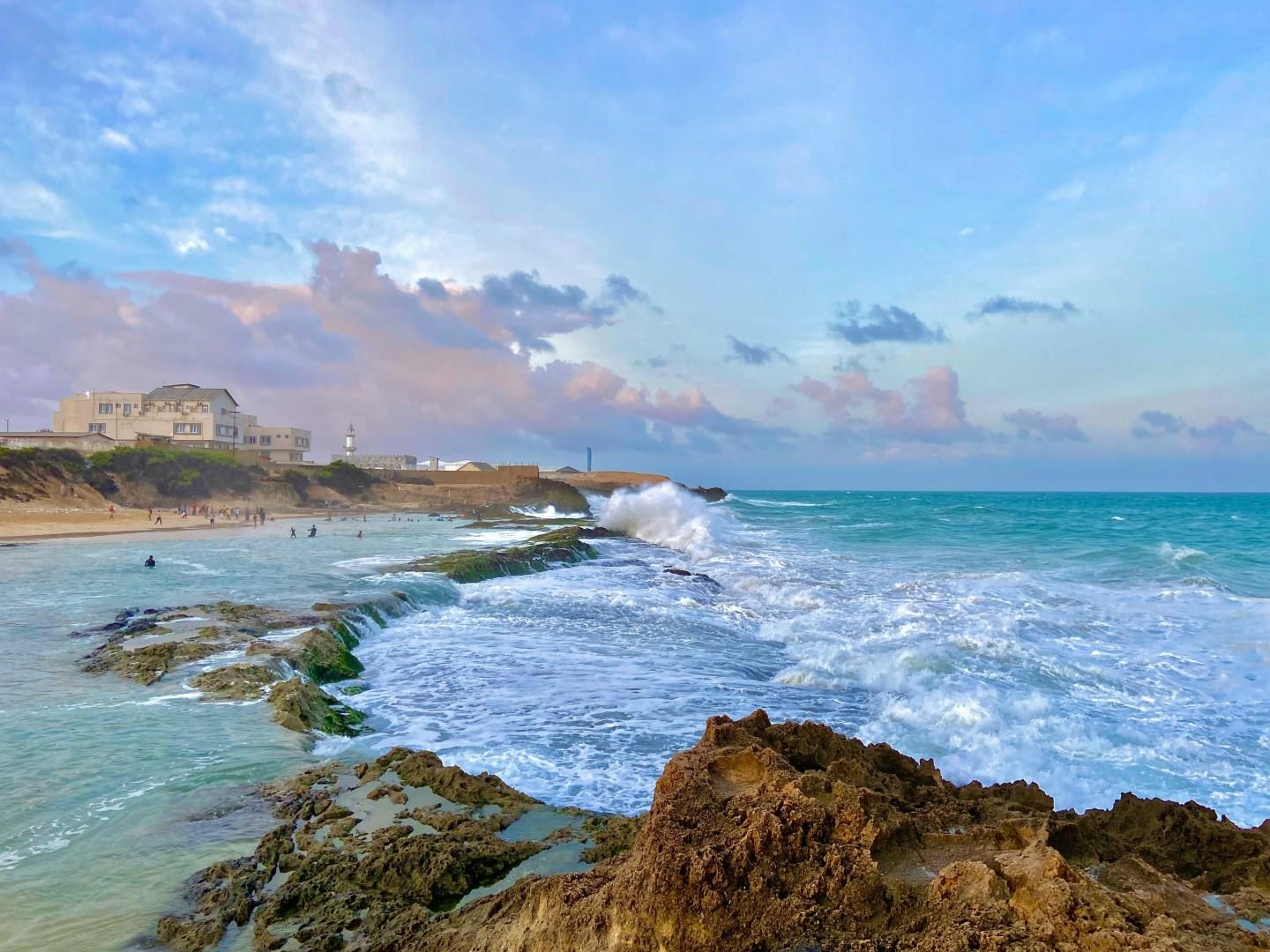
Somalia
Somalia, located on the Horn of Africa, is a land defined by its coastline, culture, and long history as a crossroads of trade. With the Indian Ocean and Gulf of Aden shaping much of its identity, Somalia has one of the longest coastlines in Africa, stretching over 1,800 miles.
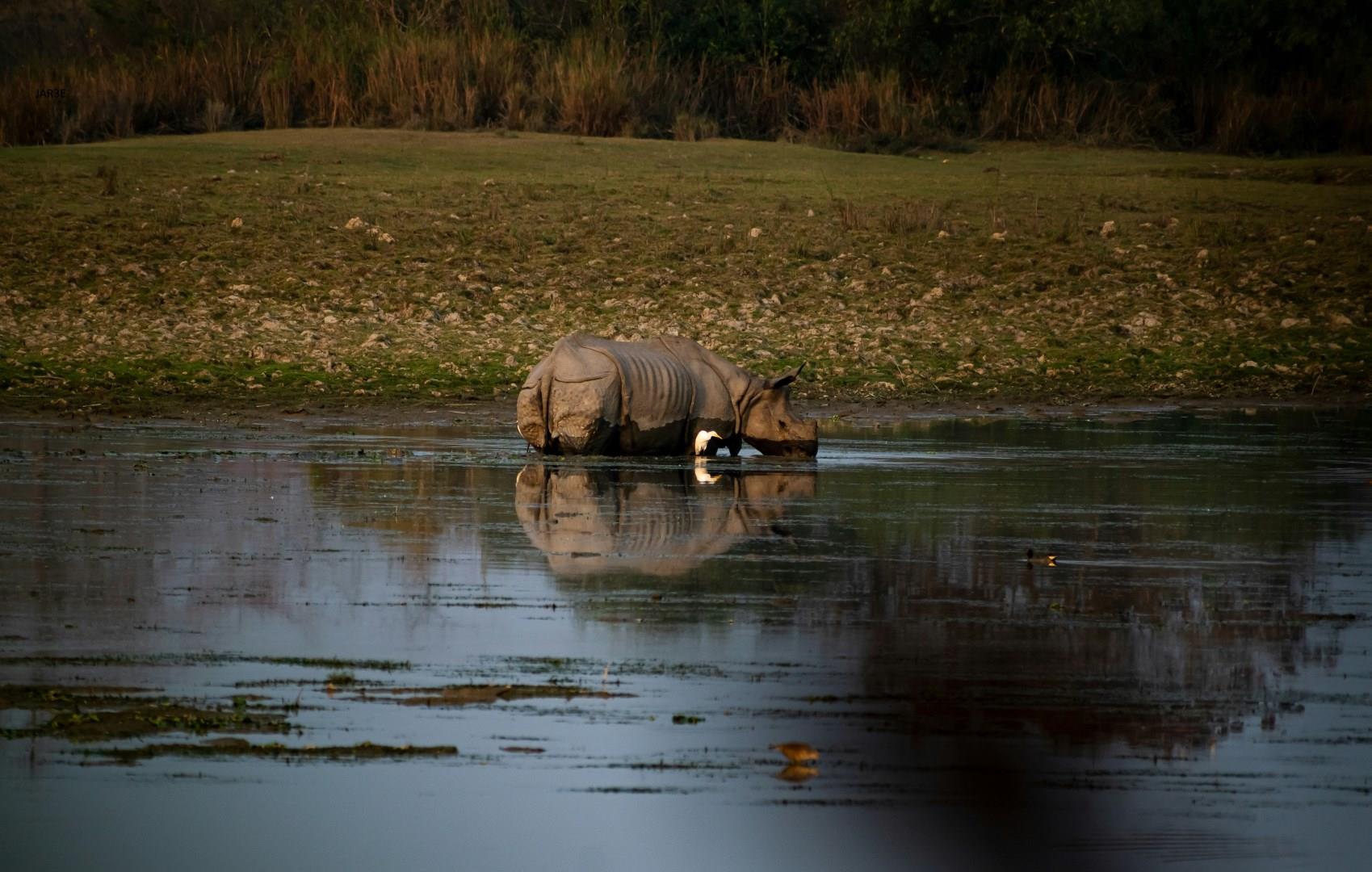
Kaziranga National Park
Kaziranga National Park stretches across the floodplains of the Brahmaputra River in Assam, shaped as much by water as by wildlife. Established in the early 20th century, it became central to conservation efforts in India, most notably for the greater one-horned rhinoceros. The park’s history reflects a long negotiation between protection, seasonal flooding, and the human communities that live around its edges.
