

Ghent
If it wasn't for Paris, Ghent would be medieval Europe's largest city. Steeped in history both rebellious and industrious, it sits at the junction of the Leie and Scheldt rivers and was once the site of armed battles by its townsfolk, who raged against heavy taxes and restricted civil liberties.

USA
Spanning from the Atlantic to the Pacific, its geography encompasses everything from mountain ranges and fertile plains to vibrant cities and quiet coastal towns. Each region tells its own story.
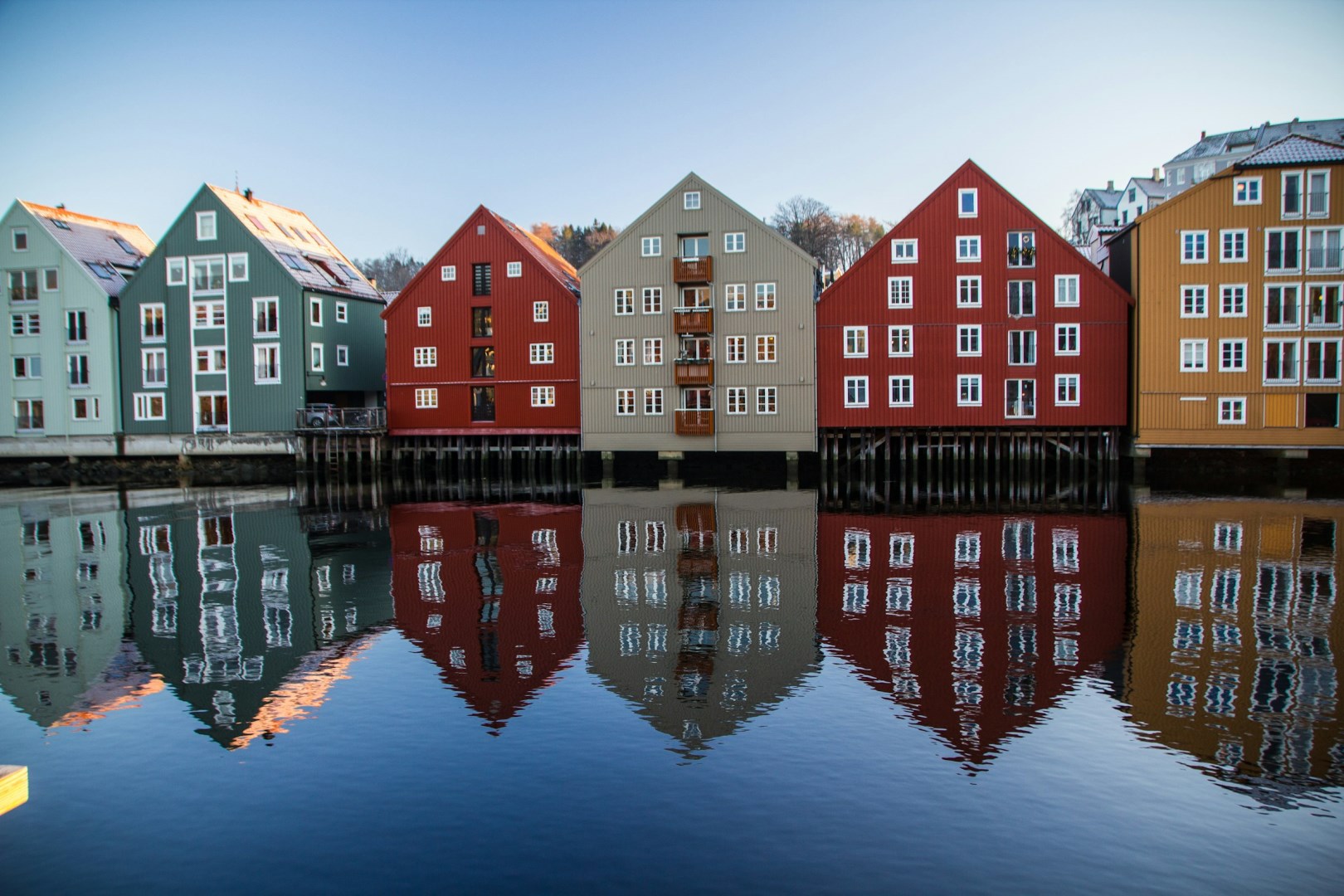
Trondheim
Nestled along the Trondheim Fjord in central Norway, Trondheim offers a captivating blend of rich history and vibrant modern life. As Norway’s first capital, Trondheim boasts a legacy that includes the striking Nidaros Cathedral, an iconic landmark whose construction began in the 11th century.
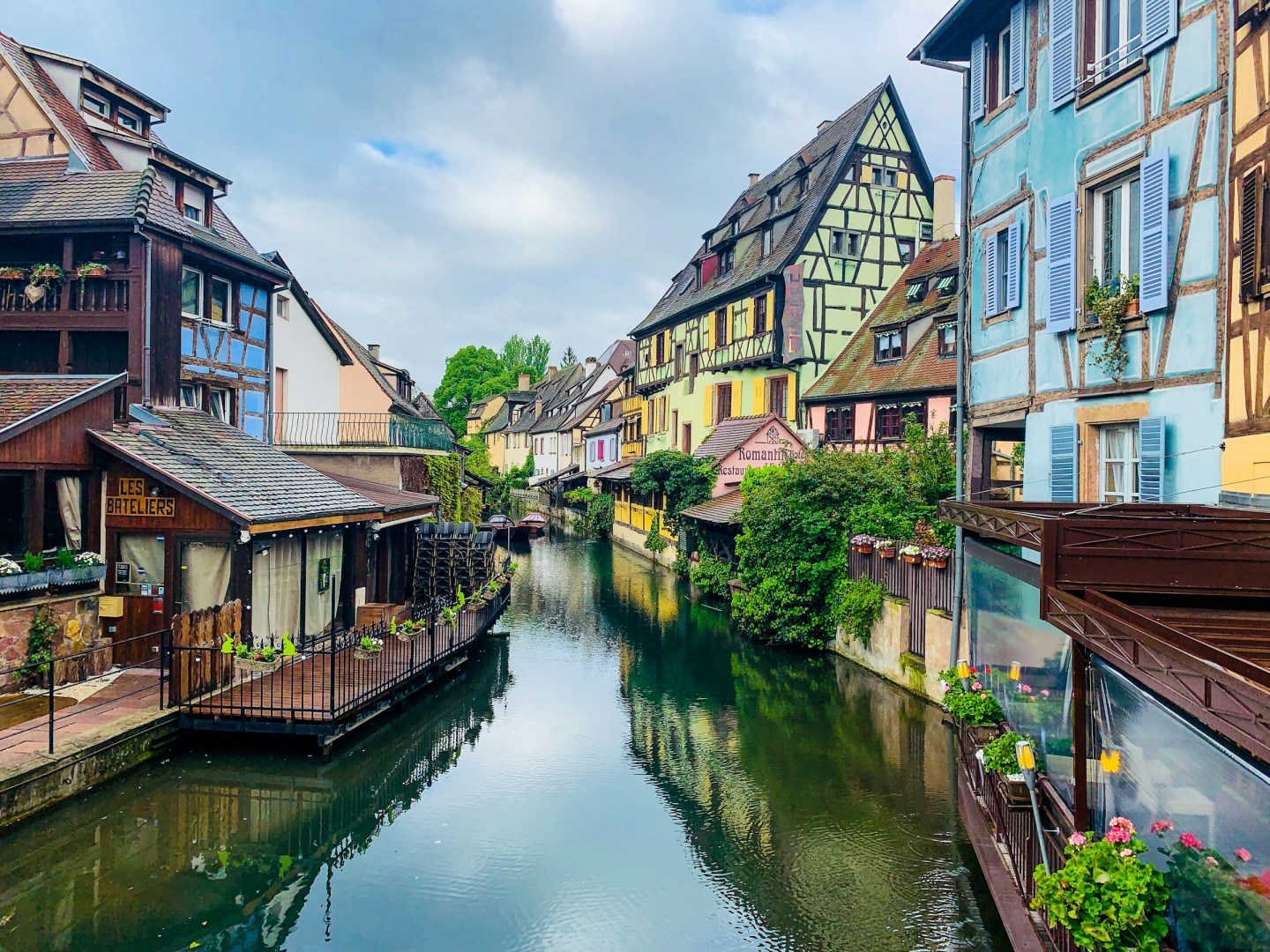
Colmar
Colmar is a city in Alsace, northeastern France, situated between the Vosges Mountains and the Rhine plain. Its historic centre is known for canals, narrow streets, colourful timber-framed houses, and buildings with carved details that reflect the region's Germanic and French influences. The Lauch River passes through the district known as Little Venice, while the covered market, old customs house, and former merchant houses add to the architectural variety.

Sandakan Sabah
Sandakan, on the northeast coast of Sabah in Malaysian Borneo, is a city where history, wildlife, and culture come together. Once a major trading port known as “Little Hong Kong” for its bustling connections to the wider world, Sandakan has retained its multicultural character, with influences from Chinese, Malay, and Indigenous communities visible in its temples, markets, and cuisine.
