

Dominica
Dominica, known as the “Nature Island of the Caribbean,” is a haven for eco-tourists and adventure seekers. Nestled between the French islands of Guadeloupe and Martinique, this lush island boasts a remarkable landscape of volcanic mountains, dense rainforests, and stunning waterfalls. Dominica’s most iconic natural wonder is the Boiling Lake, the second-largest hot spring in the world.
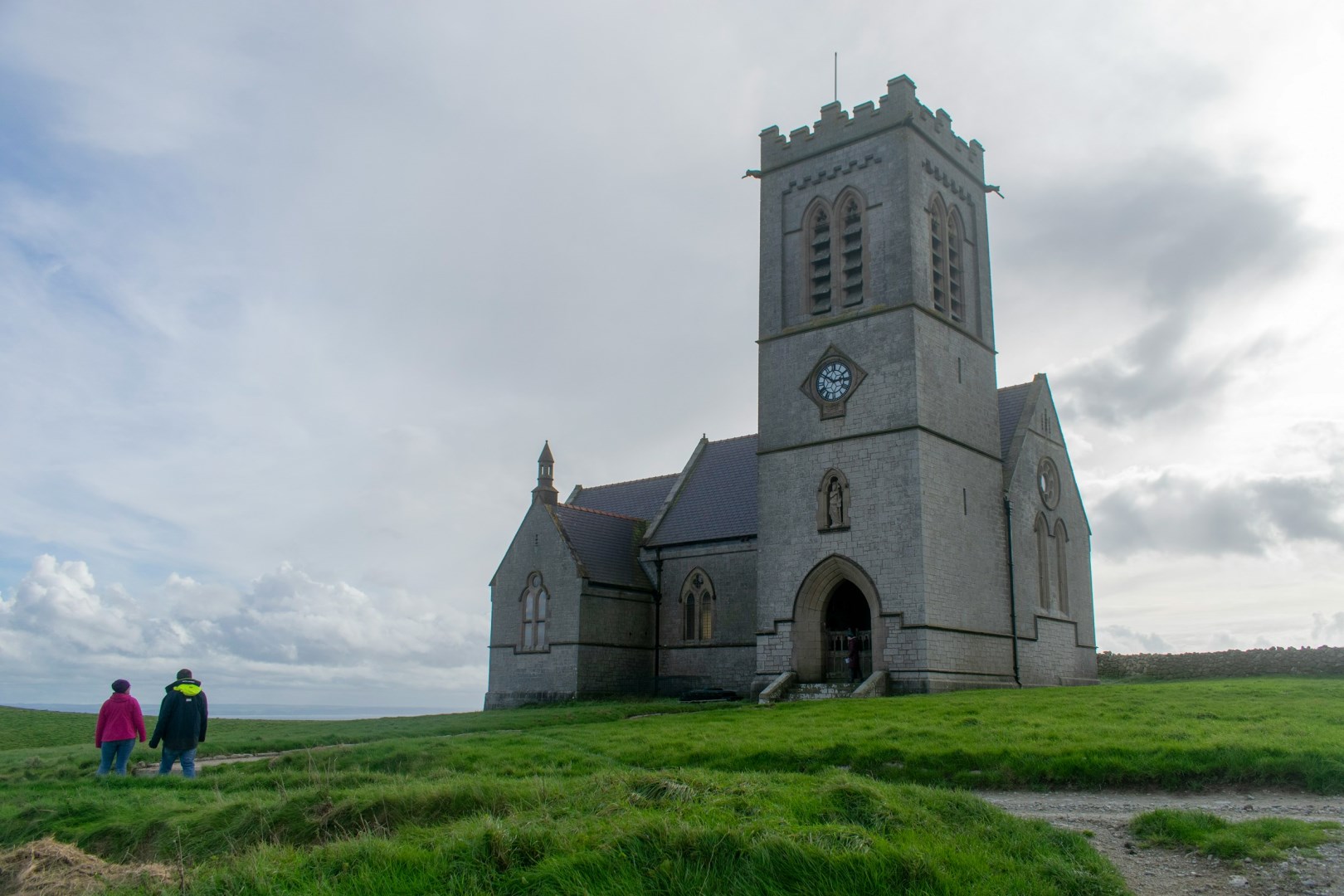
Isle Of Lundy
Lundy is a small granite island in the Bristol Channel, about 12 miles off the coast of North Devon. Roughly three miles long and half a mile wide, it has a rugged western coastline of cliffs and a more sheltered eastern side with grassy slopes and Landing Bay. The island is owned by the National Trust and managed by the Landmark Trust, with a small resident community and no cars.
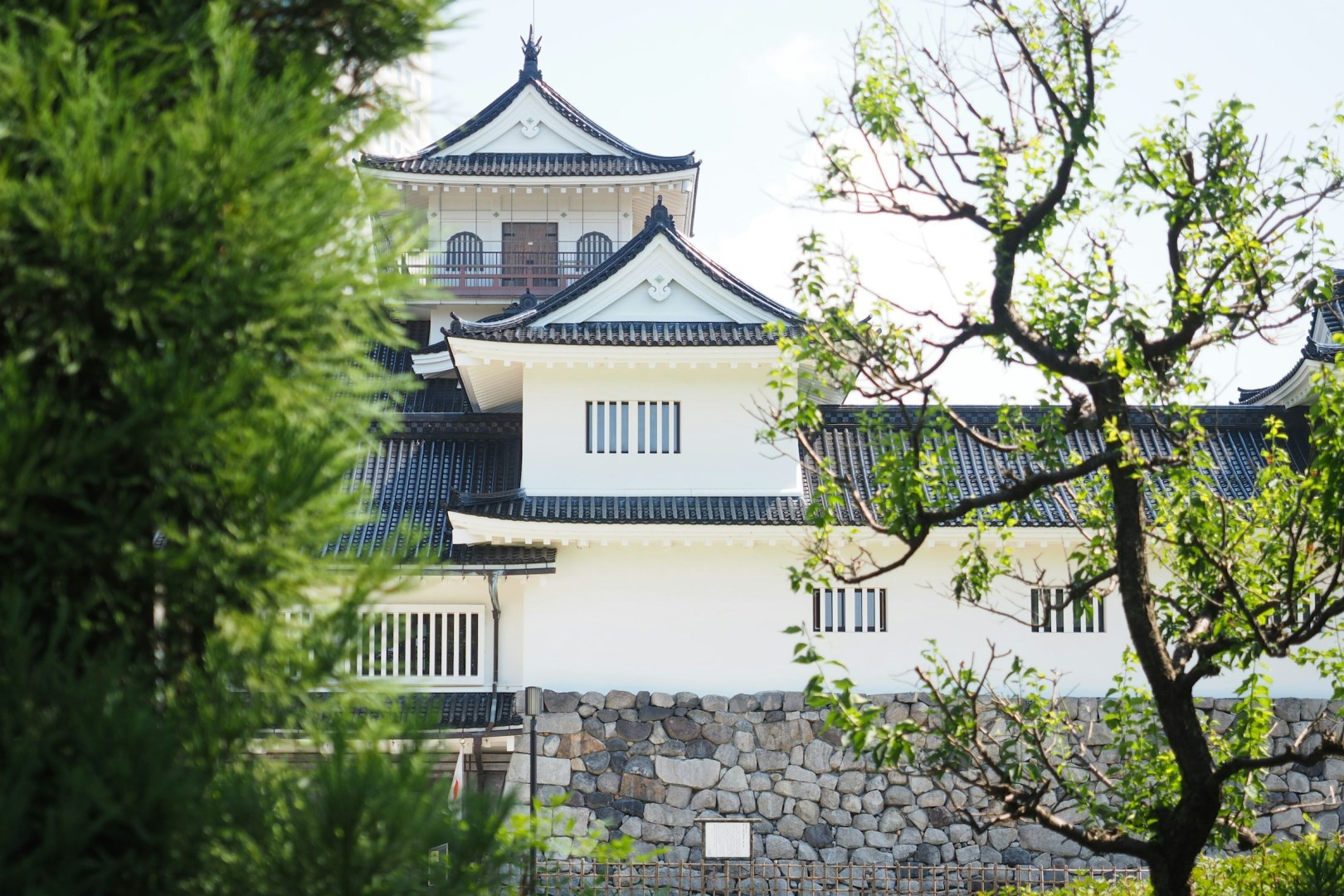
Toyama
Toyama is a regional capital on the Sea of Japan coast, set between Toyama Bay and the mountains of the Northern Japan Alps. The city is known for its close relationship with both the sea and the alpine interior, with waterways, fertile plains, and snow-fed rivers shaping the surrounding landscape. Toyama also serves as a gateway to the Tateyama Kurobe Alpine Route and the mountain communities of the wider prefecture.
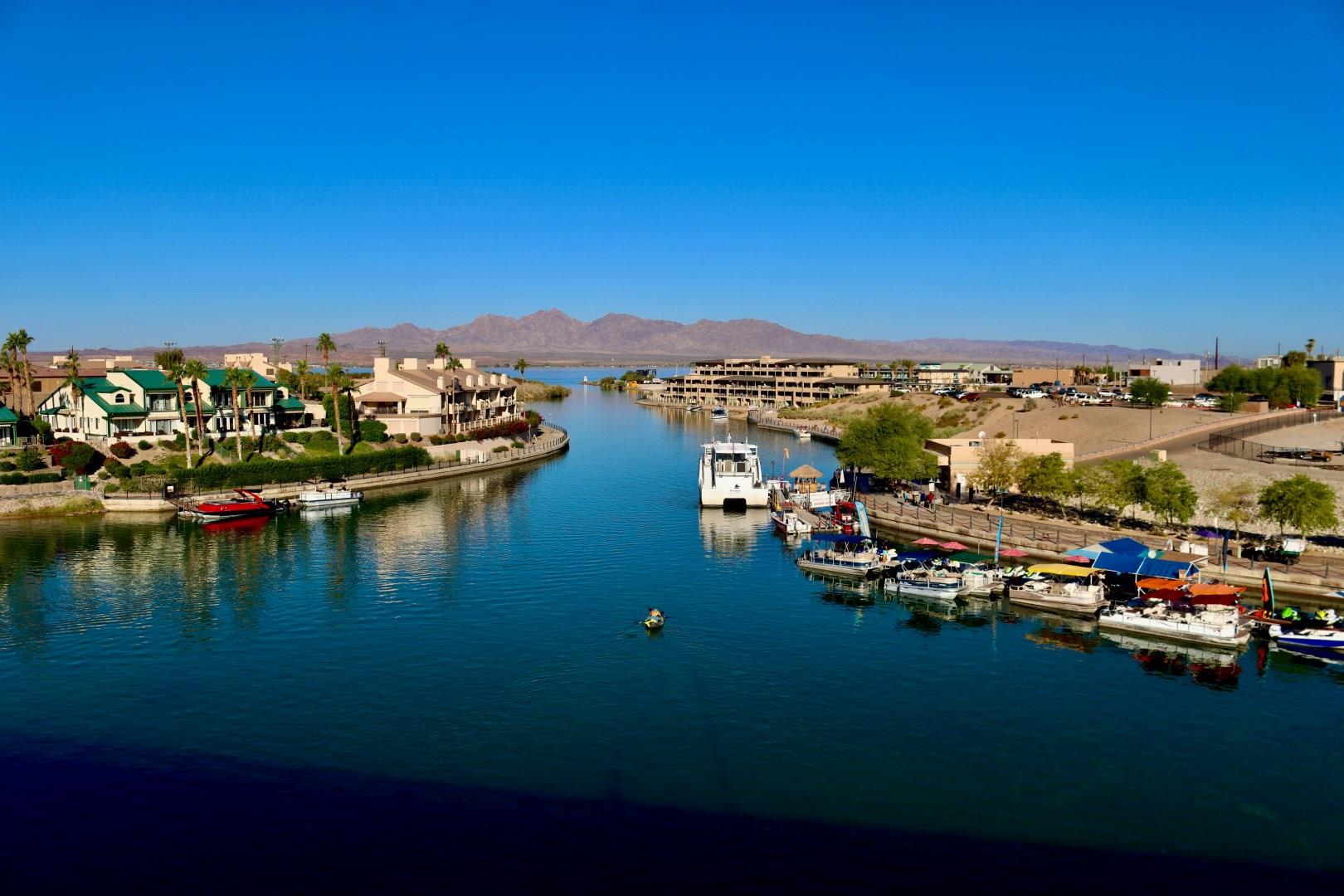
Lake Havasu City
Lake Havasu City rises from the Mojave Desert along the shores of Lake Havasu, a broad reservoir on the Colorado River that draws visitors with its radiant blue water and warm sunshine nearly all year. The most famous landmark here is the London Bridge, a granite-clad structure that once spanned the River Thames in England. This iconic span now connects the mainland to an island filled with shops, restaurants, and resorts, inviting visitors to stroll beneath its arches.
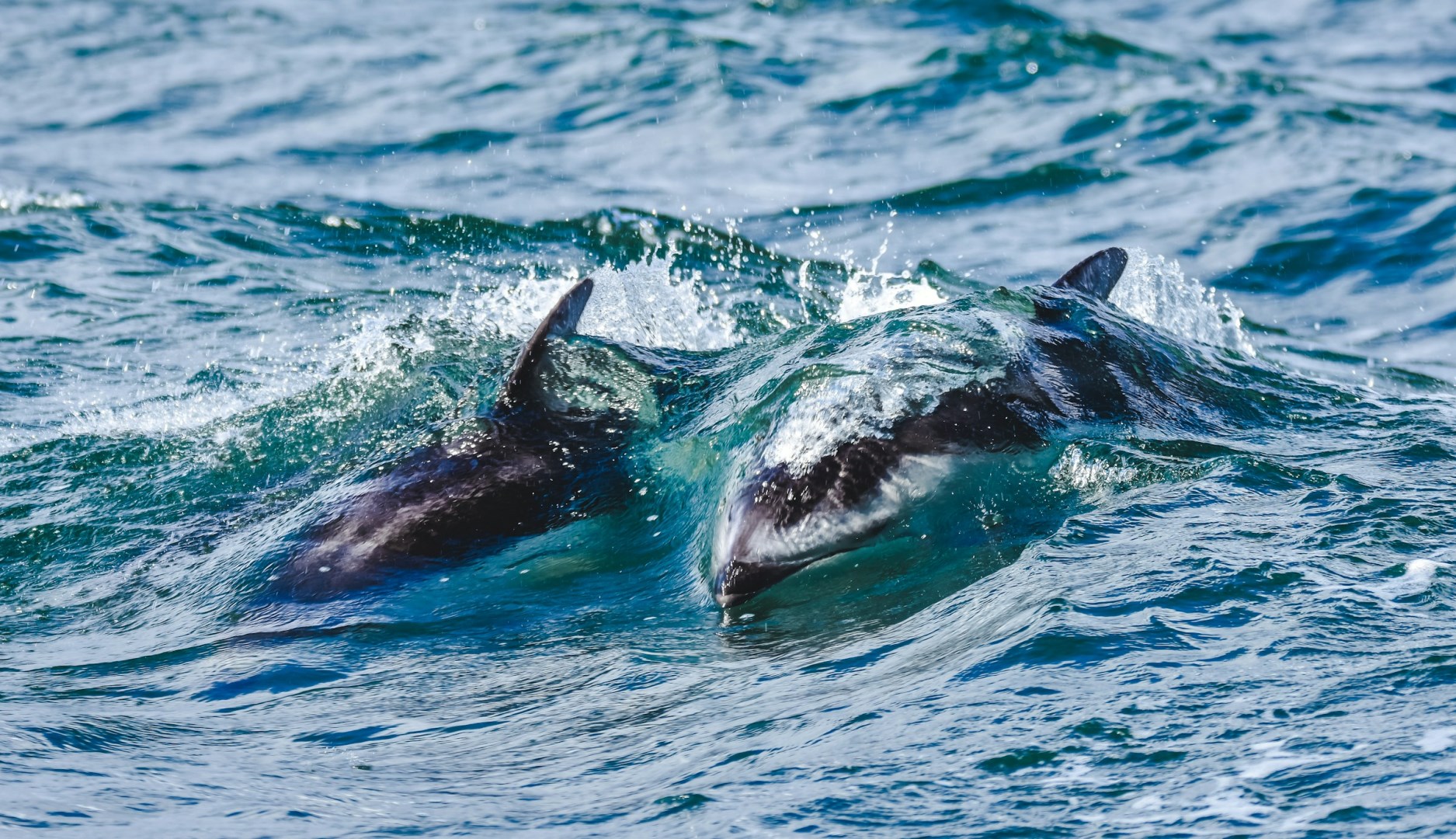
Cormorant Island
Cormorant Island is a small, forested island off the northeastern coast of Vancouver Island in British Columbia, with Alert Bay as its main community. The island faces the sheltered waters of the Broughton Strait and Queen Charlotte Strait, where coastal forests meet rocky shorelines, tidal marshes, and marine habitats.
