

New Orleans
New Orleans is unlike any other city in the United States. Founded in 1718, it carries layers of French, Spanish, African, and Caribbean influence that can be felt in everything from its architecture to its street music. The French Quarter, the oldest neighborhood in the city, is full of iron-laced balconies, gas lamps, and narrow streets that echo with the sounds of live jazz.

Montego Bay
Montego Bay, Jamaica’s lively resort city, offers an intoxicating mix of sun, sea, and vibrant culture. Situated on the island’s north coast, Montego Bay is renowned for its stunning beaches and crystal-clear waters. The popular Doctor’s Cave Beach, named after the nearby cave believed to have therapeutic properties, provides pristine sands and warm, inviting waters. Visitors can relax under palm trees or partake in water activities such as snorkeling and jet skiing.
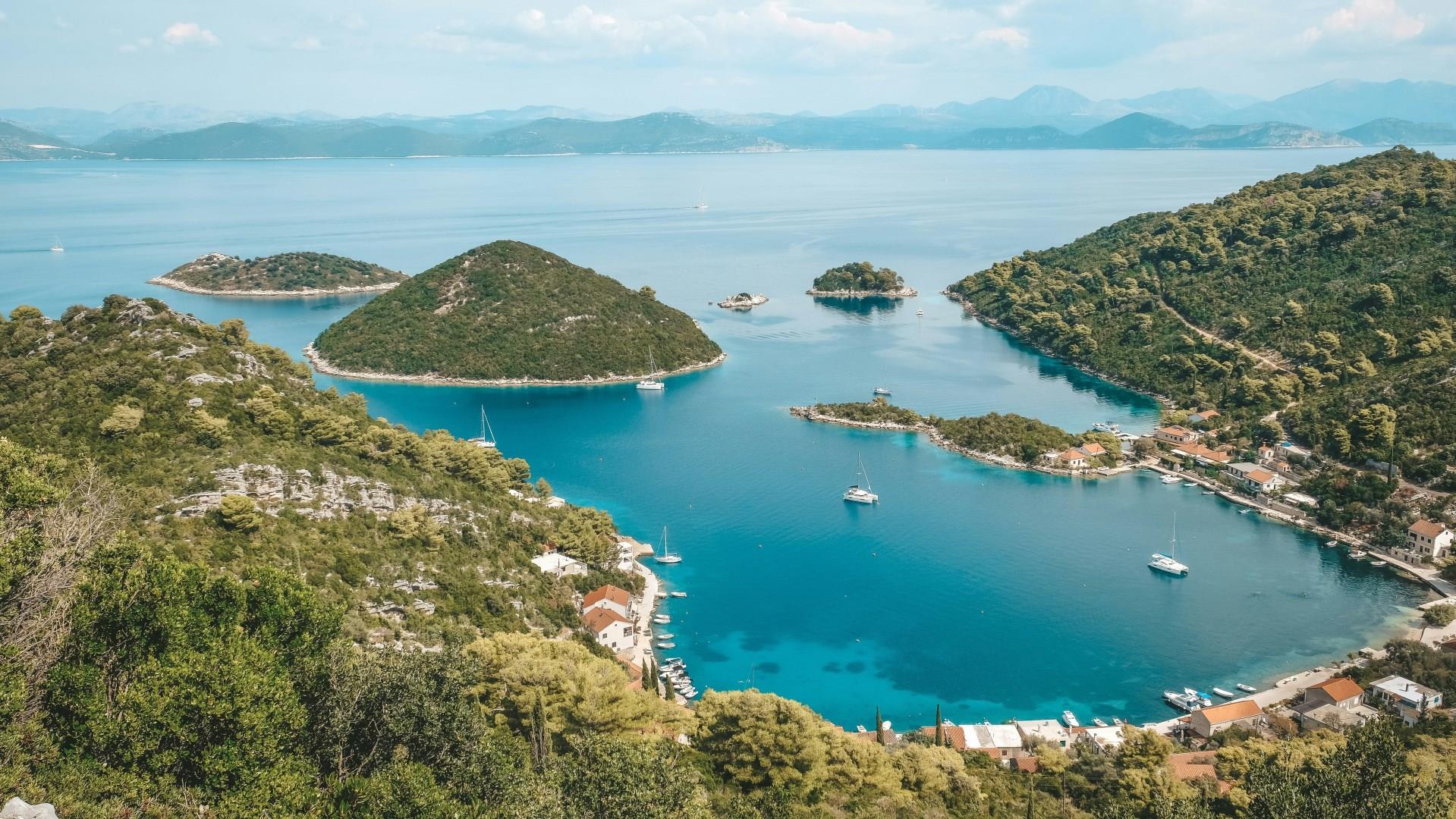
Mljet National Park
Mljet National Park sits on the western side of Mljet Island in Croatia’s Adriatic Sea, a place where saltwater lakes meet ancient forest pathways. The park stretches across nearly one-third of the island, with Veliko Jezero (Great Lake) and Malo Jezero (Small Lake) as their most striking features. These two saltwater lakes are connected by a narrow channel to the open sea, creating calm blue waters that draw visitors for swims, casual kayak outings, or peaceful cycles around the shaded paths.
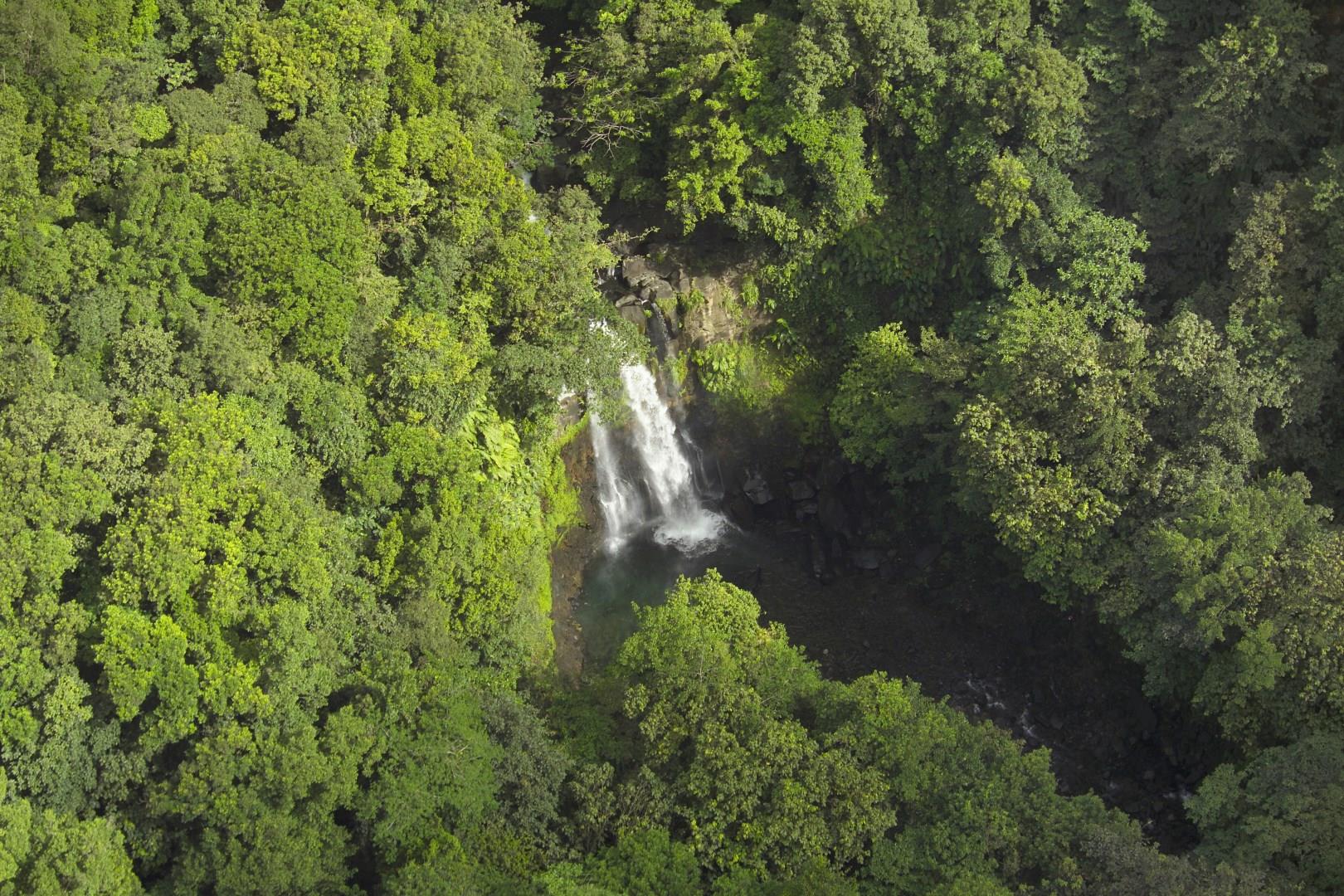
Basse-Terre
Basse-Terre, the western half of Guadeloupe, is a haven for nature enthusiasts and adventure seekers. Dominated by the towering La Soufrière volcano, the island boasts lush rainforests, dramatic waterfalls, and black sand beaches.
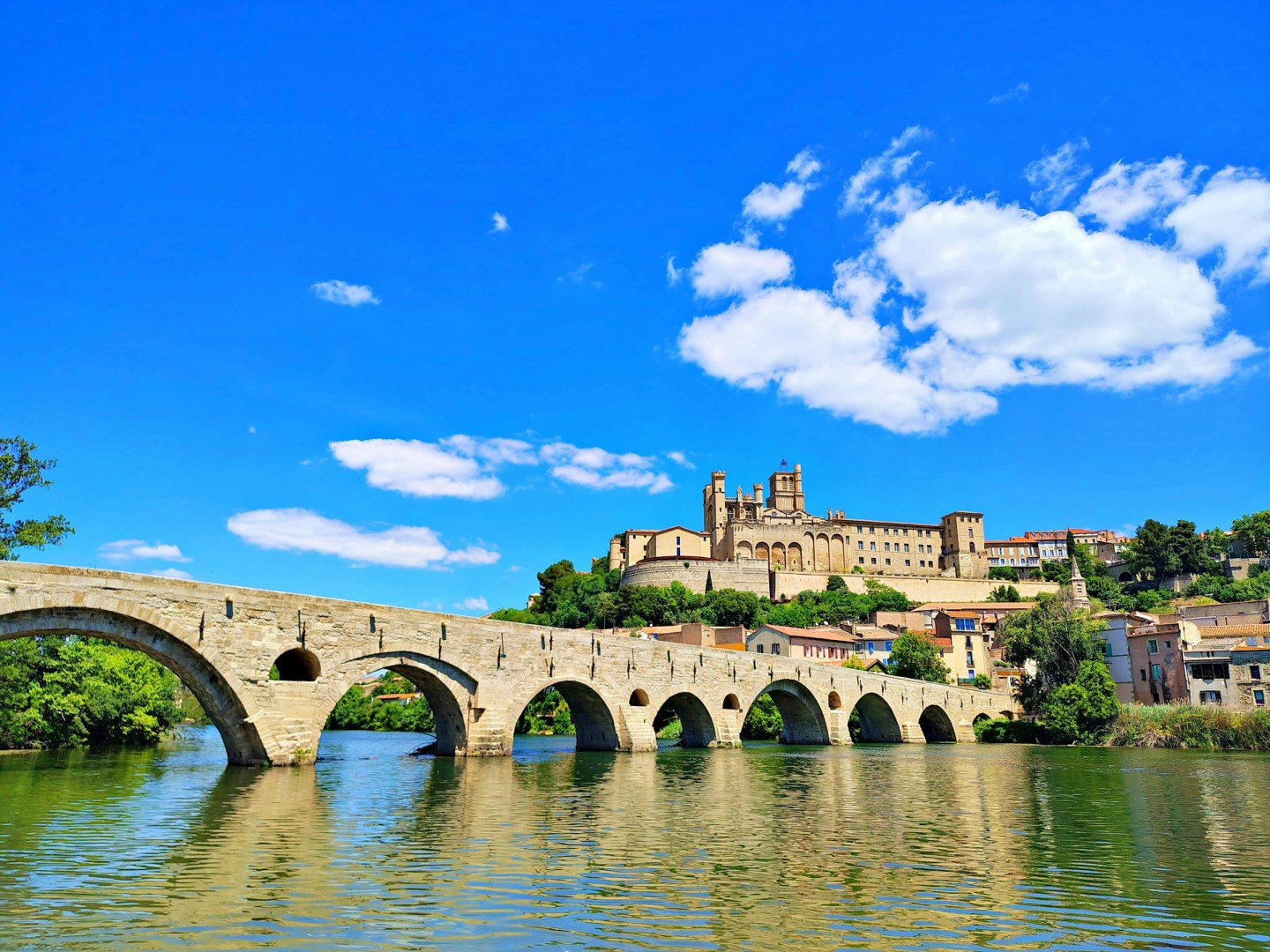
Béziers
Beziers today is a dynamic city whose oldest houses are laid out in the elliptical pattern revealing the underlying Roman Amphitheatre, which is currently being excavated. The Beziers townspeople are passionate about rugby and the bullfights held in their modern arena.
