
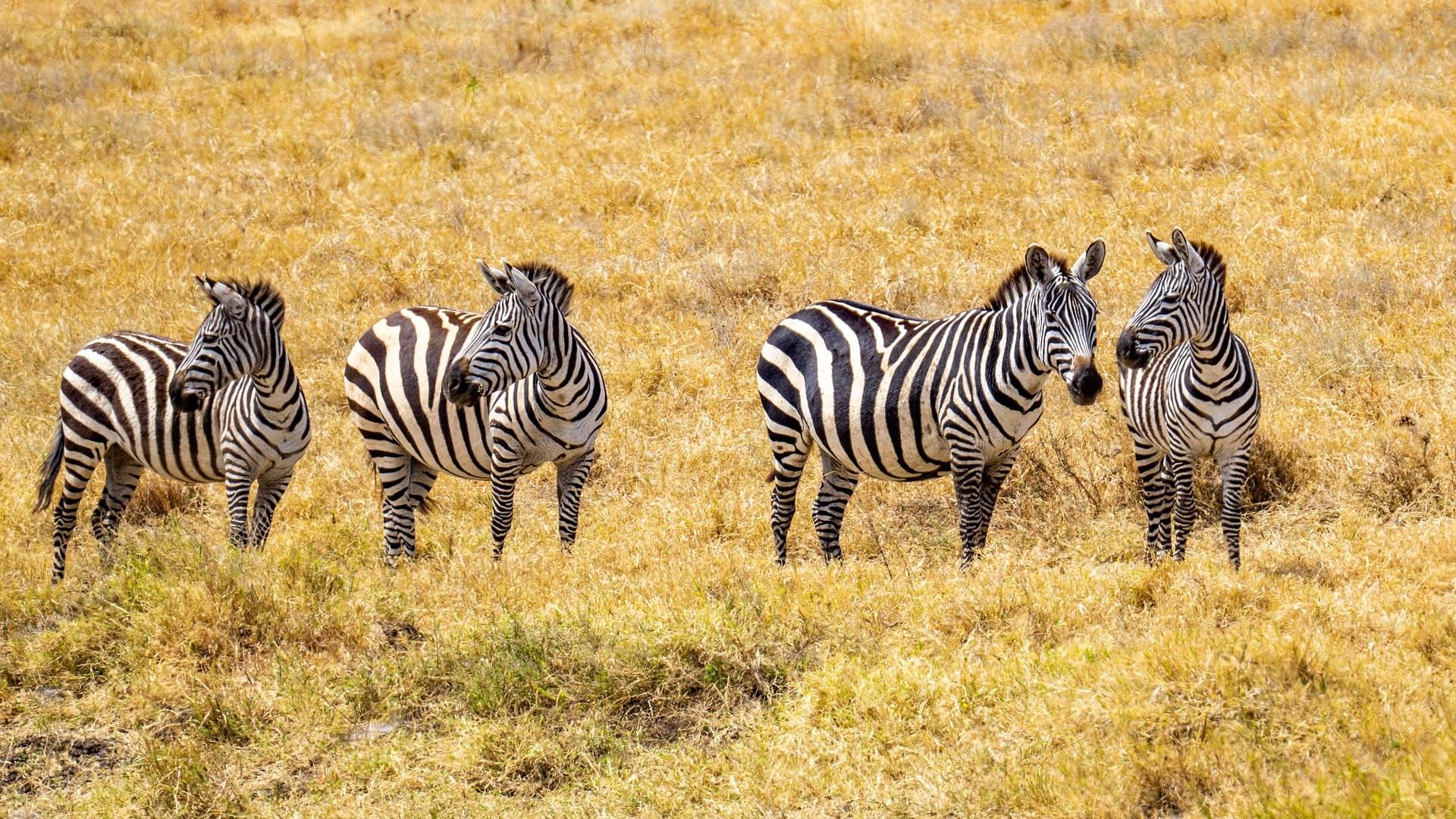
Tanzania
Tanzania, located in East Africa along the Indian Ocean, is a country of extraordinary landscapes and cultural diversity. It is home to Africa’s tallest peak, Mount Kilimanjaro, and vast plains such as the Serengeti, where wildlife roams freely across open savannas.
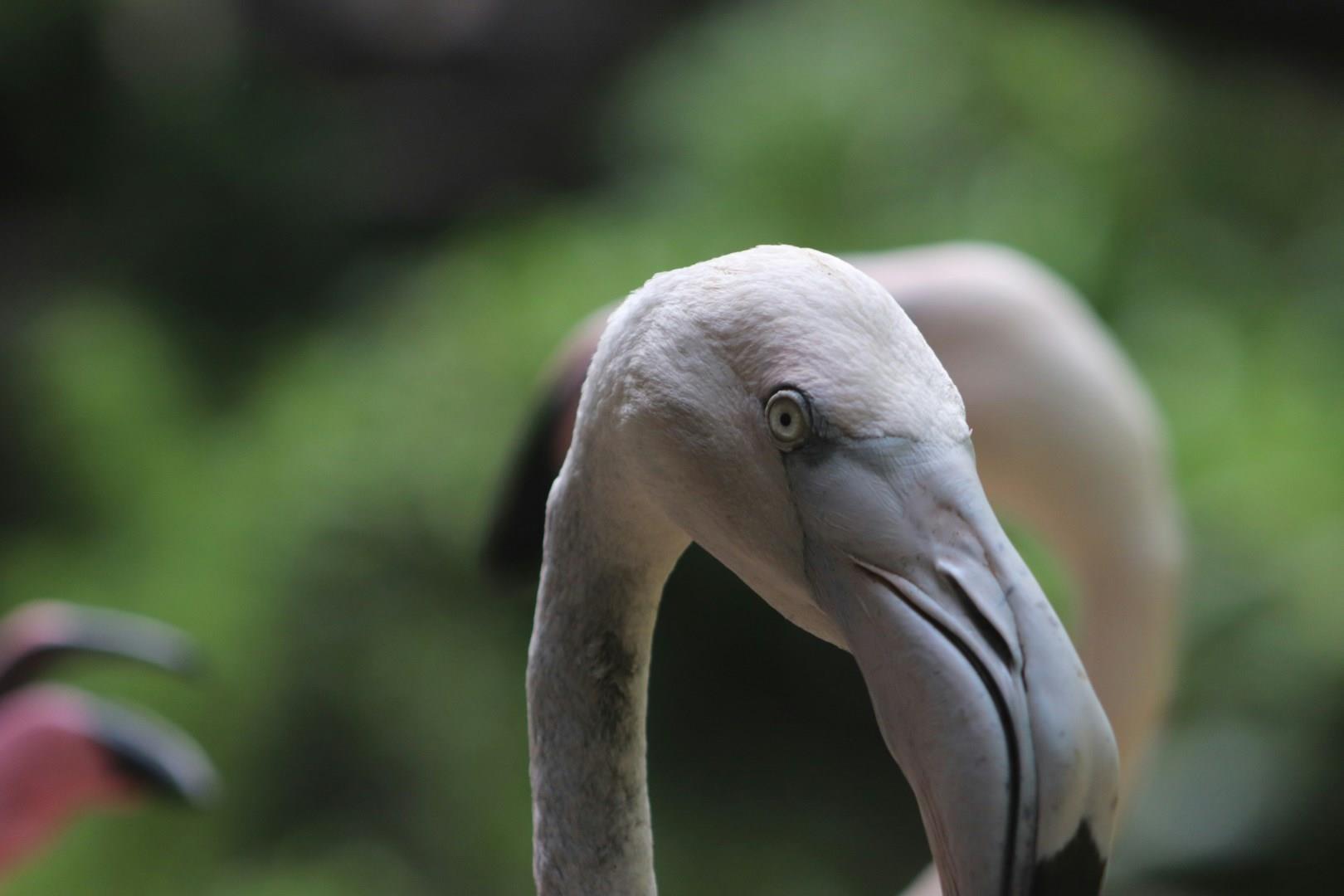
Kanchanaburi
Kanchanaburi, a province in western Thailand, is best known for its poignant history and lush landscapes. It was here that Allied prisoners of war and Asian laborers were forced to build the infamous Death Railway during World War II, including the Bridge over the River Kwai, which remains a powerful symbol of resilience.

Lithuania
Lithuania offers visitors a chance to explore a country where medieval traditions and modern culture meet. Vilnius, the capital, is known for its well-preserved Old Town, a UNESCO World Heritage site filled with winding streets, baroque churches, and cozy squares. Visitors can climb the hill to Gediminas’ Tower for a sweeping view of the city, or visit the Gates of Dawn, an important religious and historical monument that has welcomed travelers for centuries.
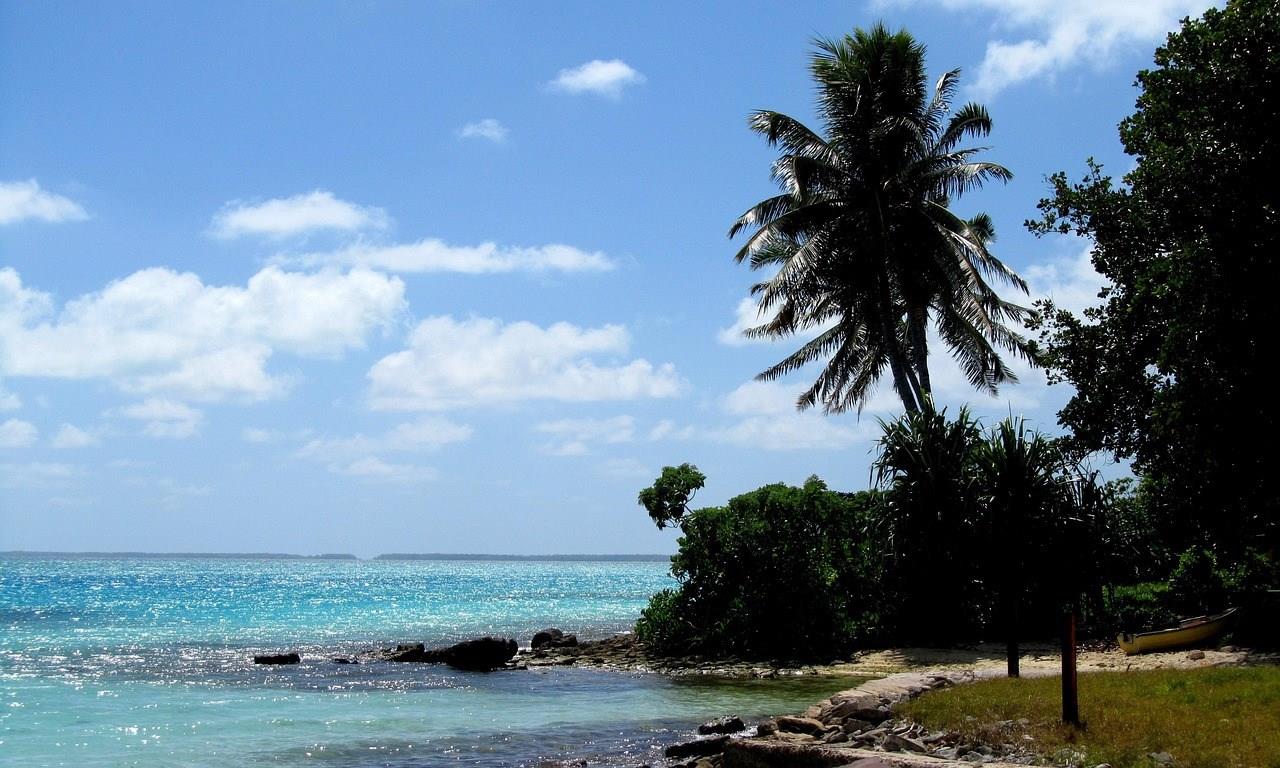
Fanning Island
Fanning Island, also known as Tabuaeran, is one of the Line Islands in the Republic of Kiribati. Sitting just four degrees north of the equator, this remote atoll is a rare find for travelers seeking raw, untouched Pacific beauty. With no large hotels or chain resorts, visitors often arrive by cruise or private yacht and are welcomed with coconut-leaf garlands and traditional songs.
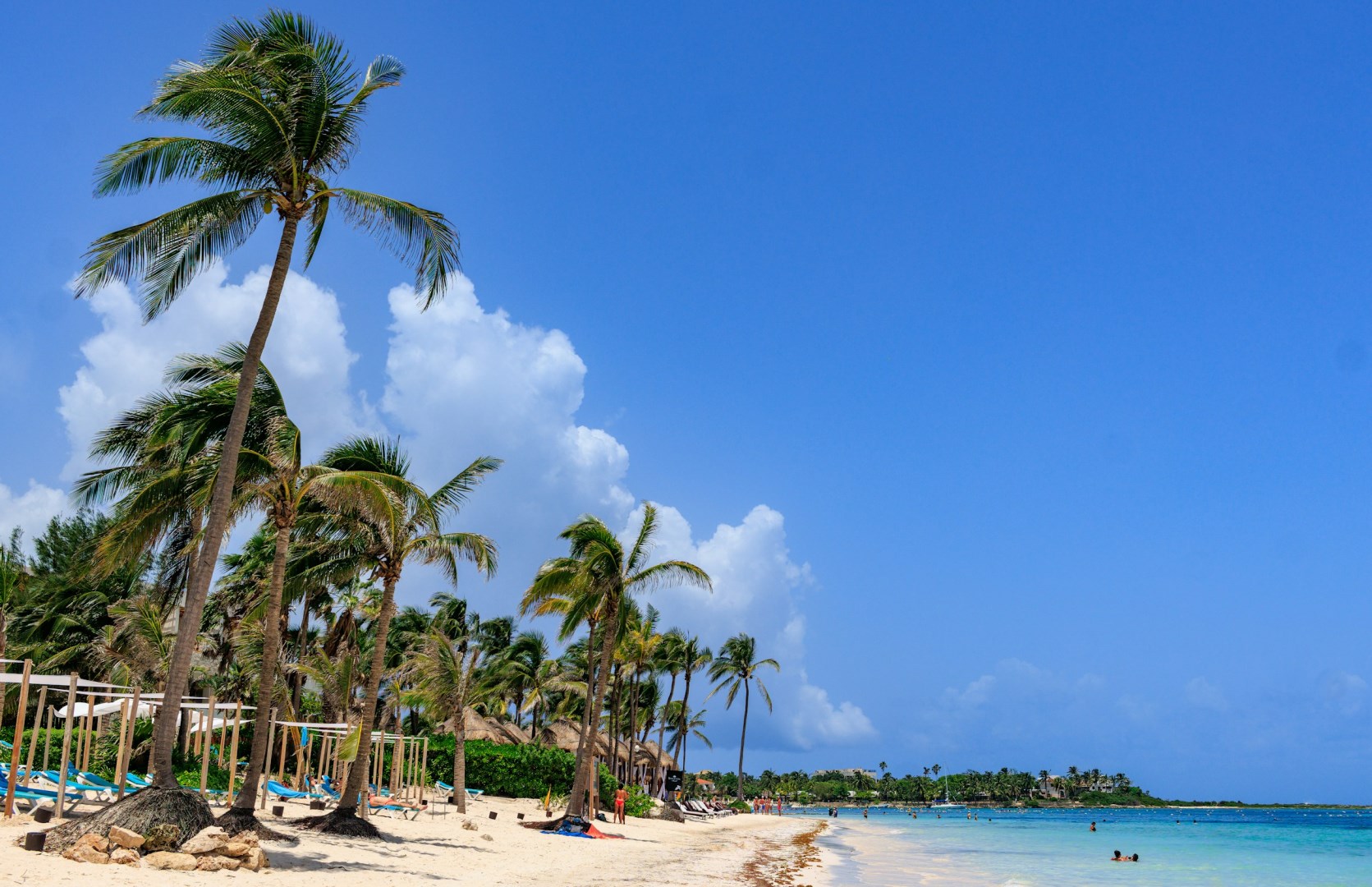
Akumal
Akumal is THE perfect place in the area to go snorkeling. You might even see a happy sea turtle in its natural habitat since this beach is a sanctuary.
