
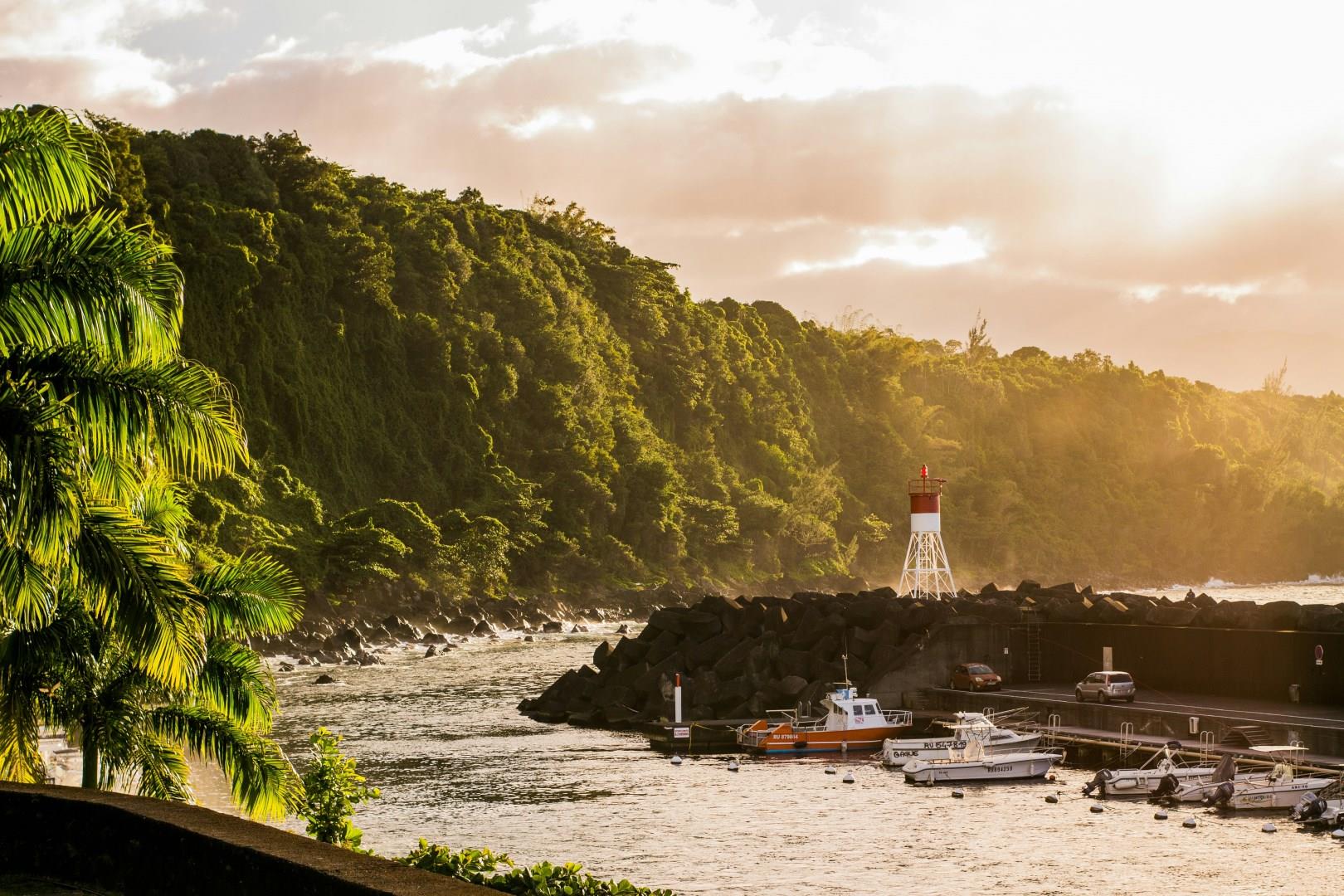
Sainte Rose
Sainte-Rose, located on the eastern coast of Réunion, is a small town where the island’s volcanic character is on full display.
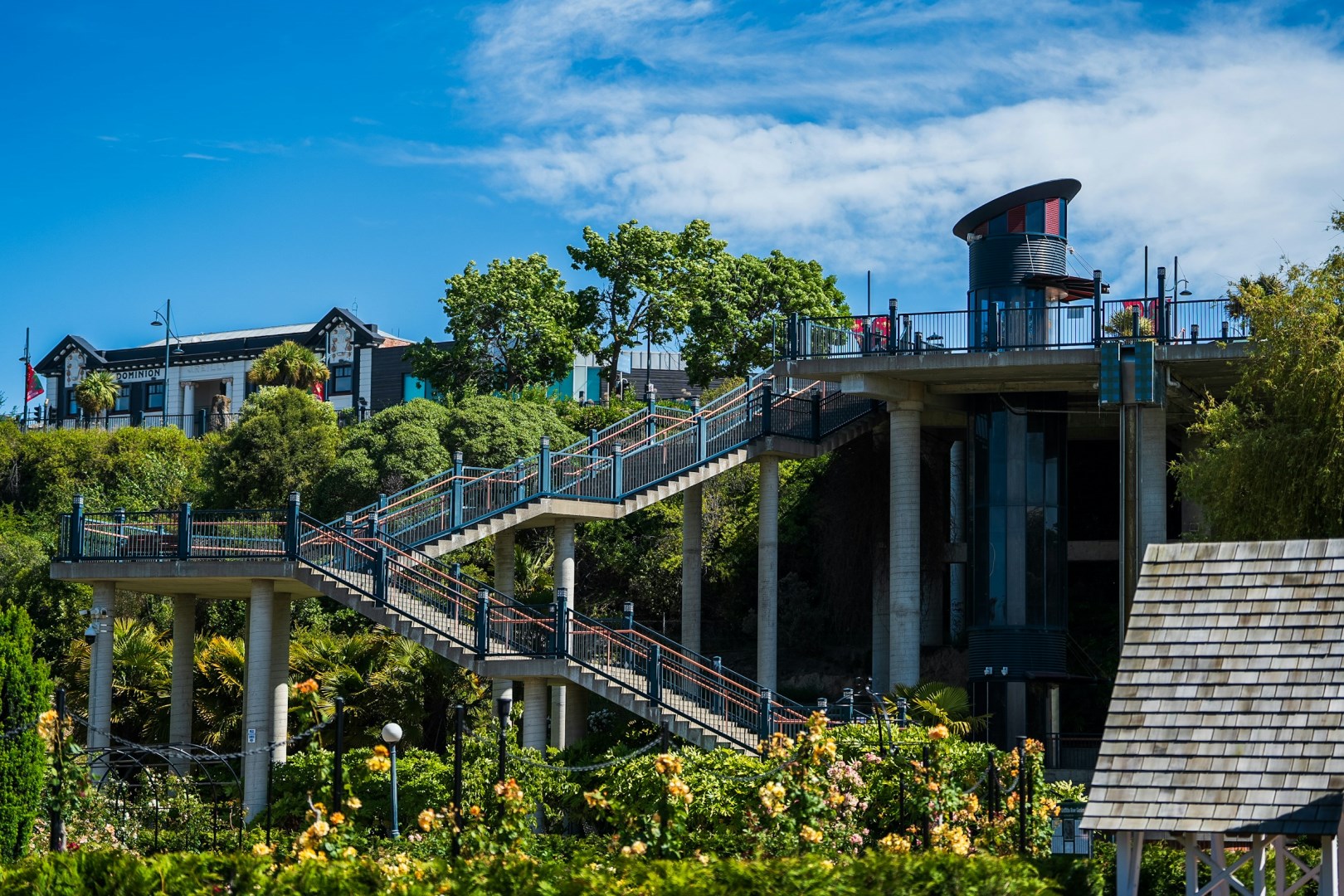
Timaru
Timaru is located on an island off the east coast of New Zealand, between Christchurch and Dunedin. It is a main sea port for industry and farming, as well as a popular port of call, especially around the Christmas Holidays. Originally named "Te Maru - The Place of Shelter", this port town was built as a whaling station until immigrants from England arrived in 1859, and the town was finally declared a city in 1948.
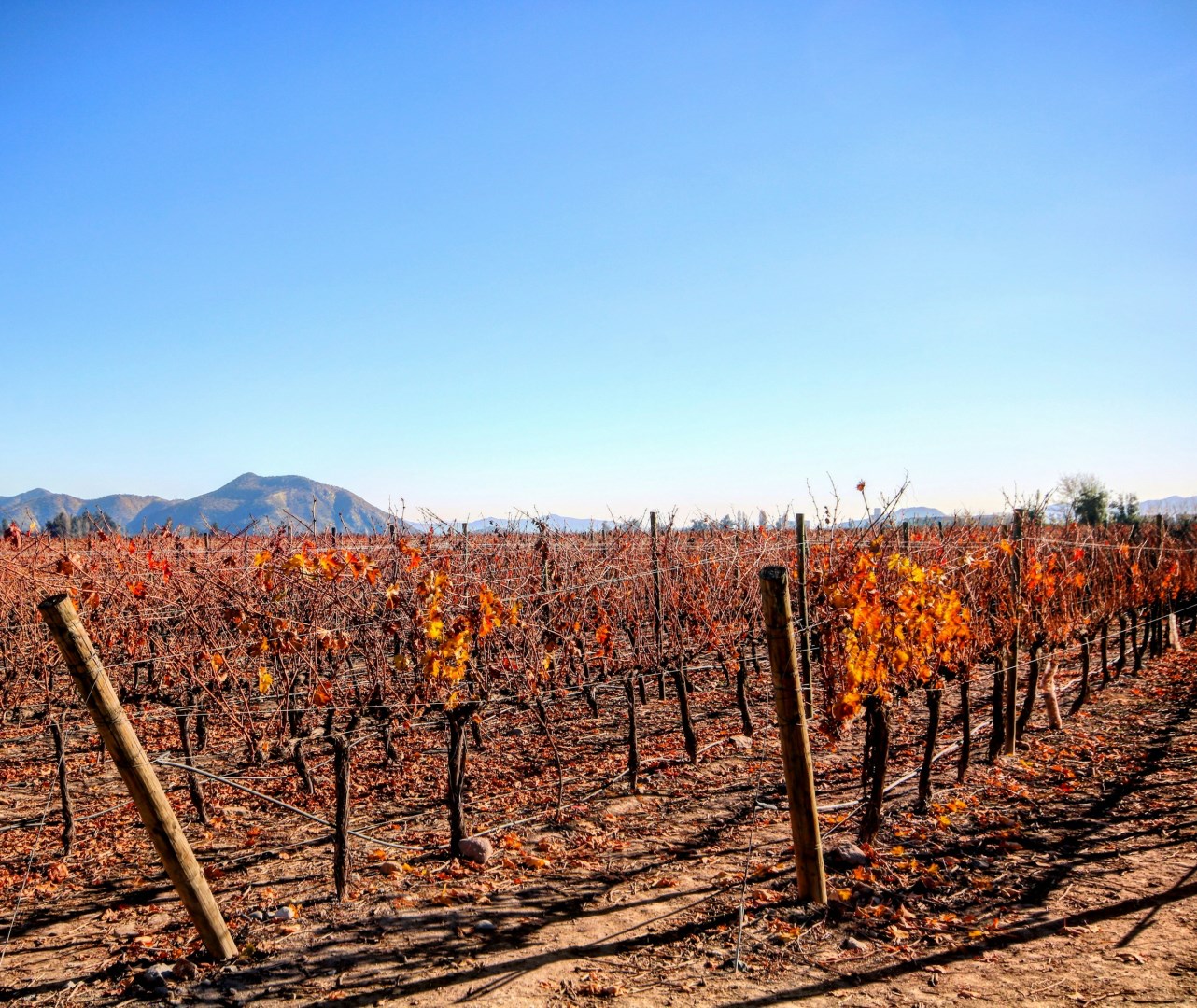
Chile
Stretching over 4,200 kilometers along the southwestern coast of South America, Chile is a country of dramatic contrasts and hidden surprises. From the world’s driest desert in the north to the icy fjords of Patagonia in the south, Chile offers a landscape that constantly reinvents itself. Visitors can walk through the Atacama Desert, where NASA tests Mars rovers, or gaze at the clearest night skies on Earth from the high-altitude observatories near San Pedro de Atacama.

Nelson
Nelson sits along the West Arm of Kootenay Lake in southeastern British Columbia, embraced by the rugged peaks of the Selkirk Mountains and threaded with over 350 heritage buildings that tell the story of its silver-rush beginnings. A short trip outside town leads to spots like the Salmo–Troup Rail Trail, a wide, gentle path that follows an old rail line for kilometers through forest and alongside rivers.

Albuquerque
Albuquerque, New Mexico, is a city where centuries-old adobe architecture, desert landscapes, and modern innovation meet beneath some of the clearest skies in the country. Every October, Albuquerque becomes the site of one of the most photographed events in the world: the Albuquerque International Balloon Fiesta. For nine crisp mornings, hundreds of hot air balloons rise over the city, painting the sky in brilliant colors and wild shapes with everything from farm animals to space aliens.
