
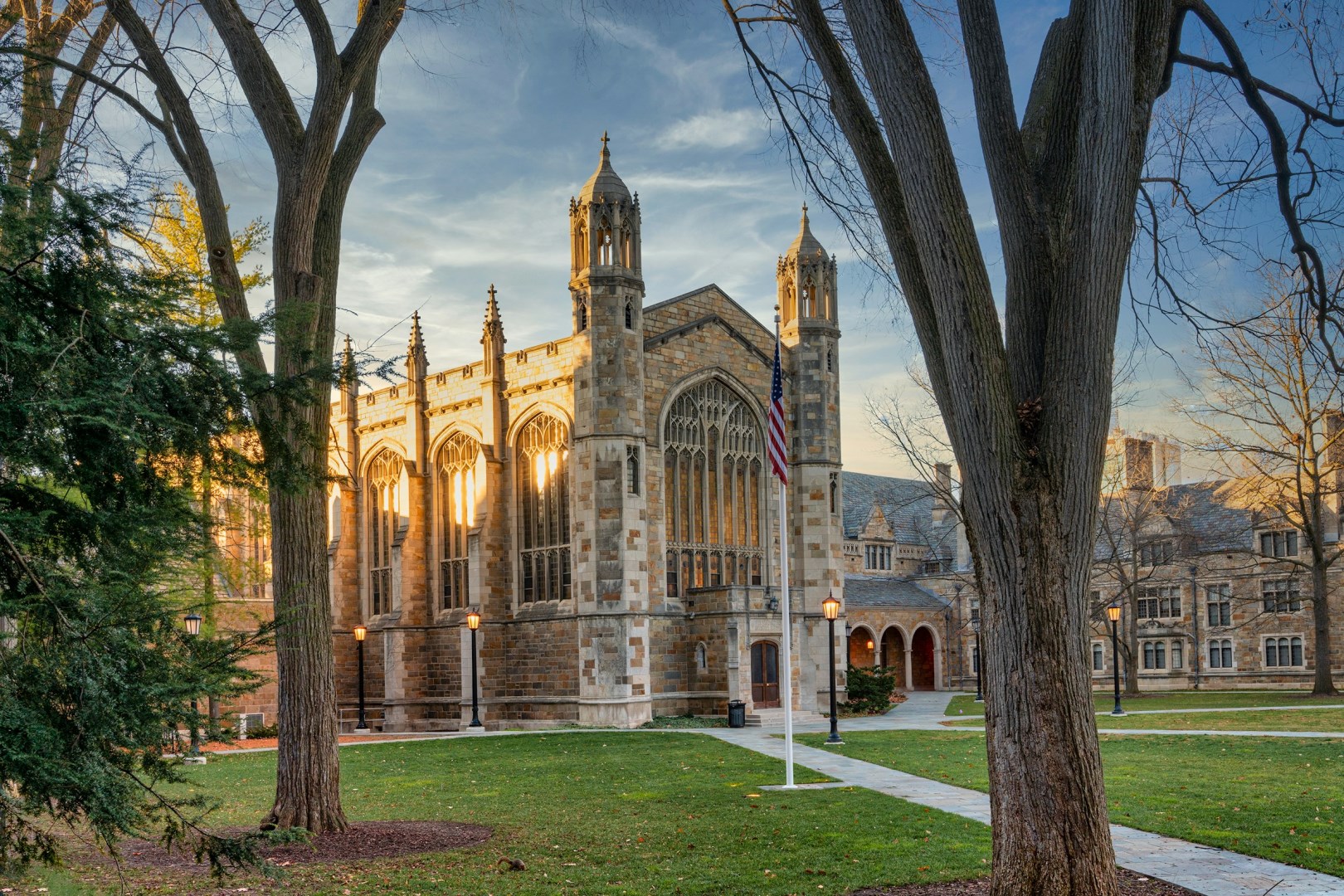
Ann Arbor
Long regarded as one of the freest-thinking college towns in the U.S., Ann Arbor is home to the University of Michigan, the Gerald R. Ford Presidential Library and Domino's Pizza. While you're in Ann Arbor, be certain to see the city's many fascinating historic buildings; the Kelsey Museum of Ancient and Medieval Archaeology; and Kerrytown (a diversity of specialty shops and eateries in restored 19th-century buildings close to the Farmers Market).

Banff
Banff, nestled in the heart of the Canadian Rockies, is one of Canada’s most celebrated mountain towns and a gateway to Banff National Park, a UNESCO World Heritage Site.

Cartagena
Southeast Spain's seaport of Cartagena is a large naval base on the Mediterranean coast. The city was founded in 220 B.C. and boasts Roman ruins, mosaics and murals.
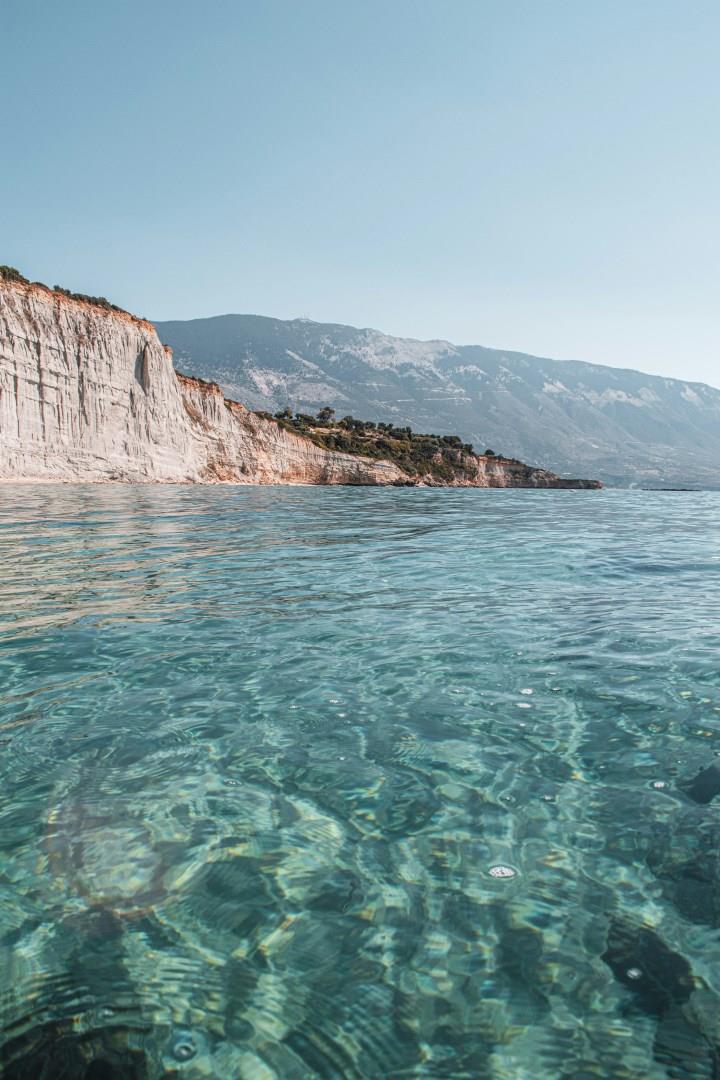
Cephalonia
Greece’s island of Cephalonia, nestled in the Ionian Sea, invites travelers with a relaxed pace and a landscape shaped by myth, history, and nature. Larger than its neighboring islands but far less crowded, Cephalonia offers visitors a glimpse into traditional Greek life amid dramatic cliffs, lush pine forests, and charming harborside villages.
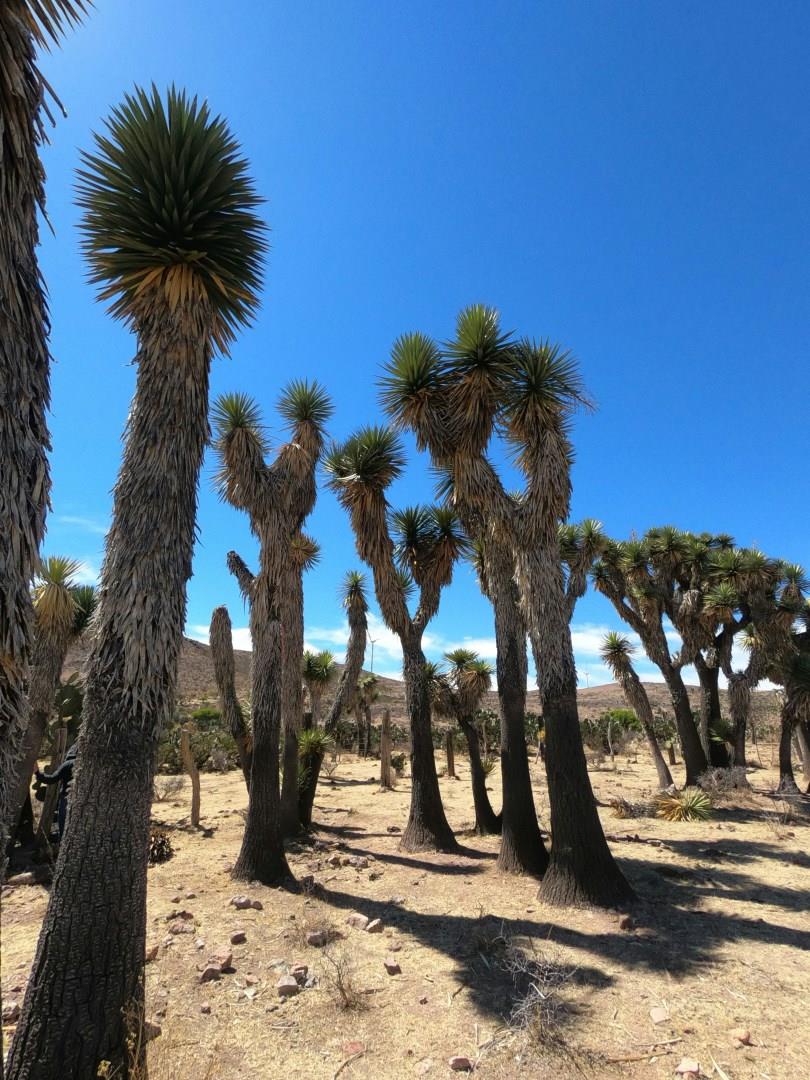
Zacatecas
Zacatecas, built into the slopes of a narrow ravine in north-central Mexico, is a city with a deep mining past and a striking skyline. The historic center, a UNESCO World Heritage Site, is known for its pink cantera stone buildings, narrow alleys, and impressive baroque facades. The Cathedral Basilica of Zacatecas, completed in 1752, stands as one of the most detailed examples of Mexican baroque architecture, with hundreds of carved figures covering its sandstone exterior.
