
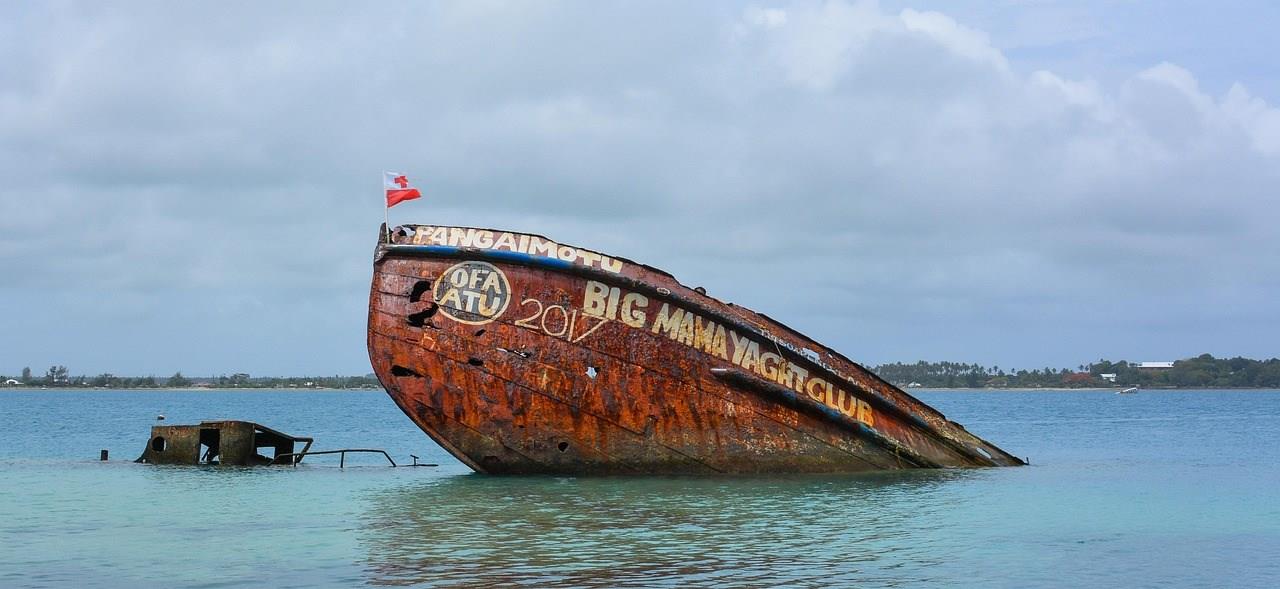
Tongatapu Island
Tongatapu, the main island of Tonga, is where tradition, history, and the South Pacific’s natural world intersect in quiet and unexpected ways. As the political and cultural center of the Kingdom of Tonga, it is home to the capital city, Nukuʻalofa, as well as ancient royal burial grounds, dramatic coastal blowholes, and friendly villages where daily life unfolds slowly.
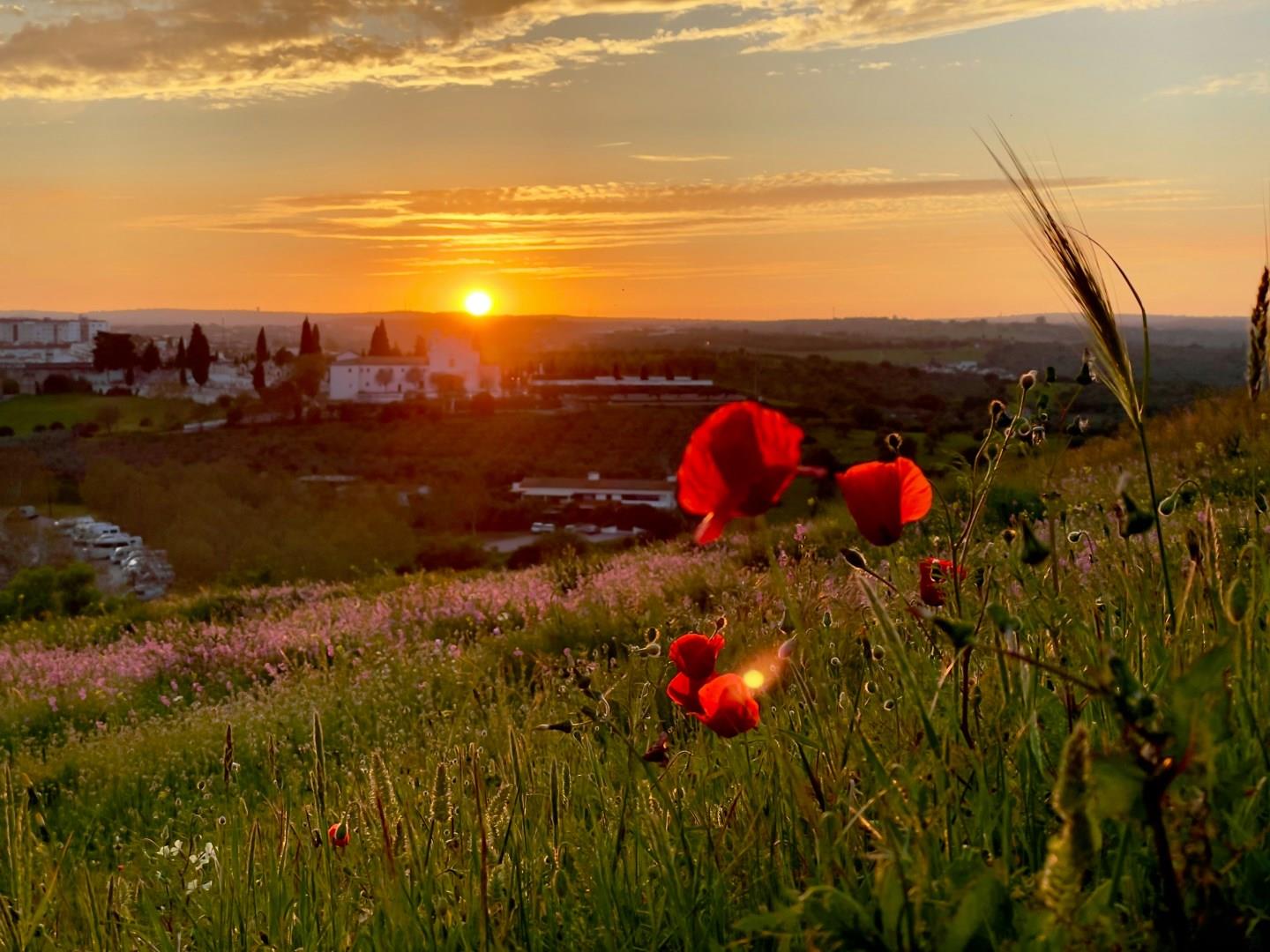
Elvas
Elvas rises from the Alentejo plains near the Spanish border as one of Portugal’s most striking fortified towns, shaped by centuries of defense, resilience, and daily life along the frontier. Encircled by an immense network of walls, bastions, and hilltop forts, the town tells a clear story of strategy and survival, from the sweeping views at Forte da Graça to the quiet streets within the historic center.

Roatán
Roatan is the largest of the eight islands known collectively as Las Islas de la Bahia. Brilliant clear blue waters and palm fringed beaches are cooled by gentle trade winds. An extensive reef system offers the most spectacular diving and snorkeling in the Western hemisphere, while inland nature reserves give an up-close look at native wildlife, including monkeys, sloths, and parrots.

Rhodes Island
Antiquity is everywhere on the island of Rhodes, from its cobbled Old Town to a mighty acropolis presiding high over the town of Lindos. Ancient ruins recall Crusades-era occupation and Ottoman tyranny, but today, a rather magical Aegean lifestyle is predominant. Travelers will enjoy excellent food, picturesque beaches, buzzing nightlife, and snorkeling in clear waters.
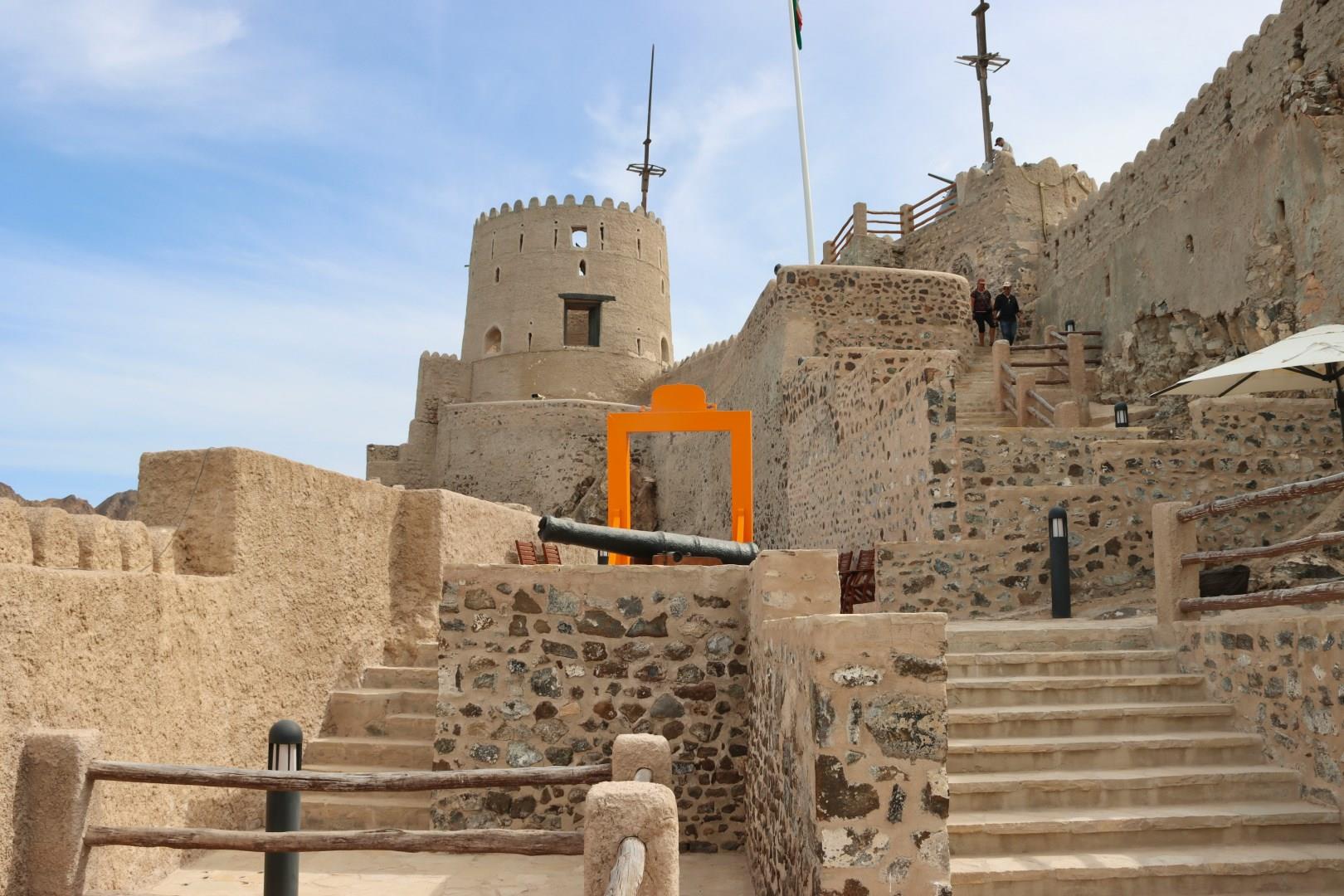
Nakhal
Located in northern Oman, Nakhal is best known for its impressive fort set dramatically against the backdrop of the Hajar Mountains. Originally built centuries ago and later expanded, the fort showcases traditional Omani architecture and offers sweeping views of the surrounding palm groves and rugged landscapes.
