

Tracy Arm
Tracy Arm, Alaska, is a breathtaking fjord nestled within the Tongass National Forest, offering a pristine wilderness experience unlike any other. Known for its towering cliffs, majestic waterfalls, and awe-inspiring glaciers, this natural wonder is a must-see for nature lovers and adventurers alike. As you cruise through the narrow, winding waterway, you’ll be greeted by stunning views of the Sawyer Glaciers, which periodically release enormous icebergs into the fjord.
La Paz
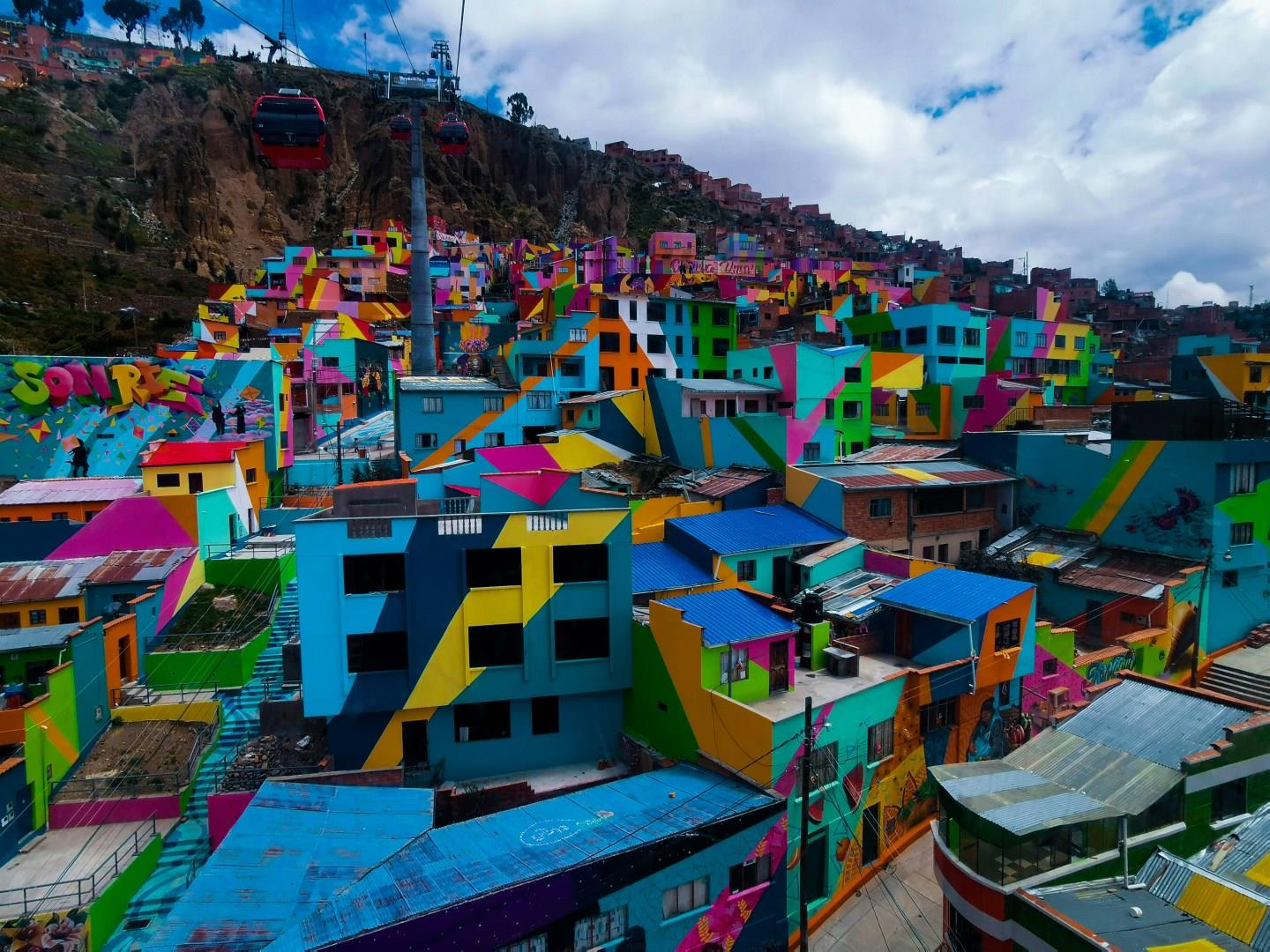
La Paz, Bolivia’s seat of government, is one of the world’s highest capital cities, dramatically set in a deep canyon carved by the Choqueyapu River. Founded in 1548 atop an important Indigenous settlement, the city has long been a crossroads of Andean cultures, colonial history, and modern political life.
Florence
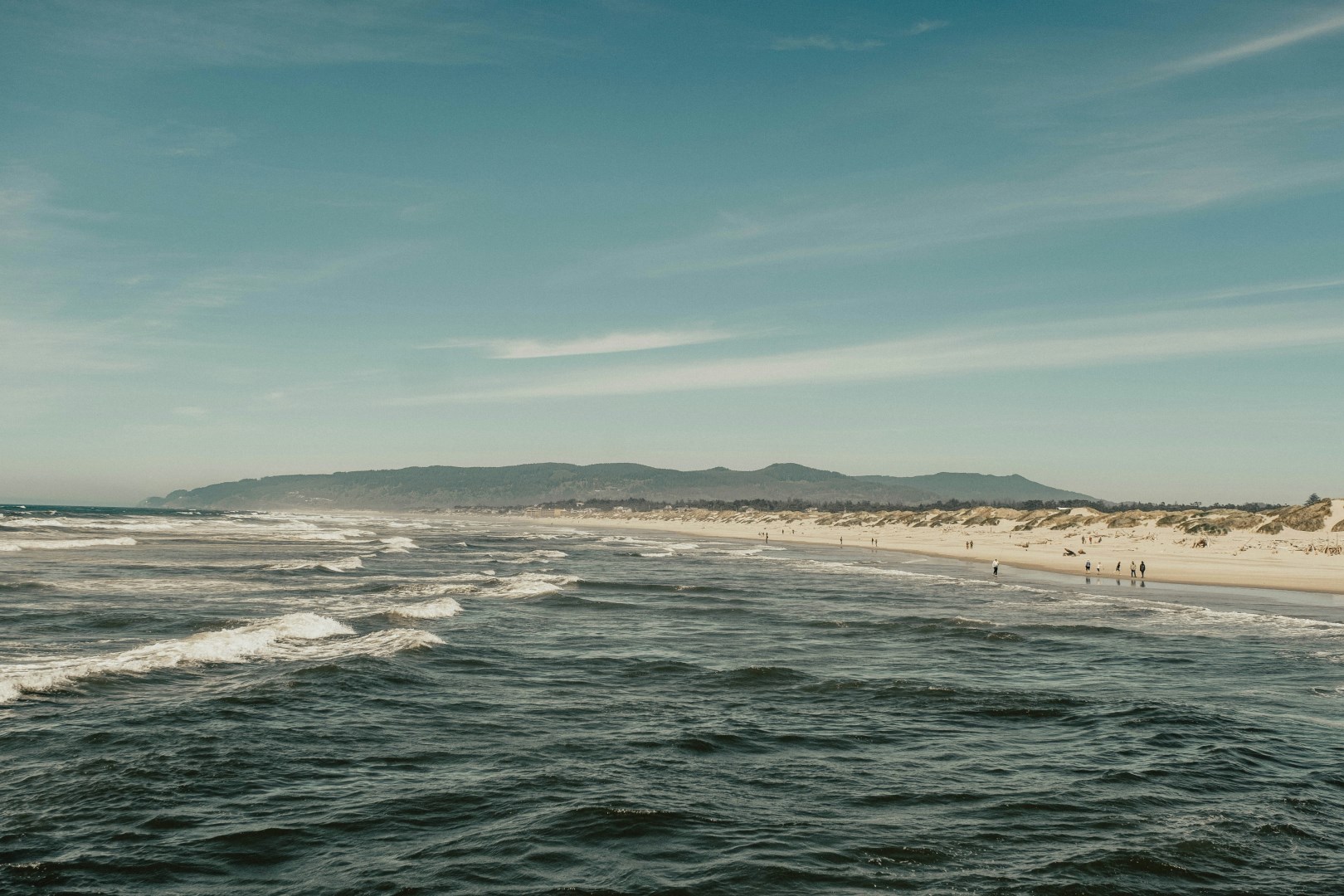
Florence is a coastal city in Oregon located where the Siuslaw River meets the Pacific Ocean. It is known for its dramatic coastal scenery, extensive sand dunes, and working waterfront.
Gettysburg
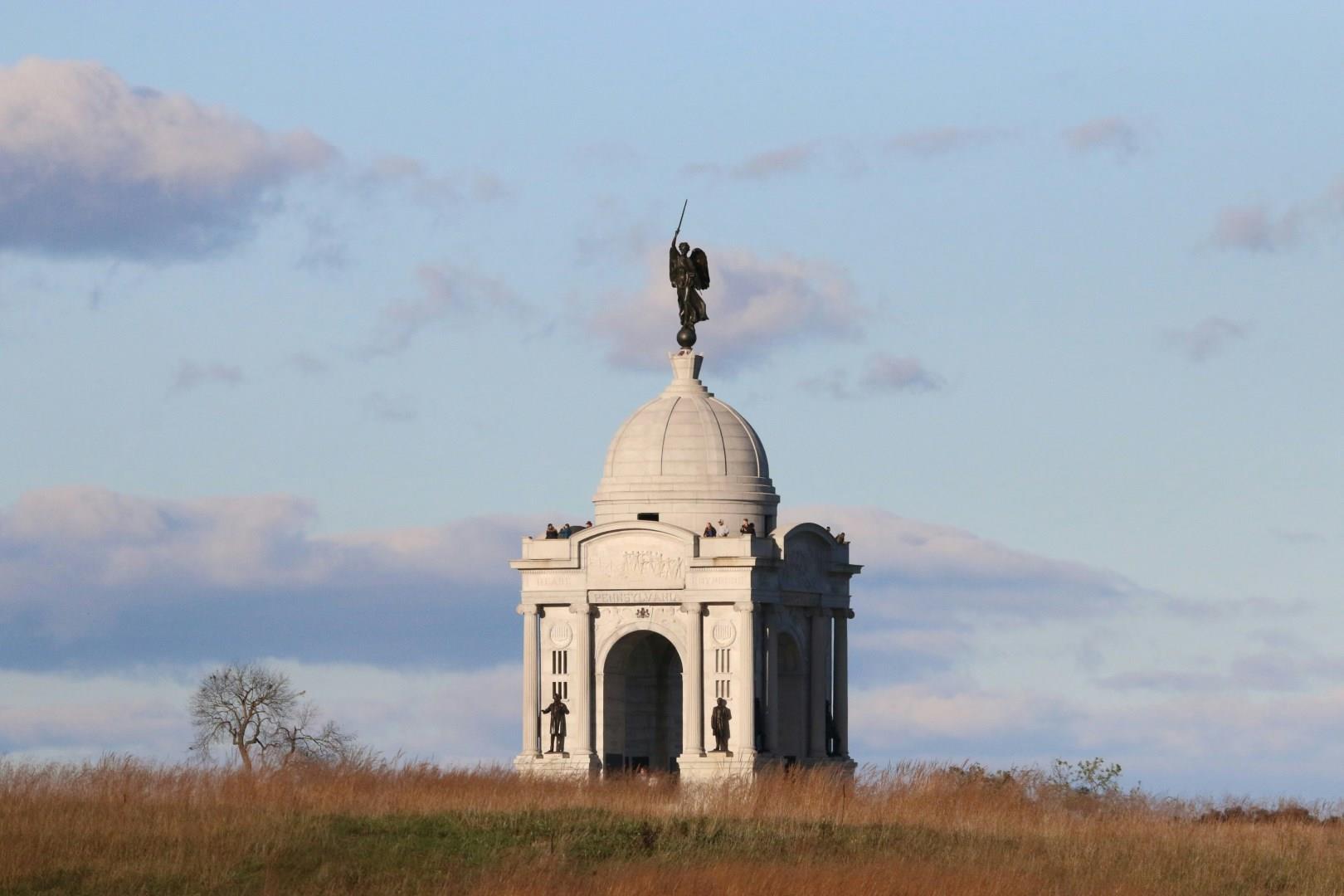
Gettysburg, Pennsylvania is best known as the site of the most significant battle of the American Civil War, fought over three days in July 1863. Today, visitors can explore the 6,000-acre Gettysburg National Military Park, which preserves the battlefield in remarkable detail. Over 1,300 monuments, cannons, and markers dot the landscape, each telling a piece of the story. One of the most visited spots is Little Round Top, where Union forces held their ground in a pivotal moment of the battle.
Mountain Pine Ridge
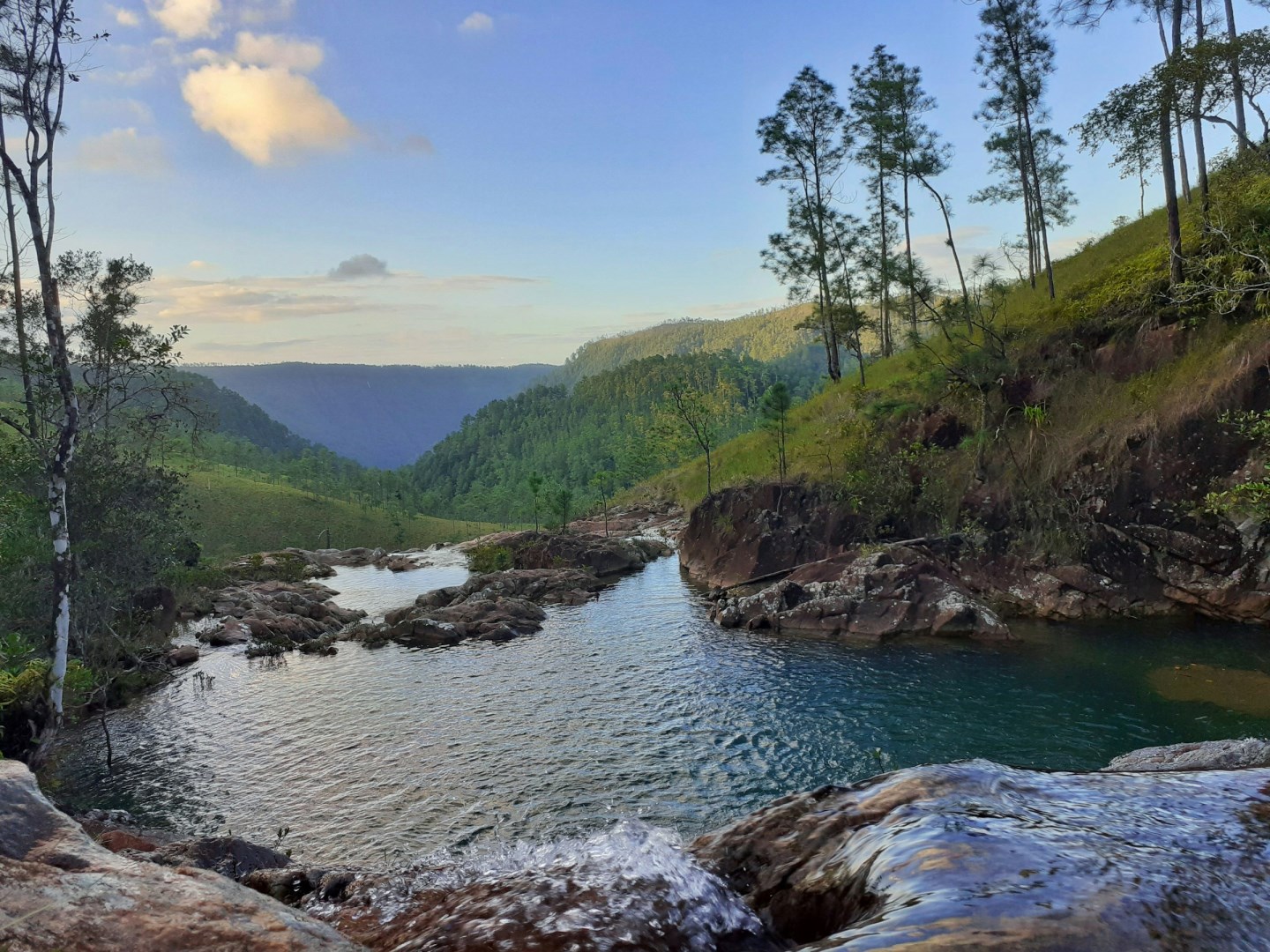
The 300 square mile Mountain Pine Ridge Forest Reserve is reached by taking the Georgeville turnoff at mile 65 of the Western Highway. After going through miles of tropical jungle you will be in a forest of tall pines growing amongst wildflowers and grasses. The area has whitewater rivers, waterfalls and cave systems.
