
Ulaanbaatar
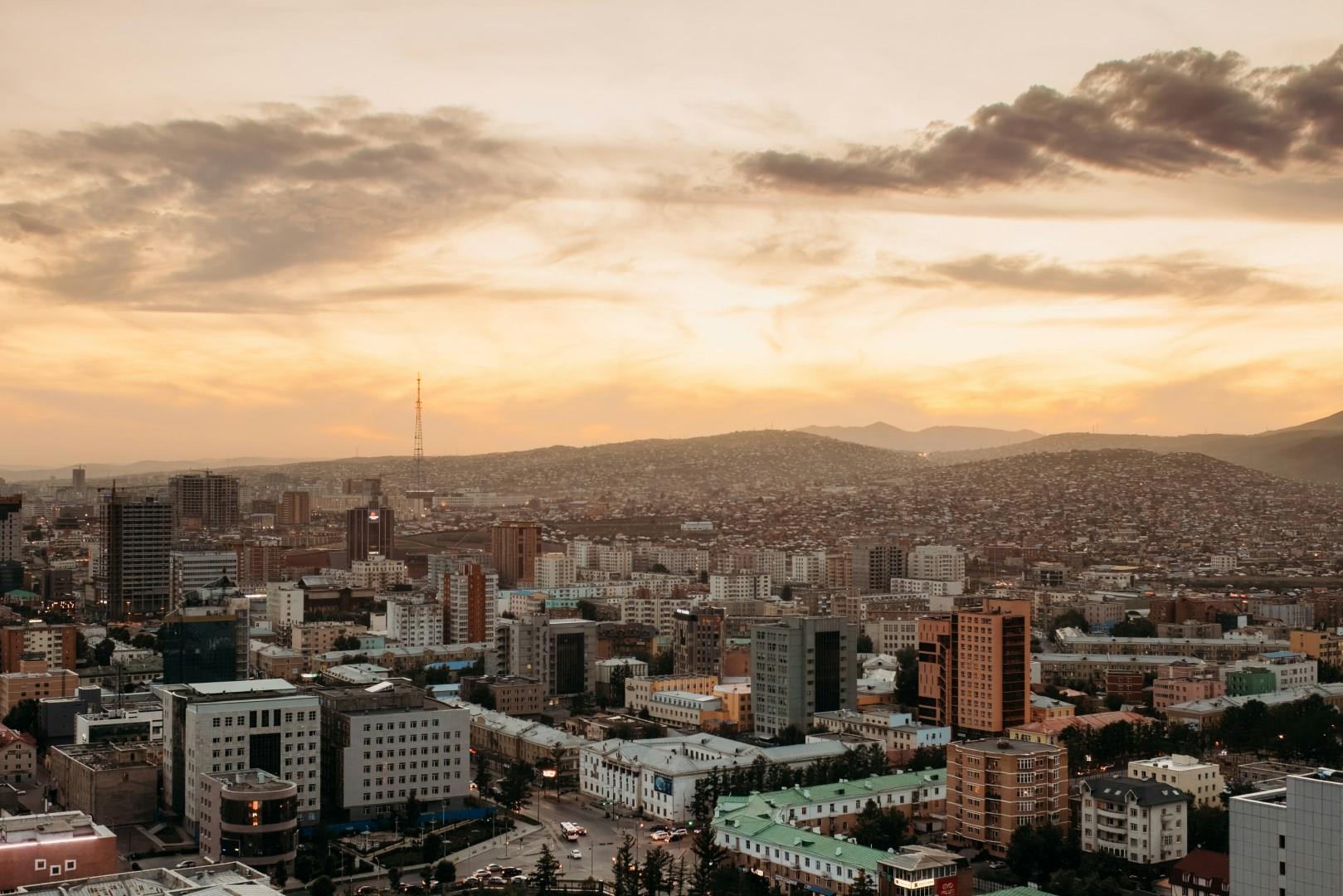
Ulaanbaatar, the capital of Mongolia, is a city where tradition and modern life intertwine. Nestled in a valley surrounded by mountains, it serves as the country’s cultural, political, and economic hub. The city’s skyline features a mix of Soviet-era architecture, Buddhist monasteries, and contemporary high-rises.

Yukon
Whitehorse is the territorial capital of this Canadian site of the 1898 gold rush. It consists mostly of rural towns, where the main industries are mining and tourism. It is a land of forests, rivers and tall mountain ranges covering a total of 207,075 sq. miles.
El Cuco
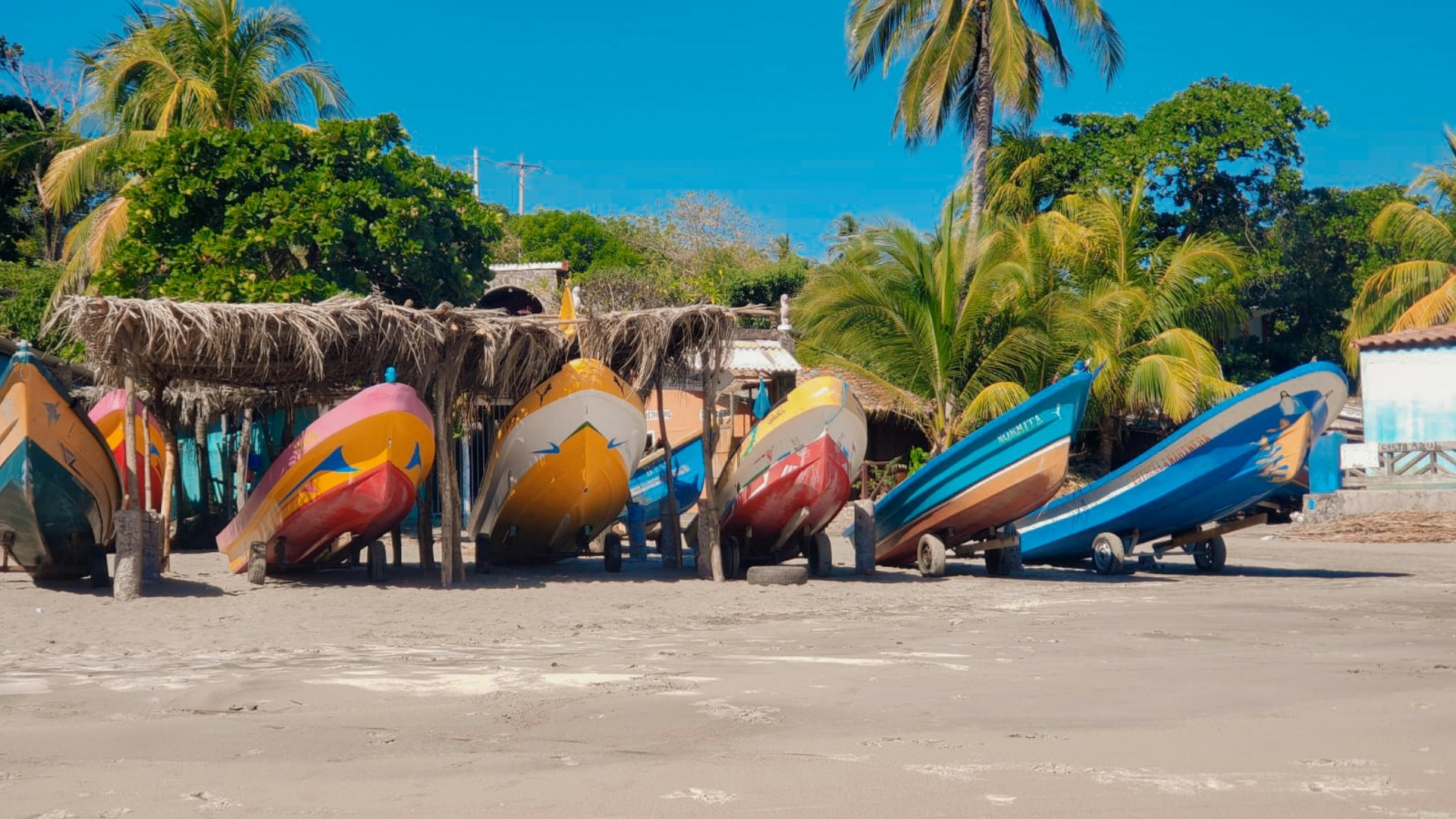
El Cuco is a small coastal community in the department of San Miguel, on El Salvador's eastern Pacific coast. It is known for its long sandy beach, volcanic black sand, warm waters, and setting between the Pacific Ocean and the forested foothills of the Sierra Tecapa-Chinameca range. The area is less urbanized than the country's larger coastal centers, with small hotels, restaurants, guesthouses, and fishing businesses spread around the shoreline.
Haarlem
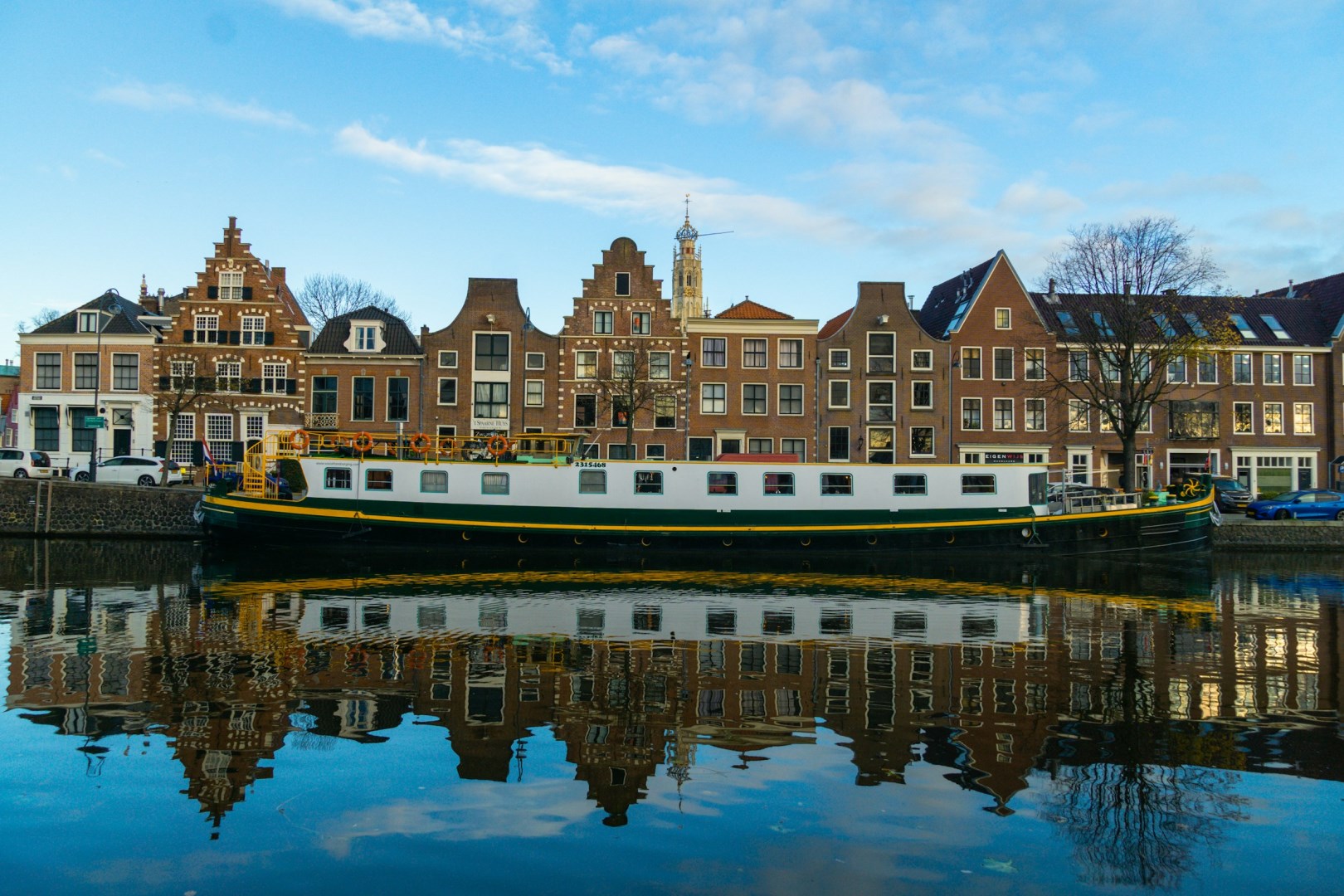
Haarlem is a historic city in the Dutch province of North Holland, located on the Spaarne River between Amsterdam and the North Sea coast. Its compact center contains canals, narrow streets, brick merchant houses, courtyards, and public squares, with the Grote Markt forming the traditional heart of the city. The Grote or St.-Bavokerk dominates the square with its tall tower and monumental organ.

Spitzkoppe
Spitzkoppe, often referred to as the "Matterhorn of Namibia," is a stunning granite peak rising majestically from the desert floor, offering some of the most dramatic landscapes in the country. Located between Usakos and Swakopmund, this isolated mountain range, with its highest point standing at 1,728 meters, is a paradise for hikers, climbers, and nature lovers. The area is also rich in ancient San rock art, providing visitors with a glimpse into Namibia's prehistoric past.
